
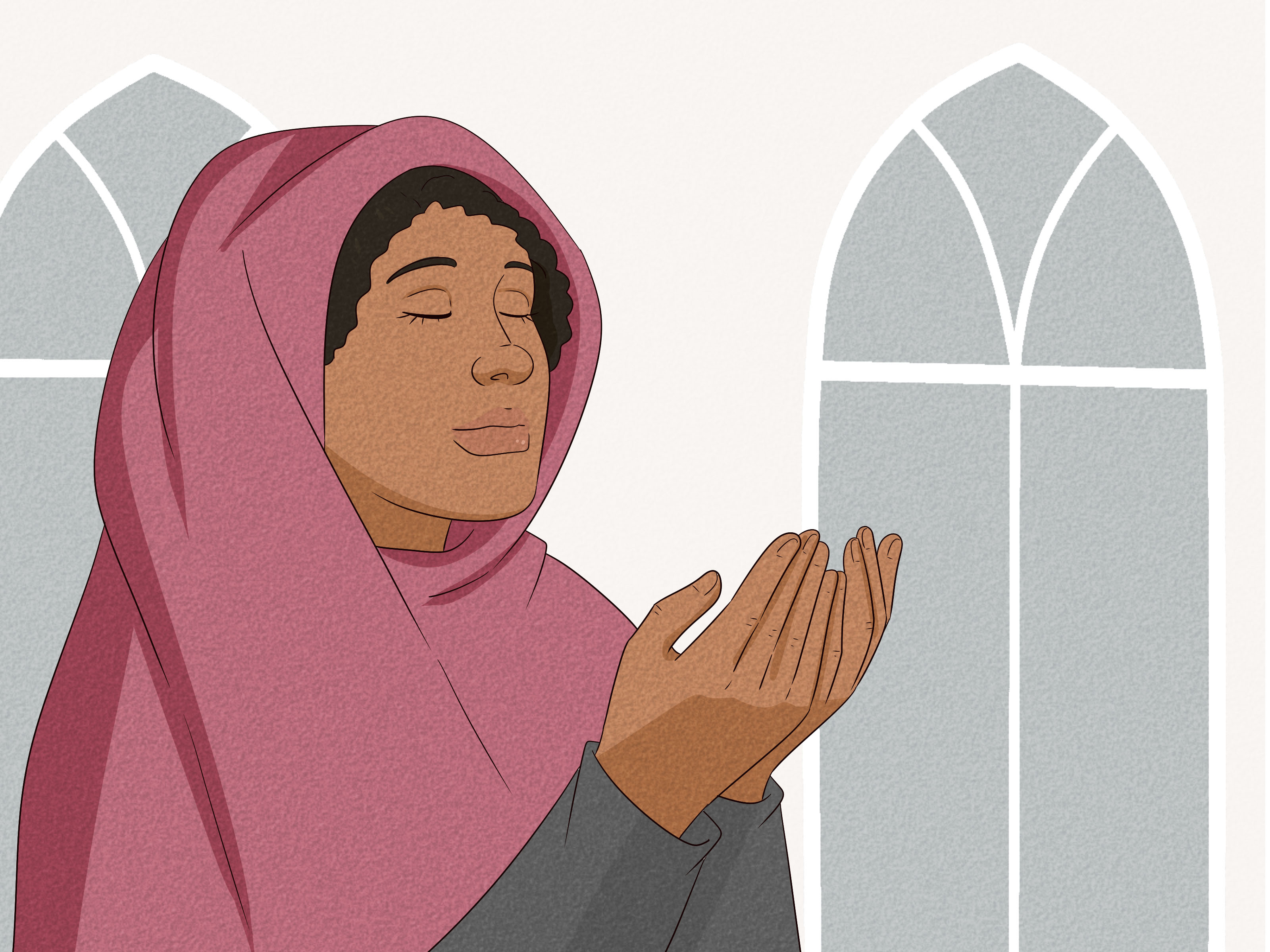
Some words are small enough to whisper but big enough to renovate the heart. In Islam, words like dhikr, tawakkul, taqwa, and Alhamdulillah are not decorative vocabulary for spiritual overachievers with color-coded prayer journals. They are living wordsdaily tools for loving Allah, remembering Him, trusting Him, and coming back to Him when life gets noisy.
Learning Islamic words for loving Allah is not about sounding “extra religious.” It is about understanding the language of the heart. When a Muslim says SubhanAllah, they are not just filling silence. They are declaring Allah’s perfection. When they say Alhamdulillah, they are training gratitude. When they say Astaghfirullah, they are opening the door back home.
This guide explains must-know Islamic words, beautiful duas, and Qur’anic verses that help believers deepen their love for Allah. Whether you are a new Muslim, a lifelong Muslim reconnecting with faith, or simply trying to make your daily worship more meaningful, these words can turn ordinary moments into acts of remembrance. Yes, even while stuck in traffic behind someone treating the left lane like a scenic walking path.
Why Islamic Words Matter When You Want to Love Allah
In Islam, love for Allah is not just an emotion that appears during Ramadan and disappears somewhere between Eid leftovers and unread group chats. It is a relationship built through worship, knowledge, remembrance, sincerity, repentance, and obedience.
The Qur’an teaches that true believers love Allah deeply. A powerful verse says that while some people love others as they should love Allah, “those who believe are stronger in love for Allah” (Qur’an 2:165). Another verse gives the road map: “If you love Allah, then follow me; Allah will love you and forgive your sins” (Qur’an 3:31). In other words, love is not only feltit is followed, practiced, and proven.
Islamic words help shape that practice. They remind the tongue, wake up the heart, and guide behavior. They are like spiritual bookmarks: short phrases that help you return to the right page when your mind wanders.
Must-Know Islamic Words for Loving Allah
1. Allah
Allah is the proper name of God in Islam: the One, the Creator, the Sustainer, the Lord of all worlds. Every journey of love begins here. To love Allah is to recognize that everything beautiful, merciful, wise, and good ultimately comes from Him.
2. Tawhid
Tawhid means the oneness of Allah. It is the heart of Islam. Loving Allah begins with knowing that He alone deserves worship, reliance, hope, fear, gratitude, and ultimate devotion. Tawhid clears the heart from spiritual clutter. Think of it as deleting 47 unnecessary apps from your soul’s home screen.
3. Iman
Iman means faith or belief. It includes belief in Allah, His angels, His books, His messengers, the Last Day, and divine decree. Iman is not frozen. It grows with obedience and weakens with neglect. When a believer nurtures iman, love for Allah becomes stronger and more stable.
4. Ihsan
Ihsan means excellence in worship. It is to worship Allah as though you see Him; and even though you do not see Him, you know He sees you. Ihsan turns prayer from a routine into a meeting, charity from a transaction into sincerity, and patience from “fine, whatever” into worship.
5. Mahabbah
Mahabbah means love. In Islamic spirituality, love for Allah is not sentimental fluff. It is a force that moves the believer toward prayer, repentance, truthfulness, mercy, and obedience. Loving Allah means loving what He loves and avoiding what distances the heart from Him.
6. Hubb Fillah
Hubb fillah means loving for the sake of Allah. This is love purified from selfishness. You love someone because they remind you of Allah, help you do good, or reflect qualities Allah loves: honesty, humility, mercy, justice, and patience. It is friendship with a spiritual GPS.
7. Dhikr
Dhikr means remembrance of Allah. It includes phrases like SubhanAllah, Alhamdulillah, Allahu Akbar, and La ilaha illa Allah. The Qur’an says, “Surely in the remembrance of Allah do hearts find comfort” (Qur’an 13:28). Dhikr is one of the simplest ways to bring love for Allah into daily life.
8. Dua
Dua means supplicationcalling upon Allah. Dua is intimate, direct, and deeply loving. Allah says, “I am truly near. I respond to one’s prayer when they call upon Me” (Qur’an 2:186). You do not need perfect Arabic, dramatic lighting, or a voice like a documentary narrator. You need sincerity.
9. Taqwa
Taqwa is often translated as God-consciousness. It means living with awareness of Allah, guarding the heart, and choosing what pleases Him. Taqwa is love with boundaries. It is what makes a believer ask, “Will this bring me closer to Allah or just closer to regret?”
10. Ikhlas
Ikhlas means sincerity. It is doing good for Allah’s sake, not for applause, likes, praise, or that tiny inner press conference we sometimes hold after doing one nice thing. Ikhlas protects love from becoming performance.
11. Tawakkul
Tawakkul means trusting Allah while taking the right steps. It is not laziness wearing a religious hat. Tawakkul means tying your camel, submitting your outcome to Allah, and refusing to panic as though the universe is being managed by your inbox.
12. Sabr
Sabr means patience, perseverance, and self-control. Loving Allah does not mean life becomes problem-free. It means hardship gains meaning. Sabr helps the believer remain faithful when answers are delayed, plans collapse, or the test feels heavier than expected.
13. Shukr
Shukr means gratitude. It is recognizing Allah’s blessings and using them in ways that please Him. Gratitude is not only saying “thank You”; it is living like you noticed the gift. The Qur’an teaches that gratitude increases blessings (Qur’an 14:7).
14. Istighfar
Istighfar means seeking forgiveness. The phrase Astaghfirullah means “I seek Allah’s forgiveness.” Loving Allah includes returning to Him again and again. A believer does not pretend to be sinless; a believer refuses to stay spiritually stuck.
15. Al-Wadud
Al-Wadud is one of Allah’s beautiful names, meaning The Most Loving or The Affectionate. This name reminds believers that Allah’s love is not cold, distant, or mechanical. He is the One who loves His believing servants and places love among hearts.
Powerful Dhikr Phrases That Increase Love for Allah
SubhanAllah
SubhanAllah means “Glory be to Allah.” It declares that Allah is perfect and far above every flaw. Say it when you see beauty, feel awe, or remember that Allah’s wisdom is greater than your current understanding.
Alhamdulillah
Alhamdulillah means “All praise is for Allah.” It is the language of gratitude in every season: when things go well, when they go strangely, and when your carefully planned day turns into a group project with chaos.
Allahu Akbar
Allahu Akbar means “Allah is greater.” Greater than fear. Greater than stress. Greater than temptation. Greater than the problem currently acting like it owns your entire brain.
La ilaha illa Allah
La ilaha illa Allah means “There is no god worthy of worship except Allah.” This is the greatest statement of Tawhid. It recenters the heart and reminds the believer that nothing deserves ultimate attachment except Allah.
Hasbunallahu wa ni’mal wakeel
Hasbunallahu wa ni’mal wakeel means “Allah is sufficient for us, and He is the best disposer of affairs.” It is a phrase of trust, especially when you cannot control the situation but can still control where your heart turns.
Beautiful Duas for Loving Allah
Dua for Allah’s Love
Transliteration: Allahumma inni as’aluka hubbaka, wa hubba man yuhibbuka, wal-‘amalalladhi yuballighuni hubbaka. Allahumm-aj‘al hubbaka ahabba ilayya min nafsi, wa ahli, wa minal-ma’il-barid.
Meaning: O Allah, I ask You for Your love, the love of those who love You, and deeds that will bring me to Your love. O Allah, make Your love more beloved to me than myself, my family, and cold water.
This dua is especially meaningful because it asks not only for the feeling of love, but also for the actions that lead to Allah’s love. That is the Islamic balance: heart and habit, emotion and obedience.
Dua for a Steadfast Heart
Transliteration: Ya Muqallibal-qulub, thabbit qalbi ‘ala dinik.
Meaning: O Turner of hearts, keep my heart firm upon Your religion.
This dua is short, but it carries a lifetime of need. Hearts change. Moods change. Motivation changes. This dua asks Allah to keep the heart anchored when everything else is doing emotional gymnastics.
Qur’anic Dua for Guidance After Faith
Arabic meaning from Qur’an 3:8: Our Lord, do not let our hearts deviate after You have guided us, and grant us mercy from Yourself. Indeed, You are the Bestower.
This is a beautiful dua for anyone afraid of drifting away. It teaches humility: guidance is a gift, and staying guided is also a gift.
Dua of Prophet Yunus
Transliteration: La ilaha illa Anta, Subhanaka, inni kuntu minaz-zalimin.
Meaning: There is no god worthy of worship except You. Glory be to You. Indeed, I was among the wrongdoers.
This dua is a powerful expression of Tawhid, humility, and repentance. It is perfect for moments when you feel trapped, ashamed, overwhelmed, or spiritually far away.
Dua for Good in This Life and the Next
Transliteration: Rabbana atina fid-dunya hasanah, wa fil-akhirati hasanah, wa qina ‘adhaban-nar.
Meaning: Our Lord, give us good in this world and good in the Hereafter, and protect us from the punishment of the Fire.
This dua is beautifully complete. It does not reject the world, and it does not forget the Hereafter. It asks Allah for balanced goodness.
Qur’an Verses That Teach Love for Allah
Believers Love Allah Most
Qur’an 2:165 teaches that true believers are stronger in love for Allah. This verse helps Muslims examine attachment. Do we love comfort more than prayer? Approval more than truth? Control more than trust? The verse gently reorders the heart.
Following the Prophet ﷺ Is a Sign of Loving Allah
Qur’an 3:31 connects love for Allah with following the Prophet Muhammad ﷺ. This means love is not vague spirituality. It has a Sunnah-shaped path: prayer, mercy, honesty, modesty, justice, forgiveness, and beautiful character.
Allah Loves and Is Loved
Qur’an 5:54 describes people who love Allah and are loved by Him. This is one of the most comforting ideas in Islamic spirituality: the relationship is not one-sided. The believer seeks Allah’s love, and Allah honors whom He wills with His love.
Hearts Find Rest in Dhikr
Qur’an 13:28 says that hearts find comfort in the remembrance of Allah. This does not mean believers never feel sadness or stress. It means dhikr gives the heart its proper direction, like turning a compass back toward north.
Allah Is Near
Qur’an 2:186 reminds believers that Allah is near and responds to dua. This verse is deeply personal. It teaches that the believer does not need an appointment, a status level, or a spiritual VIP pass to call upon Allah.
How to Use These Words in Everyday Life
Start Your Morning With One Word
Before checking your phone, say Alhamdulillah. This simple habit teaches the heart that the first notification of the day is not from the internet; it is from your soul recognizing Allah’s gift of another morning.
Use Dhikr During Waiting Time
Waiting in line, sitting in traffic, walking to class, or folding laundry can become moments of dhikr. Say SubhanAllah, Alhamdulillah, Allahu Akbar, or Astaghfirullah. The task may stay ordinary, but the heart becomes awake.
Turn Anxiety Into Dua
When worry rises, say: Hasbunallahu wa ni’mal wakeel. Then make dua in your own words. Tell Allah what hurts, what scares you, what you hope for, and what you cannot carry alone. Dua is not a performance. It is a return.
Practice Shukr Out Loud
At the end of the day, name three blessings and say Alhamdulillah for each one. They do not have to be dramatic. Food, safety, a kind message, a prayer completed, a mistake avoided, or a difficult moment survived all count.
Common Mistakes to Avoid
Using Words Without the Heart
It is possible to say Islamic words automatically while the heart is somewhere else buying imaginary furniture for a future life. Do not panic. Gently bring your attention back. Even noticing distraction can become a step toward sincerity.
Thinking Arabic Is the Only Way to Connect
Arabic has a special place in Islam, especially in Qur’an and prayer. But Allah understands every language. Learn the Arabic phrases, yesbut also speak to Allah honestly in the language your heart uses when no one else is listening.
Waiting to Feel Perfect Before Making Dua
Do not wait until you feel “religious enough” to call upon Allah. Dua is not only for polished people with flawless routines. It is for sinners, seekers, strugglers, returners, beginners, and everyone whose heart says, “Ya Allah, I need You.”
Personal Experiences: What These Words Feel Like in Real Life
One of the most beautiful things about Islamic words is how they meet people in ordinary moments. A person may learn Alhamdulillah as a child and repeat it after sneezing, eating, or answering “How are you?” But later in life, the same word can become a lifeline. After a hard exam, a job rejection, a family argument, or a day that feels like it was assembled by a committee of raccoons, Alhamdulillah becomes more than manners. It becomes surrender. It says, “Allah, I still see Your blessings, even here.”
Many Muslims describe dhikr as something that starts on the tongue and slowly settles into the heart. At first, saying SubhanAllah or Astaghfirullah may feel like a small habit. Then one day, during stress, the words arrive before the panic does. You are about to spiral, and suddenly your tongue says, Hasbunallahu wa ni’mal wakeel. Nothing magical flashes across the sky. The bills do not pay themselves. The difficult conversation still has to happen. But inside, there is a little more space to breathe.
The dua for Allah’s love can be especially emotional because it is so honest. It does not merely ask, “O Allah, give me what I want.” It asks, “Give me Your love, the love of those who love You, and deeds that bring me closer to Your love.” That dua changes priorities. A person may begin asking, “Are my friendships helping me remember Allah? Are my habits pulling me closer or farther away? Do I love Allah only when life is convenient, or also when His wisdom delays what I want?” These are not always easy questions, but they are healing ones.
There is also a quiet sweetness in learning tawakkul. Many people discover it when they have done everything they can and still do not know the outcome. They studied, applied, apologized, planned, saved, tried, waitedand still, the result is hidden. Tawakkul enters that room and says, “You are responsible for effort, not for controlling the unseen.” For an anxious heart, that sentence is a mercy.
Istighfar can feel like opening a window in a crowded room. Everyone makes mistakes. Everyone has moments they wish they could edit out of the documentary. But Islam does not teach believers to drown in shame. It teaches them to return. Saying Astaghfirullah wa atubu ilayhI seek Allah’s forgiveness and turn back to Himreminds the heart that Allah’s mercy is greater than the sin, as long as the servant keeps coming back sincerely.
And then there is sabr. Sabr is often misunderstood as pretending everything is fine. It is not. Sabr can include tears, grief, exhaustion, and asking for help. But it refuses to let pain cut the rope between the servant and Allah. A patient believer may cry in sujood, make dua with a shaky voice, and still say, “Ya Allah, I trust You.” That is not weakness. That is spiritual courage.
Over time, these Islamic words become companions. SubhanAllah teaches awe. Alhamdulillah teaches gratitude. Allahu Akbar puts problems in perspective. La ilaha illa Allah purifies attachment. Astaghfirullah keeps the path back open. Ya Wadud reminds the believer that Allah is The Most Loving. Slowly, the heart learns a new languagenot just the language of religion, but the language of nearness.
Conclusion
Learning Islamic words for loving Allah is not about collecting vocabulary like shiny spiritual souvenirs. It is about building a relationship with Allah through remembrance, dua, gratitude, repentance, trust, sincerity, and obedience. Words such as dhikr, dua, tawakkul, taqwa, ikhlas, sabr, shukr, and Al-Wadud help the believer understand what love for Allah looks like in real life.
The path to Allah’s love is not reserved for perfect people. It is open to those who return, remember, ask, try, fail, repent, and try again. Say Alhamdulillah when you notice blessings. Say Astaghfirullah when you fall short. Say Hasbunallahu wa ni’mal wakeel when you feel overwhelmed. Ask Allah for His love, the love of those who love Him, and the deeds that lead to His love.
Note: Qur’anic meanings and duas in this article are presented in accessible English for general educational reading. For formal study, memorization, religious rulings, or precise Arabic pronunciation, consult qualified scholars, reliable translations, and trusted Islamic learning resources.











