
Multiple sclerosis can affect vision, movement, sensation, energy, memory, and even bladder function. Understanding why its symptoms vary so widely is the first step toward recognizing the condition and obtaining an accurate diagnosis.
What Is Multiple Sclerosis?
Multiple sclerosis, commonly shortened to MS, is a chronic immune-mediated disease involving the central nervous system. That system includes the brain, spinal cord, and optic nerves, which together function as the body’s communication headquarters.
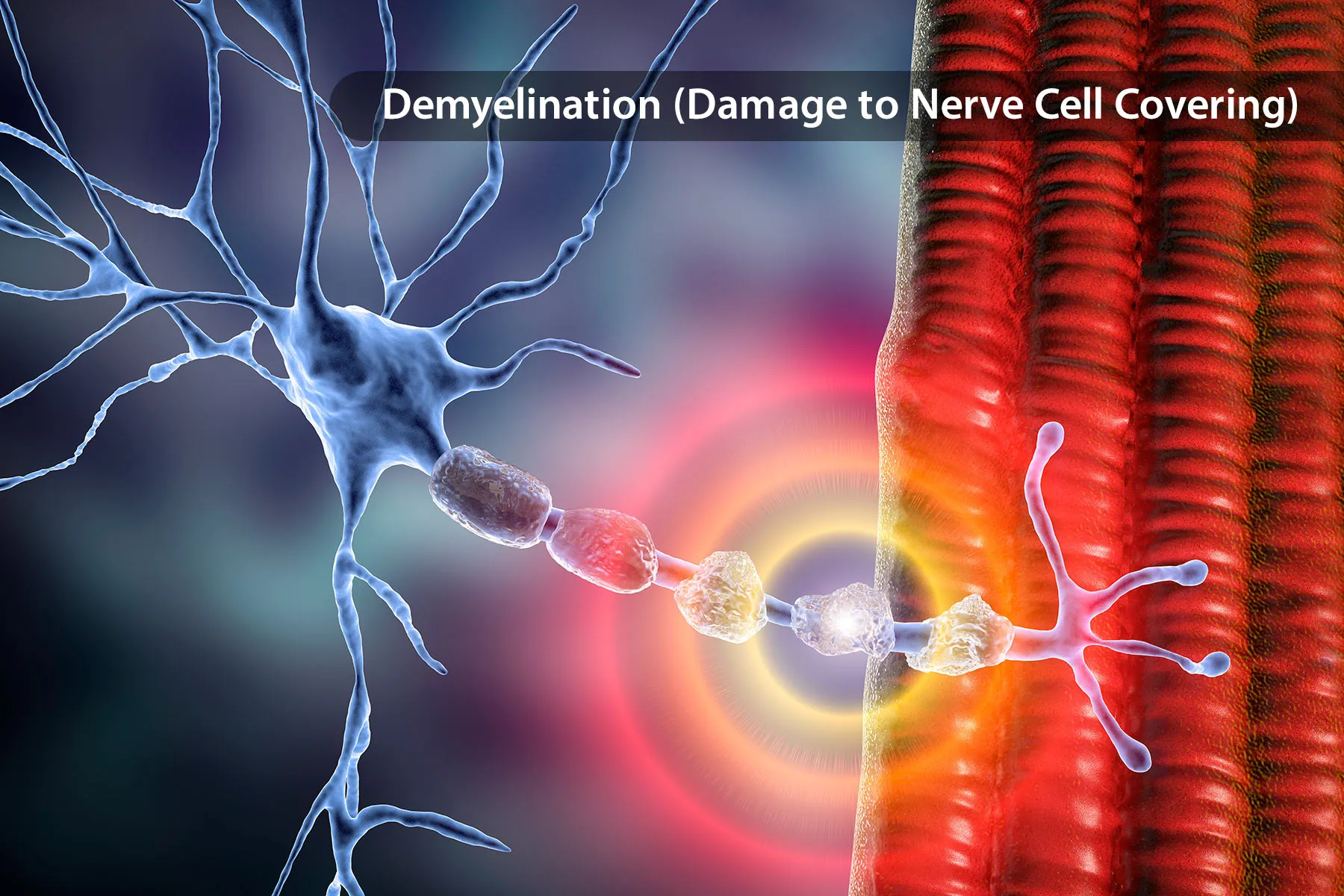
In MS, the immune system mistakenly attacks myelin, the fatty protective material surrounding many nerve fibers. Myelin works a little like insulation around an electrical wire: it helps signals move rapidly and efficiently. When inflammation damages that insulation, messages traveling between the brain and the body may slow down, become distorted, or fail to arrive altogether.
The inflammation can also injure the underlying nerve fibers. As damaged areas heal, they may leave scars called lesions or plaques. The word “sclerosis” refers to this scarring, while “multiple” reflects the fact that affected areas can appear in different parts of the central nervous system.
Because the location and severity of lesions differ from one person to another, MS does not follow one tidy script. One person may experience painful vision loss, while another first notices numbness, balance problems, or persistent fatigue. The nervous system is complicated, and MS apparently did not receive the memo about keeping things simple.
What Causes Multiple Sclerosis?
The exact cause of multiple sclerosis remains unknown. Researchers do not believe it results from one gene, one infection, or one lifestyle choice. Instead, MS probably develops when genetic susceptibility interacts with environmental and immune-related influences.
An Immune System Mistake
MS is generally considered an autoimmune or immune-mediated condition. Immune cells that normally protect the body from infections become misdirected and attack tissue in the central nervous system. This creates inflammation around myelin and can eventually damage the nerve beneath it.
Scientists are still investigating why this immune response begins. The leading explanation is that one or more environmental exposures may trigger abnormal immune activity in someone who is already biologically susceptible.
Genetic Susceptibility
MS is not inherited in the straightforward way that certain single-gene disorders are. There is no lone “MS gene” waiting dramatically in the wings. However, many genetic variations can modestly influence risk, particularly genes involved in regulating immune activity.
Having a close relative with MS raises a person’s likelihood of developing the disease, but most relatives of people with MS never develop it. Family history is therefore a risk factor, not a prediction.
Epstein-Barr Virus and Other Infections
Research has found a particularly strong association between MS and previous infection with Epstein-Barr virus, the virus that can cause infectious mononucleosis. Epstein-Barr infection is extremely common, however, and the overwhelming majority of infected people do not develop MS. It appears to be one piece of a much larger puzzle rather than a stand-alone cause.
Vitamin D, Sunlight, and Geography
Lower vitamin D levels and reduced sunlight exposure have been associated with a higher risk of MS. Historically, the disease has also been more common in regions farther from the equator. These patterns have led researchers to study how vitamin D may influence immune regulation.
That does not mean taking large doses of vitamin D will prevent or cure MS. Excessive supplementation can be harmful, so testing and dosage decisions should be discussed with a healthcare professional.
Smoking and Adolescent Obesity
Cigarette smoking is associated with an increased risk of developing MS and may contribute to less favorable disease outcomes after diagnosis. Obesity during adolescence or early adulthood has also been linked to higher risk, possibly through hormonal, metabolic, and inflammatory pathways.
Age and Sex
MS can begin at almost any age, including childhood and later adulthood, but symptoms most often start between early adulthood and middle age. Women are diagnosed more frequently than men, particularly with relapsing forms of MS. Researchers continue to study the possible roles of hormones, immune differences, genes, and environmental exposures.
None of these risk factors proves that someone will develop MS. A person can have several risk factors and never become ill, while someone without obvious risk factors may still receive a diagnosis. MS is multifactorial, which is medical language for “several things are probably involved, and they are not cooperating with a simple explanation.”
Common Multiple Sclerosis Symptoms
Multiple sclerosis symptoms depend on which nerve pathways are affected. They may develop gradually or appear over several hours or days. Some improve after an attack, while others persist or slowly become more noticeable.
One symptom by itself rarely confirms MS. Fatigue, tingling, dizziness, and blurred vision can occur in many conditions, ranging from vitamin deficiencies and migraines to infections, medication effects, and other neurological disorders.
Vision Changes
Optic neuritis is a common first presentation. It occurs when inflammation affects the optic nerve and may cause:
- Pain when moving one eye
- Blurred or dim vision
- Reduced color intensity
- A dark or blank area in the visual field
- Partial vision loss, usually affecting one eye
MS can also cause double vision or involuntary eye movements when lesions affect pathways controlling eye coordination.
Numbness, Tingling, and Altered Sensation
People may experience numbness, prickling, burning, crawling sensations, or pins and needles in the face, torso, arms, or legs. The sensation may be limited to a small patch or involve a much larger area.
Some people feel a shock-like sensation traveling down the spine when bending the neck forward. This is known as Lhermitte’s sign. Another symptom, informally called the “MS hug,” produces tightness, squeezing, burning, or pressure around the ribs or abdomen.
Muscle Weakness and Spasticity
Damage to motor pathways may cause weakness in one or more limbs. A leg might feel unusually heavy, a foot may drag, or a hand may become clumsy during tasks such as typing, fastening buttons, or opening a jar that suddenly seems to have joined a competitive weightlifting league.
Spasticity causes muscles to feel stiff, tight, or difficult to control. Painful spasms may occur, particularly in the legs.
Balance and Coordination Problems
MS can interfere with the brain systems that coordinate movement. Possible symptoms include:
- Unsteady walking
- Dizziness or vertigo
- Poor balance
- Tremor
- Reduced hand coordination
- Slurred or slowed speech
Fatigue
MS-related fatigue is more than ordinary sleepiness after a busy day. It can feel like an abrupt loss of physical or mental energy that is out of proportion to recent activity. Fatigue may worsen later in the day, during illness, or in hot conditions.
Sleep disorders, depression, pain, medications, anemia, and thyroid problems can also contribute to fatigue, so clinicians often investigate several possible causes rather than assuming every exhausted afternoon belongs to MS.
Bladder, Bowel, and Sexual Symptoms
Nerve damage can disrupt communication between the brain, spinal cord, bladder, and bowel. Symptoms may include urinary urgency, frequent urination, difficulty emptying the bladder, leakage, constipation, or occasional bowel incontinence.
Sexual dysfunction may involve reduced sensation, erectile difficulties, vaginal dryness, pain, or difficulty reaching orgasm. These symptoms can feel awkward to discuss, but clinicians hear about them regularly and may be able to recommend effective treatment.
Cognitive and Emotional Changes
Some people experience slower information processing, difficulty multitasking, reduced concentration, or problems retrieving words and recent memories. MS does not usually erase a person’s intelligence, but it can make the brain’s filing system feel as though someone reorganized every folder without permission.
Depression, anxiety, irritability, and emotional changes can arise from neurological changes, the strain of living with an unpredictable illness, or both. Mental health symptoms deserve the same attention as physical ones.
Heat Sensitivity
Heat may temporarily intensify existing MS symptoms because damaged nerve pathways conduct signals less efficiently when body temperature rises. This phenomenon is called Uhthoff’s phenomenon. It can occur during hot weather, exercise, fever, or a hot shower.
A temporary heat-related worsening does not necessarily mean the disease has produced new damage. Symptoms usually return toward baseline as the body cools.
MS Relapses and Temporary Symptom Worsening
A multiple sclerosis relapse is generally a new neurological symptom, or a clear worsening of an old symptom, lasting at least 24 hours without another explanation such as fever or infection. Relapses usually develop over hours or days rather than seconds.
A pseudo-relapse is a temporary return or worsening of previous symptoms caused by heat, stress, poor sleep, infection, or another physical strain. It does not represent a new area of inflammatory damage, although the triggering problem may still require medical care.
Any new neurological symptom should be discussed with a healthcare professional. Sudden facial drooping, speech difficulty, severe weakness, loss of consciousness, or an abrupt “worst-ever” headache requires emergency evaluation because conditions such as stroke must be considered.
Major Patterns of Multiple Sclerosis
Relapsing-Remitting Multiple Sclerosis
Relapsing-remitting MS is characterized by attacks of new or worsening symptoms followed by periods of partial or complete recovery. Symptoms may remain stable between relapses, even though MRI scans can sometimes reveal disease activity that causes no obvious symptoms.
Secondary Progressive Multiple Sclerosis
Some people with relapsing-remitting MS eventually enter a stage in which neurological disability gradually increases, with or without continued relapses. This pattern is called secondary progressive MS.
Primary Progressive Multiple Sclerosis
Primary progressive MS causes gradual worsening from the beginning rather than clearly defined attacks and recoveries. The rate of progression can vary, and periods of relative stability may occur.
Clinically Isolated Syndrome
Clinically isolated syndrome refers to a first episode of neurological symptoms caused by inflammation or demyelination in the central nervous system. Some people with this syndrome already meet diagnostic criteria for MS based on MRI or spinal-fluid findings. Others may never experience another event and are monitored over time.
How Multiple Sclerosis Is Diagnosed
There is no single symptom, scan, or blood test that can independently diagnose MS in every patient. Diagnosis requires evidence that damage has occurred in characteristic parts of the central nervous system and, in most cases, at different points in time. Clinicians also need to determine whether another disorder offers a better explanation.
Neurologists use established McDonald diagnostic criteria to combine clinical attacks, neurological examination findings, MRI results, and sometimes cerebrospinal-fluid evidence.
Medical History
The clinician asks what happened, when it began, how long it lasted, whether it completely resolved, and whether similar episodes occurred previously. Details that once seemed randomsuch as a numb leg three years ago or temporary vision loss after collegemay help reveal a pattern.
The history also covers infections, medications, vitamin use, autoimmune conditions, family history, substance exposure, and other factors that could imitate or contribute to neurological symptoms.
Neurological Examination
A neurological exam may assess:
- Vision and eye movements
- Muscle strength and tone
- Reflexes
- Sensation
- Balance and walking
- Coordination
- Speech
- Attention and memory
These tests help identify which nervous-system pathways may be affected, including abnormalities the patient may not have noticed.
MRI of the Brain and Spinal Cord
Magnetic resonance imaging is central to modern MS diagnosis. MRI can reveal lesions in areas commonly affected by MS, including regions near the brain’s fluid-filled ventricles, the outer brain, the brainstem, cerebellum, optic pathways, and spinal cord.
A contrast agent called gadolinium may be used to highlight active inflammation. The combination of enhancing and nonenhancing lesions can help show that damage occurred at different times. Follow-up scans may also reveal a new lesion that was absent on an earlier MRI.
Not every white-matter spot is MS. Migraines, aging, vascular disease, infections, and other conditions can produce MRI abnormalities, which is why scan location, shape, orientation, and clinical context matter. An MRI report containing the word “lesion” should not be treated as a self-activating diagnosis button.
Lumbar Puncture
During a lumbar puncture, a clinician collects a small sample of cerebrospinal fluid from the lower back. The laboratory may look for oligoclonal bands and other evidence of immune activity within the central nervous system.
These findings can support an MS diagnosis, especially when the history or MRI is not conclusive. Oligoclonal bands are not exclusive to MS, however, so the result must be interpreted with the rest of the evaluation.
Blood Tests
Routine blood tests do not confirm MS, but they help rule out conditions that can resemble it. Depending on the symptoms, testing may investigate vitamin B12 deficiency, thyroid disease, infections, inflammatory disorders, and systemic autoimmune diseases.
Specialized antibody testing may help distinguish MS from neuromyelitis optica spectrum disorder or myelin oligodendrocyte glycoprotein antibody-associated disease. These illnesses can affect the optic nerves and spinal cord but may require different treatment strategies.
Evoked Potentials and Eye Testing
Evoked-potential tests measure how quickly electrical signals travel through selected nerve pathways. Visual evoked potentials can detect delayed communication between the eyes and brain, including evidence of previous optic-nerve injury.
Optical coherence tomography is a painless imaging test that measures layers of the retina. It may reveal thinning associated with optic-nerve damage and provide another piece of evidence when interpreted by an experienced specialist.
Why the Differential Diagnosis Matters
Conditions that may resemble MS include migraine, vitamin deficiencies, spinal-cord compression, lupus, sarcoidosis, Lyme disease, certain infections, small-vessel vascular disease, neuromyelitis optica, MOG antibody-associated disease, and functional neurological disorder.
Rushing the diagnosis can expose someone to unnecessary medications, while dismissing suspicious symptoms can postpone useful treatment. A careful evaluation by a neurologistpreferably one experienced in demyelinating diseaseshelps balance those risks.
When Should You See a Doctor?
Schedule a medical evaluation when unexplained neurological symptoms persist, recur, or interfere with daily life. Examples include painful vision loss, continuing numbness, limb weakness, repeated balance problems, double vision, or new bladder difficulties accompanied by other neurological changes.
Keep notes about when symptoms began, how long they lasted, what body parts were affected, and whether heat, illness, or activity changed them. A symptom diary cannot diagnose MS, but it can turn a foggy conversation into a useful clinical timeline.
Seek emergency care for sudden severe neurological symptoms. A stroke, spinal-cord emergency, infection, or other urgent condition can resemble an MS attack, and the internet is not equipped to perform a neurological examinationdespite its extraordinary confidence.
Experiences Along the Road to an MS Diagnosis
The following composite experiences are illustrative. They combine common themes described by patients and clinicians and do not represent one identifiable individual.
When the First Symptom Seems Easy to Explain
Imagine waking up with tingling in one foot. You blame your sleeping position, walk around the room, and expect the feeling to disappear. It does not. During the next two days, the sensation moves toward your knee, but you are busy, your back occasionally aches, and searching online produces seventeen possible diagnoses before breakfast.
A primary care clinician checks circulation, strength, reflexes, and vitamin levels. The symptoms improve, so life continues. A year later, blurry vision and pain develop in one eye. An ophthalmologist suspects optic neuritis and recommends a neurological evaluation. The earlier numbness, which once seemed like an isolated nuisance, suddenly becomes relevant.
This is one reason the diagnostic history matters. Early episodes may resolve before testing occurs, or they may be attributed to stress, a pinched nerve, poor posture, or exhaustion. Those explanations are often reasonable. Most tingling is not MS. The pattern becomes more concerning when neurological events recur, last for days, and affect different areas of the central nervous system.
The Frustration of Invisible Symptoms
Another person may look healthy while quietly reorganizing an entire day around fatigue. A morning shower consumes an unexpected amount of energy. By early afternoon, concentration drops, words become harder to retrieve, and the walk across a parking lot feels twice as long as it did yesterday.
Friends may say, “You do not look sick,” intending reassurance. Instead, the comment can feel isolating. Fatigue, cognitive slowing, numbness, bladder urgency, and pain are often invisible. Someone may still work, study, parent, and socialize while spending enormous effort managing symptoms that other people cannot see.
Receiving a diagnosis can therefore produce two conflicting emotions: fear about the future and relief that the symptoms finally have a name. Relief does not mean the person wanted MS. It means uncertainty had become its own exhausting condition.
Waiting for Tests and Results
The diagnostic process can include appointments, MRI scans, blood draws, insurance questions, and perhaps a lumbar puncture. Waiting between these steps may be emotionally difficult. Every phone notification suddenly looks like it might contain life-changing news, even when it is merely a restaurant announcing half-price mozzarella sticks.
Some people receive a diagnosis quickly after a typical attack and characteristic MRI findings. Others remain in a monitoring stage because the evidence is not yet definitive. Follow-up imaging may be scheduled to determine whether new lesions appear. Although waiting can be frustrating, careful monitoring is safer than forcing certainty where it does not yet exist.
Preparing for a Neurology Appointment
Patients often find it useful to arrive with a concise timeline rather than a suitcase containing every bodily sensation experienced since kindergarten. Helpful information includes the date each major symptom began, whether it affected one or both sides, how long it lasted, whether fever or heat was involved, and whether the symptom fully resolved.
Copies of previous MRI images are often more useful than reports alone. A current medication list, family medical history, laboratory results, and notes from eye examinations can also help. Bringing a trusted relative or friend may make it easier to remember details and absorb new information.
Life After the Diagnostic Conversation
An MS diagnosis may trigger questions about employment, relationships, mobility, pregnancy, finances, and independence. These concerns are understandable, but MS is highly variable. A scan cannot provide a perfect preview of the next decade, and another person’s experience is not a personalized forecast.
Modern disease-modifying therapies can reduce inflammatory disease activity and lower relapse risk for many people. Rehabilitation, symptom management, mental healthcare, physical activity, and practical accommodations can also protect quality of life. The diagnosis changes the map, but it does not erase every destination.
Support often comes from several directions: an MS specialist, primary care clinician, physical or occupational therapist, counselor, social worker, family members, and patient-support communities. The most useful team is one that treats the person rather than merely admiring the MRI.
Conclusion
Multiple sclerosis is a complex disease in which immune activity damages myelin and nerve fibers within the brain, spinal cord, and optic nerves. Its exact cause is unknown, but genetic susceptibility, Epstein-Barr virus infection, smoking, vitamin D-related factors, obesity, age, sex, and other environmental influences may contribute to risk.
Symptoms can include vision loss, numbness, weakness, spasticity, fatigue, balance difficulties, pain, cognitive changes, and bladder or bowel problems. Because these complaints overlap with many other conditions, symptoms alone cannot establish a diagnosis.
A reliable diagnosis combines the medical history, neurological examination, MRI findings, and, when needed, cerebrospinal-fluid analysis, blood testing, or visual pathway studies. Anyone experiencing persistent or recurring neurological changes should seek professional evaluation rather than attempting to diagnose MS through a symptom checklist.












