
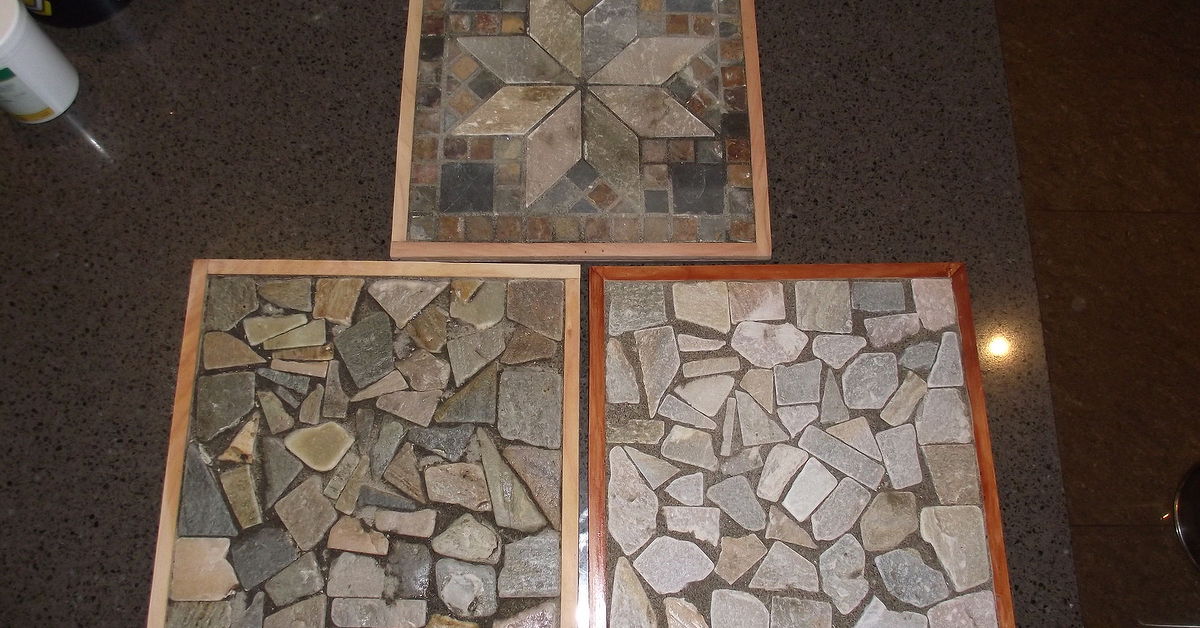
A bubbling Dutch oven, a casserole dish fresh from the oven, and a beautiful dining table can coexist peacefully. They simply need a referee. Enter the mosaic tile trivet: part countertop protector, part miniature artwork, and part conversation starter for guests who suddenly become very interested in grout.
Mosaic tile trivets, also called mosaic pot stands, are practical kitchen accessories designed to hold hot cookware away from tables, counters, and serving boards. Unlike a plain cork pad or a metal rack that looks like it escaped from a restaurant supply closet, a tiled trivet can bring color, pattern, texture, and a little handmade personality into everyday cooking.
Whether you buy one from a maker, repurpose leftover backsplash tile, or create a DIY mosaic pot stand from scratch, the goal is the same: protect the surface beneath your hot pan while making your kitchen look more intentional than “I put this here because I panicked.”
What Is a Mosaic Tile Trivet?
A trivet is a heat-resistant stand placed under hot cookware, serving dishes, kettles, or baking pans. A mosaic tile trivet uses many small pieces of ceramic, porcelain, glass, stone, or broken china arranged into a pattern on a sturdy base.
The small decorative pieces are often called tesserae, a delightfully fancy word for “tiny pieces that will somehow end up in your sock.” They can be arranged in simple checkerboards, flower designs, geometric patterns, Mediterranean-style motifs, abstract color fields, or even a miniature food theme. Yes, someone has probably made a trivet featuring a pizza slice. Humanity remains creative.
A good mosaic pot stand should do three jobs well:
- Support hot cookware without wobbling.
- Protect the table or countertop below it.
- Add decorative charm without becoming impossible to clean.
That combination makes mosaic trivets useful in kitchens, dining rooms, outdoor entertaining areas, coffee stations, and even on buffet tables during holiday meals.
Why Mosaic Tile Makes a Great Pot Stand
Heat-Friendly Materials
Ceramic and porcelain tile are commonly used near ranges, on countertops, and in kitchens because they handle heat well and are easy to maintain. Their durability makes them a logical choice for a hot pot stand, especially when paired with a stable, heat-tolerant base.
Still, the word “tile” should not make anyone reckless. A mosaic trivet is for setting hot cookware on a table or countertop. It is not a burner accessory, a stovetop diffuser, or a magical force field for every surface in your home. Do not place a mosaic trivet directly on a gas burner, electric coil, radiant cooktop, or induction surface.
A Small Project With Big Decorative Payoff
A mosaic tile trivet gives leftover materials a useful second life. A few spare subway tiles, broken plates from a sentimental-but-not-too-sentimental set, or an extra mosaic sheet from a backsplash project can become a functional kitchen accent.
This is especially appealing for homeowners who dislike waste but also dislike keeping one random tile in the garage for eleven years “just in case.” A trivet is the perfect middle ground between throwing it away and building an entire guest bathroom around it.
Easy to Match With Your Kitchen Style
Mosaic tile trivets work in nearly every decorating style because tile comes in so many finishes, colors, and shapes. A glossy white-and-blue design can feel coastal. Matte black hexagons can suit a modern kitchen. Soft green ceramic pieces can lean cottagecore. Broken floral china can create a vintage look that feels collected rather than cluttered.
The best design is usually one that connects to something already in the room: cabinet hardware, backsplash color, dinnerware, wall paint, or even the shade of your favorite coffee mug.
Best Materials for Mosaic Tile Trivets
Porcelain Tile
Porcelain is one of the strongest choices for a mosaic pot stand. It is dense, durable, resistant to staining, and generally easy to wipe clean. Porcelain pieces work especially well in kitchens where the trivet will be used often for heavy pans, saucepots, slow cookers, and baking dishes.
Choose porcelain if you want a polished, long-lasting trivet with minimal fuss. It is the sensible friend of the tile world: not flashy at first, but always reliable when someone needs help moving furniture.
Glazed Ceramic Tile
Glazed ceramic tile is another excellent choice. It is available in a huge range of colors, finishes, shapes, and price points. A glossy ceramic mosaic can make a trivet feel cheerful and bright, while handmade-look tiles can add texture and warmth.
Glazed ceramic is also practical because spills usually wipe away easily. Tomato sauce, coffee drips, butter splatters, and mystery holiday gravy are less intimidating when the surface is smooth and nonporous.
Glass Mosaic Tile
Glass mosaic tile adds sparkle, depth, and color variation. It is ideal for decorative trivets intended for lighter serving dishes, teapots, covered casserole dishes, or buffet-table use.
However, glass should be selected carefully. Avoid sharp edges, cracked pieces, and uneven fragments that could make the pot stand unstable. A trivet should support cookware, not make it perform a balancing act worthy of a circus audition.
Natural Stone
Natural stone mosaic can look elegant, earthy, and expensive in the best way. Marble, slate, travertine, and pebble mosaic can create beautiful rustic or Mediterranean-inspired pot stands.
The trade-off is maintenance. Some stone materials are more porous than glazed ceramic or porcelain, so they may need sealing and gentler cleaning. If you choose natural stone, wipe spills promptly and avoid harsh or acidic cleaners that could dull or damage the finish.
Broken China and Recycled Tile
Broken china is one of the most charming materials for DIY mosaic trivets. A chipped teacup, a mismatched saucer, or a plate with a small crack can become part of a colorful mosaic instead of disappearing into the trash.
Use only clean pieces with manageable edges, and press them securely into adhesive or mortar. Sharp fragments should be buried below the grout line or avoided entirely. Your trivet should be whimsical, not medically memorable.
How to Choose the Right Mosaic Pot Stand
When shopping for or making a mosaic tile trivet, focus on more than appearance. A gorgeous pot stand that rocks under a soup pot is not decor. It is suspense.
Look for a Flat, Stable Base
The base matters as much as the tile. Good options include a thick ceramic tile, cement board, terracotta saucer, stone slab, or a sturdy wood base designed for heat-resistant craft use. The trivet should sit flat on the table without flexing or rocking.
For everyday kitchen use, a rigid base is usually better than thin plywood or lightweight craft board. Moisture, heat, and repeated use can cause flimsy materials to warp over time.
Choose a Practical Size
A small trivet may be perfect for a teapot or saucepan, while a larger mosaic pot stand works better for casserole dishes, Dutch ovens, and serving platters. For most kitchens, an 8-inch to 10-inch square or round trivet is a useful all-purpose size.
If you frequently serve meals family-style, consider making a matching pair. Two smaller trivets often provide more flexibility than one enormous tile board that needs its own parking space.
Check the Surface Texture
A mosaic surface can be textured, but it should not be dramatically uneven. Pots and pans need a stable contact point. Raised tiles, thick decorative stones, or deep grout valleys may look artistic but can create wobble.
Flat or gently textured mosaics are usually the best balance between beauty and function.
Protect the Furniture Underneath
Add heat-safe feet, silicone bumpers, cork pads, or felt protectors to the underside of the trivet. These help prevent scratches and reduce slipping.
For very hot cookware, choose feet or pads rated for heat when possible. A thin decorative backing may protect against scratches, but it should not be the only thing standing between a sizzling cast-iron skillet and your dining table.
How to Make a DIY Mosaic Tile Trivet
A DIY mosaic trivet is beginner-friendly when the design is simple and the materials are chosen carefully. You do not need to recreate an Italian villa in one afternoon. A clean geometric layout can look just as impressive as a complicated picture mosaic.
Basic Supplies
- A rigid base, such as a large ceramic tile, cement board, or stone slab.
- Mosaic tile pieces, porcelain chips, ceramic scraps, or broken china.
- Tile adhesive or thinset appropriate for the selected base.
- Grout suitable for the size of your tile joints.
- Rubber gloves, eye protection, sponge, cloth, and grout float.
- Tile nippers if you need to trim pieces.
- Heat-safe feet or protective pads for the underside.
Step 1: Plan the Design Before Gluing
Lay out your tile pieces first without adhesive. This dry layout lets you adjust spacing, color balance, and the size of the outer border. It is much easier to move a blue tile during planning than after it has become emotionally attached to mortar.
Simple designs often work best: stripes, checkerboards, radiating sunbursts, concentric squares, floral borders, or a single central motif surrounded by neutral tile.
Step 2: Attach the Mosaic Pieces
Apply the adhesive according to the manufacturer’s instructions, then press the tile pieces into place. Leave small, consistent gaps for grout. Avoid loading the base with tile so thick that the final surface becomes uneven.
Allow the adhesive to cure completely. This is the part where patience becomes a craft supply. Rushing grout onto uncured adhesive is a little like frosting a cake before it has stopped baking.
Step 3: Grout and Clean
Spread grout across the mosaic, pressing it into the spaces between tiles. Remove excess grout with a float, then wipe gently with a damp sponge after the grout begins to set.
Do not flood the surface with water. Gentle wiping and frequent rinsing are usually enough to remove grout haze without disturbing the joints.
Step 4: Cure, Seal if Needed, and Add Feet
Let the finished trivet cure fully before using it under hot cookware. If your project uses porous stone or cement-based grout, consider applying a grout or stone sealer suited to that material.
Finish by adding protective feet to the bottom. Test the trivet on a flat countertop before placing a heavy pot on it.
Creative Mosaic Tile Trivet Design Ideas
Coastal Blue and White
Use white ceramic tile with navy, aqua, and sea-glass blue accents. This style works beautifully in coastal kitchens, beach houses, or spaces that need a little vacation energy without requiring airport security.
Modern Black and Brass
Combine matte black porcelain tile with a few metallic gold or brass-look pieces. Keep the pattern geometric for a sleek, modern trivet that looks right at home beside dark cabinetry and warm metal hardware.
Vintage Floral China
Break old floral china into carefully selected pieces and arrange them over a neutral background. Use pale grout to soften the look and create a charming cottage-style pot stand.
Color-Block Mosaic
Choose three or four bold colors and arrange them in broad blocks or diagonal bands. This is a great option for beginners because it looks intentional even with simple cuts and straightforward spacing.
Monochrome Minimalism
Use shades of white, cream, gray, and charcoal for a trivet that feels modern without demanding attention. This design works especially well in kitchens where the backsplash or countertops already have a lot going on.
How to Clean and Care for Mosaic Pot Stands
A mosaic trivet earns its keep around hot food, sauces, oils, and occasional kitchen chaos. Regular cleaning keeps it attractive and helps prevent grout from looking tired before its time.
- Wipe the surface with warm water and mild dish soap after use.
- Use a soft cloth or nonabrasive sponge for routine cleaning.
- Clean spills quickly, especially on porous grout or natural stone.
- Avoid abrasive pads, steel wool, and harsh acid-based cleaners.
- Inspect the grout and tile pieces periodically for cracks or looseness.
Glazed ceramic and porcelain are generally low-maintenance choices. Natural stone and unsealed grout require a little more attention, especially if the trivet is used around tomato sauce, wine, citrus, coffee, or oil-based foods.
If a tile becomes loose or grout cracks deeply, repair the trivet before using it again. A wobbly hot pot stand is not rustic. It is a risk with excellent branding.
Common Mosaic Trivet Mistakes to Avoid
Using a Weak Base
Thin craft wood, cardboard-backed mosaic sheets, or warped boards may be fine for wall art, but they are not ideal under a heavy hot pot. Choose a firm, rigid base that can handle weight and repeated use.
Ignoring Tile Height Differences
Mixing thick stone with thin glass tile can create an uneven surface. Keep the tile thickness reasonably consistent, or build up thinner pieces so cookware rests evenly.
Choosing Decorative Materials That Cannot Handle Kitchen Use
Some decorative pieces are better left for wall art. Plastic gems, fragile shells, cheap painted embellishments, and materials with unknown coatings may not tolerate repeated heat, steam, or cleaning.
Skipping Full Cure Time
Adhesive and grout need time to harden properly. Using the trivet too early can lead to cracked joints, loose tiles, or adhesive failure. Let the project cure completely before introducing it to a steaming pot of chili.
Makers’ Experiences: What Mosaic Tile Trivets Feel Like in Real Kitchen Life
The first experience most people have with a mosaic tile trivet is surprise at how often it gets used. It begins as a small decorative project, perhaps made from leftover tile after a bathroom update or created during a weekend craft session. Then dinner happens. A pot of pasta needs a landing spot. A baking dish comes out of the oven. A slow cooker is suddenly parked on the island. Before long, the trivet becomes one of those quiet kitchen helpers that seems too useful to put away.
Makers often notice that the best-looking designs are not always the most complicated. A simple white background with a narrow blue border can look polished and calm. A loose arrangement of broken floral china can feel warm and personal. One common lesson is that color matters more than complexity. Two or three colors used thoughtfully usually create a stronger mosaic than a dozen colors fighting for attention like toddlers at a birthday party.
Another familiar experience is learning that tile spacing changes everything. When pieces are crowded too tightly, grout has nowhere to go and the mosaic can look messy. When gaps are too large, the finished pot stand may feel more like a miniature sidewalk. A consistent joint width creates visual rhythm and makes the whole project look more deliberate.
People also discover that grout color has a personality of its own. White grout can make colors look crisp but may show food stains more quickly. Gray grout is forgiving and modern. Charcoal grout gives a bold, graphic look but can overpower pale tiles. Warm beige grout works beautifully with natural stone, terracotta, and vintage china. Choosing grout is a little like choosing a haircut: it may seem minor until it changes the entire situation.
In daily use, the underside of the trivet becomes just as important as the mosaic top. Silicone feet, cork pads, or protective bumpers prevent scratching and help the trivet stay in place when a heavy pan is set down. A beautiful mosaic that slides across a table is stressful. A beautiful mosaic that stays put feels finished.
Many home cooks eventually make more than one. A single trivet can handle a saucepan, but holiday meals, family dinners, and buffet spreads tend to reveal the need for a small collection. Matching sets are popular, but mixed designs can be charming too. One trivet may be blue and white for soups and pasta nights; another may feature warm terracotta for casseroles and roasted vegetables.
The most satisfying experience is usually the moment someone notices it. Guests often assume a mosaic pot stand was bought at a boutique or found at a craft market. When they learn it was made from leftover tile, an old plate, or materials that almost went into the trash, the object suddenly carries a story. It becomes more than a hot pad. It becomes a small piece of useful art that survived dinner, survived cleanup, and somehow made the table feel more like home.
Final Thoughts on Mosaic Tile Trivets and Pot Stands
Mosaic tile trivets prove that functional kitchen items do not need to be boring. A well-made pot stand protects counters and tables, gives leftover tile a second purpose, and adds handmade style to everyday meals.
Choose durable materials, use a stable base, allow adhesive and grout to cure fully, and keep the design practical enough for real cookware. Whether you prefer glossy ceramic, modern porcelain, recycled china, or natural stone, a mosaic trivet can turn the humble act of setting down a hot pot into a small design moment.
Note: Mosaic tile trivets are intended for placing hot cookware on tables, counters, and serving surfaces. Do not use them directly on gas burners, electric burners, induction cooktops, or as stovetop heat diffusers.












