
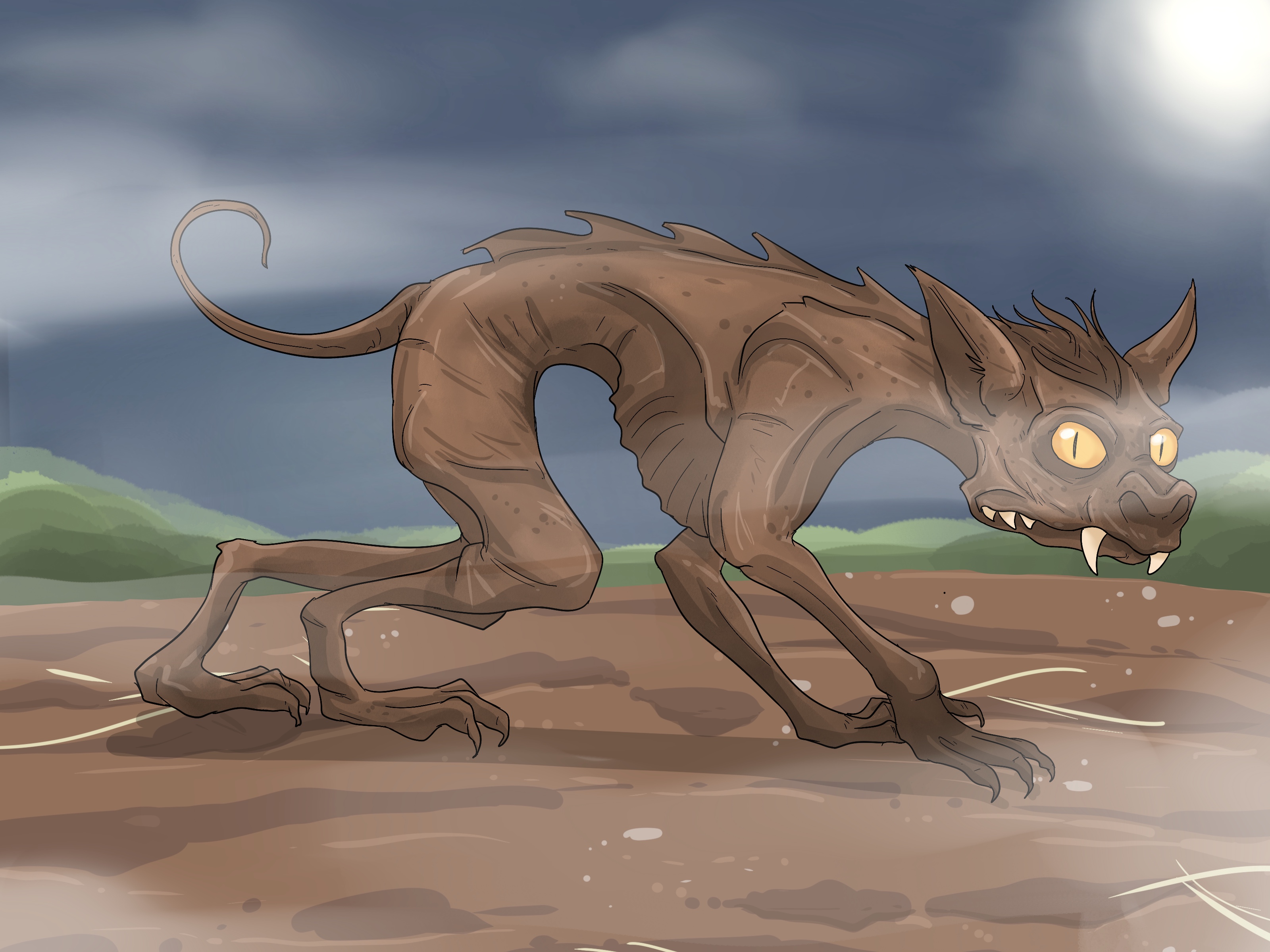
Naming a monster should feel dramatic. Not “Kevin with claws” dramatic, unless Kevin has been eating villagers again, but the kind of dramatic that makes readers, players, or viewers pause and think, “Oh no, this thing definitely has a lair.” That is where a monster name generator becomes more than a fun little button on the internet. Used well, it can help you create a name that sounds terrifying, memorable, ancient, weird, funny, or all of the above.
Whether you are writing a fantasy novel, building a tabletop RPG campaign, designing a video game boss, creating Halloween content, or naming a creature for a comic, the right monster name gives your beast instant personality. A weak name can make a horrifying creature feel like a lost house pet. A strong one can turn a blob with teeth into a legend whispered about by doomed villagers over suspiciously smoky tavern stew.
This guide explains how monster name generators work, what makes a beast name ferocious, how to customize generated names, and how to build your own list of terrifying names without sounding like you spilled alphabet soup on a spellbook.
What Is a Monster Name Generator?
A monster name generator is a creative tool that produces names for fictional creatures, beasts, villains, demons, dragons, cryptids, mutants, aliens, undead horrors, and other things polite society usually prefers not to meet in a dark hallway. Some generators create completely random names from syllables. Others use categories such as “dragon,” “demon,” “sea monster,” “forest beast,” “undead,” “cute monster,” or “sci-fi creature.” More advanced tools may use prompts, tone, genre, language inspiration, or artificial intelligence to generate names that match a specific world.
At its simplest, a generator combines sounds like “gor,” “vex,” “kr,” “mor,” “thar,” “ul,” “fang,” “rot,” and “shade” into names that feel monstrous. At its best, it acts like a brainstorming partner. It does not replace your imagination; it kicks the door open, roars into the room, and gives your imagination something to wrestle.
Why Monster Names Matter More Than You Think
A monster’s name is often the first piece of worldbuilding your audience receives. Before they see the creature’s claws, wings, slime trail, glowing eyes, or questionable dental hygiene, they hear its name. That name creates expectations.
Consider the difference between The Thornmaw, Gribble, Ash-Eater, and Velkroth the Hollow. Each one suggests a different type of beast. Thornmaw sounds like a forest predator. Gribble might be a comic goblin or a pet gremlin that steals socks. Ash-Eater feels like a creature born from fire, ruin, or famine. Velkroth the Hollow sounds like something ancient, cursed, and unlikely to respect your personal boundaries.
A good monster name can reveal:
- Habitat: Swamp, cave, mountain, ocean, graveyard, volcano, dream realm.
- Behavior: Stalker, devourer, whisperer, mimic, burrower, hunter.
- Appearance: Horned, winged, scaled, eyeless, many-mouthed, skeletal.
- Threat level: Mischievous pest, regional terror, apocalypse with legs.
- Mythic role: Guardian, curse, omen, punishment, ancient god-beast.
In fantasy, horror, and game design, names are not decorative labels. They are emotional shortcuts. A sharp name can make your audience afraid before the monster even appears.
What Makes a Monster Name Sound Ferocious?
Ferocious names usually have a few ingredients in common. Not every monster needs all of them, but understanding the pattern helps you choose names that match your beast instead of accidentally naming a nightmare creature something that belongs on a cereal box.
1. Hard consonants create impact
Letters and sounds like k, g, t, d, kr, gr, sk, th, x, z often make a name feel harsher. Names like Kragthorn, Vexgore, Skarnox, and Dreadkull hit the ear like a boot on a dungeon door. These sounds are popular in beast name generators because they feel physical and aggressive.
2. Long vowels can make a name feel ancient
Names with stretched vowels, such as Mauloor, Vaelith, Orothuun, or Ghauron, can feel older and more mythic. They work well for dragons, sea monsters, elder demons, and creatures that have been around since before maps had labels.
3. Meaning gives the name weight
A random name can sound cool, but a meaningful name sticks. The Bone Orchard Wyrm tells a story. Nightjaw hints at hunting. Gravebelly is disgusting in a useful way. The Bellwraith suggests a ghostly creature announced by sound. Meaning turns a name from noise into lore.
4. Simplicity helps readers remember it
A monster named Kraxxavornathul the Unrememberably Complicated may be technically impressive, but your audience will probably call it “the big claw thing.” Shorter names are often stronger. One to three syllables is usually ideal for common beasts. Longer names can work for legendary monsters, especially when paired with a title.
Popular Types of Monster Names
Different monsters need different naming styles. A swamp hag, a cybernetic kaiju, and a tiny mushroom goblin should not sound like they came from the same baby name book, unless that book was edited by a cursed librarian.
Fantasy Monster Names
Fantasy monster names often borrow from ancient languages, mythic sounds, nature, and medieval-style titles. They may include words like wyrm, bane, fang, thorn, gloom, ash, horn, claw, and maw.
Examples: Thornmaw, Grimscale, Ashfang, Varnok, Eldergnash, Blackroot Horror.
Horror Monster Names
Horror names should disturb. They often use body imagery, decay, silence, darkness, or unsettling behavior. The goal is not always to sound epic. Sometimes the scariest name is simple and wrong in a way the brain does not enjoy.
Examples: The Skin Choir, Mother Rot, The Knock-Knock Man, Hollow Grin, The Pale Feeder.
Sci-Fi Monster Names
Sci-fi monsters may sound biological, alien, experimental, military, or classified. Numbers, lab codes, and unfamiliar syllables can make the name feel like it escaped from a research facility where everyone ignored the warning lights.
Examples: Xenoform K-17, Vraxil, The Null Brood, Sector Maw, Threx Unit Prime.
Funny Monster Names
Not every beast needs to terrify the village. Some are here to steal snacks, ruin carpets, and bite ankles. Funny monster names work best when they still suggest the creature’s behavior.
Examples: Snargle, Sir Chomps-a-Lot, Blorbo the Damp, Captain Eyebite, The Socklurker.
Mythic Beast Names
Mythic names often feel symbolic. They may refer to omens, natural disasters, divine punishment, forbidden places, or ancient fears. This style works especially well for dragons, titans, sea creatures, and legendary beasts.
Examples: The Red Eclipse, Omenhorn, Vaeltharion, The Moon-Eater, Stormback Leviathan.
How to Use a Monster Name Generator Without Sounding Generic
A monster name generator is a starting point, not a final boss. If you simply copy the first generated name, you may get something decent. If you shape it, test it, and connect it to your creature’s story, you can get something excellent.
Step 1: Define the monster before naming it
Before you generate names, answer a few basic questions. What does the monster want? Where does it live? How does it attack? What do people fear most about it? Is it intelligent? Is it ancient? Is it a natural animal, magical accident, demon, alien, ghost, or cursed plush toy with boundary issues?
For example, a cave-dwelling predator that hears heartbeats might need a name like Echojaw or The Pulse Stalker. A royal demon trapped under a ruined cathedral might deserve Azrovek the Buried Crown.
Step 2: Choose the right tone
Decide whether the name should sound scary, elegant, disgusting, ancient, cute, alien, or funny. Tone prevents mismatches. A horror monster called Fluffernub can work in a comedy, but it may slightly damage the dread if your story is trying to be serious. Unless Fluffernub whispers from inside the walls. Then we have a problem.
Step 3: Generate a big list
Do not stop at five names. Generate twenty, fifty, or even one hundred. The best name often appears after the obvious choices are gone. Look for fragments you like. Maybe one generated name has the perfect beginning, while another has the perfect ending. Combine them.
Step 4: Edit for pronunciation
Say each name out loud. If you trip over it twice, your readers or players probably will too. A name can be strange without being impossible. Gravok is easy. Grrvha’oqzth looks like a keyboard sneezed.
Step 5: Add a title or local nickname
Titles make monster names more memorable. Local nicknames make them feel lived-in. A creature’s ancient name might be Vaelgorath, but villagers may call it The Red Thing in the Pines. Both names can exist in the same story and make the world feel richer.
Monster Name Ideas by Category
Need inspiration right now? Here are original monster name ideas grouped by style and creature type.
Ferocious Beast Names
- Bloodtusk
- Kragmaw
- Ironhide Ravager
- Gorehorn
- Fangback
- The Red-Clawed Brute
Dark Fantasy Monster Names
- Mournscale
- Velkroth
- The Ashen Wyrm
- Gravesong
- Blackroot Devourer
- The Hollow Prince
Sea Monster Names
- Tidegnasher
- Brinejaw
- The Drowned Titan
- Ossark the Deep
- Moonkelp Horror
- The Reef That Hunts
Undead Monster Names
- Bonewhisper
- The Candle-Eyed Dead
- Cryptmaw
- Rotmantle
- The Grave Listener
- Hollow Marrow
Alien Creature Names
- Vrexalon
- Nullspine
- Thraxis Bloom
- Oort Maw
- The Glass Larva
- Specimen Y-9
Cute but Chaotic Monster Names
- Nibblesnort
- Glimmergob
- Picklefang
- Wobbleclaw
- Muffinmaw
- The Tiny Menace
A Simple Formula for Creating Your Own Monster Names
If you want to create monster names manually, use this easy formula:
Threat word + body feature: Dreadclaw, Rotjaw, Bloodhorn.
Habitat + behavior: Cave Stalker, Marsh Howler, Frost Burrower.
Material + beast type: Iron Wyrm, Glass Serpent, Bone Colossus.
Emotion + creature part: Griefmaw, Ragewing, Sorrowfang.
Ancient-sounding name + title: Voruun the Starved, Malgrith the Crownless, Othrax the Deep.
This approach is especially useful if you want names that feel customized rather than randomly generated. Start with the monster’s most frightening trait, then attach a physical detail or mythic title. If the creature eats memories, try Mindmaw, The Pale Rememberer, or Veyrith the Thought-Hungry. If it lives in a frozen bell tower, try Frostknell or The Bell-Bone Wraith.
Common Monster Naming Mistakes to Avoid
Making every name too long
Long names can feel epic, but if every monster has six syllables and three apostrophes, the reader’s brain may pack a suitcase and leave. Save complex names for legendary creatures. Use simple, punchy names for common monsters.
Using apostrophes as decoration
Apostrophes can suggest a fictional language, but too many make names look cluttered. Khar’zul may be fine. K’hr’z’uul’akk looks like a password requirement from a haunted bank.
Forgetting the world’s culture
If your story has different regions, species, or languages, their monster names should reflect that. A desert tribe, coastal kingdom, and underground empire may all name the same creature differently. That difference creates depth.
Choosing style over clarity
A name should be cool, but it should also be usable. Readers should recognize it when it appears again. Players should be able to shout it across a table without needing a pronunciation seminar and a small legal waiver.
How Monster Names Improve Games, Stories, and Campaigns
In a novel, a monster name builds mood. In a tabletop campaign, it helps players remember threats. In a video game, it affects branding, boss identity, creature classification, and player excitement. In a children’s story, it can make a creature playful rather than frightening. In horror, it can make the unknown feel dangerously specific.
For role-playing games, names also help with immersion. A creature called “large spider enemy” is functional, but dull. A creature called Deathjump Spider immediately suggests behavior. A monster called The Widow in the Webbed Well suggests a location, legend, and possible bad decision involving rope.
For fiction writers, monster names can help shape the plot. If villagers call something The Taxman, that monster probably takes something. If sailors call a creature The Second Moon, perhaps it rises from the sea only at night. A name can become a clue.
Experience Notes: What I Learned From Naming Beasts, Bosses, and Things That Should Stay in the Basement
After working with monster names across story concepts, fantasy prompts, game ideas, Halloween pieces, and worldbuilding exercises, one lesson keeps showing up with muddy footprints: the best monster name usually arrives after the first “cool” idea. The first idea is often loud. The second idea is often better. The third or fourth is where the creature finally starts breathing.
For example, if I begin with a simple beast concept like “a wolf made of smoke,” the obvious name might be Smokewolf. It works, but it is not exactly kicking down the castle gate. Then I might try Ashwolf, which is cleaner. Next comes The Soot Hound, which adds folklore flavor. Then Blacklung Fenrir appears, which sounds darker and mythic but may be too specific. Finally, The Cinder Howl lands. That name has sound, mood, and movement. It suggests a creature you hear before you see. That is the sweet spot.
I have also learned that funny names need discipline. It is tempting to call every silly monster something like Boogerfang and declare victory. But the funniest names usually connect to behavior. A tiny monster that steals left shoes could be The Leftfoot Gobbler. A creature that screams whenever someone lies could be Sir Shriek-a-Truth. A slime that follows heroes around and cleans up blood after battles might be Mopglob. The name works because it tells you what the monster does.
Another useful experience: names become stronger when people inside the world would realistically use them. Scholars might call a beast Oculum Noctis, but farmers may call it Lantern-Eyes. Soldiers may call it the Ridge Butcher. Children may call it Don’t Look. These layers make the monster feel famous, feared, and embedded in local culture. A monster with multiple names feels like it has survived long enough to earn rumors.
Testing names out loud is also essential. A name can look magnificent on the page and sound ridiculous in speech. I once liked the shape of a name similar to Vrathmournok until I said it aloud and sounded like I was choking on a walnut. The fix was simple: cut it down. Vrathmorn sounded cleaner, meaner, and easier to remember. Monster naming is often subtraction wearing a dramatic cape.
The most practical trick is keeping a personal “monster word bank.” Mine would include harsh fragments like krag, vorn, threx, grim, skarn, rot, maw, fang, hollow, ash, thorn, and dusk. Then I add softer or stranger fragments for eerie creatures: veil, whisper, pale, hush, moon, glass, candle, and bloom. Mixing these creates names with different emotional flavors. Thornmaw feels physical. Glasswhisper feels unsettling. Moonrot feels cursed. Hushfang sounds like something that hunts quietly, which is frankly rude.
Most importantly, a monster name should serve the audience. If the name helps someone imagine the beast faster, remember it longer, and feel something sooner, it is doing its job. The goal is not to create the strangest word possible. The goal is to create a name that opens a tiny trapdoor in the imagination and lets the monster crawl out.
Conclusion: Give Your Beast a Name Worth Fearing
A monster name generator is one of the easiest ways to break through creative block and discover names that feel fierce, strange, funny, or legendary. But the real magic happens when you edit the results with purpose. Think about your monster’s habitat, behavior, appearance, culture, and role in the story. Choose sounds that match its personality. Keep the name readable. Add titles, nicknames, and local legends when they strengthen the world.
In the end, the perfect monster name does not simply identify a beast. It makes the beast feel alive. Or undead. Or slimy. Or suspiciously polite until the second act. Whether you choose Bloodtusk, The Bellwraith, Vrexalon, or Muffinmaw, the right name gives your creature teeth before it ever opens its mouth.
Note: This article was created from synthesized research on fantasy naming, mythology, monster archetypes, tabletop gaming, creative writing, and procedural name-generation principles. Source links are intentionally omitted for clean web publishing.











