
Editorial note: This article is for educational purposes only and is not a substitute for medical, psychological, or emergency care. If a child is in immediate danger, talking about suicide, self-harm, or harm to others, seek urgent help right away.
Introduction: Children Did Not Just “Bounce Back” Overnight
When COVID-19 arrived, adults worried about masks, groceries, work, bills, and whether toilet paper had become a luxury item. Children, meanwhile, were trying to understand why school disappeared into a laptop, why grandparents suddenly became “wave from the driveway” people, and why everyone kept saying, “We’re fine,” while clearly not looking fine.
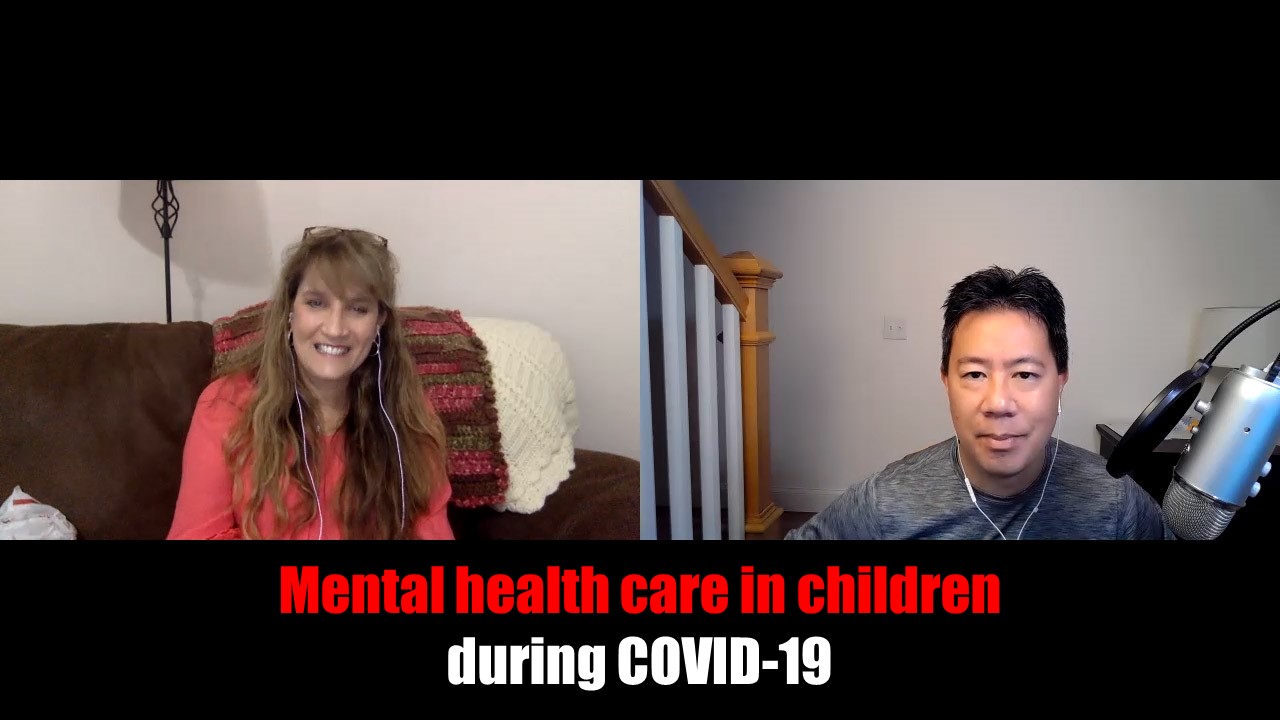
Mental health care in children during COVID-19 became one of the most important family health topics of the pandemic. The virus changed routines, friendships, classrooms, sleep schedules, family income, grief, screen time, and access to support. For some children, home felt safer and calmer. For many others, the pandemic brought anxiety, sadness, irritability, loneliness, academic stress, and behavioral changes that could not be fixed with a sticker chart and a cheerful “You’ve got this!”
The good news is that children are resilient. The better news is that resilience is not magic; it is built through steady relationships, predictable routines, honest communication, access to care, and adults who can say, “This is hard, and we are going to handle it together.” This guide explains how COVID-19 affected children’s mental health, warning signs parents should notice, and practical ways families, schools, and communities can support children during and after pandemic disruptions.
Why COVID-19 Affected Children’s Mental Health
Children thrive on rhythm. They may complain about school mornings, bedtime, and homework, but predictable routines help the brain feel safe. COVID-19 disrupted nearly every routine at once. Schools closed or shifted online, sports stopped, birthday parties moved to video calls, and ordinary childhood moments became complicated by risk calculations.
For younger children, the pandemic often showed up as confusion and clinginess. A preschooler might not understand infection rates, but they could feel the tension in the room. Elementary school children often worried about getting sick, falling behind, or losing friendships. Teenagers faced another kind of pain: isolation during a developmental stage when peer connection is not just fun, but emotionally essential.
Common Pandemic Stressors for Children
Several stressors shaped children’s emotional well-being during COVID-19. These included fear of illness, grief after the death of loved ones, family financial pressure, parental stress, reduced access to school counselors, fewer social activities, increased screen use, and uncertainty about the future. In many homes, children heard adults discussing hospitalization, vaccines, job loss, rent, or family conflict. Children are excellent emotional detectives, even when adults think they are “not listening.” Spoiler: they are listening.
Children with pre-existing anxiety, depression, ADHD, autism spectrum disorder, learning differences, trauma histories, chronic illnesses, or unstable home environments often needed extra support. For these children, the pandemic did not create challenges from scratch; it turned up the volume.
Signs a Child May Be Struggling Emotionally
Children do not always say, “I am experiencing pandemic-related psychological distress.” Sometimes they say, “My stomach hurts,” “I hate school,” “Leave me alone,” or “I can’t sleep.” Mental health symptoms in children often appear through behavior, body complaints, mood changes, or sudden shifts in habits.
Warning Signs in Younger Children
Young children may become more clingy, fearful, tearful, or aggressive. Parents might notice tantrums, nightmares, bed-wetting, appetite changes, separation anxiety, baby talk, or repeated questions about safety. A child who asks the same question twenty times is not trying to break your soul like a tiny attorney. They are often trying to make uncertainty feel predictable.
Warning Signs in School-Age Children
School-age children may show irritability, trouble concentrating, headaches, stomachaches, sleep problems, school refusal, sadness, withdrawal from friends, or perfectionism about assignments. Some children became unusually quiet; others became unusually explosive. Both reactions can be signs of stress.
Warning Signs in Teens
Teenagers may experience anxiety, depression, loneliness, hopelessness, anger, sleep reversal, loss of motivation, substance use, self-harm, disordered eating, or withdrawal from family. Teens may also hide distress because they do not want to “add more problems” to the household. That is why adults should check in gently and often, not just when grades drop or doors slam.
How Parents Can Support Children’s Mental Health During COVID-19
The foundation of children’s mental health during COVID-19 is not a perfect parenting script. It is connection. Children need adults who are calm enough to lead, honest enough to be trusted, and flexible enough to adapt when the plan falls apart at 8:03 a.m.
1. Create a Predictable Routine
A routine tells the nervous system, “We know what happens next.” During pandemic disruptions, daily structure helped children feel more secure. This did not require military precision. A basic rhythm was enough: wake up, get dressed, eat breakfast, school or learning time, movement, chores, free play, family time, and a consistent bedtime.
For children learning online, visual schedules worked especially well. A whiteboard, sticky notes, or a simple paper checklist could reduce arguments and help children see progress. The goal was not to recreate school perfectly at home. The goal was to build enough structure so the day did not feel like soup.
2. Talk Honestly, but Age-Appropriately
Children need truthful explanations in language they can handle. “There is a virus spreading, and we are doing things to help keep people safe” is more helpful than either silence or a dramatic news-style monologue. Adults should answer questions clearly, correct misinformation, and avoid giving children more detail than they need.
For younger children, reassurance should be simple and repeated. For older children and teens, conversations can include uncertainty: “We do not know exactly what will happen next, but we do know what we can do today.” This teaches coping without pretending adults have a crystal ball hidden behind the hand sanitizer.
3. Validate Feelings Before Problem-Solving
One of the most powerful tools in child mental health care is validation. Instead of saying, “Don’t be scared,” try, “I understand why you feel scared. A lot has changed.” Instead of “You’re fine,” try, “This is frustrating, and I’m here with you.” Validation does not mean agreeing with every behavior. It means helping the child feel seen before guiding them toward a healthier response.
4. Protect Sleep Like It Is a Family Treasure
Sleep is not a bonus feature. It is emotional first aid. During COVID-19, many children and teens drifted into late-night screen use, irregular waking times, and daytime fatigue. Poor sleep can worsen anxiety, depression, attention problems, and irritability.
Parents can support better sleep by keeping consistent bedtimes, limiting screens before bed, creating a calming nighttime routine, and making mornings predictable. Teens may resist, because teenagers and sleep schedules have been locked in a historic battle since the invention of weekends. Still, small improvements matter.
5. Encourage Movement and Outdoor Time
Physical activity helps regulate stress hormones, improve mood, and reduce restlessness. During lockdowns or periods of isolation, children lost recess, sports, playground time, and casual movement. Families could help by adding walks, dance breaks, bike rides, stretching, backyard games, or indoor obstacle courses.
No, every family did not need to become a fitness influencer household with matching water bottles. Ten minutes of silly movement could still help a child reset emotionally.
6. Manage Screen Time Without Starting World War III
During COVID-19, screens became classrooms, playgrounds, movie theaters, and social lifelines. The issue was not simply “screens are bad.” The issue was balance. Children needed digital connection, but they also needed sleep, movement, offline play, privacy, and face-to-face relationships when safe and possible.
Useful screen-time rules focused on timing and quality. Families could set device-free meals, charging stations outside bedrooms, breaks between online classes, and limits on doomscrolling. Parents also needed to model healthy media habits. Children notice when adults say, “Put down your tablet,” while reading pandemic headlines for the 47th time before breakfast.
The Role of Schools in Children’s Mental Health Care
Schools are more than academic buildings. They are social networks, meal providers, safety monitors, counseling access points, and places where children learn how to be humans around other humans. When schools closed or changed formats, many children lost daily support systems.
Strong school mental health support during COVID-19 included regular check-ins, access to counselors, flexible academic expectations, anti-bullying efforts, trauma-informed teaching, and communication with families. Teachers were not expected to become therapists, but they often became the first adults to notice when a child was not okay.
Helping Children Return to School
Returning to in-person school was not automatically easy. Some children felt excited; others felt anxious, socially awkward, academically behind, or worried about illness. Parents and teachers helped most when they treated re-entry as a transition, not a switch. Children needed time to rebuild stamina, friendships, attention, and confidence.
Simple supports made a difference: previewing the school day, practicing morning routines, reconnecting with classmates, meeting teachers early, and creating a plan for anxiety. For children with special needs, updated individualized supports were especially important.
When to Seek Professional Help
Many emotional reactions during COVID-19 were normal responses to abnormal circumstances. However, professional help is important when symptoms are intense, long-lasting, or interfere with daily life. Parents should consider contacting a pediatrician, therapist, school counselor, psychologist, or child psychiatrist if a child shows persistent sadness, panic, severe irritability, sleep disruption, withdrawal, self-harm, eating changes, substance use, or talk of death.
Professional support may include therapy, parent coaching, family therapy, school accommodations, group support, or medication when appropriate. Telehealth became an important option during the pandemic, helping some families access care without travel. It was not perfect for every child, but it expanded the toolbox.
Emergency Warning Signs
Seek urgent help if a child talks about suicide, makes a plan to harm themselves, gives away belongings, posts alarming messages, engages in self-injury, becomes violent, or appears disconnected from reality. It is better to overreact with care than underreact with regret.
Supporting Children Who Experienced Grief or Trauma
COVID-19 brought loss into many families. Some children lost parents, grandparents, teachers, neighbors, routines, homes, or a sense of safety. Grief in children may look different from adult grief. A child may cry one moment and ask for snacks the next. This does not mean they are “over it.” It means children process grief in waves.
Helpful grief support includes honest language, permission to ask questions, memory rituals, stable routines, and reassurance that the child is not responsible for what happened. Avoid vague phrases like “went to sleep” when explaining death to young children, because some children may then become afraid of bedtime. Clear, gentle words are kinder in the long run.
Practical Coping Tools Families Can Use
Feelings Check-Ins
Ask children to rate their day from one to ten, name a weather report for their mood, or choose a color that matches how they feel. These tools help children express emotions without feeling interrogated.
Calm-Down Plans
Create a list of coping choices before a meltdown happens. Options might include breathing exercises, music, drawing, a short walk, squeezing a pillow, journaling, stretching, or sitting near a trusted adult. The middle of a crisis is not the best time to invent a plan; that is like trying to build a boat after you are already in the lake.
Family Connection Rituals
Small rituals can protect emotional health. Try Friday pizza night, bedtime reading, morning check-ins, gratitude rounds, family walks, or a “rose and thorn” conversation where each person shares one good thing and one hard thing from the day.
Limit Reassurance Loops
Anxious children may repeatedly ask if everyone will be safe. Reassurance helps at first, but endless reassurance can feed anxiety. Parents can answer calmly, then shift to coping: “We have talked about our safety plan. Now let’s take three breaths and choose what to do next.”
Equity Matters: Not Every Child Faced the Same Pandemic
The pandemic did not affect all children equally. Families with stable housing, flexible jobs, reliable internet, safe outdoor space, and access to health care had more protective factors. Children in families facing poverty, racism, disability barriers, food insecurity, crowded housing, domestic violence, immigration stress, or limited mental health access often carried heavier burdens.
Real mental health care for children during COVID-19 must include practical support: food programs, school-based services, affordable therapy, culturally responsive care, language access, disability accommodations, and policies that support parents. A child’s mental health is not separate from the conditions around them.
What Parents Learned: Real-Life Experiences From the Pandemic Years
The pandemic taught families that children’s mental health is often shaped by ordinary moments, not just formal appointments. One parent described her seven-year-old becoming angry every morning before online school. At first, the family treated it like defiance. Later, they realized the child was overwhelmed by logging in, finding assignments, seeing classmates on screen, and hearing adults argue about work in the next room. The solution was not a long lecture about responsibility. It was a calmer morning routine, a printed checklist, headphones, and five minutes of connection before class. The anger did not vanish overnight, but it softened once the child felt less alone.
Another common experience involved teenagers who seemed “lazy” but were actually depressed or emotionally exhausted. Many teens lost sports seasons, graduations, first jobs, clubs, performances, and casual hallway friendships. Adults sometimes underestimated these losses because they were not as visible as illness. But for a teenager, missing a year of normal social development can feel enormous. Families who made space for griefwithout immediately saying “others have it worse”often had better conversations. Pain is not a competition, and teenagers usually do not respond well to emotional math.
Some families discovered that less rushing improved their children’s well-being. Children who had been overscheduled before COVID-19 suddenly had more time to sleep, draw, cook, read, garden, build, or talk. Parents noticed that not every empty space needed to be filled with an activity. This was one of the strange lessons of the pandemic: boredom, when safe and supported, can become creativity wearing sweatpants.
Other families struggled with constant togetherness. Siblings fought. Parents burned out. Children with sensory needs or attention challenges found remote learning exhausting. In these homes, mental health care meant lowering unrealistic expectations. A successful day might mean everyone ate something, the child completed one assignment, and nobody cried into a math worksheet. That counts. During crisis periods, “good enough” routines can be healthier than perfectionism.
Many parents also learned that their own stress entered the room before they did. Children often mirrored adult anxiety. When caregivers practiced self-carecalling a friend, taking a short walk, using therapy, asking for help, or simply pausing before reactingchildren benefited. This does not mean parents caused their children’s distress. It means calm is contagious, and unfortunately, so is panic.
Teachers and school counselors reported that children needed patience when returning to classrooms. Some students had forgotten social habits: raising hands, taking turns, solving conflicts without muting themselves like a video call. Others had anxiety about crowds, illness, or academic gaps. The most successful adults responded with structure and compassion. They taught routines again, allowed gradual adjustment, and remembered that behavior is often communication.
Perhaps the biggest experience families shared was this: children are more likely to heal when adults stop pretending everything is normal. The children who felt safest were not always the ones whose families had perfect answers. They were the ones who heard, “This has been hard. Your feelings make sense. We will keep working on it together.” That sentence, repeated with love, became a form of care.
Conclusion: Children Need Support, Not Pressure to “Move On”
Mental health care in children during COVID-19 is not only about what happened during lockdowns. It is about how families, schools, and communities help children recover, adapt, and grow after prolonged stress. The pandemic changed childhood in ways researchers, educators, and parents are still trying to understand. But one thing is already clear: children do best when caring adults notice their distress early, respond with warmth, keep routines steady, and connect them with professional help when needed.
Parents do not need to be perfect mental health experts. They need to be curious, consistent, and willing to listen. Ask questions. Watch behavior. Protect sleep. Encourage movement. Make room for grief. Create small rituals of connection. Work with schools. Call professionals when warning signs appear. And when the day goes sidewaysas days sometimes doremember that repair matters more than perfection.
COVID-19 tested children in ways no child should have to study for. Yet with the right support, many children can come through the experience with stronger coping skills, deeper family connection, and a clearer understanding that mental health is health. That lesson is worth carrying forward, pandemic or not.












