
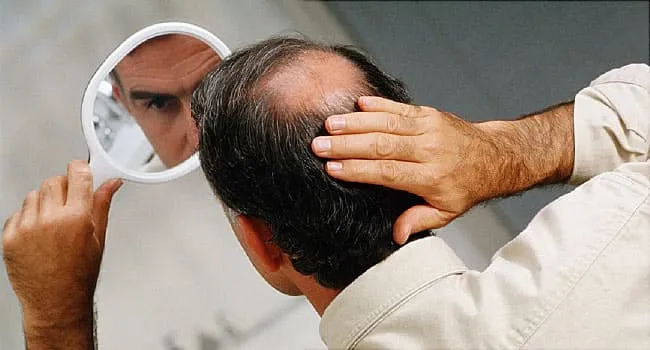
Men’s hair loss has a sneaky way of turning a normal morning into a bathroom-mirror investigation. One day your hairline looks familiar; the next day it appears to be quietly moving north for the winter. Before panic buys, suspicious miracle oils, or hat-based life planning begin, it helps to know what is actually happening.
The most common cause of hair loss in men is male pattern baldness, also called androgenetic alopecia. It is usually gradual, genetic, and linked to how hair follicles respond to androgens, especially dihydrotestosterone, often shortened to DHT. But not all thinning hair is male pattern baldness. Stress, illness, medications, autoimmune disease, scalp infections, nutritional deficiencies, tight hairstyles, and even harsh hair-care habits can all play a role.
This guide breaks down the major causes of hair loss in men, how to recognize different patterns, when to see a dermatologist, and what treatment options may help. Think of it as a calm, evidence-based conversation with your hairline—minus the dramatic soundtrack.
What Is Male Pattern Baldness?
Male pattern baldness is a hereditary form of hair loss that usually follows a recognizable pattern. Many men first notice a receding hairline at the temples, thinning at the crown, or both. Over time, these areas may expand and connect, leaving thinner coverage across the top of the scalp while the sides and back often remain denser.
The reason this pattern happens is that certain scalp follicles are genetically more sensitive to DHT. In susceptible follicles, DHT can gradually shorten the hair growth phase and shrink the follicle. The result is not that hair disappears overnight like a bad magic trick. Instead, thick terminal hairs slowly become shorter, finer, and lighter until the scalp becomes more visible.
Common Signs of Male Pattern Hair Loss
Male pattern hair loss usually develops slowly. Common signs include:
- A hairline that gradually recedes, especially around the temples
- Thinning at the crown or top of the scalp
- More scalp showing under bright light
- Hair that feels finer or less dense than before
- A widening area of thinning that develops over months or years
Because male pattern baldness is progressive, early treatment often works better than waiting until follicles have miniaturized for years. Hair loss treatment is a little like fixing a roof leak: it is easier when you still have a roof.
Why Male Pattern Baldness Happens
Three big factors usually drive male pattern baldness: genetics, hormones, and time. You can inherit risk from either side of the family, so blaming only your mother’s father is fun at Thanksgiving but not medically complete. If close relatives have experienced early or significant thinning, your odds may be higher.
Hormones also matter. DHT is made from testosterone through an enzyme called 5-alpha reductase. DHT is not “bad” by itself; it has normal roles in the body. The issue is follicle sensitivity. In men with androgenetic alopecia, certain follicles respond to DHT by gradually shrinking.
Age adds the final ingredient. Some men notice thinning in their late teens or twenties, while others keep a full head of hair for decades before changes appear. The timeline varies widely, which is why comparing hairlines with friends is not a reliable scientific study, even if everyone involved has strong opinions.
Other Common Causes of Hair Loss in Men
Although male pattern baldness is the most common cause, it is not the only one. Understanding the difference matters because treatment depends on the cause. Minoxidil may help some forms of thinning, for example, but it will not fix an untreated fungal infection or a medical condition that needs targeted care.
Telogen Effluvium: Stress-Related Shedding
Telogen effluvium is a type of shedding that can happen after physical or emotional stress. Triggers may include high fever, surgery, major illness, rapid weight loss, significant stress, or certain medications. The shedding often appears two to three months after the trigger, which can make it confusing. By the time hair starts falling out, the original cause may feel like old news.
This type of hair loss usually causes diffuse shedding rather than a neat receding hairline. Men may notice more hair on the pillow, in the shower drain, or on their hands after shampooing. The good news is that telogen effluvium is often temporary once the trigger is addressed, although regrowth takes time because hair grows on a slow schedule.
Alopecia Areata: Patchy Hair Loss
Alopecia areata is an autoimmune condition in which the immune system attacks hair follicles. It often causes sudden, round or oval patches of hair loss on the scalp or beard area. The skin in the bald patch may look smooth, and some people notice itching or tingling before the hair falls out.
Alopecia areata can affect people of any age and may come and go. Some cases regrow on their own, while others need medical treatment. Dermatologists may use corticosteroid injections, topical medicines, contact immunotherapy, or newer immune-targeting medications depending on severity and location.
Scalp Infections and Inflammation
Scalp infections can also cause hair loss. Ringworm of the scalp, known medically as tinea capitis, is caused by a fungus and may create scaly patches, broken hairs, itching, tenderness, or swollen lymph nodes. This condition requires medical treatment and can spread to others, so it is not something to ignore while hoping a new shampoo becomes a superhero.
Other inflammatory scalp conditions, such as psoriasis, seborrheic dermatitis, or scarring alopecias, can contribute to shedding or permanent loss if inflammation damages the follicle. Redness, scaling, pain, burning, bumps, or shiny scar-like skin are signs that a dermatologist should evaluate the scalp.
Nutritional Deficiencies
Hair is not the body’s top survival priority. If your body is short on important nutrients, hair growth may slow or shedding may increase. Low iron, inadequate protein intake, vitamin D deficiency, zinc deficiency, crash dieting, or eating patterns that are too restrictive can affect hair health.
That does not mean every man with thinning hair should buy a suitcase full of supplements. More is not always better, and some supplements can cause problems when taken unnecessarily. A doctor can order blood tests when deficiency is suspected and recommend targeted correction instead of guesswork.
Medication-Related Hair Loss
Some medications may contribute to hair loss in certain people. Examples can include drugs used for cancer treatment, blood pressure, depression, arthritis, gout, heart conditions, or hormone-related therapy. This does not mean you should stop a prescribed medication on your own. Instead, talk with the prescribing clinician. Sometimes another option is available; sometimes the medication is essential and hair-focused support can be added.
Traction Alopecia and Hair-Care Damage
Traction alopecia happens when repeated pulling damages hair follicles. Tight braids, buns, extensions, locs installed with too much tension, or tight headwear can contribute. Men with longer hair, certain protective styles, or frequent styling tension may notice thinning around the hairline or temples.
Heat tools, harsh chemical treatments, aggressive brushing, and repeated bleaching can also cause breakage. Breakage is not always true hair loss from the root, but it can make hair look thinner. If the ends are snapping while the scalp still has short hairs, the problem may be damage rather than follicle miniaturization.
How Doctors Diagnose Men’s Hair Loss
A dermatologist usually begins with a history and scalp examination. They may ask when hair loss started, whether it came on suddenly or gradually, whether there is itching or pain, what medications you take, what your family history looks like, and whether you recently had illness, surgery, major stress, or dietary changes.
They may use a dermatoscope, a magnifying tool that helps examine hair shafts and follicles. In some cases, blood tests can check thyroid function, iron levels, vitamin levels, or other health markers. If scarring alopecia, infection, or an unclear condition is suspected, a scalp biopsy may be recommended.
Getting the right diagnosis matters. Treating every type of hair loss like male pattern baldness is like trying to fix every car problem by adding windshield washer fluid. Occasionally helpful? Sure. Complete strategy? Not quite.
Treatment Options for Male Pattern Baldness
Treatment goals are realistic: slow further loss, strengthen existing hair, and in some cases regrow some hair. Results vary, and consistency is critical. Most legitimate hair loss treatments need months, not days, to show visible change.
Minoxidil
Topical minoxidil is available without a prescription and is commonly used for male pattern hair loss. It may help prolong the growth phase of hair and improve density in some men. It is usually applied directly to the scalp once or twice daily depending on the product instructions.
Results may take six months or longer. Early shedding can happen for some users as follicles shift cycles, which can be alarming but is not always a sign of failure. Possible side effects include scalp irritation, dryness, or unwanted hair growth if the product spreads to nearby skin.
Finasteride
Finasteride is an oral prescription medication that reduces DHT levels by blocking 5-alpha reductase. For many men with male pattern baldness, it can slow hair loss and improve hair count. It is typically taken daily and works only while it is used.
Finasteride is not right for everyone. Possible side effects may include changes in libido, sexual side effects, breast tenderness, or mood-related symptoms. Anyone considering it should discuss benefits, risks, age, medical history, and family planning considerations with a licensed clinician.
Low-Level Laser Therapy
Low-level laser devices, such as caps or combs, are marketed for hereditary hair loss. Some devices have FDA clearance, and studies suggest they may help certain people improve hair density. However, they require consistent use and can be expensive. They are best viewed as a possible supporting tool rather than a guaranteed comeback tour for every follicle.
Platelet-Rich Plasma
Platelet-rich plasma, or PRP, involves drawing a patient’s blood, processing it to concentrate platelets, and injecting it into the scalp. Some dermatologists use PRP for androgenetic alopecia because growth factors in platelets may support follicle activity. Evidence is still developing, and protocols vary, so results can differ from clinic to clinic.
Hair Transplant Surgery
Hair transplant surgery moves follicles from denser areas, usually the back or sides of the scalp, to thinning areas. Modern techniques can look natural when performed by skilled specialists. However, surgery does not stop ongoing genetic hair loss, so many patients still need medical therapy to preserve existing hair.
A good transplant plan considers future hair loss, donor supply, hairline design, age, budget, and expectations. A hairline that looks heroic at 24 may look suspiciously ambitious at 54 if not planned carefully.
When to See a Doctor About Hair Loss
Men should consider seeing a dermatologist if hair loss is sudden, patchy, painful, itchy, scaly, rapidly worsening, or associated with redness, bumps, pus, or rash. Medical evaluation is also wise if shedding follows a new medication, illness, major weight change, or if there are symptoms such as fatigue, unexplained weight changes, or signs of thyroid problems.
For typical male pattern baldness, seeing a dermatologist early can still be useful. Early treatment may preserve hair before follicles become too miniaturized. In hair loss, the calendar matters. Waiting five years to “see what happens” usually answers the question, but not always in the way people hoped.
What Does Not Usually Work
The hair loss world is crowded with dramatic promises. Be cautious with products claiming to regrow a full head of hair in weeks, permanently block baldness naturally, or work for every type of hair loss. Shampoos can help scalp health and cosmetic volume, but most do not reverse genetic follicle miniaturization by themselves.
Essential oils, scalp massages, special combs, collagen powders, and “DHT-blocking” supplements may sound appealing, but evidence is often limited compared with approved or dermatologist-guided treatments. Some may be harmless; others can irritate the scalp, interact with medications, or waste money that could have gone toward a real evaluation.
Daily Habits That Support Healthier Hair
Lifestyle cannot rewrite your genetics, but it can support better scalp and hair health. Eat enough protein, avoid crash diets, manage chronic stress, sleep consistently, treat dandruff or scalp inflammation, and be gentle with wet hair. If you smoke, quitting can support overall health and may reduce inflammation that affects skin and hair.
Choose hairstyles that do not pull tightly. Use conditioner if hair is dry or fragile. Avoid repeatedly bleaching, relaxing, or heat-styling already thinning hair. And remember that wet hair is more vulnerable to breakage, so towel-drying like you are sanding a deck is not ideal.
The Emotional Side of Men’s Hair Loss
Hair loss can feel personal. It may affect confidence, dating, work presence, photos, and the simple ability to walk past a windy street corner without negotiating with the universe. Feeling frustrated is normal. At the same time, hair loss is common, treatable in many cases, and not a measure of health, attractiveness, or masculinity.
Some men choose treatment. Some shave their heads. Some use fibers, styling products, hats, or scalp micropigmentation. Some combine several options. The right choice is the one that fits your health, budget, routine, and personality. Hair should not get to run your entire life like a tiny board of directors sitting on your scalp.
Real-Life Experiences and Practical Lessons From Men’s Hair Loss
One of the most common experiences men describe is the “denial phase.” It starts innocently. A few extra hairs in the sink? Probably normal. A slightly wider part? Must be the lighting. A friend gently mentions your crown? Clearly the friend has become an amateur dermatologist and should be ignored immediately. Many men wait until hair loss is obvious in photos before they take action. The lesson is simple: if you suspect thinning, take clear monthly photos in the same lighting. Photos are less dramatic than memory and more honest than bathroom mirrors.
Another common experience is buying too many products too quickly. A man notices hair loss, searches online, and suddenly owns three shampoos, two serums, a scalp massager, vitamins, and a mysterious bottle with a leaf on the label. The bathroom begins to look like a laboratory run by a nervous raccoon. The better approach is to identify the cause first. If it is male pattern baldness, evidence-based options such as minoxidil, prescription finasteride, laser therapy, PRP, or transplant planning may be discussed with a clinician. If it is telogen effluvium, time and trigger management may matter more. If it is alopecia areata, autoimmune-focused treatment may be needed.
Men also learn that consistency beats enthusiasm. Many start minoxidil with heroic dedication for two weeks, then forget it during a busy month and declare it useless. Hair grows slowly. Most treatments require months of steady use before results can be judged. A realistic routine is better than a complicated one. If a treatment does not fit your schedule, it may not survive contact with real life.
Another practical lesson involves haircuts. The right haircut can make thinning hair look much better. Shorter styles often reduce contrast between dense and thin areas. A skilled barber can work with recession, crown thinning, or diffuse loss instead of trying to camouflage everything with a long comb-over. The comb-over, as history has shown, fools almost nobody and becomes especially dramatic in wind.
Men who handle hair loss well often shift from panic to strategy. They ask: What type of hair loss is this? Is it progressing? Do I want medical treatment, cosmetic styling, or acceptance? What is my budget? What can I maintain long term? This mindset reduces stress and prevents impulsive decisions. Hair loss may not be fully controllable, but the response to it can be thoughtful, confident, and practical.
Finally, many men discover that other people notice hair loss less than they think. We tend to inspect our own appearance under harsh mental lighting. Friends, partners, coworkers, and classmates usually see the whole person: face, humor, energy, style, kindness, posture, and confidence. Hair matters to many men, and wanting to keep it is completely valid. But losing hair does not mean losing identity. Whether you treat it, style around it, or embrace a shaved look, the goal is not perfection. The goal is feeling like yourself again.
Conclusion
Men’s hair loss can come from male pattern baldness, stress-related shedding, autoimmune disease, scalp infections, nutritional problems, medications, traction, or hair-care damage. The most important step is identifying the cause. Male pattern baldness is common and often manageable, especially when addressed early with evidence-based treatment. Sudden, patchy, painful, itchy, or inflamed hair loss deserves medical attention.
The bottom line: do not let panic make the diagnosis. A dermatologist can help determine what is happening and which options make sense. Your hairline may be changing, but your choices are not limited to denial, expensive mystery products, or becoming emotionally dependent on baseball caps.
Note: This article is for educational purposes only and is not a substitute for professional medical advice, diagnosis, or treatment.












