
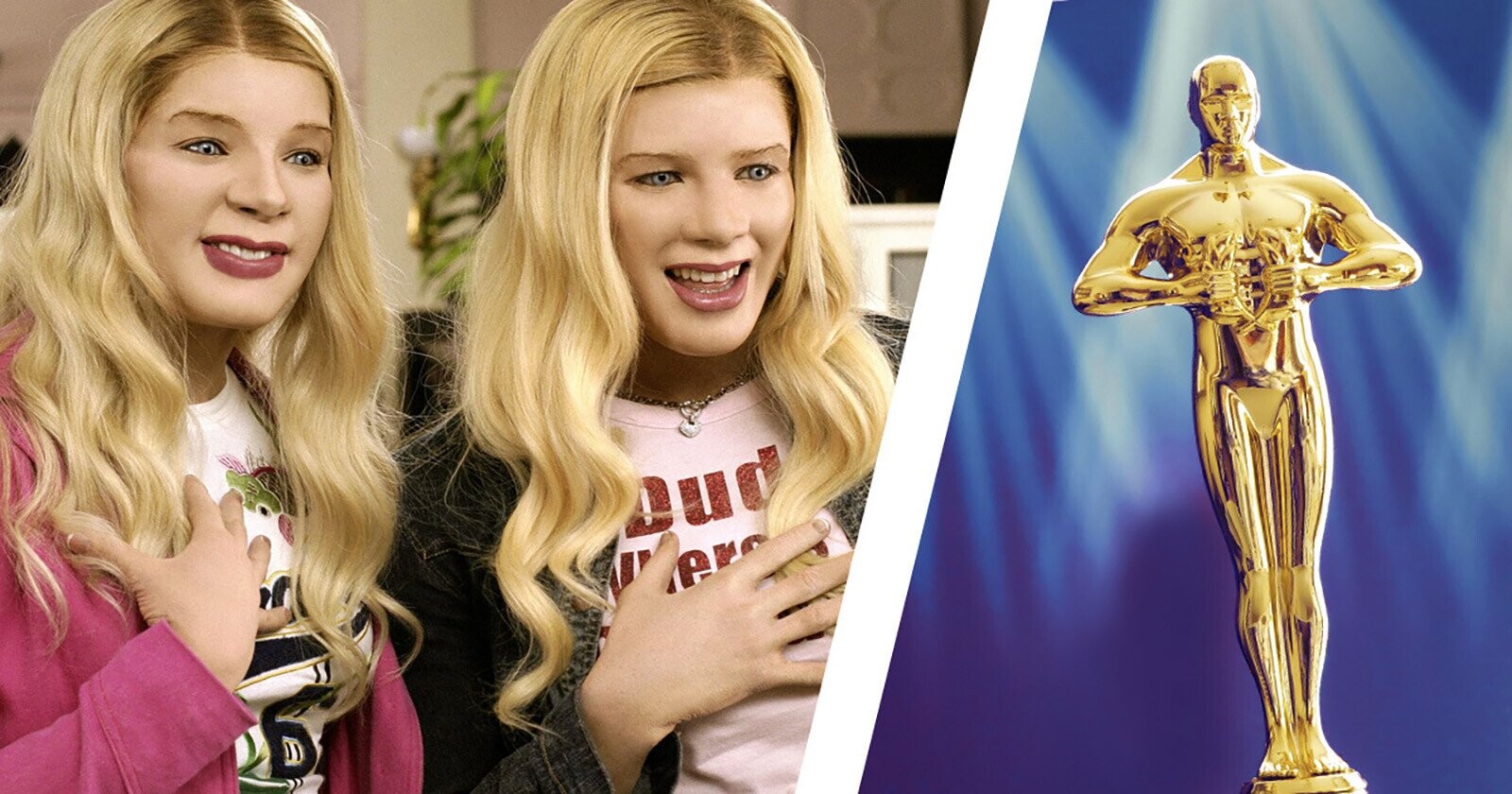
Some movies win awards. Some movies win over critics. And then there are movies like White Chicks, which arrive wearing platform heels, a tiny handbag, and enough confidence to survive a hurricane of side-eyes.
Released in 2004, the Wayans family comedy was never built to whisper politely from the corner of the room. It was loud, silly, shameless, and determined to turn every awkward social situation into a full-body pratfall. Marlon and Shawn Wayans played FBI agents forced to disguise themselves as wealthy white socialites while protecting two heiresses in the Hamptons. The concept was outrageous on purpose. The comedy was broad on purpose. And the film’s cultural footprint has only grown stranger, louder, and more durable with time.
Years after its release, Marlon Wayans doubled down on his belief that White Chicks matters because comedy should be allowed to poke at race, gender, wealth, celebrity culture, beauty standards, and social behavior without needing to wear a warning label the size of a beach towel. His argument is not that every gag is beyond criticism. Rather, it is that the movie’s willingness to be ridiculous gave audiences a way to laugh at rigid social categories that often feel far too serious.
That is why White Chicks remains more than a mid-2000s comedy with memorable one-liners and questionable fake tans. It is a cult classic that continues to spark conversations about satire, representation, nostalgia, comedy boundaries, and why Terry Crews singing “A Thousand Miles” still has the power to make a room full of adults behave like they have collectively forgotten how to act.
From Critical Punching Bag to Cult Comedy Favorite
When White Chicks first hit theaters, critics were not exactly preparing a parade float. Many reviews dismissed the movie as crude, improbable, and overly dependent on stereotypes. The prosthetics were mocked. The jokes were called juvenile. The plot was treated as less believable than a reality show reunion where everyone claims they are “here for closure.”
Yet audiences responded differently. The film earned more than $113 million worldwide, proving that moviegoers were willing to suspend disbelief if the reward was a giant dance battle, a fashion montage, and a villain whose romantic confidence could survive almost anything. Over time, White Chicks became a staple of cable reruns, sleepovers, college dorm rooms, family quote battles, and social media meme culture.
The distance between critical reception and audience affection is part of the movie’s story. Plenty of comedies become popular because they are polished. White Chicks became popular because it feels like it was made by people who were willing to push a joke until it either landed or exploded in glitter. The Wayans brothers did not make a careful prestige comedy. They made a movie designed to make people laugh loudly and, ideally, loudly enough to annoy someone in the next room.
That kind of unapologetic energy helped turn the movie into a cultural reference point. Fans still imitate the dialogue, revisit the fashion scenes, quote the dance-floor moments, and share clips whenever the internet needs a reminder that a comedy does not have to be subtle to be memorable.
What Marlon Wayans Means by Cultural Importance
When Marlon Wayans defends White Chicks, he is not simply defending one film. He is defending a broader idea about comedy: humor can be messy, provocative, and imperfect while still creating a shared experience. In his view, comedy works best when it lets audiences laugh at the strange rules people follow to belong.
White Chicks is built around performance. Marcus and Kevin Copeland do not simply wear costumes; they must learn how to move, talk, dress, react, shop, flirt, and survive within a wealthy social environment that they barely understand. Their failure to perform femininity and upper-class whiteness “correctly” becomes the engine of the film’s humor.
That setup gives the movie room to parody multiple things at once: celebrity obsession, class privilege, beauty pressure, social climbing, fashion anxiety, male insecurity, and the exhausting expectation that women must appear effortlessly perfect while doing approximately nineteen jobs at the same time. The characters’ glamorous world is exaggerated until it becomes cartoonish, but the satire works because viewers recognize pieces of real life inside the absurdity.
Wayans has argued that the best jokes can bring people together when the people being teased are also able to laugh. That is a bold standard, and it is not always easy to meet. Still, it helps explain why many fans see White Chicks as a movie that mocks social behavior more than it attacks individual identity.
Satire, Stereotypes, and the Complicated Art of Making People Laugh
The cultural conversation around White Chicks is not simple, and pretending otherwise would be less honest than pretending the Wayans brothers could realistically fool everyone in the Hamptons with a wig and some highly committed makeup.
Some viewers believe the movie relies too heavily on stereotypes about race, gender, class, and body image. Others argue that the exaggeration is the point: the film uses extremes to expose how ridiculous social expectations can be. Both reactions can exist at the same time.
Comedy often depends on tension. A joke can reveal something uncomfortable, but it can also reinforce the very assumptions it is trying to parody. That is why discussions around older comedies are valuable. They allow audiences to ask what still works, what feels dated, what made people laugh then, and what makes them hesitate now.
Wayans’ defense of White Chicks matters because it pushes back against the idea that controversial comedy should automatically disappear from culture. A movie can be funny, flawed, beloved, and worth analyzing all at once. Those qualities are not enemies. In fact, they are often the reason a film survives long enough to become a genuine cultural artifact.
The healthiest way to revisit White Chicks is not to treat it as sacred or shameful. It is to recognize that comedy changes with the audience. The movie belongs to a specific era, but its themes of identity performance, social pressure, class anxiety, and public image still feel recognizable in the age of influencers, filters, curated lifestyles, and people pretending they “just woke up like this” after apparently waking up inside a luxury skincare commercial.
Why ‘White Chicks’ Still Connects With Audiences
One reason White Chicks continues to resonate is that it understands the power of commitment. The Wayans brothers never play the disguises halfway. They commit to the characters’ personalities, body language, vanity, panic, and ridiculous confidence. The humor comes not only from the costumes but from how seriously the actors take the nonsense.
Another reason is the movie’s rhythm. The jokes arrive quickly, often before the previous joke has fully left the room. There are physical gags, reaction shots, musical moments, awkward romantic situations, and side characters who behave as though someone gave them espresso and a megaphone. The film is not asking viewers to admire its restraint. It is asking them to enjoy the ride.
The movie also survives because it has moments that became bigger than the film itself. Terry Crews’ performance of “A Thousand Miles” is one of the most recognizable scenes in modern comedy. It transformed a soft pop song into an anthem for people who are willing to sing every word with confidence, passion, and absolutely no concern for who might be watching.
That scene works because it is joyful. It is not cruel. It is not cynical. It is simply a huge, goofy celebration of a character losing himself in a song. In a movie packed with satire and social commentary, that kind of uncomplicated fun matters.
The Wayans Family Legacy Behind the Film
White Chicks did not appear out of nowhere. It came from the Wayans family’s long tradition of sketch comedy, parody, character work, and fearless exaggeration. Keenen Ivory Wayans, Marlon Wayans, and Shawn Wayans had already built a reputation for creating comedy that challenged mainstream expectations while remaining accessible to broad audiences.
From In Living Color to the early Scary Movie films, the Wayans approach often involved taking familiar cultural material and flipping it upside down. They understood that parody is not just about copying something. It is about exposing its weird habits, clichés, and contradictions.
White Chicks continues that tradition. It takes the glamorous image of wealthy socialites and turns it into a comedy playground. It takes masculinity and makes it nervous. It takes class performance and makes it look exhausting. It takes celebrity culture and reminds viewers that sometimes the most powerful person in the room is simply the one willing to embarrass themselves first.
Marlon Wayans’ continued defense of the movie is therefore also a defense of the Wayans style of comedy. It is loud, theatrical, occasionally outrageous, and willing to risk failure for the chance of a joke people will remember twenty years later.
Could ‘White Chicks’ Work in a New Era?
Fans have spent years asking about a possible sequel, and the question is understandable. Few comedies have built such a loyal afterlife. But a modern White Chicks would need more than updated wardrobes and a fresh supply of designer handbags.
It would need to understand how the world has changed. Social media has transformed celebrity culture. Beauty standards now travel through filters, cosmetic trends, viral products, and curated online identities. Wealth performs differently in public. Fame can arrive overnight through one video, one scandal, or one aggressively staged “candid” photo.
A sequel could find plenty to satirize, from influencer mansion tours to luxury wellness culture to the strange idea that drinking water from a $70 bottle somehow makes a person spiritually evolved. But it would also need to be sharper about what it is targeting. The strongest satire punches at power, pretension, and performance rather than treating identity itself as the joke.
That is the opportunity behind Wayans’ argument. He is not necessarily saying comedy should ignore cultural change. He is saying comedy should be brave enough to engage with it.
Extended Experiences: Why ‘White Chicks’ Still Feels Like a Shared Event
The experience of watching White Chicks is often more social than private. It is the kind of movie people discover through someone else’s laughter. A friend quotes a line during a car ride. A cousin starts singing “A Thousand Miles” in an overly dramatic voice. A group chat sends the same reaction image whenever someone announces questionable fashion plans. Before long, the movie becomes less like a title on a streaming menu and more like a shared language.
That shared language matters because comedy is one of the fastest ways people build connection. You may not agree with every joke in a movie, but you can still recognize the moment when an entire room starts laughing at the same scene. That reaction creates a small kind of community. For a few seconds, everyone understands the reference, the rhythm, and the ridiculousness of what they are watching.
For many viewers, White Chicks is tied to memories of growing up in the 2000s. It recalls DVD nights, television reruns, sleepovers, and the era when a movie scene could spread through schools before social media made every joke instantly available. People repeated the dialogue because it felt like a secret handshake. Knowing the reference meant you were part of the moment.
For younger audiences, the experience is different but equally interesting. They often encounter White Chicks through clips, memes, reaction videos, and conversations about whether the movie could be made today. That changes the viewing experience. Instead of discovering the film in a vacuum, they arrive with a debate already attached. They may laugh, cringe, question the jokes, defend the satire, or do all four in the same ten minutes.
That mixture of enjoyment and analysis is part of what gives the movie staying power. A disposable comedy disappears when the jokes stop landing. A cultural comedy keeps returning because people keep discussing what the jokes mean. White Chicks has become a movie that audiences revisit not only to laugh but also to compare eras. It invites viewers to notice how comedy, identity, fashion, media, and public expectations have changed.
There is also something revealing about the movie’s affection for excess. The outfits are excessive. The reactions are excessive. The insults are excessive. The dance scenes are excessive. In a world where people often try to appear polished, strategic, and emotionally brand-safe, White Chicks feels like a reminder that silliness still has value. It gives people permission to be loud, awkward, and a little bit ridiculous.
That may be the most lasting experience connected to the film. It does not ask viewers to be cool. It asks them to laugh at the performance of being cool. And that remains useful, especially in an era where almost everyone is performing something for someone.
Conclusion: A Comedy That Refuses to Leave Quietly
Marlon Wayans’ defense of White Chicks is ultimately a defense of comedy as a place where people can test social boundaries, laugh at artificial rules, and recognize the strange performances built into race, class, gender, beauty, and celebrity culture.
The film is not perfect, and its legacy should not be reduced to a simple argument about whether it is acceptable or unacceptable. Its real cultural importance comes from the fact that people are still talking about it. They still quote it, debate it, defend it, criticize it, and introduce it to new viewers who were not even born when the movie first hit theaters.
That is what a cult classic does. It survives the original reviews, outlives the trends that inspired it, and keeps finding new ways to make audiences react. White Chicks may have started as an outrageous comedy about two FBI agents in very ambitious makeup, but it became something larger: a reminder that laughter can be messy, memorable, and surprisingly hard to cancel.













