
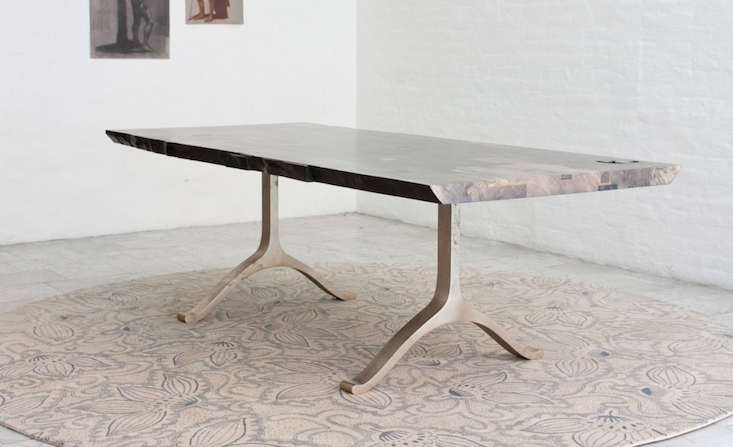
A maple slab dining table is not just a place to eat dinner. It is where pancakes meet syrup, laptops meet deadlines, homework meets mild panic, and family stories somehow become louder every year. If a dining room table could roll its eyes, a maple slab table would do it with elegance.
Known for its pale color, smooth grain, strength, and natural brightness, maple has become one of the most appealing choices for homeowners who want a solid wood dining table that feels warm without looking heavy. A maple slab dining table brings together the clean beauty of modern furniture and the organic character of a tree that once had birds, weather, and probably a squirrel with attitude living around it.
Whether you are shopping for a live edge maple table, commissioning a custom slab dining table, or simply wondering why this furniture style keeps showing up in beautiful homes, this guide explains what makes maple special, how to choose the right piece, how to style it, and how to keep it looking impressive for decades.
What Is a Maple Slab Dining Table?
A maple slab dining table is made from one or more thick pieces of maple wood, usually cut lengthwise from the tree. Instead of using many small boards with a highly processed look, a slab table celebrates the natural width, grain, figure, and personality of the wood. In many cases, the edges are left in their natural shape, creating what is known as a live edge dining table.
Not every maple slab table is live edge, though. Some have straight, squared edges for a cleaner contemporary appearance. Others keep one or both natural edges, allowing the table to feel rustic, sculptural, and organic. The defining feature is the slab itself: thick, solid, and visually connected to the original tree.
Maple slab dining tables can be built from hard maple, soft maple, curly maple, ambrosia maple, birdseye maple, or spalted maple. Each type has its own visual character. Some maple slabs look calm and creamy. Others have dramatic swirls, mineral streaks, insect trails, or shimmering figure that changes as light moves across the surface.
Why Maple Is a Favorite for Slab Dining Tables
Maple Is Strong Enough for Real Life
Dining tables do not live easy lives. They face hot plates, spilled drinks, elbows, school projects, birthday cake, board games, and the occasional person who thinks a table is a chair. Maple handles daily use well because it is a dense hardwood, especially when the table is made from hard maple.
Hard maple is commonly valued for furniture, flooring, cabinetry, butcher blocks, and work surfaces because it resists wear better than many softer woods. That makes it a smart option for a dining table that needs to look beautiful but also survive Tuesday night spaghetti.
Maple Has a Light, Fresh Look
Many slab tables are made from walnut, oak, or ash, all of which can be gorgeous. Maple stands apart because of its lighter color. It often ranges from creamy white to pale golden tones, sometimes with reddish or brown heartwood accents. This brightness makes a maple slab dining table especially useful in homes that need warmth without visual heaviness.
If walnut feels too dark and oak feels too traditional, maple often lands in the sweet spot. It looks clean, natural, and timeless. It also reflects light beautifully, which can make a dining room feel more open.
Maple Works With Many Interior Styles
A maple slab dining table can fit into more design styles than people expect. In a modern home, it softens sharp lines and adds organic texture. In a farmhouse dining room, it feels honest and sturdy. In a Scandinavian-inspired space, the light tone pairs naturally with white walls, simple chairs, linen textiles, and calm decor. In an industrial room, a maple slab with black steel legs can look bold without feeling gloomy.
That flexibility is one reason maple slab tables are so popular. They have character, but they do not demand that the entire room dress like a mountain cabin.
Hard Maple vs. Soft Maple: What Buyers Should Know
The terms “hard maple” and “soft maple” can be confusing. Soft maple is not exactly soft in the way a sofa is soft. It simply means it is generally softer than hard maple. Hard maple usually refers to sugar maple and black maple, while soft maple may include species such as red maple or silver maple.
For a dining table, hard maple is usually preferred when durability is the top priority. It has excellent resistance to dents and wear, making it suitable for busy households. Soft maple can still be used successfully for furniture, especially when properly dried, built, and finished, but it may show dents more easily over time.
That said, the right choice depends on the look, budget, availability, and craftsmanship. A well-made soft maple slab table with a quality finish can still be a wonderful piece of furniture. A poorly dried hard maple slab, however, can become a very expensive lesson in wood movement. Species matters, but construction matters just as much.
Popular Types of Maple Slabs
Hard Maple Slab
Hard maple is prized for strength, pale color, and a fine, smooth texture. It is often selected for dining tables that need a clean, refined look. The grain is usually subtle, which makes it ideal for minimalist interiors or homeowners who want the table shape to be the star.
Curly Maple Slab
Curly maple has a wavy, shimmering figure that can look almost three-dimensional under the right finish. A curly maple slab dining table is for people who enjoy drama, but in a classy way. Think “quiet luxury,” not “look at me, I brought fireworks to brunch.”
Ambrosia Maple Slab
Ambrosia maple features distinctive streaks caused by the ambrosia beetle. The result is a pattern of gray, brown, and sometimes bluish lines running through the wood. It is popular for rustic, artistic, and one-of-a-kind tables. If you want a slab with visible personality, ambrosia maple is a strong candidate.
Spalted Maple Slab
Spalted maple develops dark, irregular lines created during the early stages of fungal activity before the wood is properly dried and stabilized. When handled correctly, it can produce striking patterns. Because spalting may affect the structure of the wood, it is especially important to buy from a skilled maker who understands drying, stabilization, and finishing.
Birdseye Maple Slab
Birdseye maple is known for small, eye-like figures scattered across the surface. It is less common and often more expensive. A birdseye maple dining table can feel refined, rare, and highly collectible.
Live Edge Maple Dining Table: Natural Beauty With a Purpose
A live edge maple dining table keeps the natural outer contour of the tree. Instead of trimming the slab into a perfect rectangle, the maker preserves the irregular curves, waves, and edges that formed as the tree grew. This gives the table a sculptural quality.
The beauty of a live edge table is that no two pieces are identical. One table may have gentle curves and a quiet grain. Another may have knots, bark pockets, mineral streaks, and an edge that looks like it has a long story to tell. That uniqueness is part of the appeal.
However, live edge does require thoughtful design. Too much irregularity can make seating awkward. A dramatic edge may look amazing in a showroom but become inconvenient if guests cannot pull chairs close. The best live edge maple tables balance beauty with function.
What to Look for Before Buying a Maple Slab Dining Table
Check the Moisture Content
Wood moves as humidity changes. It expands, contracts, and reacts to the environment even after it becomes furniture. That is why proper drying is critical. For indoor furniture, maple slabs should generally be kiln dried or carefully air dried and then finished to a stable moisture level suitable for the home.
If a seller cannot explain how the slab was dried, be cautious. A beautiful table made from unstable wood can crack, cup, twist, or split. In slab furniture, patience is not optional. It is part of the product.
Look at Slab Thickness
Most high-quality slab dining tables have a substantial top, often around 1.5 inches thick or more after flattening and sanding. Thicker tops can create a bolder look, while thinner slabs may feel lighter and more contemporary. The right choice depends on the room size, base design, and visual style.
A very thick maple slab can look stunning, but it also needs the right base and proportion. Otherwise, it may resemble a beautiful wooden aircraft carrier parked in your dining room.
Inspect the Finish
The finish protects the table from moisture, stains, and everyday wear. Common finish options include hardwax oil, oil-based finishes, water-based polyurethane, conversion varnish, and other professional-grade coatings. Each has advantages.
Hardwax oil gives a natural, touchable feel and can often be spot-repaired. Polyurethane offers strong protection but may feel more like a surface coating. Matte and satin finishes are popular because they reduce glare and keep the wood looking natural.
Ask how the finish should be cleaned and maintained. A good furniture maker should provide care instructions, not just a cheerful wave and a receipt.
Study the Base Design
The base affects both style and stability. Black metal legs create a modern or industrial look. Wood trestle bases feel more traditional and substantial. Pedestal bases can improve legroom. U-shaped or X-shaped steel bases are common for live edge tables because they provide strength while keeping attention on the slab.
Make sure the base allows comfortable seating. A gorgeous table is less charming when every guest spends dinner negotiating with a table leg.
Best Chair Pairings for a Maple Slab Dining Table
Because maple is light and versatile, it works with many chair styles. For a modern look, pair it with black Windsor chairs, molded chairs, or upholstered dining chairs in cream, charcoal, or warm gray. For a rustic style, choose leather, woven seats, or simple wood chairs. For Scandinavian interiors, light oak, white, beige, or natural fabric chairs can create a calm and airy dining area.
Mixing materials also works well. Maple and leather feel warm and grounded. Maple and black metal feel crisp and contemporary. Maple and linen feel soft and relaxed. The key is contrast. If everything is the exact same wood tone, the room can look flat, like it was assembled by a very organized tree.
How to Style a Maple Slab Dining Table
Keep the Centerpiece Simple
A maple slab already has natural beauty, so it does not need a centerpiece that looks like it is auditioning for a wedding magazine. A ceramic bowl, low greenery, a linen runner, or a few candles can be enough.
Use Lighting to Highlight the Grain
Pendant lights work especially well above slab tables. Warm lighting brings out maple’s golden tones and makes the grain more visible. Avoid overly cool bulbs, which can make pale maple look flat or sterile.
Balance Organic and Clean Lines
If your table has a dramatic live edge, balance it with simple chairs and clean decor. If your maple slab has straight edges, you can add texture with woven placemats, handmade pottery, or sculptural lighting.
How to Care for a Maple Slab Dining Table
Daily care is simple, but consistency matters. Dust with a soft cloth. Wipe spills quickly. Clean with a slightly damp microfiber cloth and mild soap when needed. Avoid harsh chemicals, abrasive pads, and all-purpose cleaners that may damage the finish.
Use coasters, placemats, and trivets. Maple is strong, but it is not magical. Hot pans, wet glasses, and sharp objects can still leave marks. Do not place the table in direct sunlight for long periods, and keep it away from heating vents, radiators, and strong air-conditioning airflow.
Stable humidity is important. Extremely dry air can encourage cracking, while excessive moisture can cause swelling or movement. In many homes, a consistent indoor environment is the best protection.
If the table has a hardwax oil finish, it may need occasional maintenance oil depending on use. If it has a film finish, follow the maker’s instructions and avoid applying random polishes that may create buildup. When in doubt, ask the original maker or a professional refinisher.
Pros and Cons of a Maple Slab Dining Table
Pros
A maple slab dining table is durable, bright, timeless, and naturally unique. It works in both modern and rustic interiors. It can be refinished in the future, and when built well, it may last for generations. Maple’s pale color also helps smaller dining rooms feel lighter and more open.
Cons
Maple can be more expensive than mass-produced veneer furniture. Highly figured slabs may cost significantly more. Maple can also be challenging to stain evenly, so many people prefer clear or lightly tinted finishes. Live edge designs may require custom sizing and careful chair planning.
The biggest drawback is not really maple itself. It is poor craftsmanship. A slab that is not properly dried, flattened, supported, or finished can create problems later. Buying from a reputable maker matters.
Is a Maple Slab Dining Table Worth It?
For many homeowners, yes. A maple slab dining table is worth it if you want furniture that feels personal, durable, and visually distinctive. Unlike flat-pack tables that may look tired after a few years, a well-made maple slab table can develop character over time. Small signs of use often add to its story rather than ruining it.
It is especially worth considering if your dining room needs a focal point. The table becomes the anchor of the space. Add good chairs, warm lighting, and a few thoughtful accessories, and the room feels finished without needing much else.
Real-Life Experience: Living With a Maple Slab Dining Table
Owning a maple slab dining table feels different from owning a standard dining table. The first thing most people notice is the presence. A slab table does not quietly disappear into the room. It introduces itself. Guests usually run a hand along the edge, ask what kind of wood it is, and then say something like, “Wow, this is solid,” which is furniture-speak for “I respect this table and would not want to move it upstairs.”
In everyday life, the best part is how versatile maple feels. Morning coffee looks good on it. A laptop looks good on it. A messy pizza night somehow looks slightly more respectable on it. The light color makes the dining area feel welcoming, especially in rooms with natural light. Instead of making the space feel heavy, maple gives it warmth without darkness.
There is also a pleasant honesty to a slab table. You see the grain, the knots, the color changes, and sometimes the natural edge that once marked the outside of the tree. That character makes the table feel less like a manufactured object and more like something with a past. It is easy to imagine years of family meals, holiday gatherings, and long conversations happening around it.
Of course, the experience is not completely effortless. A maple slab dining table will teach you to respect coasters. It will also make you emotionally alert when someone places a steaming casserole directly on the surface. You may find yourself saying, “Use a trivet!” with the urgency of a person defusing a small domestic bomb. This is normal. Solid wood furniture tends to turn reasonable people into protective guardians of the grain.
Cleaning becomes a quick routine. A soft cloth handles most dust. A damp microfiber cloth takes care of crumbs, fingerprints, and the mysterious sticky spot that nobody in the house admits creating. The trick is not to overclean. Harsh sprays and aggressive scrubbing are unnecessary. Maple looks best when cared for gently and regularly.
The table also changes how the room is styled. Many owners discover that they need fewer decorations, not more. A maple slab already provides texture and visual interest. A simple bowl, fresh flowers, a linen runner, or a pair of low candleholders is usually enough. Too much decoration can cover the very thing that makes the table special.
One practical lesson is chair spacing. With a live edge slab, the sides may curve in and out, so measuring matters. A chair that fits perfectly on one side may feel tight near a dramatic natural curve. Before buying chairs, it helps to think about where people will actually sit, not just how the set looks in photos.
Another experience is the slow appreciation of detail. At first, you notice the table as a whole. Later, you notice smaller things: a ribbon of grain near one corner, a mineral streak that catches the light, the smooth transition from top to edge, or the way the finish feels under your hand. That is the quiet luxury of real wood. It rewards attention.
A maple slab dining table is not the cheapest option, and it is not for people who want disposable furniture. But if you enjoy natural materials, long-lasting design, and pieces that become part of daily life, it can be one of the most satisfying purchases in a home. It is a table, yes, but it is also a gathering place, a design statement, and occasionally the most photogenic member of the dining room.
Conclusion
A maple slab dining table combines durability, natural beauty, and timeless style in a way few furniture pieces can match. Its light color brightens a room, its hardwood strength supports daily use, and its unique grain makes every table feel personal. Whether you choose a refined straight-edge slab or a dramatic live edge maple dining table, the key is to buy a well-dried, well-built piece with a finish that suits your lifestyle.
With proper care, a maple slab table can become more than furniture. It can become the place where ordinary meals, big celebrations, and small everyday moments gather. And honestly, any table that can make leftovers feel a little more elegant deserves some applause.
Note: This article is written as original web content in standard American English and is based on practical furniture knowledge, hardwood characteristics, and real-world care recommendations for solid maple slab dining tables.












