
Note: This article discusses an ongoing wrongful-death lawsuit. Allegations are described as allegations unless confirmed by public records, official statements, or medical examiner findings.
A cruise vacation is supposed to begin with bad buffet decisions, slightly aggressive sunscreen use, and someone in the family announcing, “I’m not checking email this week,” before checking email six minutes later. But one Royal Caribbean sailing from Los Angeles to Mexico has become the center of a major controversy after a passenger was allegedly served 33 alcoholic drinks before a tragic incident that ended in his death.
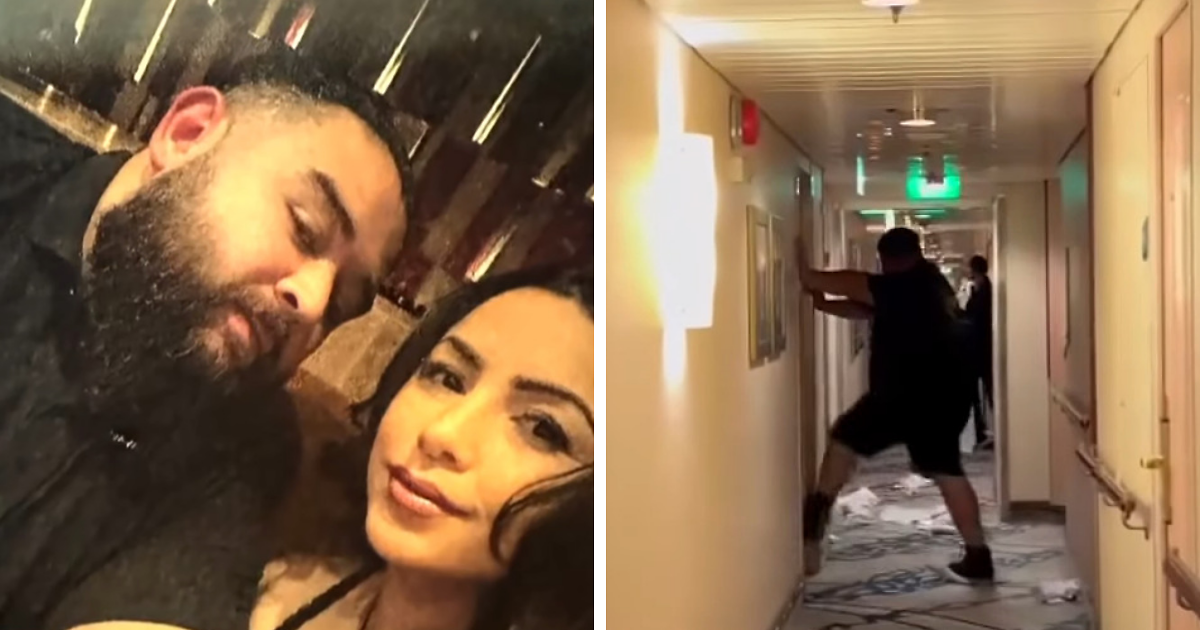
The case involves Michael Virgil, a 35-year-old California man who boarded Royal Caribbean’s Navigator of the Seas in December 2024 with his fiancée, Connie Aguilar, and their young son. According to a wrongful-death lawsuit filed in federal court in Florida, Virgil was served at least 33 alcoholic beverages in a matter of hours. The lawsuit claims that after he became visibly intoxicated, disoriented, and agitated, ship personnel restrained him, used pepper spray, and administered a sedative. He later died onboard.
The controversy has drawn attention far beyond one family’s lawsuit. It raises difficult questions about cruise ship alcohol policies, “unlimited” drink packages, passenger safety, medical response at sea, and how security teams should handle an intoxicated guest in crisis. In other words, this is not just a story about one passenger drinking too much. It is a story about what happens when a floating resort, a business model built around vacation indulgence, and a fast-moving emergency collide in the middle of the ocean.
What Allegedly Happened Aboard the Cruise Ship?
According to the lawsuit, Virgil and his family boarded the Navigator of the Seas on December 13, 2024, for a short cruise from Los Angeles to Ensenada, Mexico. The family reportedly learned that their cabin was not ready and was directed to a bar area with live music while they waited. That detail may sound ordinary to anyone who has cruised before. Boarding day often involves wandering around with bags, pretending not to be hungry, and discovering that the ship’s bar staff already knows how to pronounce “piña colada” in six emotional tones.
But the lawsuit alleges that during this waiting period, Virgil was served at least 33 alcoholic drinks. His family claims crew members continued serving him despite signs that he was obviously intoxicated. Later, he reportedly became disoriented while trying to find his cabin. Video described in news reports showed him shirtless in a hallway, yelling and kicking at a door. Some witnesses said he behaved aggressively toward passengers and crew members.
From there, the situation escalated. The lawsuit alleges that security personnel tackled Virgil, restrained him on the floor, placed body weight on him, used multiple cans of pepper spray, and administered Haloperidol, a sedative and antipsychotic medication. The complaint argues that the combination of alleged over-service, physical restraint, and medical decisions contributed to his death.
The Los Angeles County Medical Examiner ruled the manner of death a homicide and listed the cause as the combined effects of mechanical asphyxia, obesity, cardiomegaly, and ethanol intoxication. In plain English, that means physical restriction of breathing was a key factor, along with alcohol intoxication and underlying health conditions. A medical examiner’s use of the word “homicide” does not automatically mean a crime has been charged. It means death resulted from the actions of another person or people. Legal responsibility is for the courts to decide.
Why the Number “33 Drinks” Became the Center of the Controversy
The phrase “33 drinks” is what made this case explode online. It is a number so large that it practically walks into the room wearing flashing lights. Even people who enjoy a strong vacation cocktail hear it and pause. Thirty-three drinks is not a casual afternoon. It is not “I had a little fun on deck.” It is a quantity that immediately raises questions about service limits, bartender training, monitoring systems, and whether the cruise line had enough safeguards in place.
Royal Caribbean’s Deluxe Beverage Package has often been described as an all-inclusive or unlimited beverage package, though it is still subject to company alcohol policies. Royal Caribbean’s public guest conduct policy states that consuming alcohol to excess impairs judgment and reduces a person’s ability to recognize dangerous situations. It also says ship staff may refuse to serve alcohol to guests who do not consume responsibly.
That language is important because the lawsuit argues the cruise line had both the ability and responsibility to stop serving Virgil. The family’s legal claim is not simply “he drank alcohol.” Their argument is that crew members allegedly kept serving him while he showed visible signs of intoxication, then responded with excessive force when his condition became a crisis.
The cruise line has expressed sadness over Virgil’s death and said it cooperated with authorities, while declining to comment further because litigation is pending. That is typical in lawsuits of this magnitude. Companies usually avoid detailed public statements when the next audience may be a judge, a jury, and a room full of attorneys who consider commas a contact sport.
The Legal Questions: Over-Service, Duty of Care, and Restraint
This case will likely turn on several major legal questions. First, did Royal Caribbean owe Virgil a duty to monitor alcohol service and prevent over-service? Second, did crew members recognize or reasonably should they have recognized that he was dangerously intoxicated? Third, once the situation escalated, did security and medical personnel respond appropriately? Fourth, did the restraint and medical intervention contribute to his death?
Maritime law can be complicated because cruise ships operate across ports, international waters, foreign registrations, and U.S. ticket contracts. However, cruise lines generally have a duty to exercise reasonable care for passengers under the circumstances. That duty does not make them responsible for every bad choice a passenger makes, but it can make them responsible if employees create or worsen a dangerous situation, fail to intervene when danger is obvious, or respond negligently during an emergency.
The lawsuit also highlights the controversial use of prone restraint. When a person is held face-down or compressed, breathing can become difficult, especially if the person is intoxicated, struggling, obese, or medically vulnerable. Alcohol can further impair breathing and reduce a person’s ability to respond to distress. This is why many law enforcement, medical, and security discussions now treat prolonged prone restraint as a serious risk factor.
In this case, the family alleges that multiple crew members placed their full body weight on Virgil and compressed his body. If proven, that would be central to the argument that his death was preventable. Royal Caribbean, for its part, may argue that its crew faced an unpredictable, dangerous, fast-moving situation and acted to protect other passengers and staff. That tensionpassenger safety versus use of forceis exactly why the case has become so controversial.
Alcohol on Cruise Ships: Vacation Fun or Risky Business Model?
Cruise ships sell an experience. That experience includes pools, shows, dining, shore excursions, and, for many adults, alcohol. Drink packages are popular because they make budgeting simple. Pay once, swipe your card, and enjoy. No one wants to spend vacation doing cocktail math like a stressed accountant in flip-flops.
But “unlimited” alcohol creates a built-in tension. The cruise line profits when guests buy packages. Guests may feel motivated to “get their money’s worth.” Bartenders may be working in a hospitality culture where saying yes is part of the job. Add sun, excitement, motion, dehydration, long lines, and a passenger who may not have eaten enough, and a fun day can turn sideways fast.
That does not mean drink packages are inherently unsafe. Millions of passengers use them without incident. But the Virgil lawsuit asks whether cruise lines need stronger guardrails: digital drink tracking, automatic alerts after a certain number of drinks, mandatory manager review, better intoxication training, clearer refusal policies, and stronger coordination between bar staff, security, and medical teams.
On land, bars and restaurants in many states can face liability for over-serving visibly intoxicated customers under dram shop laws. Cruise ships operate under different legal frameworks, but the basic safety principle is familiar: alcohol service is not just a transaction. It carries responsibility.
The Medical Risk: Alcohol Overdose Is Not Just “Being Drunk”
One reason this case feels so alarming is that people often underestimate the medical seriousness of extreme intoxication. Alcohol does not merely make someone loud, clumsy, or emotionally convinced they should sing karaoke. At high levels, alcohol affects the brain areas that control breathing, heart rate, body temperature, consciousness, and reflexes.
Warning signs of alcohol overdose can include confusion, vomiting, inability to stay awake, slow or irregular breathing, seizures, clammy skin, pale or bluish skin, and dulled gag reflex. A person may continue to absorb alcohol even after they stop drinking, meaning the danger can worsen while they appear to be “sleeping it off.” That old phrase has done a lot of damage. Sometimes “sleeping it off” is not sleep. It is a medical emergency wearing pajamas.
In Virgil’s case, the medical examiner cited ethanol intoxication as one of the contributing factors. The lawsuit argues that the intoxication was not an isolated fact but the first domino in a chain of preventable events. If the alcohol service had stopped earlier, the family argues, the confrontation may never have happened. If the restraint had been handled differently, they argue, he might have survived.
Why Cruise Security Faces a Unique Challenge
Cruise security teams are not operating in a normal hotel lobby. They are working in a confined environment with thousands of guests, limited escape routes, maritime rules, and no immediate local police backup. If a passenger becomes violent, threatening, or dangerously erratic, crew members must act quickly to protect others.
That reality matters. Passengers and crew have a right to be safe. If someone is kicking doors, chasing people, or threatening harm, the ship cannot simply wait and hope the ocean breeze solves the problem. Security intervention may be necessary.
But necessity does not erase standards. A response still needs to be proportional, medically informed, and constantly reassessed. If a person is intoxicated, restrained, pepper-sprayed, and sedated, the medical risk increases sharply. A ship must be prepared not only to control a crisis but to recognize when control itself has become dangerous.
That is the heart of the controversy. Critics are not saying cruise ships should ignore dangerous behavior. They are asking whether the ship’s earlier alcohol service helped create the danger and whether the later response made it fatal.
The Bigger Industry Lesson: “All-Inclusive” Should Not Mean “Anything Goes”
The cruise industry has spent decades polishing the idea that ships are floating cities. That comparison is useful, but incomplete. A city has hospitals, police departments, emergency rooms, courts, ambulances, and multiple agencies minutes away. A cruise ship has trained staff, medical facilities, radios, procedures, and a captain’s authoritybut it is still physically isolated.
That isolation makes prevention more important. A problem that might be manageable on land can become more dangerous at sea. A medical emergency can be harder to evacuate. A security incident can unfold in narrow hallways. Evidence must be preserved. Family members may be trapped in the same environment where the trauma occurred. In this case, reports say Virgil’s family remained onboard after his death while the cruise continued, an allegation that intensified public outrage.
For cruise lines, the lesson is not to remove all fun from cruising. Nobody boards a ship hoping for a vacation that feels like a corporate safety seminar with towel animals. The lesson is that hospitality and safety must work together. A guest can be encouraged to relax without being encouraged to over-consume. A bartender can be friendly and still refuse service. A security team can protect others without using tactics that create avoidable medical danger.
What Passengers Can Learn From This Tragedy
For travelers, this story is a sobering reminder that alcohol at sea deserves respect. Drink packages can feel like a challenge, but they should not be treated like an Olympic event. The goal is to remember your vacation, not become the reason everyone else remembers theirs.
Passengers should pace themselves, eat before drinking, alternate alcohol with water, and pay attention to heat, motion sickness medication, sleep deprivation, and other factors that can intensify intoxication. Families and friends should also speak up early if someone appears impaired. Waiting until a person is lost, angry, vomiting, or unable to communicate clearly is waiting too long.
If someone shows signs of alcohol poisoning or severe impairment, the safest move is to contact ship medical staff immediately. Do not assume the person is merely embarrassing, dramatic, or “bad at tequila.” Confusion, trouble breathing, inability to stay awake, repeated vomiting, or extreme disorientation should be treated as urgent warning signs.
It is also wise for passengers to understand a cruise line’s conduct policy before sailing. Many guests skim ticket contracts with the same enthusiasm they reserve for printer manuals, but those policies matter. They explain rules around alcohol, behavior, security, medical care, and removal from the ship. Knowing the rules will not prevent every emergency, but it can help passengers make better decisions before vacation brain takes over.
Personal Experiences and Practical Reflections Related to the Case
Anyone who has spent time around cruises, resorts, festivals, or destination weddings has seen how quickly alcohol can shift the mood of a trip. At noon, everyone is laughing about matching shirts. By sunset, someone is arguing with a staircase. Vacation drinking feels different because normal routines disappear. People are away from work, meals happen at odd hours, the sun is stronger than expected, and the phrase “we already paid for it” starts making decisions that no responsible adult would approve in a grocery store parking lot.
One common experience on cruises is the first-day rush. Guests board excited, cabins may not be ready, luggage has not arrived, and the easiest place to wait is often a bar, pool deck, or lounge. The environment says celebration before the ship even leaves port. That is not inherently bad. In fact, it is part of the charm. The problem begins when celebration becomes momentum. A drink while waiting becomes several drinks while waiting, then a drink at sail-away, then another because the package includes it, then one more because dinner is later, and suddenly the body is running a chemistry experiment nobody approved.
Another real-world lesson is that friends and family often hesitate to intervene. Nobody wants to be the “fun police.” Nobody wants to start an argument on vacation. Many people tell themselves the person will calm down, eat something, or sleep. But intoxication can move faster than social courage. By the time someone is stumbling, yelling, getting lost, or acting out of character, the moment for polite hints has passed. A direct, calm intervention can feel awkward, but awkward is better than emergency.
Travelers should also assign a practical buddy system, especially when alcohol packages are involved. This does not need to be dramatic. It can be as simple as agreeing that no one wanders off alone when heavily intoxicated, everyone checks in before returning to the cabin, and at least one person in the group knows how to contact medical staff or security. On a ship with thousands of passengers and nearly identical corridors, even sober people can get turned around. Add heavy drinking and suddenly Deck 8 looks like Deck 9’s evil twin.
For cruise lines, the passenger experience should include invisible safety nets. Guests should not need to know whether an internal drink-tracking alert has been triggered, whether a bartender has called a supervisor, or whether medical staff has been notified about a severely intoxicated guest. Those systems should simply work. A luxury vacation brand should be able to sell fun while quietly preventing disaster.
The Virgil case also shows how emergencies affect families, not just the person at the center. A fiancée and child allegedly began the trip expecting a short family vacation and ended it facing trauma, legal questions, and grief. That human reality should not be lost in debates about drink counts, policies, and liability. Behind every viral headline is a family that cannot scroll past the story and move on.
The most useful takeaway is not “never drink on a cruise.” That is unrealistic and unnecessary for many adults. The takeaway is that alcohol, isolation, and weak safeguards can create a dangerous mix. Passengers should drink with awareness. Friends should intervene early. Cruise lines should train staff to refuse service before intoxication becomes a crisis. Security teams should use methods that protect life, not merely restore order. And everyone involved should remember that a vacation is only successful if people come home safely.
Conclusion: A Tragedy That Could Reshape Cruise Alcohol Policies
The controversy after Michael Virgil was allegedly served 33 drinks is not just about one shocking number. It is about the chain of decisions that followed: alcohol service, visible intoxication, passenger behavior, security restraint, medical intervention, and a death later ruled a homicide by the medical examiner.
The lawsuit against Royal Caribbean has not yet decided legal liability. The cruise line may present defenses, and a court will ultimately determine what happened, what should have happened, and who is responsible. But the case has already forced a larger conversation about alcohol service at sea. How many drinks are too many? When should a bartender refuse service? Should unlimited drink packages have stronger safety limits? How should crew handle intoxicated passengers who become threatening or confused? And how can cruise lines protect both the public and the impaired person at the center of an emergency?
Cruising remains a popular and often safe way to travel. But this incident is a stark reminder that “all-inclusive” should never mean responsibility is excluded. The ocean may be wide, the buffet may be endless, and the cocktails may come with tiny umbrellas, but safety must still be the first thing onboard.













