
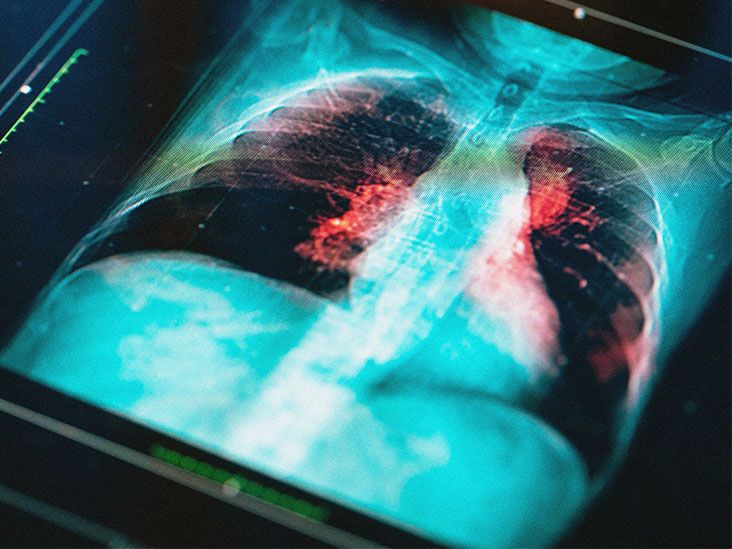
Lung cancer is often treated as a smokers-only disease, but biology did not sign that exclusivity agreement. Thousands of Americans who have never smoked are diagnosed with lung cancer every year. Some have been exposed to radon, secondhand smoke, workplace carcinogens, or air pollution. Others have tumors driven by acquired genetic changes, and many never learn exactly why their cancer developed.
This reality matters because the smoking stereotype can delay recognition. A persistent cough may be blamed on allergies. Shortness of breath may be chalked up to stress, aging, or being slightly less enthusiastic about cardio than one was in college. Meanwhile, lung cancer can grow quietly, especially during its early stages.
Understanding lung cancer in nonsmokers can help people recognize warning signs, ask about appropriate diagnostic testing, and learn why tumor biomarker results are now central to treatment planning.
Can You Get Lung Cancer Without Smoking?
Yes. In the United States, an estimated 10% to 20% of lung cancers occur in people considered never-smokers. In research, a never-smoker is generally someone who has smoked fewer than 100 cigarettes during their lifetime.
That definition is useful for statistics, but it does not explain what caused an individual case. Lung cancer develops when DNA changes allow abnormal cells to multiply, survive, and spread when healthy cells would normally stop growing or die. Tobacco smoke is a major source of those changes, but it is not the only possible source.
If lung cancer in never-smokers were classified as a separate disease, it would still represent a significant cause of cancer illness and death. It also has some biological patterns that differ from smoking-associated lung cancer.
Which type is most common in nonsmokers?
Most never-smokers with lung cancer have non-small cell lung cancer, or NSCLC. Adenocarcinoma is the most common subtype. It often begins in cells near the outer portions of the lungs and may occur in younger adults and women more frequently than other lung cancer subtypes.
Small cell lung cancer can occur in someone who does not smoke, but this is uncommon. Small cell tumors tend to grow and spread quickly and are treated differently from NSCLC.
What Causes Lung Cancer in Nonsmokers?
There is rarely a neat detective-story ending in which one exposure is identified as the culprit. Some people have several risk factors, while others have no known environmental or inherited risk. A risk factor increases probability; it does not prove why one particular person became ill.
Radon exposure
Radon is a naturally occurring radioactive gas released from soil and rock. It can enter homes through foundation cracks, construction joints, crawl spaces, pipes, and other openings. Because radon has no color, smell, or taste, a home can have an elevated level without giving residents any warning.
Radon is a leading cause of lung cancer among people who do not smoke. Testing is the only reliable way to know a home’s radon level. High levels can often be reduced using a professionally installed mitigation system that vents the gas outdoors.
Secondhand smoke
Secondhand smoke contains cancer-causing chemicals and can increase lung cancer risk in adults who have never smoked. Exposure may occur at home, in vehicles, at work, or in social settings. Opening a window or running a fan does not fully eliminate the hazard; smoke has a stubborn talent for going everywhere it was not invited.
Workplace carcinogens
Long-term exposure to asbestos, diesel exhaust, arsenic, chromium, nickel compounds, silica, and certain industrial chemicals may increase lung cancer risk. Construction, mining, manufacturing, shipbuilding, transportation, and some maintenance jobs can involve these hazards.
Risk depends on the substance, concentration, duration of exposure, protective equipment, ventilation, and other factors. Workers should follow occupational safety rules and discuss meaningful past exposures with their healthcare providers.
Outdoor air pollution
Fine particulate matter and other components of air pollution have been associated with lung cancer. An individual usually cannot trace a diagnosis to one smoggy afternoon, but long-term exposure can contribute to population-level risk.
Previous radiation treatment
Radiation therapy directed at the chest for another cancer may modestly increase the risk of developing lung cancer years later. The size of that risk depends on the radiation dose, treatment field, age at treatment, and whether the person also smoked.
Family history and inherited susceptibility
Having a close relative with lung cancer may increase risk, although shared environmental exposures can partly explain some family patterns. Most tumor mutations found in lung cancer are acquired during life and are not inherited or passed to children.
Rare inherited cancer syndromes can raise lung cancer risk. A genetics professional may be helpful when several relatives developed cancer unusually young or when a family has a known cancer-predisposition syndrome.
Acquired genetic changes in the tumor
Never-smokers with lung adenocarcinoma are more likely than smokers to have certain tumor changes that act like stuck accelerator pedals for cancer growth. Examples include alterations involving EGFR, ALK, ROS1, RET, MET, HER2, BRAF, and NTRK.
These are usually somatic changes, meaning they exist in the cancer cells rather than every cell in the body. Their importance is practical as well as scientific: several can be treated with targeted medications.
Sometimes the cause remains unknown
A person may test for radon, review occupational history, examine family history, and still have no satisfying answer. Cancer can arise through a combination of aging, random errors during cell division, environmental influences, and biological susceptibility that science cannot yet fully measure.
Not knowing the cause does not mean someone overlooked an obvious danger or “did something wrong.” Blame is not a treatment plan.
Symptoms of Lung Cancer in Nonsmokers
Lung cancer symptoms are generally similar regardless of smoking history. Early tumors may cause no symptoms, and many warning signs overlap with asthma, respiratory infections, acid reflux, allergies, or other common conditions.
Possible symptoms include:
- A new cough that does not go away
- A long-standing cough that changes or worsens
- Coughing up blood, even in a small amount
- Shortness of breath or reduced exercise tolerance
- Chest, shoulder, or upper-back pain
- Hoarseness or unexplained voice changes
- Wheezing without a clear explanation
- Repeated pneumonia or bronchitis
- Persistent fatigue
- Loss of appetite or unintended weight loss
Symptoms that may appear after cancer spreads
Advanced lung cancer can produce symptoms outside the chest. Bone pain may occur if cancer reaches the bones. Headaches, weakness, balance problems, seizures, or vision changes may occur with brain involvement. Liver involvement can cause abdominal discomfort or yellowing of the skin. Swollen lymph nodes or swelling in the face and neck may also develop.
When should you seek medical care?
Contact a healthcare professional about a persistent or unexplained respiratory symptom, particularly when it is getting worse or is accompanied by fatigue, weight loss, or recurrent infection. Coughing up blood should receive prompt medical attention. Severe breathing difficulty, major bleeding, sudden weakness, or new neurological symptoms may require emergency care.
Being a nonsmoker should not automatically end the evaluation. “But I never smoked” is useful medical history, not a diagnostic force field.
How Lung Cancer Is Diagnosed
Diagnosis usually begins with a medical history, physical examination, and imaging. A chest X-ray may reveal an abnormal area, but computed tomography provides more detailed images. Depending on the situation, clinicians may also use PET/CT, brain MRI, bone imaging, or other tests to determine whether cancer has spread.
A biopsy confirms the diagnosis
Imaging can identify a suspicious nodule or mass, but it cannot prove that the area is cancer. A tissue sample is usually needed. The sample may be collected through bronchoscopy, endobronchial ultrasound, a needle inserted through the chest wall, fluid drainage, or surgery.
A pathologist examines the sample to determine whether cancer is present and identify its type. The amount and quality of tissue matter because the laboratory may need enough material for several molecular tests.
Staging shows how far the cancer has spread
NSCLC is staged from stage 0 through stage IV. Early-stage disease is limited to the lung or nearby structures, while stage IV disease has spread to the opposite lung, distant organs, or certain body cavities. Small cell lung cancer is often described as limited-stage or extensive-stage, although a more detailed staging system may also be used.
Stage influences whether surgery is appropriate and which combinations of radiation and medication are likely to help.
Biomarker testing can change the entire treatment plan
Comprehensive tumor biomarker testing is especially important for advanced nonsquamous NSCLC and may also guide treatment in earlier stages. Testing may evaluate tumor tissue, a blood sample known as a liquid biopsy, or both.
Commonly evaluated biomarkers include EGFR, ALK, ROS1, BRAF, KRAS, RET, MET, NTRK, and HER2. Doctors may also test PD-L1, a protein that helps predict whether certain immunotherapies are likely to be useful.
A negative blood test does not always rule out an actionable mutation because a tumor may not release enough DNA into the bloodstream. Tissue testing may still be needed. Except in urgent situations, it is often wise to obtain biomarker results before starting systemic treatment because the best first therapy may be a targeted drug rather than conventional chemotherapy or immunotherapy.
Treatment for Lung Cancer in Nonsmokers
Treatment is based on cancer type, stage, tumor biomarkers, overall health, lung function, and patient preferences. Smoking history can provide context, but it does not choose the treatment. The tumor’s biology gets the louder vote.
Surgery
Surgery may offer a chance of cure when NSCLC is found early and can be completely removed. Procedures range from removing a small lung segment to removing a lobe or, less commonly, an entire lung. Nearby lymph nodes are usually sampled or removed for accurate staging.
Some patients receive chemotherapy, immunotherapy, or targeted therapy before or after surgery to reduce the risk of recurrence.
Radiation therapy
Radiation can be used after surgery, alongside chemotherapy, or as the primary treatment. Stereotactic body radiation therapy delivers highly focused doses and may be an option for small tumors in people who cannot undergo surgery.
Radiation can also relieve symptoms caused by tumors affecting the bones, brain, airways, or other locations.
Targeted therapy
Targeted drugs interfere with specific proteins or signaling pathways used by cancer cells. For someone whose tumor has an actionable driver alteration, an oral targeted medication may control cancer for a meaningful period and may cause a different side-effect pattern from traditional chemotherapy.
Examples include EGFR inhibitors and drugs targeting ALK, ROS1, RET, MET, BRAF, KRAS G12C, HER2, or NTRK alterations. The appropriate medication depends on the exact mutation, previous treatment, cancer stage, and whether the cancer has reached the brain.
Targeted therapy is not a permanent off switch. Cancer cells can eventually develop resistance, which is why follow-up scans and sometimes repeat tissue or blood testing are important.
Immunotherapy
Immunotherapy helps the immune system identify and attack cancer. It may be used alone, with chemotherapy, after chemoradiation, or around surgery in selected patients.
Never-smokers with strong driver mutations such as EGFR or ALK may benefit more from an appropriate targeted treatment than from immunotherapy alone. However, treatment decisions must be based on the complete biomarker profile rather than broad assumptions about nonsmokers.
Chemotherapy
Chemotherapy remains an important treatment for many stages of lung cancer. It may be given before surgery, after surgery, with radiation, or for metastatic disease. Modern supportive medicines can reduce nausea, infection risk, and other side effects, although fatigue, appetite changes, low blood counts, and hair loss can still occur depending on the drugs used.
Palliative and supportive care
Palliative care is specialized support for symptoms and quality of life. It can be provided alongside cancer-directed treatment from the time of diagnosis. The team may help manage pain, breathlessness, cough, fatigue, appetite loss, anxiety, sleep problems, and family stress.
Receiving palliative care does not mean abandoning treatment. It means refusing to let symptoms run the meeting.
Screening and Early Detection for Never-Smokers
Current routine lung cancer screening recommendations in the United States are primarily based on age and a substantial history of cigarette smoking. Average-risk never-smokers generally do not qualify for annual low-dose CT screening because researchers have not yet shown that population-wide screening in this group provides more benefit than harm.
Possible harms include false alarms, repeated scans, radiation exposure, anxiety, and invasive procedures for nodules that would never have caused illness.
Screening applies to people without symptoms. Someone with a persistent cough, coughing up blood, unexplained weight loss, or another concerning symptom needs a diagnostic evaluation, not a screening appointment. Never-smokers with significant radon exposure, a strong family history, or major occupational exposures can discuss individual risk with a qualified clinician.
Can Lung Cancer in Nonsmokers Be Prevented?
Not every case is preventable, but several practical steps can reduce avoidable exposure:
- Test homes for radon and reduce elevated levels.
- Keep homes and vehicles completely smoke-free.
- Follow workplace safety rules for asbestos, silica, diesel exhaust, and industrial chemicals.
- Use recommended protective equipment and ventilation.
- Monitor local air-quality reports when pollution or wildfire smoke is severe.
- Discuss a significant family cancer history with a medical professional.
- Seek evaluation for persistent respiratory symptoms instead of assuming lung cancer is impossible.
There is no supplement, detox tea, or heroic quantity of kale proven to prevent lung cancer. Healthy habits support general health, but they cannot replace radon testing, exposure controls, or medical evaluation.
Outlook and Prognosis
The outlook for lung cancer depends strongly on stage, tumor type, molecular characteristics, response to treatment, and overall health. Early-stage cancer that can be removed or treated with focused radiation may be curable. Advanced lung cancer is more difficult to cure, but targeted therapies, immunotherapies, improved radiation techniques, and supportive care have expanded treatment options.
Statistics describe large groups and cannot predict exactly what will happen to one person. Two patients with the same stage may have different biomarkers, treatment responses, medical conditions, and goals. A personalized conversation with the oncology team is more useful than treating a survival table like a fortune cookie.
Experiences Commonly Associated With Lung Cancer in Nonsmokers
The experience often begins with disbelief. A person who has never smoked may spend weeks being treated for allergies, bronchitis, asthma, or a stubborn respiratory infection. Those explanations are usually reasonable at first because common illnesses are common. Concern increases when a cough does not improve, pneumonia returns in the same area, breathing becomes more difficult, or fatigue starts interfering with ordinary life.
The shock of diagnosis
After imaging reveals a lung mass, many patients ask the same question: “How can this be lung cancer when I never smoked?” The question may be followed by frustration, anger, or an urgent search for a cause. Some patients test their homes for radon or review decades of jobs and addresses. Others feel guilty about secondhand smoke exposure they could not control.
These reactions are understandable, but cancer is not evidence of personal failure. A person does not need to identify the precise cause before deserving excellent treatment and compassionate support.
Waiting for answers
The diagnostic period can feel like a conveyor belt of unfamiliar words: nodule, bronchoscopy, pathology, staging, mutation, fusion, and PD-L1. The waiting may be harder than the procedures. One result confirms cancer, another identifies the subtype, and additional testing determines whether it has spread.
Then comes the biomarker wait. Patients may wonder why treatment is not beginning immediately. In many cases, waiting briefly for complete molecular results prevents clinicians from choosing a less effective first treatment. A biomarker such as EGFR, ALK, or ROS1 may point toward a targeted medication that changes the plan completely.
A composite patient journey
Consider a fictional but realistic example. Maya, a 47-year-old teacher who never smoked, develops a dry cough. She assumes it is seasonal allergies and later receives antibiotics for suspected pneumonia. The cough improves slightly but returns, and she notices that climbing stairs now requires a pause halfway up.
A CT scan reveals a mass in the right lung and enlarged lymph nodes. A bronchoscopy confirms adenocarcinoma. The phrase “stage IV” initially drowns out nearly everything else the oncologist says. Maya imagines that treatment options have already disappeared.
Her tumor testing identifies an ALK rearrangement. Instead of starting standard chemotherapy immediately, she begins an ALK-targeted oral medication. The treatment does not make the diagnosis easy or guarantee a particular outcome, but it gives the medical team a specific weakness to target. Follow-up imaging shows that several tumors have shrunk.
Maya still deals with fatigue, medication side effects, insurance calls, and anxiety before scans. She learns to write questions in a notebook because remembering twelve oncology terms under stress is an unreasonable pop quiz. She asks for help with sleep and joins a support group where nobody asks what she did to cause the disease.
Living with targeted treatment
People taking oral targeted therapy sometimes hear, “At least it is only a pill.” A pill can be far more convenient than an infusion, but it is still serious cancer treatment. Depending on the drug, side effects may include diarrhea, rash, swelling, fatigue, vision changes, liver abnormalities, heart effects, or lung inflammation.
Patients may need blood tests, heart monitoring, eye examinations, and repeated imaging. They should report new symptoms rather than quietly enduring them. Dose adjustments and supportive treatments can sometimes make side effects more manageable without sacrificing cancer control.
Scanxiety and uncertainty
Anxiety often increases before CT or MRI appointments. Patients may examine every ache as though it were breaking news from the cancer. This pattern, commonly called scanxiety, can occur even when treatment is working.
Helpful strategies include scheduling follow-up appointments soon after scans, limiting late-night internet searches, using counseling or relaxation techniques, and asking the medical team which symptoms need an urgent call. Support groups can also help normalize fears that friends and relatives may struggle to understand.
Dealing with stigma
One of the most painful experiences can be hearing, “Did you smoke?” immediately after sharing the diagnosis. The question may be innocent, but it can sound like an attempt to assign responsibility before offering sympathy.
A patient may respond, “No, but anyone with lungs can develop lung cancer,” or simply decline to discuss the cause. People who did smoke also deserve respectful care. Compassion should not require passing a lifestyle background check.
Practical ways to navigate treatment
Bringing another person to appointments can help with note-taking and emotional support. Patients can request copies of pathology reports, scan reports, staging information, and complete biomarker results. A second opinion from a thoracic oncology specialist may be especially valuable when the tumor has an uncommon mutation, the stage is uncertain, or several treatment choices are reasonable.
Clinical trials may provide access to new targeted drugs, drug combinations, immunotherapies, screening methods, or resistance treatments. Asking about a trial does not obligate anyone to enroll; it simply adds information to the decision.
Most importantly, the experience is not only about scans and medications. Work, parenting, relationships, finances, intimacy, and identity continue alongside treatment. Social workers, financial counselors, rehabilitation specialists, nutrition professionals, mental health clinicians, and palliative-care teams can help patients preserve as much normal life as possible.
Frequently Asked Questions
Is lung cancer in nonsmokers less aggressive?
Not necessarily. Some tumors grow slowly, while others spread rapidly. Tumor type, stage, and molecular features are more informative than smoking history alone.
Are lung cancer mutations inherited?
Most mutations found during tumor biomarker testing are acquired changes limited to cancer cells. They are different from inherited mutations. Genetic counseling may be considered when personal or family history suggests an inherited cancer syndrome.
Can a chest X-ray rule out lung cancer?
No. Chest X-rays can miss small tumors or abnormalities hidden behind other structures. A clinician may order a CT scan when symptoms or other findings remain concerning.
Should every nonsmoker receive an annual CT scan?
No. Routine low-dose CT screening is not currently recommended for all never-smokers. Diagnostic imaging may still be appropriate when symptoms or individual risk factors warrant investigation.
Does having no known risk factor affect treatment?
Treatment does not require finding the original cause. Doctors focus on cancer type, stage, biomarkers, overall health, and treatment goals.












