
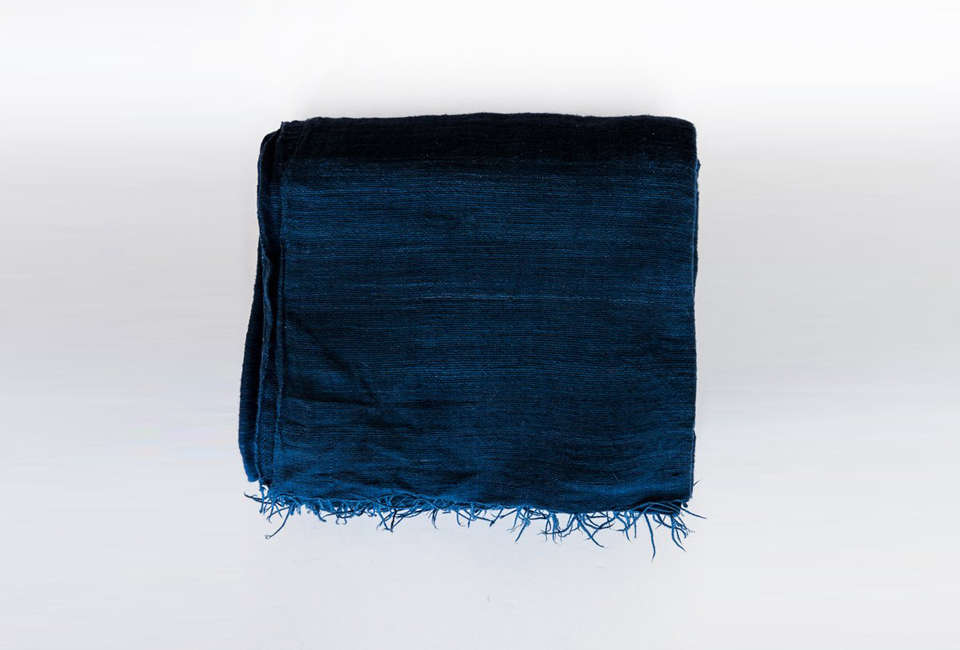
Some home accessories politely sit in a room and do their job. Lost & Found’s Ethiopian Throw does something better: it makes the sofa look like it has a passport, a backstory, and excellent taste in coffee. Soft, oversized, handwoven, and rooted in Ethiopian textile tradition, this throw is the kind of piece that turns a plain chair, bed, or reading corner into a place where people suddenly want to linger.
Originally highlighted by design tastemakers as the “Lost & Found’s Ethiopian Throw,” the piece is closely connected to the Gabi Throw currently sold through Lost & Found, a Los Angeles-based boutique known for its curated clothing, home goods, textiles, and artisan-made objects. The throw’s appeal is easy to understand: it combines the warmth of handmade cotton with the visual ease of a modern decorative blanket. It is not flashy. It is not fussy. It does not scream, “Look at me!” across the living room. Instead, it quietly improves everything around it, which is often the more stylish move.
This article explores what makes Lost & Found’s Ethiopian Throw special, how it fits into modern interiors, what to know before buying a handwoven Ethiopian cotton throw, and how to style and care for it without treating it like a museum artifact guarded by lasers.
What Is Lost & Found’s Ethiopian Throw?
Lost & Found’s Ethiopian Throw is a handwoven cotton textile made in Ethiopia and sold through Lost & Found Shop. Earlier design listings described the throw as handwoven, dyed, and embellished, with colors such as periwinkle, hydrangea, and indigo. The throw was also listed at 110 x 92 inches, making it much larger than the average accent blanket. The current Lost & Found Gabi Throw carries similar essential details: approximately 110 x 92 inches, 100% handspun cotton, handmade in Ethiopia, and individually sold.
That size matters. A standard sofa throw often measures around 50 x 60 inches, which is fine if your goal is to cover one lap and maybe one optimistic cat. At about 110 x 92 inches, this Ethiopian cotton throw behaves more like a generous coverlet, bed layer, oversized sofa throw, or relaxed summer blanket. It has enough presence to anchor a room, not merely decorate the arm of a chair.
The Story Behind the Textile
Ethiopia has a long tradition of handwoven cotton textiles, including garments and household cloths made on looms by skilled artisans. One related textile tradition is the gabi, a thicker cotton cloth often associated with warmth, wrapping, and everyday usefulness. Modern Ethiopian throws adapt that heritage for contemporary interiors, allowing the textile to move from cultural wardrobe and household use into design-conscious living rooms, bedrooms, patios, and guest spaces.
The beauty of a piece like Lost & Found’s Ethiopian Throw is that it does not feel factory-flat. A handwoven textile carries small irregularities in texture, tone, and finish. Those subtle differences are not defects; they are the point. They give the throw character. In a world where too many home products look as if they were generated by a spreadsheet with a beige mood board, a handwoven cotton throw brings back the human touch.
Why Handspun Cotton Feels Different
The throw is made from 100% handspun cotton, which gives it a different personality from synthetic fleece, acrylic knits, or mass-produced polyester blends. Cotton is breathable, comfortable against the skin, and useful across seasons. It can feel cozy in cooler weather without trapping heat the way some heavy synthetic blankets do.
Handspun cotton can also create a texture that looks relaxed rather than overly perfect. That matters in interior design because texture is what keeps a room from feeling flat. You can have the right sofa, the right wall color, and the right lamp, but if every surface is smooth and polished, the room may feel more like a showroom than a home. A woven cotton throw adds movement, softness, and depth. It is the design equivalent of saying, “Yes, this room is beautiful, but you may also sit down here with snacks.”
Design Details: Color, Scale, and Texture
Older listings for Lost & Found’s Ethiopian Throw referenced shades such as periwinkle, hydrangea, and indigo. These tones work especially well because they are colorful without being loud. Indigo and blue-based shades have a long relationship with textiles around the world, and in home decor they tend to feel calming, grounded, and easy to pair with neutrals.
The oversized scale is another major design advantage. Smaller throws can look decorative, but larger throws can transform furniture. Folded across the end of a bed, this piece can create a soft horizontal line that makes the whole room feel more finished. Draped over a sofa, it can break up a large solid color. Spread across a daybed, it can function almost like a lightweight cover. In other words, it is not just a blanket; it is a styling tool with excellent manners.
How to Style Lost & Found’s Ethiopian Throw
1. Draped Over a Neutral Sofa
If your sofa is white, cream, gray, oatmeal, or another neutral shade, an Ethiopian cotton throw can bring instant texture. Let the throw fall naturally over one arm or across the back cushions. Avoid folding it too perfectly unless you want the room to feel staged. A slightly relaxed drape looks intentional but livable.
2. Folded at the Foot of the Bed
Because this throw is generously sized, it works beautifully at the foot of a queen or king bed. Fold it lengthwise and place it across the lower third of the mattress. This creates a layered look without requiring twelve decorative pillows, which is good news for anyone who does not want a nightly pillow relocation ceremony.
3. Used as a Summer Coverlet
In warmer climates or during transitional seasons, a breathable cotton throw can serve as a lightweight cover. It adds comfort without the weight of a duvet. This makes it especially useful in guest rooms, where bedding needs to look beautiful but still accommodate different sleeping preferences.
4. Layered with Natural Materials
Pair the throw with wood, linen, rattan, clay, woven baskets, or handmade ceramics. Ethiopian cotton textiles look especially at home around organic materials because they share the same visual language: texture, warmth, and craftsmanship. A wood bench with a folded throw, a linen sofa with indigo cotton, or a clay vase nearby can create a room that feels collected rather than decorated all at once.
5. Styled Outdoors, Carefully
A handwoven Ethiopian throw can look stunning on a covered patio, porch chair, or outdoor dining bench. However, cotton is not an all-weather performance fabric. Use it outdoors for gatherings, cool evenings, or styled photos, then bring it back inside. Leaving a beautiful handwoven textile in direct sun and rain is like sending a linen shirt into a thunderstorm and hoping for character development.
Who Is This Throw Best For?
Lost & Found’s Ethiopian Throw is ideal for people who want a home textile that feels personal, tactile, and versatile. It suits shoppers who appreciate artisan-made goods, natural fibers, and pieces with cultural roots. It is also a strong choice for anyone who prefers relaxed, layered interiors over shiny perfection.
This throw works well in several design styles. In a bohemian room, it adds authenticity and softness. In a minimalist room, it provides texture without clutter. In a coastal room, blue-toned versions can echo the calm of water and sky. In a farmhouse or rustic interior, the handwoven cotton brings a softer counterpoint to wood and metal. In a modern apartment, it prevents clean lines from becoming cold.
What Makes It Different from a Regular Throw Blanket?
The biggest difference is craftsmanship. Many ordinary throw blankets are designed primarily for price, speed, and mass availability. That does not automatically make them bad, but it does mean they often lack individuality. A handwoven Ethiopian cotton throw is different because the process is slower and more human. The weave, dye, embellishment, and finishing all contribute to a piece that feels alive.
The second difference is size. Lost & Found’s Ethiopian Throw is large enough to be used in ways that typical decorative throws cannot manage. You can fold it as a bed accent, use it as a sofa layer, wrap it around yourself, or style it over furniture. It has the flexibility of a blanket, the beauty of a textile, and the scale of a coverlet.
The third difference is its design restraint. Some blankets rely on bold prints or trendy colors to grab attention. This throw leans on texture, cotton, proportion, and subtle color. That makes it more timeless. It will not look outdated just because a trend cycle decided that last year’s “must-have” pattern is now forbidden by the internet decor police.
How to Care for an Ethiopian Cotton Throw
Care should always begin with the label, especially for handwoven and dyed textiles. In general, cotton throws often do best with gentle treatment: cold water, mild detergent, and low heat or air drying when possible. Avoid bleach, harsh chemicals, and aggressive washing cycles that can stress the fibers or fade the dye.
For a handwoven throw, wash only when needed. Between washes, shake it out, air it briefly, or spot-clean small marks. If the throw has fringe or delicate embellishment, place it in a large mesh laundry bag or wash it separately to reduce tangling. When drying, avoid high heat. Heat can encourage shrinkage and can be unkind to natural fibers. If the throw emerges slightly wrinkled, congratulations: cotton is being cotton. Smooth it by hand, fold it neatly, or let the relaxed texture become part of the look.
Price and Value: Is It Worth It?
Older curated listings placed Lost & Found’s Ethiopian Throw at $198 at the time of publication, while the current Lost & Found Gabi Throw is listed at a higher price. The price reflects several factors: size, natural fiber, handspun cotton, handmade production, artisan dyeing, and the boutique retail model.
Whether it is “worth it” depends on what you expect from a throw. If you only need something to keep near the television for emergency popcorn nights, a basic cotton blanket may be enough. But if you want a piece that functions as decor, bedding, cultural craft, and everyday comfort, the value becomes easier to understand. It is not just filling space. It is adding story, texture, and usefulness.
Buying Tips Before You Choose One
Check the Dimensions
Large throws are wonderful, but measure your sofa or bed first. A 110 x 92-inch textile may be perfect for a queen bed or generous sofa, but it can overwhelm a small accent chair unless folded carefully.
Look Closely at Color
Hand-dyed textiles may vary slightly from photos. That variation is part of the charm, but shoppers should expect nuance. If your room depends on an exact shade of blue, remember that screens lie more often than toddlers near cookie jars.
Consider the Weight
Cotton throws can range from light and gauzy to thick and substantial. Ethiopian cotton pieces are often valued for being breathable yet warm. Think about whether you want a decorative layer, a functional blanket, or both.
Respect Handmade Variation
Small differences in weave, edge finish, or color are normal in artisan textiles. These details are not flaws. They are evidence that a person made the piece, not a machine trying to erase all personality.
Experience: Living with a Throw Like This
The best way to understand Lost & Found’s Ethiopian Throw is to imagine how it behaves in daily life. On the first day, it may be the “nice throw,” the one you fold carefully and warn everyone not to touch. By the third day, someone has already wrapped it around their shoulders during a late-night movie. By the end of the week, it has become part of the room’s rhythm. That is when a home textile proves itself.
A throw like this is especially satisfying in a living room that needs warmth but not clutter. Picture a simple linen sofa, a wood coffee table, a ceramic bowl, and this Ethiopian cotton throw draped over one side. Suddenly the room feels less like a furniture catalog and more like an actual place where a thoughtful person lives. It softens hard edges, adds depth to neutral colors, and gives guests a visual clue that comfort is allowed.
In a bedroom, the experience is quieter but just as effective. Folded at the foot of the bed, the throw makes plain bedding feel layered and intentional. It can also solve the classic household temperature conflict: one person sleeps like a furnace, the other like a Victorian ghost in need of a shawl. A breathable cotton throw adds an extra layer without forcing everyone under a heavy comforter.
For reading corners, the throw becomes almost ceremonial. Keep it over the back of a chair with a small side table and a lamp. The texture invites use. It says, “Sit down. Open the book. Ignore the laundry for twenty minutes.” That invitation is part of good design. The best objects do not simply decorate a room; they encourage better habits inside it.
Another real-life advantage is flexibility. When guests arrive, the throw can move from sofa to bed. During a dinner party, it can warm a patio bench. On a lazy Sunday, it can become the blanket everyone reaches for. It is decorative enough to leave visible and functional enough to justify its place. That combination is rare. Many home accessories are beautiful but useless; others are useful but visually tragic. Lost & Found’s Ethiopian Throw manages to be both handsome and hardworking.
The experience also changes how you think about buying fewer, better things. A handwoven cotton throw has a slower kind of value. It may not be the cheapest option, but it has longevity in style and purpose. Instead of chasing seasonal decor, you can move the same piece around the home and let it refresh different spaces. One month it belongs on the bed. The next, it lives on the sofa. Later, it becomes the finishing touch in a guest room. It earns its keep without demanding attention.
Conclusion
Lost & Found’s Ethiopian Throw is more than a pretty blanket. It is an oversized, handwoven cotton textile with roots in Ethiopian craft and a natural place in modern interiors. Its appeal comes from a rare mix of qualities: breathable cotton, generous scale, artisan texture, subtle color, and everyday usefulness. It can dress up a sofa, soften a bed, warm a reading chair, or add soul to a minimal room.
For shoppers who appreciate handmade home goods, this throw offers something mass-produced blankets often cannot: character. It looks collected, not copied. It feels relaxed, not careless. It is stylish, but not so precious that it forgets its main job is to be used. In the world of home decor, that is a very good thing. After all, a throw should not just sit there looking beautiful. It should make the room better, the evening cozier, and the person wrapped inside it slightly less interested in answering emails.











