
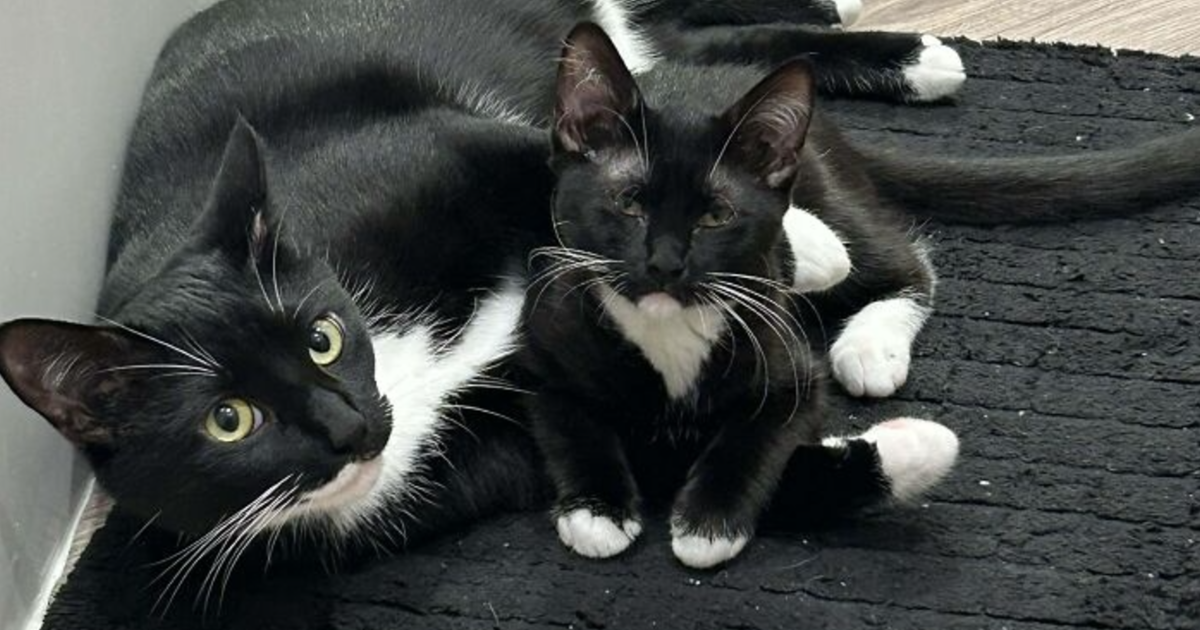
Some cats look cute. Some cats look mysterious. And then there are tuxedo cats, who somehow manage to look like they’re on their way to a black-tie gala while simultaneously falling off the back of the couch because they got distracted by a dust bunny. That contrast is exactly why the internet can’t get enough of them. A tuxedo cat walks into a room and instantly brings the energy of a distinguished wedding guest, a grumpy hotel manager, and a tiny furry criminal who absolutely knocked your water glass off the table on purpose.
That’s the magic of the tuxedo cat. The coat says “formal event.” The behavior says “I licked a plastic bag at 3:12 a.m. and now I have opinions.” Put 47 of these black-and-white comedians in one collection and you do not just get pretty pet photos. You get a full-blown study in visual elegance colliding headfirst with feline nonsense.
And yes, there is real cat science behind the charm. Tuxedo cats are not a breed. They are a coat pattern, usually a black-and-white bicolor pattern that can appear in mixed-breed cats and in many pedigreed breeds as well. That means the dramatic chest bib, those little white socks, the accidental milk mustache, and the “buttoned-up but barely functioning” expression are style choices written by genetics, not a separate species of tiny butlers. In other words, tuxedo cats are regular cats wearing nature’s most overachieving outfit.
What Makes a Tuxedo Cat a Tuxedo Cat?
Let’s settle the bow tie before it gets crooked: a tuxedo cat is defined by pattern, not pedigree. The black-and-white look falls under the broader umbrella of bicolor coat patterns, and that’s why tuxedo markings show up in all kinds of cats. A domestic shorthair can wear the look. A longhaired cat can wear the look. Some pedigreed cats can wear the look too. The result may be classic and symmetrical, with a white chest and white paws, or it may be delightfully chaotic, like a formal outfit assembled in the dark by a raccoon with strong opinions.
That unpredictability is part of the appeal. One tuxedo cat may look like a stern headmaster. Another may look like an accountant who moonlights as a jazz pianist. A third may have one white whisker patch that makes it seem permanently shocked by its own reflection. The coat pattern creates a naturally expressive face, and humans are helpless against expressive faces, especially when they belong to creatures who sit in sinks as if they pay rent.
Elegant? Yes. Refined? Debatable.
The sleek contrast of black and white makes tuxedo cats look polished even when they are doing things that are objectively ridiculous. They can be mid-yawn and still look like they’re politely disagreeing at a fundraiser. They can be stretched across a pile of unfolded laundry and somehow appear to be judging the fabric quality. No wonder so many tuxedo cat photos feel instantly funny before anything even happens. The coat itself sets up the joke.
It helps that black-and-white markings visually highlight movement. A white paw reaching out from under the couch. A bright chest patch puffed out during a dramatic hallway sprint. A neat little chin held high before a completely unnecessary leap. Tuxedo cats look like performers because their markings make every pose seem intentional, even when it definitely is not.
Why 47 Tuxedo Cats Can Feel Like 47 Different Personalities
One of the biggest myths around coat patterns is that they automatically determine personality. Cat lovers love a good stereotype, but real life is much messier and much more fun. A tuxedo cat may be cuddly, aloof, chatty, athletic, cautious, clingy, or gloriously weird. Coat color alone does not hand out a fixed personality package with a warranty card.
That’s actually great news for anyone who adores tuxedo cats. It means every single one of the 47 little formal goofballs in a photo roundup gets to be memorable in a different way. One is the lap cat who arrives like a weighted blanket with whiskers. One is the hallway speed demon who treats the house like an Olympic venue. One specializes in sitting upright like a Victorian widow who has received troubling news about the tuna supply. Another prefers to hide inside grocery bags and emerge with the confidence of a stage magician.
The pattern may be similar, but the comedy styles vary wildly. Tuxedo cats come with range.
Why the Internet Treats Tuxedo Cats Like Tiny Celebrities
It is not hard to understand the appeal. Tuxedo cats are photogenic without trying, and that is deeply unfair to the rest of us. They benefit from natural contrast, symmetrical-looking markings, and an overall appearance that reads “fancy” from a distance. Then you zoom in and discover they are sleeping with one leg straight in the air like a malfunctioning candelabra.
That visual contradiction fuels nearly every viral tuxedo cat moment. A dignified coat pattern creates the expectation of poise. The cat then ruins that expectation in under two seconds by sitting in a cereal box, staring into a wall, or making eye contact while pushing an object to the floor at a speed best described as ceremonial. Comedy thrives on contrast, and tuxedo cats are basically walking contrast.
They also tend to look especially expressive in still images. Their markings can accentuate eyebrows, cheeks, noses, bibs, and paws in a way that makes every glance feel dramatic. A sleepy squint becomes a tired CEO face. A side-eye becomes a full legal complaint. A little white muzzle turns an ordinary meow into what looks like a scandalized gasp. You are not just looking at a cat. You are watching a one-animal silent film.
The 47-Tuxedo-Cat Effect: A Gallery of Accidental Formal Comedy
Imagine scrolling through 47 tuxedo cats in a row. By cat number five, you think you understand the theme. By cat number twelve, you realize you do not. By cat number twenty-three, you are laughing at a creature whose only visible act is standing on a printer with the self-importance of a regional manager. By cat number forty-seven, you have fully accepted that elegance and nonsense are not opposites. In cats, they are roommates.
Some tuxedo cats wear little white socks so crisp they look ready for ballroom dancing, right up until they use those same feet to slap a pen off your desk. Some have narrow white chest markings that make them look like they forgot their vest. Some have broad white bellies that say “formalwear up top, snack enthusiasm below.” Some come with half-masks, asymmetrical whisker pads, or tiny chin spots that make them appear to have very strong thoughts about dinner service.
That variety is why a big tuxedo cat roundup feels so satisfying. You get repetition and surprise at the same time. Every cat belongs to the same aesthetic club, but each one interprets the dress code differently. One looks like a maître d’. Another looks like a pianist. Another looks like a detective in a children’s cartoon. Another looks like it lost a fight with powdered sugar. Together, they form a complete collection of feline formal chaos.
Do Tuxedo Cats Need Special Care?
Not because they are tuxedo cats. Because they are cats. And cats, even the ones who look like they should come with cufflinks, still need the same core care as any other feline roommate. They need routine veterinary care, appropriate nutrition, play, clean litter boxes, scratching options, safe indoor living, and enough mental stimulation to keep their brains from turning your curtains into a side project.
Regular grooming matters too, even for cats that seem fully committed to self-management. Most cats do a good job keeping themselves clean, but brushing helps reduce loose hair, shedding, and hairballs while giving you a chance to notice skin or coat changes. For longhaired black-and-white cats, grooming can also help keep that dramatic coat looking less “runway model” and more “recently lost a duel with a blanket.”
Play is non-negotiable. Cats are hunters by design, and indoor life works best when it gives them chances to stalk, pounce, climb, scratch, perch, and observe. That matters for the shy tuxedo cat who prefers structured play and for the extroverted tuxedo cat who has already tried to supervise your video calls. A cat tree by a window, rotating toys, food puzzles, and short interactive play sessions can do wonders for behavior and mood.
And then there is the litter box, the true foundation of civilized indoor cat society. Clean boxes, quiet locations, and a setup that respects the cat’s preferences save a lot of stress for everybody. A tuxedo cat may look like a distinguished gentleman, but he will still file an immediate protest if the litter situation does not meet union standards.
Why Tuxedo Cats Feel So Human in the Funniest Ways
Part of the tuxedo cat obsession comes from how absurdly easy they are to anthropomorphize. Their markings make them look dressed, and once a creature looks dressed, the human brain goes absolutely wild. Suddenly the cat is not loafing on the armchair. The cat is “waiting for the quarterly report.” The cat is not begging for tuna. The cat is “requesting a dining adjustment.” The cat is not staring at you from the stairs. The cat is “silently questioning your leadership.”
Tuxedo cats encourage this kind of storytelling because they already look like they belong in one. They seem built for captions, reactions, and accidental memes. Their faces suggest backstory. Their poses suggest office politics. Their white paws suggest tiny gloves, which is objectively adorable and emotionally destabilizing.
But underneath all the jokes is something sweet: tuxedo cats remind people that personality matters more than perfection. They look polished, yet they act like total weirdos. That combination feels relatable. Who among us has not tried to appear composed while internally being one startled cucumber away from losing it?
The Real Reason These 47 Tuxedo Cats Work So Well
The best tuxedo cat content is not just “look at this pretty cat.” It is “look at this pretty cat doing something unbelievably unglamorous.” That formula works because it blends beauty, surprise, and recognition. We admire the coat. We laugh at the behavior. We recognize the personality. Suddenly a simple cat photo becomes a tiny story.
And that is what these 47 tuxedo cats really prove. Sophistication is not the opposite of silliness. In cat form, sophistication is often just silliness wearing a formal jacket. Tuxedo cats do not maintain elegance by avoiding chaos. They maintain elegance by dragging chaos through the living room and somehow still looking camera-ready.
So yes, they are beautiful. Yes, they look expensive. Yes, they appear to have opinions about proper table settings. But they are also masters of overreaction, blanket theft, cardboard worship, midnight zoomies, and deeply suspicious refrigerator inspections. That’s why people love them. They do not just wear the tux. They ruin the tux in the funniest possible ways.
More Tuxedo Cat Experiences That Perfectly Capture the Vibe
If you have ever lived with a tuxedo cat, you already know the experience is less like owning a pet and more like sharing a home with a tiny, overdressed improv actor. The day starts with ceremony. Before you have had coffee, there is a black-and-white face at the edge of the bed, staring at you with the expression of someone who cannot believe the kitchen is still closed. Breakfast is not requested. It is reviewed, assessed, and sometimes rejected with the offended dignity of a restaurant critic who ordered the halibut.
Then comes the morning patrol. A tuxedo cat does not simply walk through the house. It conducts inspections. Windows are checked. Hallways are crossed with importance. Sunbeams are occupied as if reserved in advance. If there is a new box, bag, basket, or folded blanket, the tuxedo cat will approach it like a luxury real estate investor examining a promising property. Within minutes, it will be occupied. Ownership has transferred. Paperwork is unnecessary.
There is also the performance aspect. Tuxedo cats have a special talent for choosing the funniest possible setting for total seriousness. They will sit upright in the middle of a rumpled bed and look like the dean of a very chaotic university. They will place one perfect white paw over the edge of a chair and suddenly resemble a retired movie star. Then, without warning, they will attempt to chase their own tail, miss completely, and slide into a slipper. The dignity returns instantly, of course. Nothing happened. You imagined it. Please do not mention the slipper incident again.
Guests tend to fall for tuxedo cats especially fast. The coat pattern makes people assume grace, restraint, and old-money manners. That illusion often lasts about thirty seconds. The cat may greet visitors with refined calm, then immediately sniff inside a handbag, steal a hair tie, and sprint out of the room like a jewel thief. Or it may sit politely near the group conversation, looking deeply engaged, only to interrupt by yelling at an invisible problem in the hallway. Tuxedo cats are excellent at making first impressions and even better at destroying them in charming ways.
At night, the entire persona somehow gets even funnier. In dim light, a tuxedo cat can look like a floating white bib with eyes. You turn the corner and nearly jump because the cat is sitting silently on the stairs like a ghost who expects room service. Later, when the house is quiet, the tuxedo cat may decide this is the ideal moment to sprint from one end of the home to the other, leap onto a chair, ricochet off a cushion, and finish by staring at you as if you are the disruptive one.
And yet, for all the comedy, tuxedo cats are memorable because they balance absurdity with affection. After a day of dramatic supervision and completely unnecessary acrobatics, many of them curl up nearby with that same formal little chest puffed out, looking impossibly neat and sweet. It is hard not to melt a little when a creature that spent the afternoon attacking a sock now settles beside you like a tiny gentleman at peace. That is the tuxedo cat experience in one perfect snapshot: elegance, chaos, confidence, nonsense, and a surprising amount of heart.
Conclusion
Tuxedo cats are proof that appearances can be gloriously misleading. They look polished, poised, and ready for a gala, yet they spend much of their time doing things that would get any human immediately removed from the event. That is exactly why they are irresistible. These 47 tuxedo cats do more than look sophisticated. They turn sophistication into a punchline, a personality trait, and an art form. If style is timeless, then tuxedo cats have clearly decided it should also be hilarious.











