
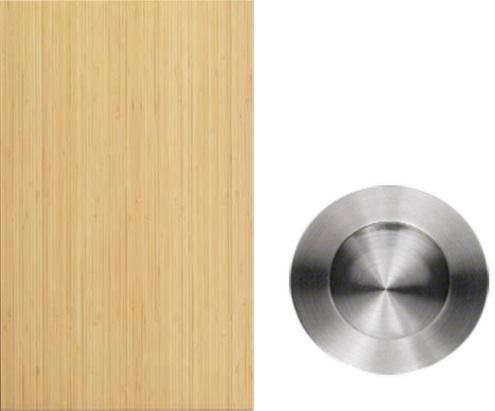
If you have ever stared at a gorgeous slab cabinet or a pocket door and thought, “This looks sleek, but what on earth am I supposed to grab?”, welcome to the wonderfully specific world of Linnea flush pulls and knobs. It is a niche, yes. But it is the kind of niche that quietly transforms a room from “nice remodel” to “someone here clearly has standards.”
Linnea has built a reputation around modern architectural hardware that looks clean, feels substantial, and avoids the visual clutter that cheaper hardware often brings to the party. In plain English: these pieces are small, but they do a lot of heavy lifting. Flush pulls sit neatly inside the door or drawer face, finger pulls create a crisp linear edge, and knobs add just enough grip without screaming for attention like a brass disco ball on a minimalist cabinet.
This guide breaks down what makes Linnea flush pulls, pulls, and knobs worth considering, where they work best, how to choose the right style, and what real-life use feels like once the novelty of new hardware wears off and you are just trying to open the pantry before coffee.
What Makes Linnea Hardware Stand Out?
The short answer is this: modern design, practical grip, and durable stainless-steel construction. The longer answer is a bit more fun.
Linnea hardware tends to live in that sweet spot between architectural minimalism and daily usability. A lot of ultra-modern hardware looks amazing in photos and then becomes mildly annoying in real life. It is too sharp, too tiny, too slippery, or too committed to the visual concept of being invisible. Linnea generally avoids that trap by pairing sleek forms with grip details that actually help: deep buckets on flush pulls, shaped lips on finger pulls, or grooves and softened edges on knobs.
Materials and Finish Language
One of the biggest selling points is the brand’s frequent use of 304 stainless steel hardware. That matters because cabinet and door hardware gets touched constantly, exposed to moisture in kitchens and baths, and judged harshly whenever fingerprints show up like uninvited guests.
Linnea’s finish palette is especially useful for modern interiors. If you like cool, contemporary spaces, satin and polished stainless finishes feel right at home. If you want warmth without going full farmhouse, black and brass-toned PVD finishes help soften the look while keeping the profile crisp and contemporary.
Why Designers and Homeowners Like the Brand
Linnea pieces often work best in spaces where the cabinetry or doors should be the star. Think flat-panel kitchen cabinets, pocket doors, hidden pantries, office built-ins, closet systems, and sleek bathroom vanities. The hardware supports the design instead of hijacking it. That is a compliment, by the way.
Linnea Flush Pulls: The Clean-Lined MVP
Flush pulls are the heroes of doors and drawers that need hardware without projection. Because they sit recessed into the surface, they help maintain a flat profile and reduce the chance of snagging clothing, bags, or your hip during one of those dramatic kitchen turns that happen when dinner is running late.
What a Flush Pull Actually Does
A flush pull is recessed into the face of a door or drawer so the grip area is either flush or nearly flush with the surface. This makes it especially useful on:
Sliding doors, pocket doors, hidden storage panels, narrow passageways, minimalist cabinets, and furniture pieces where projecting pulls would look bulky or get in the way.
Why Linnea Flush Pulls Get Attention
Linnea’s flush pull lineup is appealing because it covers several popular shapes and sizes instead of forcing every project into one look. You will find round recessed pulls, square options, and oblong designs that feel more elongated and architectural. Some models have a deeper bucket and a slight interior lip for better grip, while flatter styles create a more understated look.
That difference matters. If you are specifying hardware for a pantry slider that gets used twenty times a day, a deeper bucket can feel noticeably better than a pretty-but-fussy shallow recess. On the other hand, if the door is used less often and the design goal is maximum visual calm, a flatter flush pull may be the better match.
Popular Linnea Flush Pull Shapes and Sizes
Linnea’s cataloged flush pull family includes smaller recessed pulls around the 50 mm and 66 mm range, larger round formats, and elongated pieces in the 102 mm, 150 mm, 300 mm, and 375 mm family. That makes it easier to scale the hardware to the application.
For example, a smaller round pull can look great on a compact cabinet door or built-in panel. A larger oblong or long rectangular flush pull makes more sense on a full-height pantry door, closet slider, or wide passage door where a tiny grip would look lost and feel awkward.
In other words, size matters. Your minimalist door still needs to be opened by an actual human, not by a design mood board.
Linnea Pulls and Knobs: Small Details, Big Personality
While flush pulls often get the architectural spotlight, Linnea knobs and cabinet pulls deserve plenty of love too. This is where the brand gets especially useful for kitchens, baths, mudrooms, bars, and laundry spaces that need a coordinated hardware story.
The Knobs
Two standout examples from Linnea’s lineup are the 7 series knob and the 19 series knob. They are both minimalist, but they offer different personalities.
The 7 series has a softer, almost mushroom-like or inverted-cone profile with smoothed edges. It reads a little more sculptural and works well when you want something simple but not boring. It is a good fit for smaller drawers, nightstands, bath vanities, or compact cabinet doors where a full pull might feel too busy.
The 19 series is more cylindrical and features an indented groove that improves grip. It feels slightly more industrial and a little more assertive. If you want a knob that still looks minimalist but gives the hand a more obvious place to land, this style makes a lot of sense.
The Edge and Finger Pulls
Linnea’s cabinet pull collection includes several slim, modern pieces that bridge the gap between a flush look and easy usability. Models in the 220, 221, 222, 223, and 224 family are especially relevant if you like the look of hidden hardware but still want a defined gripping edge.
These finger-pull and edge-pull styles are popular on slab cabinet fronts because they create clean horizontal or vertical lines without adding bulky projection. Some are available in a wide range of lengths, from compact pieces suited to small drawers to much longer pulls that stretch across wide drawer fronts for a high-end, built-in appearance.
If your dream kitchen vibe is “European minimalist with a functioning snack drawer,” this is the lane.
How to Choose Between a Flush Pull, a Pull, and a Knob
Choose a Flush Pull If…
You are working with pocket doors, sliding doors, or cabinetry where projection would be annoying or visually disruptive. Flush pulls are ideal when you want the cleanest possible face and are comfortable with recessed hardware.
Choose a Finger Pull or Edge Pull If…
You want a modern, linear look on slab cabinetry but still need a straightforward grab point. This is often the best middle ground for kitchens and bathrooms because it keeps the profile lean without requiring routed recesses in every door front.
Choose a Knob If…
You want a classic, compact touchpoint that works especially well on smaller cabinet doors and drawers. Knobs can also soften a very stark space and make cabinetry feel just a bit more approachable.
A practical formula is this: flush pulls for sliding doors, finger pulls for minimalist cabinetry, knobs for smaller openings or where you want a slightly friendlier look.
Installation and Placement Tips
Even great hardware can look mediocre if it is installed badly. Crooked cabinet pulls are the design equivalent of spinach in your teeth. Everyone notices, and nobody says anything for a while.
Measure Center-to-Center Correctly
When buying cabinet pulls, pay close attention to center-to-center spacing. This is the distance between the centers of the screw holes. It is the measurement that determines whether the pull fits your existing holes or whether you will be filling, drilling, and saying words your cabinets do not deserve to hear.
Use Templates and Test Placement First
If you are installing new hardware, use a template or jig. For cabinets, temporary positioning with removable adhesive putty can help you preview the look before committing. This is especially important when mixing knobs and pulls in the same room.
General Placement Rules
For many cabinet doors, knobs and pulls are commonly placed a few inches from the outer edge for comfortable leverage. On drawers, smaller fronts often use one centered knob or pull, while wider drawers may look and function better with two. Finger pulls usually work best when aligned flush to the edge so the hardware reads as one continuous line across adjacent fronts.
Flush pulls are more specialized because they usually require mortising or a routed recess. That means the installer needs to be precise. Done well, they look beautifully integrated. Done badly, they look like the door lost a small argument with a chisel.
Design Ideas for Using Linnea Hardware
1. Modern White Kitchen
Use satin stainless finger pulls on white slab cabinets for a crisp, gallery-like effect. Add a matching cylindrical knob on a beverage station or appliance garage where a slightly more tactile grip is useful.
2. Dark Cabinetry with Warm Contrast
Black or deep charcoal cabinetry looks sharp with brass-toned or satin-brass PVD hardware. This combination brings warmth without sacrificing the modern feel.
3. Hidden Pantry or Pocket Door
Use an oblong Linnea flush pull on the pantry slider or pocket door to keep the opening sleek and low-profile. Pair it with finger pulls on nearby cabinetry so the room feels cohesive rather than like three different people chose the hardware during separate emotional episodes.
4. Bathroom Vanity Upgrade
A clean knob like the 19 series works well on vanity drawers and doors when you want a smaller scale and easier wipe-down maintenance. Stainless finishes also play nicely with other bath fixtures.
Maintenance, Durability, and Buying Considerations
Good hardware should age gracefully. Stainless steel helps, especially in hardworking spaces. Regular cleaning with a soft cloth and a non-abrasive cleaner usually goes a long way. Avoid harsh scrubbing pads unless your long-term design goal is “mysterious surface damage.”
Before buying, think about four things:
Use frequency: High-traffic doors need comfortable grip.
Installation method: Flush pulls often require more labor than surface-mounted pulls or knobs.
Scale: Do not undersize hardware on large doors and wide drawers.
Finish coordination: Match or intentionally contrast with faucets, appliances, hinges, and lighting.
If you are remodeling, it also helps to decide whether hardware should blend in or stand out. Linnea is especially good when your answer is, “Blend in, but in a very expensive-looking way.”
Real-World Experiences with Linnea Flush Pull Pulls and Knob
In real-world use, the biggest thing people notice about Linnea flush pulls and knobs is not that they look modern. It is that they make modern design feel easier to live with. That sounds small, but it is a big compliment. Plenty of hardware photographs well. Much less hardware continues to feel satisfying after six months of groceries, laundry, houseguests, and the daily ritual of opening the same drawer fifteen times because the scissors have once again vanished.
People who install Linnea flush pulls on pocket doors often talk about how much cleaner the door feels once the hardware is recessed instead of projecting. In a hallway, pantry entrance, or office nook, that low-profile look immediately makes the space feel less cluttered. It is one of those changes that is subtle until you live with it. Then suddenly every chunky handle in the world starts to look like it is trying too hard.
Another common experience is that the deeper bucket styles feel better than expected. Some homeowners worry that flush pulls will be awkward, especially if they are used to standard bar pulls. But when the recess is generous and the lip is easy to catch, the motion feels natural. The door slides, the hardware stays out of the way, and the whole setup has a calm, architectural quality that works particularly well in homes with slab doors, minimalist trim, and contemporary millwork.
On cabinetry, Linnea finger pulls tend to win over people who love the hidden-hardware look but do not want true handleless cabinets. That middle ground is where a lot of real-life happiness happens. You still get the long, tailored lines across drawer banks, but you also get a more obvious grip point when your hands are wet, full, or distracted by a phone, a grocery bag, or a determined toddler. Many users find that edge pulls make the kitchen feel streamlined without becoming fussy.
The knobs create a different kind of satisfaction. The 7 series tends to feel slightly softer and more decorative in person than it does online, which makes it a pleasant surprise for people who want minimalism without sterility. The 19 series, with its grooved cylindrical shape, often feels more practical right away. It is compact, solid, and easy to grab. That makes it popular for bathroom vanities, smaller drawers, or secondary spaces where you want consistency with the larger hardware scheme but do not need a long pull.
Another real-life observation is that finish choice changes the whole mood. Satin stainless feels crisp and almost professional, which works beautifully in clean-lined kitchens and laundry rooms. Black PVD tends to look sharper and more graphic, especially against white or wood cabinetry. Brass-toned finishes warm things up fast, giving modern millwork a slightly richer and more inviting personality. Many homeowners are surprised by how much the finish, not just the shape, determines whether the room feels cool, warm, bold, or restrained.
The learning curve usually comes during installation. Once installed properly, the hardware feels effortless. Before that, there is often a moment of deep respect for templates, levels, and careful measuring. Flush pulls especially reward patience. But once everything is aligned, most people feel the result was worth the extra effort because the hardware looks built into the architecture rather than added at the end as an afterthought.
Conclusion
If you are shopping for hardware that feels modern without becoming cold, Linnea flush pulls, pulls, and knobs are easy to take seriously. The brand’s strength lies in combining clean lines with real usability. The flush pulls help doors disappear into the design, the finger pulls sharpen up slab cabinetry, and the knobs give you a smaller-scale option that still feels refined and tactile.
The best choice depends on the application. For sliding and pocket doors, flush pulls are often the obvious winner. For contemporary cabinetry, finger pulls create beautiful lines and practical grip. For smaller doors and drawers, a well-shaped knob can be the perfect finishing touch. Either way, Linnea hardware proves that tiny details can completely change how a space looks and feels. Which is great news, because replacing a cabinet pull is much cheaper than replacing an entire kitchen just because the old hardware made you sad.











