
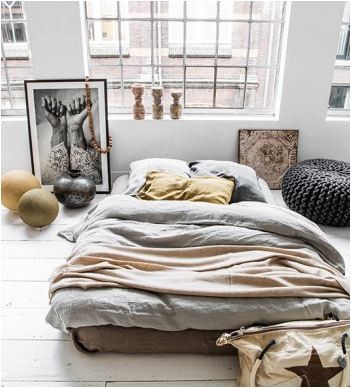
If your bedroom mood board says “effortless luxury” but your actual bed says “I gave up sometime on Tuesday,” the Linge Particulier linen duvet cover may be the glow-up your sleep space has been waiting for. This French linen favorite has earned attention for its relaxed texture, washed finish, soft drape, and color-rich styling that somehow feels both unfussy and expensive. In other words, it looks like the kind of bedding that belongs in a beautiful home tour, yet still invites you to face-plant into it after a very long day.
But a pretty bed is only part of the story. When people search for a Linge Particulier linen duvet cover, they are usually asking bigger questions too: Is linen actually worth the price? Does it feel scratchy? Is it too wrinkled? Will it keep me cool? Is it high-maintenance? And does this brand offer something meaningfully different from the sea of other washed linen bedding options on the market?
This guide breaks it all down in plain English. We will look at what makes a linen duvet cover appealing, what gives Linge Particulier its signature personality, how it compares with cotton bedding, what kind of sleeper is most likely to love it, and how to care for it so it keeps that intentionally rumpled, casually polished charm instead of turning into a laundry-room regret.
What Is the Linge Particulier Linen Duvet Cover?
The Linge Particulier linen duvet cover is part of a French home-linen line known for washed linen bedding with a soft, relaxed finish. The brand leans hard into the beauty of imperfection: gentle creases, muted and earthy tones, subtle texture, and that unmistakable “I summer in a stone cottage and somehow always know how to arrange peonies” aesthetic.
Instead of chasing hotel-crisp perfection, this duvet cover celebrates linen’s lived-in personality. That makes it especially attractive to shoppers who want bedding with character rather than bedding that looks like it was ironed by a very strict aunt. Retail descriptions commonly emphasize features such as washed or stonewashed linen, button closures, and easy-care maintenance. The look is intentionally soft and natural rather than glossy, tight, or overly structured.
In practical terms, a duvet cover like this slips over your insert and protects it, which means you can wash the cover far more easily than the insert itself. That matters because duvet covers are one of the easiest ways to change the mood of a bedroom without repainting walls, buying new furniture, or questioning every design decision you have ever made.
Why Linen Duvet Covers Keep Winning People Over
1. Linen breathes beautifully
One of linen’s biggest selling points is temperature regulation. A good linen duvet cover tends to feel airy and breathable, which is a fancy way of saying it is less likely to turn your bed into a personal sauna. If you run hot at night, sleep in a humid climate, or just dislike bedding that feels heavy and trapping, linen often feels like a noticeable upgrade. It can also work year-round because breathable does not mean flimsy. Linen manages that rare trick of feeling cool when it is warm out and cozy when the room gets chilly.
2. The texture looks expensive without trying too hard
Cotton can be crisp. Sateen can be silky. Linen, though, has that easygoing texture designers love because it gives a bed dimension. The Linge Particulier linen duvet cover, in particular, fits the “relaxed luxury” aesthetic that has been trending in interiors for good reason. It makes a room feel softer, less staged, and more personal. Even when the bed is not made like a showroom display, linen still looks intentional. Frankly, that is a rare and beautiful talent.
3. It gets softer over time
New linen can feel slightly crisp or textured at first. That is normal. The payoff is that linen typically softens with washing and use, which means the bedding often gets better rather than sadder with time. That is part of the appeal of Linge Particulier: the duvet cover is meant to age into itself, not stay frozen in a pristine, untouched state. It is bedding for people who actually live in their homes.
4. It is durable enough to justify the splurge
Linen is not usually the cheapest fabric in the bedding aisle, and nobody pretends otherwise. But what helps justify the investment is its reputation for durability. A quality linen duvet cover can hold up well over time when cared for properly, making it feel less like an impulse buy and more like a long-term relationship. Hopefully a good one.
What Makes Linge Particulier Different?
Not all linen bedding feels the same, and not all linen brands communicate the same style. Linge Particulier stands out because it is not trying to be formal, glossy, or overly polished. It leans into French ease. The colors often feel curated rather than mass-produced: chalky neutrals, muted blues, earthy yellows, soft grays, pale lilacs, sage-like greens, and stripes that look artistic rather than loud. This is bedding with taste, but no need to announce it at dinner.
Another part of the brand’s identity is its washed finish. Washed linen tends to feel more relaxed from day one than stiff, raw linen. That gives the duvet cover an already-softened hand and a drape that looks natural on the bed. It also supports the no-iron philosophy that linen lovers know well: wrinkles are not a defect here; they are part of the romance.
For shoppers in the United States, one thing to pay attention to is sizing. International linen brands do not always mirror standard American duvet dimensions exactly, so it is smart to confirm measurements before buying. The style may be dreamy, but the insert still needs to fit like a real adult plan was involved.
Linen vs. Cotton Duvet Covers: Which One Wins?
If you are torn between a linen duvet cover and a cotton one, the answer depends less on which fabric is “best” and more on how you want your bed to feel and look.
Choose linen if you want texture, breathability, a relaxed look, and a fabric that becomes softer over time. Linen works especially well for people who prefer natural materials, sleep warm, or like bedding that feels stylish without looking too perfect. It also tends to have stronger visual depth than plain cotton, which can make the whole bed feel more elevated.
Choose cotton if you want a smoother finish, a softer feel right out of the package, lower cost, and a wider range of patterns and price points. Cotton is easier for many shoppers to understand because it comes in familiar forms like percale, sateen, and jersey. It is the dependable classic. Linen is the charismatic one with better stories and more interesting pants.
The Linge Particulier linen duvet cover is really for the shopper who wants bedding that feels a little more soulful. If you love crisp hotel sheets, linen may feel too relaxed. If you love an understated, European-inspired bedroom, it may feel exactly right.
How a Linen Duvet Cover Changes the Feel of a Bedroom
A duvet cover has a huge visual footprint, so changing it can transform a room faster than almost any other textile. That is part of why linen duvet covers are so popular with designers and decor editors. They do not just cover the insert; they set the tone for the whole bedscape.
With a Linge Particulier linen duvet cover, the effect is usually soft, layered, and inviting. Pair it with matching shams and the room feels serene. Mix it with contrasting pillowcases or a patterned throw and the bed starts to look collected over time rather than bought in one click at 2:14 a.m. Linen is especially good at making neutral bedrooms feel richer because the texture does so much of the decorative work.
This also explains why washed linen keeps showing up in bedding trend coverage. It speaks to current design preferences: comfort, low-fuss beauty, natural materials, and spaces that feel restful rather than overstyled. A Linge Particulier duvet cover fits that direction beautifully.
How to Care for a Linge Particulier Linen Duvet Cover
Here is the good news: despite its elegant reputation, linen does not require sacred rituals performed under a full moon. It does, however, reward sensible care.
First, always check the product label. Linen care can vary slightly by finish and brand. In general, a washed linen duvet cover does best with a gentle or normal cycle, cool to cold water, and mild detergent. Fasten buttons or closures before washing so the cover does not twist itself into a dramatic knot. Avoid harsh bleach and go easy on products that coat the fibers.
Low-heat tumble drying is usually fine, though many linen fans prefer removing the cover while it is still slightly damp to reduce stiffness and deep creasing. If you love the casual crumpled look, skip the iron. If you prefer a tidier finish, a light press can help, but most people buy linen precisely so they can retire from that level of domestic ambition.
As for washing frequency, a duvet cover should generally be laundered regularly, especially if you sleep without a top sheet. If you do use a top sheet, you may be able to stretch the interval a bit. Either way, clean bedding simply feels better, lasts longer, and is far less likely to become the hidden villain of your sleep routine.
Who Should Buy the Linge Particulier Linen Duvet Cover?
This duvet cover makes sense for several kinds of shoppers. It is a strong choice for hot sleepers, for design lovers who prefer soft texture over crisp polish, for anyone building a calm, layered bedroom, and for people who want bedding that improves with age rather than merely survives it.
It is also a smart pick for those who like to refresh their bedroom seasonally. Linen plays nicely with summer’s breezy mood but can also be layered with blankets and quilts in cooler weather. That versatility helps offset the higher price because the fabric does not feel limited to one season.
On the other hand, it may not be ideal if you hate wrinkles with the passion of a thousand suns, want an ultra-silky feel from day one, or are shopping on a tight budget. Linen is lovely, but it is not magic. It is a material with a distinct personality. The key is making sure you actually like that personality before inviting it into your bedroom.
Real-Life Experience: What Living With a Linen Duvet Cover Actually Feels Like
Now for the part that matters most: daily life. Because no one buys a duvet cover just to admire it from across the room like a museum artifact. You buy it to sleep under it, wash it, wrestle it back onto the insert, and decide six months later whether you still love it.
The first experience many people have with a linen duvet cover is visual. Even before you crawl into bed, it changes the room. The bed looks softer, deeper, and somehow more finished without becoming formal. It gives the impression that the room belongs to a person with taste and maybe a decent candle collection. The texture catches light beautifully, especially in muted or chalky colors, so the bed feels styled even when it is just casually tossed together.
Then comes the feel. Linen is not usually buttery-slick right out of the box, and that can surprise shoppers expecting instant cloud behavior. Instead, it often feels dry, airy, and lightly textured. Some people love that immediately; others need a short adjustment period. But after a few washes, the fabric tends to relax. It becomes softer, more flexible, and more inviting, while still keeping that signature linen character. It does not morph into sateen, and that is exactly the point.
Night after night, the most noticeable thing is often the temperature comfort. A linen duvet cover can feel less clingy and less stuffy than denser bedding fabrics. If you are the type to stick one leg out of the covers like it is a legal requirement for survival, linen often earns your respect quickly. It breathes well, layers well, and does not usually create that swampy, overheated feeling that makes you question your life choices at 3 a.m.
The maintenance experience is also part of the relationship. Linen is wonderfully forgiving in one sense: wrinkles look normal, even attractive. That means you can wash it, dry it, put it back on the bed, and move on with your life instead of chasing perfect smoothness. But duvet covers are still duvet covers, and getting the insert back inside can remain mildly annoying. Button closures are classic and charming, though not always the fastest route on laundry day. Still, once the insert is secured properly, especially if there are ties or the fit is good, the bed settles into that plush, casual look linen does so well.
Long term, the emotional experience may be the biggest reason people stay loyal to linen. It starts to feel familiar in the best way. The bedding looks less like something new you are trying out and more like something that belongs in your home. It softens, drapes better, and seems to reflect the rhythm of real life instead of demanding perfection from it. That is the magic of a good linen duvet cover: it does not just decorate your bedroom. It makes the whole space feel easier to live in.
Final Thoughts
The Linge Particulier linen duvet cover is not the bedding equivalent of a flashy trend piece. It is better than that. It offers quiet style, natural texture, year-round comfort, and the kind of relaxed beauty that only gets better when it is actually used. For the right shopper, it is not just a duvet cover. It is a design choice, a comfort upgrade, and a subtle argument in favor of slower, better things.
If you want bedding that looks crisp and formal, there are easier options. But if you want your bedroom to feel softer, more inviting, and a little more collected, a washed linen duvet cover from Linge Particulier is a compelling choice. It has personality, practicality, and that elusive ability to make an ordinary bed feel just a bit more like a retreat.











