
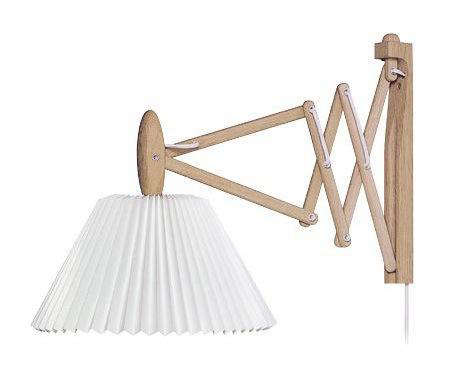
A Le Klint wall lamp is not the kind of light fixture that quietly apologizes for taking up space. It folds, stretches, glows, swivels, and occasionally looks as if a Danish architect taught an accordion how to read bedtime stories. That is the charm. Le Klint wall lighting blends functional Scandinavian design with a soft, sculptural presence that feels calm, clever, and surprisingly warm.
For homeowners, designers, and anyone who has ever stared at a sad wall sconce and thought, “Surely we can do better,” Le Klint offers a refreshing answer. The brand is famous for hand-folded lampshades, elegant proportions, and a design language rooted in Danish craftsmanship. Its wall lamps are especially appealing because they do two jobs at once: they create atmosphere and provide practical light for reading, relaxing, working, or making your hallway look less like a forgotten airport corridor.
What Is a Le Klint Wall Lamp?
A Le Klint wall lamp is a wall-mounted light designed by the Danish lighting brand Le Klint, a company known for pleated lampshades, precise craftsmanship, and timeless modern design. While the brand produces pendants, table lamps, ceiling lights, and floor lamps, its wall lights have a special place in the collection because they combine decorative beauty with everyday usefulness.
The most recognizable example is the Sax Lamp, also known as the scissor lamp. Designed in 1952 by Erik Hansen, the Sax Lamp uses an accordion-like wooden arm that can extend outward or push back toward the wall. It is practical, graceful, and slightly theatrical in the best possible way. Pull it out when you need reading light. Push it back when you want the room to breathe. It is basically the lighting equivalent of a polite Danish butler.
Le Klint wall lamps are commonly associated with hand-folded paper or plastic shades, oak details, soft diffusion, and a balanced blend of old-world craft and modern simplicity. Some models are quiet and classic; others feel more architectural or sculptural. But they all share the same core idea: light should be useful, beautiful, and thoughtfully made.
The Story Behind Le Klint’s Design DNA
Le Klint was established in 1943, but its design story began earlier, when P.V. Jensen-Klint developed pleated lampshades as a way to soften the glare from a lamp. That practical experiment became a family craft, and eventually a design legacy. Over the years, Le Klint refined the folding technique into a signature look: shades with crisp lines, organic shapes, and a soft glow that feels more like atmosphere than appliance.
This history matters because Le Klint wall lamps are not trend-driven objects. They are built around craft, proportion, and light quality. Many contemporary lights chase attention with oversized silhouettes, glossy finishes, or tech-heavy tricks. Le Klint does something quieter. It lets the shade, material, and form do the talking. And yes, those pleats have a lot to say.
Why the Sax Lamp Became an Icon
If one Le Klint wall lamp deserves a standing ovation, it is the Sax Lamp. Its name comes from the Danish word “saks,” meaning scissors, because its extendable arm resembles a pair of scissors or a folding mechanism. Designed by Erik Hansen in 1952, the Sax Lamp has remained one of Le Klint’s most recognizable and beloved wall lamps.
Flexible Light Where You Need It
The beauty of the Sax Lamp is its movement. The lamp can be pulled outward when you need more direct illumination and tucked back when you want a cleaner wall profile. This makes it especially useful beside a bed, next to a lounge chair, above a small desk, or in a reading corner. Instead of moving your chair, your book, your coffee, and possibly your entire personality toward the light, you move the lamp toward you.
Warm Materials and Danish Craft
Many Sax models feature solid oak arms and Le Klint’s characteristic pleated shade. Depending on the version, the wood may appear in light oak, smoked oak, black-stained oak, or other finishes. Shade options may include paper for a softer, gentler glow or plastic film for a brighter and more durable effect. The result is a lamp that feels traditional without looking old-fashioned.
Upward and Downward Versions
Le Klint Sax wall lamps are available in variations that direct the shade upward or downward. A downward-facing version works well for reading and task lighting, while an upward-facing version can create a more ambient, decorative effect. This flexibility is one reason the design has stayed relevant for more than seven decades. Good design does not need to shout; sometimes it just needs a strong hinge and excellent manners.
Popular Le Klint Wall Lamp Styles
Although the Sax Lamp often steals the spotlight, Le Klint’s wall-lamp collection includes several interesting designs. Each model has its own personality, so choosing the right one depends on the room, purpose, and mood you want to create.
Le Klint Sax Wall Lamp
The Sax is ideal for bedrooms, reading nooks, living rooms, and classic Scandinavian interiors. Its extendable arm makes it useful where adjustable lighting is important. It pairs beautifully with wood furniture, wool textiles, neutral walls, and interiors that favor warmth over flash.
Le Klint Model 204 Wall Lamp
The Model 204, designed by Vilhelm Wohlert in 1957, has a softer, mushroom-like presence. With its pleated shade and wooden wall base, it feels compact, charming, and quietly refined. This style works well where you want a decorative wall light that also provides gentle illumination.
Le Klint Shibui Wall Lamp
The Shibui wall lamp, designed by Søren Refsgaard, brings a more graphic and contemporary look. Its round, pleated shade and dark structural details create a strong visual outline. The word “shibui” refers to a Japanese idea of subtle, unobtrusive beauty, and the lamp fits that concept nicely. It has presence without turning your wall into a circus.
Le Klint Swirl Wall and Ceiling Lamp
The Swirl design is especially suitable for hallways, staircases, corridors, and transitional spaces. It can work as a wall or ceiling fixture, offering a sculptural look with soft, integrated light. If the Sax Lamp is the clever reading companion, Swirl is the elegant architectural feature that makes guests ask, “Where did you get that?”
Le Klint Spot and Carronade-Inspired Designs
Newer Le Klint lighting designs include more directional and modern options, such as Spot-style lamps and Carronade-inspired forms. These pieces lean into functional task lighting while keeping the brand’s design-first character. They are good choices for modern offices, compact apartments, and interiors where a pleated shade may feel too classic.
Where a Le Klint Wall Lamp Works Best
Wall lamps are wonderful because they save surface space. A table lamp needs a table. A floor lamp needs floor area. A wall lamp simply claims a vertical surface and gets to work. Le Klint wall lamps are especially effective in rooms where you need both light and character.
Bedroom Reading Lights
A Le Klint Sax wall lamp beside the bed is a practical luxury. The extendable arm allows you to pull the shade closer when reading and push it away when resting. It also frees up space on the nightstand, leaving room for books, glasses, water, or the phone you promised not to scroll at midnight.
Living Room Accent Lighting
In a living room, a Le Klint wall lamp can frame a sofa, highlight an armchair, or soften a corner that feels visually empty. The pleated shade creates a warm glow that is flattering to people, furniture, and even houseplants with unrealistic self-esteem.
Hallways and Entryways
Hallways often suffer from boring lighting. A sculptural Le Klint wall or wall-ceiling lamp can turn a simple passage into a designed moment. Swirl-style fixtures are particularly useful for corridors because they provide decorative surface lighting without projecting too far into the walkway.
Home Offices and Creative Corners
For a small desk or creative workspace, a directional wall lamp can reduce clutter while improving task lighting. Choose a model that provides enough brightness and adjustability for the work you do. If you sketch, read, or write, an adjustable Sax-style lamp may be more useful than a purely ambient fixture.
Paper Shade vs. Plastic Shade: Which Should You Choose?
One of the most important decisions when choosing a Le Klint wall lamp is the shade material. Le Klint is famous for hand-folded shades, and the material affects both the mood and the maintenance.
Paper Shades
Paper shades create a soft, gentle, atmospheric glow. They are ideal for bedrooms, reading corners, and spaces where warmth matters more than maximum brightness. Paper has a natural delicacy that pairs beautifully with oak, linen, wool, and muted color palettes.
Plastic Shades
Plastic shades can provide a slightly brighter effect and may be easier to maintain in busy spaces. They still carry the pleated Le Klint look but offer a more practical option for areas where the lamp may be used frequently. For households with children, pets, or unusually athletic dusters, plastic can be a sensible choice.
How to Style a Le Klint Wall Lamp
The best way to style a Le Klint wall lamp is to let it breathe. These lamps have strong silhouettes, especially models with pleated shades or extendable arms. Avoid crowding them with overly busy artwork or competing wall decor. Give the lamp enough visual space so its form can be appreciated.
For Scandinavian interiors, pair a Le Klint wall lamp with pale wood, warm whites, soft grays, and natural textures. For mid-century modern spaces, the Sax Lamp works beautifully with walnut furniture, low lounge chairs, and woven textiles. In a minimalist room, a Shibui or Swirl lamp can act as the main sculptural element.
Placement matters. Beside a bed, mount the lamp at a comfortable height for reading while seated. Near a sofa or armchair, position it so the shade can illuminate the page or surface without shining directly into the eyes. In a hallway, keep projection and clearance in mind so the fixture feels elegant, not like an obstacle course designed by a stylish villain.
Buying Considerations Before You Choose
Before buying a Le Klint wall lamp, think about function first. Do you need task lighting, mood lighting, or decorative lighting? A Sax lamp is excellent when adjustability matters. A Model 204 or Shibui lamp may be better when you want a fixed decorative glow. A Swirl wall-ceiling design can be useful for broader ambient light in transitional spaces.
Next, consider scale. Some Le Klint wall lamps are compact, while others have a bold diameter or extended reach. Measure your wall, furniture height, and available clearance. A lamp that looks perfect in a showroom can feel enormous in a narrow bedroom if you skip the tape measure. Design love is real, but geometry still wins.
Finally, review installation needs. Some wall lamps plug into an outlet with a visible cord, while others may require hardwiring depending on the model and market. Always check product specifications and consult an electrician when needed. A beautiful lamp deserves a safe installation, not a suspense thriller involving wires.
Is a Le Klint Wall Lamp Worth It?
A Le Klint wall lamp is worth considering if you value craftsmanship, design history, and long-lasting style. These lamps are not bargain-bin lighting, and they are not trying to be. They appeal to people who want an object with character, heritage, and daily usefulness.
The value lies in the combination of form and function. The Sax Lamp, for example, is not just attractive; it solves a real lighting problem with its adjustable arm. The pleated shades are not just decorative; they diffuse light in a way that feels calm and comfortable. The materials are not just pretty; they connect the lamp to a tradition of Danish craft.
If your goal is simply to fill a wall with the cheapest available sconce, Le Klint may be more lamp than you need. But if you want a wall light that can become part of a room’s identity, it is a strong investment. Think of it as furniture that happens to glow.
Real-Life Experience: Living With a Le Klint Wall Lamp
The experience of using a Le Klint wall lamp is different from using a standard wall sconce. A basic sconce often fades into the background. That can be fine, but it can also feel forgettable. A Le Klint lamp has more personality. You notice the pleats during the day. You notice the glow at night. You notice how the lamp changes the mood of the room without demanding a dramatic redesign.
In a bedroom, the Sax Lamp feels especially useful. Imagine settling into bed with a book. Instead of relying on a harsh ceiling light or a tiny bedside lamp that illuminates half a paragraph and one heroic dust bunny, you pull the Sax arm closer. The light moves exactly where you need it. When you are done reading, you push it back toward the wall, and the room feels tidy again. That small ritual becomes part of the pleasure.
In a living room, a Le Klint wall lamp can make a seating area feel finished. Many rooms have overhead lighting that is technically bright but emotionally suspicious. Wall lamps solve that problem by placing light at a more human level. The glow feels softer on faces, warmer on textures, and more inviting overall. A pleated Le Klint shade adds depth because the folds catch light and shadow even when the lamp is off.
There is also a tactile satisfaction to the design. The wooden arms, folded shade, and mechanical movement of Sax-style models make the lamp feel like an object with intention. It is not controlled by an app, it does not need a firmware update, and it will not ask for your location. It simply works. In a world of overly complicated home gadgets, that simplicity feels luxurious.
One practical lesson is that placement can make or break the experience. Mount a reading lamp too high and the light may feel distant. Mount it too low and it can glare. Place it too close to the bed and you may bump it. The sweet spot depends on the model, the furniture, and how you use the room. Before installation, it helps to tape a rough outline on the wall and test the reach with a measuring tape. It is not glamorous, but neither is patching holes after guessing wrong.
Maintenance is usually straightforward, but the shade material matters. A paper shade rewards gentle care. A plastic shade may be more forgiving in active areas. Either way, regular dusting keeps the pleats looking crisp. The folds are part of the beauty, so treat them with respect. No aggressive scrubbing, no wild vacuum attachments, and no cleaning methods that look like a personal grudge against Danish design.
The strongest impression after living with this type of lamp is how quietly it improves daily routines. It makes reading easier. It makes evenings softer. It gives empty walls a sense of purpose. It also starts conversations, because guests often recognize that it is not a generic fixture. A Le Klint wall lamp feels designed, but not flashy; special, but not precious; functional, but far from boring.
Conclusion
A Le Klint wall lamp is a beautiful example of what happens when craftsmanship, utility, and Danish design discipline meet on the same wall. Whether you choose the iconic Sax Lamp, the soft Model 204, the contemporary Shibui, or a sculptural wall-ceiling design like Swirl, the result is lighting that does more than brighten a room. It shapes the atmosphere.
The best Le Klint wall lamp for you depends on how you live. Need adjustable reading light? Start with the Sax. Want a quiet decorative glow? Look at Model 204 or Shibui. Need elegant ambient light for a hallway? Consider Swirl. In every case, measure carefully, choose the shade material wisely, and think about how the lamp will function during real daily life.
Le Klint wall lamps are not just fixtures. They are design objects with a job to do. And luckily, they do that job with pleats, poise, and just enough Scandinavian confidence to make your old wall sconce look like it should update its résumé.












