
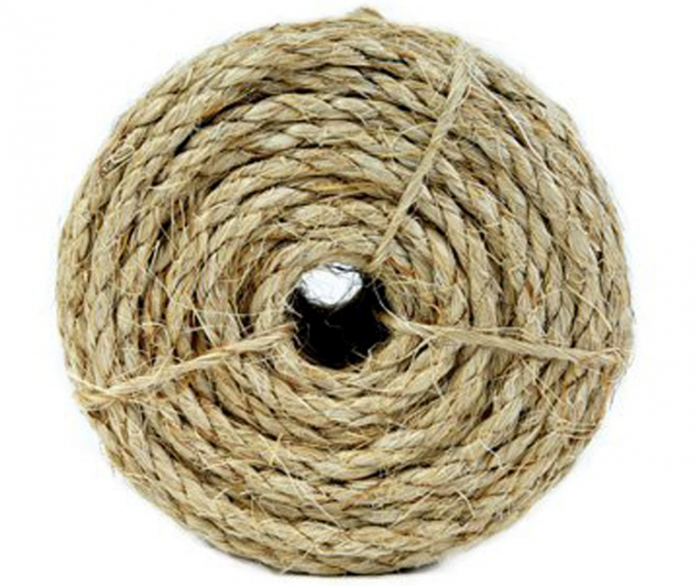
Koch Sisal Twisted Rope is the kind of practical product that does not arrive with fireworks, a celebrity endorsement, or a mysterious “as seen on TV” glow. It is rope. Honest, natural, scratchy-in-a-useful-way rope. And yet, for gardeners, DIY weekend warriors, shippers, crafters, homesteaders, decorators, and people who believe every garage should contain at least one coil of “just in case,” this humble twisted sisal rope earns its place on the shelf.
Made from natural sisal fiber, Koch Sisal Twisted Rope is commonly sold in practical sizes such as 1/4 inch, 3/8 inch, and 1/2 inch diameters, with lengths that fit everyday household, garden, and light-duty utility jobs. Retail listings describe it as biodegradable, UV resistant, easy to tie, and useful for gardening, bundling, and shipping. In other words, it is not trying to be a high-tech mountaineering rope. It is trying to hold tomato vines, bundle cardboard, wrap rustic décor, and help you pretend your backyard shed is more organized than it was yesterday.
What Is Koch Sisal Twisted Rope?
Koch Sisal Twisted Rope is a natural fiber rope made from sisal, a plant-based material valued for its stiffness, texture, grip, and old-school reliability. Sisal is derived from the leaves of the agave plant, then processed into fibers that can be twisted into cordage. The result is a rope with a dry, tan, rustic appearance and a firm hand feel.
The “twisted” part matters. Twisted rope is made by winding fibers or strands around one another, creating a classic spiral construction. This gives the rope grip, flexibility, and a familiar look. Unlike smooth synthetic rope, sisal twisted rope has a rougher surface, which helps with knot retention and makes it useful in projects where friction is your friend.
Koch-branded sisal rope is typically marketed as a general-purpose natural rope. It is best suited for gardening, bundling, light-duty tying, craft projects, rustic home accents, and packaging tasks. It should not be used for overhead lifting, climbing, towing vehicles, life-safety applications, or any job where rope failure could injure someone. This is a garden-and-garage hero, not a superhero cape.
Key Features of Koch Sisal Twisted Rope
Natural Sisal Fiber
The biggest appeal of sisal rope is its natural composition. Unlike nylon, polyester, or polypropylene ropes, sisal is plant-based and biodegradable. That makes it attractive for users who want a more traditional rope for gardening, décor, landscaping, crafts, or bundling organic materials.
Good Knot Retention
Sisal has a coarse texture that helps knots stay put. This is especially helpful when tying garden stakes, supporting plants, bundling branches, or creating decorative wraps. Smooth synthetic rope can sometimes feel like it has other weekend plans and wants to slide loose. Sisal tends to behave.
UV Resistance
Koch Sisal Twisted Rope is commonly described by retailers as UV resistant. That means it can handle sunlight better than some materials in outdoor settings. However, “UV resistant” does not mean immortal. Sun, rain, dirt, abrasion, and repeated loading can all weaken rope over time.
Biodegradable Material
Because sisal is a natural fiber, it can break down over time. This makes it appealing for gardeners and environmentally minded users. It also means the rope should be stored properly and inspected regularly. Biodegradable is great for the planet, but it is not a magic spell for permanent strength.
Rustic Appearance
The natural tan color and textured surface give sisal rope a warm, farmhouse-style look. That is why it often appears in craft projects, cat scratching posts, nautical-themed décor, curtain tiebacks, basket handles, wrapped vases, and DIY wall accents.
Common Sizes and Load Awareness
Koch Sisal Twisted Rope is sold in several diameters and lengths. Common versions include 1/4-inch by 100-foot coils, 3/8-inch coils, and 1/2-inch by 50-foot coils. Retail listings may show different working load or maximum load numbers depending on diameter, length, packaging, and specific product SKU.
As a general rule, thicker rope can usually handle more load than thinner rope, but buyers should never guess. Always read the label on the exact package. Some listings show lower load ratings for 1/4-inch sisal rope and higher ratings for 3/8-inch and 1/2-inch versions. These numbers matter because rope is not the place to practice creative optimism.
Also remember that knots, abrasion, moisture, age, shock loading, and sharp edges can reduce rope strength. A rope that looks fine from across the garage may be weaker than it was when new. Before using any rope to secure weight, inspect it for fraying, discoloration, mildew, broken fibers, stiffness changes, or weak spots.
Best Uses for Koch Sisal Twisted Rope
Gardening and Plant Support
Sisal rope is a natural fit for the garden. Use it to tie tomato plants, support climbing vines, secure young trees to stakes, bundle pruned branches, or create simple trellis lines. The natural color blends nicely with soil, wood, mulch, and greenery. It looks like it belongs outside rather than like it escaped from a hardware aisle.
For delicate stems, avoid tying the rope too tightly. Sisal has texture, and that texture can rub against tender plants if the wind moves them all day. Leave a little room for growth and movement. Plants, like teenagers and sourdough starters, do not appreciate being micromanaged.
Bundling and Shipping
Koch Sisal Twisted Rope is useful for bundling cardboard, newspapers, light lumber, garden stakes, fabric rolls, and household items. It can also add an attractive natural touch to packages, gift boxes, and handmade products.
For shipping, sisal rope works best as a supplemental tie rather than the only securing method for heavy or valuable items. Use appropriate packaging tape, strapping, padding, and boxes when needed. Rope can make a parcel look charming, but charm does not replace shipping standards.
Crafts and DIY Décor
If you enjoy rustic, coastal, farmhouse, or handmade design, sisal rope is a budget-friendly material with plenty of personality. Wrap it around glass jars to make candle holders. Glue it around planters for texture. Use it as a curtain tieback. Create rope baskets, wall hangings, mirror frames, drawer pulls, or holiday ornaments.
The rope’s natural roughness gives projects depth and texture. A plain container can suddenly look like it came from a boutique that charges extra for adjectives like “artisanal” and “heritage-inspired.”
Pet Projects
Sisal rope is widely used on cat scratching posts because cats enjoy the texture and resistance. If you are repairing or building a scratching post, sisal can be a good material choice. Make sure it is securely attached, free of sharp staples or loose ends, and appropriate for the pet’s size and behavior.
Outdoor Organization
Use Koch Sisal Twisted Rope to hang lightweight garden signs, organize hoses, tie bundles of bamboo stakes, mark rows, or secure seasonal decorations. It gives outdoor spaces a practical, natural look without shouting for attention.
When Not to Use Sisal Rope
Sisal rope has many uses, but it is not right for everything. Do not use Koch Sisal Twisted Rope for climbing, rescue, swing seats carrying people, overhead lifting, towing, vehicle recovery, hammocks, structural suspension, or any safety-critical job. Natural fiber rope can weaken from moisture, sunlight, age, and abrasion. It also has less predictable long-term performance than specialized synthetic or industrial rope.
Do not use sisal rope where it will stay wet for long periods. Moisture can encourage mildew, rot, stiffness changes, and fiber breakdown. If the rope gets wet, allow it to dry fully before storing. Never seal wet sisal rope in a plastic bin unless your goal is to create a small swamp with handles.
Sisal Rope vs. Manila Rope vs. Jute Rope
Sisal, manila, and jute are all natural fibers, but they are not identical. Manila rope, made from abaca fiber, is generally stronger and historically popular for marine and utility uses. Sisal is often more affordable and works well for general-purpose tying, gardening, crafts, and decorative applications. Jute is usually softer and weaker, making it better for light crafts, gift wrapping, and gentle garden ties.
If you need strength and durability, manila may be the better natural rope. If you need an economical, grippy, rustic rope for garden and DIY tasks, sisal is a smart choice. If you need soft twine for delicate packaging or crafts, jute may be enough. Choosing rope is a little like choosing shoes: hiking boots, sandals, and slippers all have a purpose, but you should not wear slippers on a mountain.
Sisal Rope vs. Synthetic Rope
Synthetic ropes such as nylon, polyester, and polypropylene usually offer higher strength, better moisture resistance, and more predictable performance for demanding jobs. Nylon stretches and absorbs shock. Polyester resists UV and moisture well. Polypropylene floats and is lightweight. These materials often outperform natural rope in industrial, marine, and high-load applications.
Sisal, however, wins on natural texture, biodegradability, rustic appearance, knot grip, and garden-friendly charm. It is ideal when appearance and natural material matter as much as basic function. For decorative tying, plant support, craft wrapping, and bundling, Koch Sisal Twisted Rope delivers a look synthetic rope often cannot imitate without trying too hard.
How to Choose the Right Diameter
For light crafts, gift wrapping, small garden ties, and decorative accents, thinner rope such as 1/4 inch is usually easier to handle. It bends more readily, takes knots well, and does not overpower small projects.
For garden support, bundling, and general household tasks, 3/8 inch offers a practical middle ground. It feels sturdier in the hand and provides more surface area without becoming bulky.
For larger decorative projects, heavier bundling, landscape accents, or bold rustic design, 1/2 inch sisal rope has more visual weight. It is also easier to see from a distance, which makes it useful for railings, posts, displays, and statement pieces.
How to Cut and Finish Sisal Rope
Cutting sisal rope is simple, but it can fray if handled carelessly. Use sharp scissors, pruning shears, or a utility knife on a safe cutting surface. Before cutting, wrap the cut point tightly with masking tape or painter’s tape. Cut through the middle of the taped section, then secure the ends with twine, glue, whipping, or a small wrap of tape depending on the project.
For decorative work, a neatly finished end makes a big difference. A frayed rope end can look intentionally rustic, but there is a fine line between “farmhouse charm” and “a raccoon assembled this centerpiece.”
Storage and Care Tips
Store Koch Sisal Twisted Rope in a cool, dry place. Keep it off damp concrete floors and away from standing water. A wall hook, shelf, sealed dry bin, or hanging pegboard works well. Avoid storing it in direct sunlight for months at a time when not in use.
After outdoor use, shake off dirt and let the rope dry before coiling it. If it becomes muddy, brush it gently once dry. Avoid harsh chemical cleaners, which may damage natural fibers. For long-term use, inspect the rope before each project and retire sections that show heavy wear.
Safety Tips for Using Koch Sisal Twisted Rope
Always respect the working load limit printed on the product label. Never exceed it. Avoid sudden jerks, swinging loads, sharp corners, and prolonged heavy tension. Knots can reduce rope strength, and abrasion can weaken fibers. If a rope has been used outdoors for a long time, assume it has lost some strength.
For any serious load-bearing job, choose a rope specifically rated for that use. For lifting, towing, climbing, boating, or safety applications, consult manufacturer guidance and use certified equipment. Koch Sisal Twisted Rope is excellent for ordinary utility tasks, but ordinary utility tasks are where it should stay.
Practical Examples Around the Home
In the garden, Koch Sisal Twisted Rope can tie cucumber vines to a trellis, hold young saplings upright, bundle dry branches, or mark planting rows. In the garage, it can organize extension cords, tie rolled tarps, or bundle cardboard for recycling. In the home, it can wrap lamp bases, decorate picture frames, create rustic drawer pulls, or add texture to a plain basket.
For events, sisal rope works beautifully in rustic weddings, backyard parties, farm-themed displays, and handmade signage. Tie it around mason jars, use it to hang lightweight banners, or wrap it around posts for a natural accent. It has a way of making simple objects look intentional, which is basically the secret mission of every good craft supply.
Buying Tips
Before buying Koch Sisal Twisted Rope, decide what you need it to do. For plant ties and small crafts, a thinner coil may be enough. For bundling, outdoor accents, and bigger DIY projects, choose a thicker diameter. Check the length carefully; 50 feet disappears surprisingly fast once you start wrapping table legs, jars, posts, and “just one more thing.”
Also check the product label for working load limit, diameter, length, material, and warnings. If you are buying online, compare the SKU and dimensions closely. Product photos can make rope look thicker or thinner than it really is. A 1/4-inch rope and a 1/2-inch rope may both look heroic on a screen, but in your hand they are very different tools.
Experience-Based Notes: Living With Koch Sisal Twisted Rope
Using Koch Sisal Twisted Rope feels pleasantly old-fashioned in the best way. It has that dry, natural texture that instantly makes a project feel more grounded. When you pull it from the coil, it does not feel slick or overly manufactured. It feels like something that belongs in a potting shed, a barn, a workshop, or the hands of someone who owns a pencil behind one ear.
In garden projects, the rope is especially satisfying. It grips wooden stakes well, ties securely, and visually disappears into natural surroundings. A green plastic tie may work, but sisal rope looks better next to tomato plants, climbing beans, roses, and young trees. It brings a tidy, organic look that says, “Yes, this garden has a plan,” even when half the plan is hoping the squirrels show mercy.
For bundling, the rope is easy to handle once you get used to the texture. It holds knots nicely, especially simple square knots and half hitches. The rough surface helps prevent slipping, which is useful when tying uneven materials like branches or cardboard. However, gloves are helpful for longer sessions because sisal can feel scratchy against the skin. That roughness is part of its charm, but charm still has elbows.
In craft projects, Koch Sisal Twisted Rope adds instant texture. Wrapping it around a glass jar, planter, or old container can transform something plain into something warm and handmade. Hot glue works well for many decorative uses, though it is smart to work slowly and press the rope in place as you go. Because the rope is twisted, it naturally creates shadow lines, making even simple projects look more detailed.
One useful trick is to pre-measure generously. Sisal rope seems to shrink in ambition once a project begins. A small planter may use more rope than expected, especially if you wrap it tightly with no gaps. For large décor projects, buy more than the exact measurement. Running out six inches before the finish line is a special kind of DIY comedy.
Another lesson is to manage fraying early. Taping before cutting saves frustration. For visible ends, wrapping the tip with thin twine or tucking it under the final coil creates a cleaner finish. For rustic outdoor projects, a little fray may look fine. For indoor décor, cleaner ends usually look more polished.
Storage also matters more than beginners expect. A coil left on a damp garage floor can pick up moisture and odors. Hanging it on a hook keeps it dry, visible, and ready. It also creates the satisfying illusion that your garage is organized by a person with a system, not by gravity and regret.
The best thing about Koch Sisal Twisted Rope is its versatility. It is not glamorous, but it keeps finding jobs. One week it supports a drooping plant. The next week it bundles recycling. Then it becomes a handle on a storage basket, a wrap on a flower pot, or a tie for a backyard sign. It is the kind of material that rewards imagination without requiring advanced skills.
The main limitation is strength and weather exposure. This rope should be treated as a light-duty natural fiber product, not a permanent structural solution. It can handle many everyday tasks, but it should not be trusted for anything involving people, heavy suspended loads, or serious tension. Used wisely, it is dependable. Used recklessly, it will remind you that nature is beautiful but not legally responsible for your decisions.
Overall, Koch Sisal Twisted Rope is a practical, affordable, and attractive choice for gardeners, crafters, homeowners, and DIY fans. It offers the natural look many people want, the knot grip many projects need, and the biodegradability that makes it appealing for outdoor and garden use. Keep it dry, match the size to the job, respect the load rating, and it will earn its keep one knot at a time.
Conclusion
Koch Sisal Twisted Rope is a simple product with a surprisingly wide range of uses. Its natural sisal fiber, twisted construction, good knot retention, rustic appearance, and biodegradable character make it useful for gardening, bundling, shipping, crafts, décor, and everyday organization. It is not the rope for climbing cliffs, lifting engines, or reenacting action-movie stunts in the backyard. But for practical household and garden projects, it is dependable, attractive, and easy to work with.
The key is choosing the right diameter, storing it dry, inspecting it before use, and respecting the working load limit. Do that, and this humble coil of natural rope becomes one of those tools you reach for again and again. It may not be flashy, but it is usefuland usefulness never goes out of style.
Note: This article is based on real product characteristics commonly listed for Koch Sisal Twisted Rope and general natural-fiber rope safety guidance. Always follow the exact product label, packaging warnings, and manufacturer instructions for the specific rope you purchase.












