
Note: This original article is written for web publication and synthesizes real information from reputable design, renovation, cabinetry, IKEA, and Scandinavian interiors sources without inserting source links.
Some kitchens whisper. Some kitchens shout. And then there are kitchens like this one: calm, clever, and so stylish it looks as if it casually learned Danish modernism before breakfast. The sixties-inspired Danish Ikea hack popularized by Copenhagen kitchen brand Reform is exactly that kind of space. It takes the humble IKEA cabinet boxdependable, affordable, and about as glamorous as a spreadsheetand dresses it in tailored fronts, tactile materials, and midcentury Scandinavian attitude.
The result is not a “hack” in the old dorm-room sense of the word. No glue gun heroics. No mysterious leftover screws. No cabinet doors painted at midnight while someone mutters, “This will be fine.” Instead, this is the grown-up version of an IKEA kitchen upgrade: modular, architectural, and surprisingly adaptable for American homes.
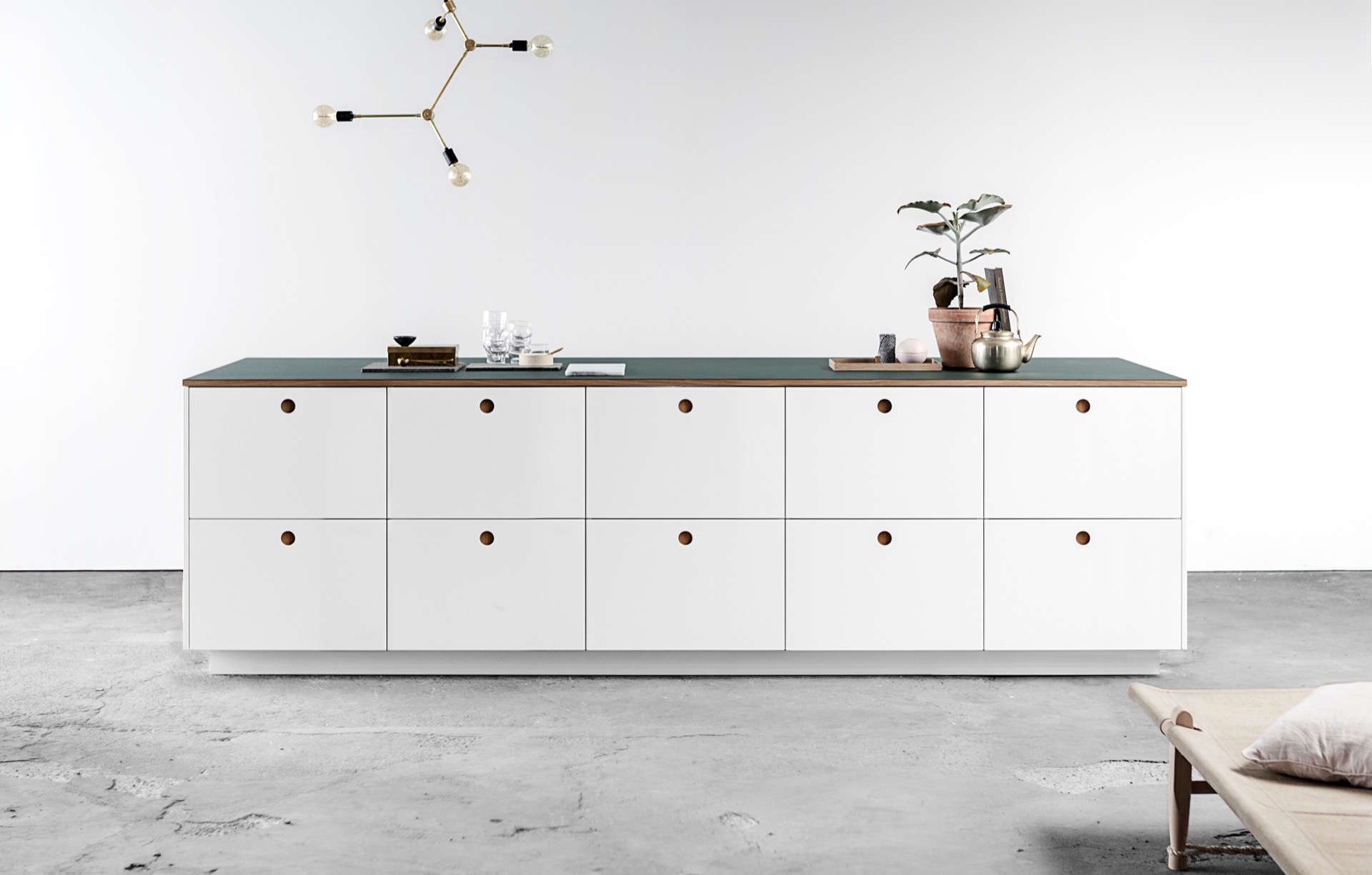
At the heart of the look is Reform’s BASIS collection, a design inspired by Scandinavian architect kitchens of the 1960s. Think clean planes, honest materials, practical proportions, and a warm minimalism that does not make your home feel like an airport lounge. The design became especially interesting when it moved from being a coveted European IKEA upgrade to something available for U.S. kitchens, where homeowners often want the magic equation: custom look, realistic budget, and fewer renovation-related emotional support snacks.
What Makes This Danish Ikea Hack So Appealing?
The biggest appeal is the combination of affordability and design control. IKEA’s kitchen systems, especially SEKTION in the United States and METOD in Europe, are known for their modular structure, planning tools, and broad availability. The cabinet boxes handle the practical side: storage, drawer systems, hinges, interior organizers, and layout flexibility. Reform and similar cabinet-front companies step in where many homeowners want more personality: the visible surfaces.
In simple terms, you can use IKEA’s kitchen framework and replace the standard fronts with more refined doors, drawer fronts, side panels, plinths, and sometimes countertops. That means the kitchen can keep the bones of an accessible modular system while looking closer to a custom millwork project. It is the renovation equivalent of wearing a perfectly tailored jacket over a plain white T-shirt. The T-shirt is doing its job; the jacket gets the compliments.
The sixties-inspired BASIS kitchen stands out because it does not chase trends too loudly. The design uses simple slab-like fronts, rounded or cutout handle details, and warm wood accents. Depending on the finish, it can look crisp and modern, soft and nostalgic, or quietly luxurious. It nods to midcentury Danish design without turning the kitchen into a time capsule full of fondue forks and suspiciously orange upholstery.
The 1960s Danish Design Influence
Danish design from the mid-20th century is admired because it balances beauty and function. The best pieces from that era were not decorative for decoration’s sake. Chairs were comfortable. Tables were useful. Cabinets were elegant but sturdy. Materials mattered. Proportions mattered. Everyday life mattered most of all.
That philosophy is visible in a kitchen like BASIS. The integrated handle detail is not just a visual trick; it reduces the need for extra hardware and keeps the cabinet face clean. The use of oak, linoleum, painted surfaces, and soft colors fits the Scandinavian preference for materials that feel natural rather than flashy. Even when the kitchen is mostly white or black, the wood detail adds warmth so the room does not feel like a laboratory where someone stores artisanal spoons.
The 1960s reference also brings a sense of restraint. There are no fussy moldings, no overly ornate panels, and no complicated visual clutter. The shapes are direct. The lines are calm. The room feels designed, but not desperate to prove it. That is a rare and wonderful kitchen mood.
How the IKEA Cabinet Hack Works
An IKEA kitchen hack usually begins with planning the layout through IKEA’s system. In the United States, that commonly means SEKTION cabinets. Homeowners choose base cabinets, wall cabinets, tall pantry units, drawers, interior fittings, and appliances based on the space. Once the layout is set, the custom-front company supplies compatible exterior pieces.
Step 1: Use IKEA for the Structure
IKEA’s value is in its modular cabinet infrastructure. The boxes come in standardized sizes, which helps keep planning predictable. The interior fittings are widely available, and homeowners can select drawers, pull-outs, shelves, dividers, and organizers without commissioning everything from scratch. This is why many designers and DIY-savvy renovators use IKEA as a foundation even in high-style kitchens.
Step 2: Upgrade the Visible Surfaces
The visual transformation happens when standard IKEA doors are replaced with custom or semi-custom fronts. In the Reform BASIS design, the doors and drawer fronts create the main personality of the kitchen. Handle cutouts, oak backing, matte finishes, and color options shift the entire space from “nice IKEA kitchen” to “who is your architect?”
Step 3: Finish With Counters, Hardware, Lighting, and Styling
A cabinet-front upgrade is powerful, but the rest of the kitchen still matters. Countertops, faucets, backsplash tile, lighting, flooring, and open shelving all influence the final mood. A BASIS-style kitchen pairs beautifully with oak counters, linoleum surfaces, stainless steel, simple white tile, warm stone, or even a bold colored faucet if you enjoy a little design wink.
Why This Look Works in American Homes
American kitchens often have different challenges from compact European apartments. They may be larger, more open to living areas, and packed with bigger appliances. The refrigerator is often not just a refrigerator; it is a stainless-steel monument to leftovers. That means a Danish-inspired IKEA kitchen needs to adapt without losing its calm personality.
Fortunately, the modular approach is flexible. In a small apartment, BASIS fronts can make a galley kitchen feel polished and intentional. In a suburban home, they can soften a large open-plan kitchen that might otherwise feel too bulky. In an older house, the midcentury reference can bridge original architecture and modern function. In a new build, the design can add warmth and character without resorting to fake vintage details.
The style also appeals to homeowners who want something more interesting than standard shaker cabinets but less severe than ultra-minimal flat panels. It sits in a sweet spot: graphic, warm, clean, and practical. That makes it especially useful for kitchens that must look good from the living room, survive weekday chaos, and still photograph well when someone posts a “casual” coffee moment that took seventeen minutes to style.
Material Choices: The Quiet Luxury of Practical Surfaces
The best part of this kitchen style is that its luxury is not loud. It does not rely on sparkle or excess. Instead, it uses material contrast. Painted fronts create a smooth visual field. Oak introduces natural grain. Linoleum offers a soft matte texture and an old-school practicality that fits the 1960s mood. Solid wood counters add warmth, while stone or composite counters can make the kitchen feel more contemporary.
Linoleum deserves special attention. Many people hear the word and immediately picture a tired floor in a school hallway. But modern linoleum, especially in design-forward applications, can be handsome, durable, and pleasantly tactile. In a kitchen inspired by Danish modern ideas, it makes sense because it is practical without looking plastic. It gives surfaces a soft, grounded character.
Oak is another key player. Natural oak has long been associated with Scandinavian interiors because it brings warmth without visual heaviness. Used as an edge detail, handle backing, shelf, or countertop, it keeps the kitchen from feeling flat. Smoked oak can create a moodier effect, especially with black or dark green fronts.
Color Palettes That Suit the Sixties-Inspired Danish Look
A white BASIS-style kitchen feels crisp and timeless, especially when paired with oak and warm lighting. Black fronts create a stronger architectural statement and work beautifully in rooms with generous daylight. Soft greens, mushroom tones, dusty blues, and muted grays add a more contemporary Scandinavian feel while still respecting the midcentury influence.
For an American kitchen, the safest approach is to choose one dominant cabinet color and let texture do the rest. For example, matte white fronts with oak handles and a pale stone countertop can feel airy and classic. Dark green fronts with oak shelving and brass lighting can feel richer and more personal. Warm gray fronts with a white tile backsplash can create a calm everyday kitchen that will not look dated next year.
The trick is restraint. Danish-inspired kitchens usually work best when the palette has breathing room. If every surface is screaming for attention, the design loses its quiet confidence. Let one element lead, and let the others support it like a very polite Scandinavian choir.
Design Details That Make the Kitchen Feel Custom
The difference between a basic IKEA kitchen and a polished IKEA hack often comes down to details. Side panels should match the fronts. Filler pieces should be carefully planned. Toe kicks should feel intentional. Appliance panels should align cleanly. Lighting should be layered, not treated as an afterthought.
Integrated handles or cutout pulls are especially important in this style because they define the cabinet face. They also make the kitchen easier to clean than hardware-heavy designs. No tiny crevices collecting flour, dust, and the emotional residue of rushed weeknight dinners.
Another smart detail is the use of full-height storage. Tall pantry cabinets can make a kitchen feel more architectural and less cluttered. In open-plan spaces, running cabinet fronts across storage walls can visually calm the room. When the same finish appears on kitchen cabinets, wardrobes, or built-ins nearby, the home feels cohesive instead of assembled from unrelated shopping trips.
Budget Perspective: Custom Look Without Fully Custom Pricing
A Danish IKEA hack is not necessarily cheap, but it can be cost-smart compared with fully custom cabinetry. IKEA cabinet boxes help control the structural cost, while upgraded fronts provide the design impact. That said, homeowners should budget carefully. The final cost depends on kitchen size, front material, countertop choice, installation labor, appliances, plumbing, electrical work, and whether the layout changes.
The biggest money-saving advantage comes when the existing layout remains mostly intact. Moving plumbing, gas lines, walls, and major electrical systems can quickly make any “budget kitchen” laugh in your face. If the cabinet footprint works, upgrading fronts and finishes can deliver a dramatic transformation with fewer construction surprises.
Installation is another decision point. Some handy homeowners install cabinet fronts themselves, especially when the cabinet boxes are already assembled and level. Others hire professionals to ensure alignment, panel cuts, filler pieces, and appliance integration look seamless. In design-forward kitchens, precision matters. A beautiful cabinet front hung crooked is still crookedjust more expensively.
Who Should Consider This Kitchen Style?
This style is ideal for homeowners who love Scandinavian interiors, midcentury warmth, and clean lines. It is also a strong option for people who want a custom-feeling kitchen but do not want to commission every cabinet from scratch. Apartment owners, townhouse renovators, design-conscious families, and small-space dwellers can all benefit from the modular approach.
It may not be the best fit for someone who wants highly traditional cabinetry, ornate millwork, heavy crown molding, or a farmhouse kitchen loaded with decorative details. BASIS and similar Danish-inspired fronts are more about proportion, material, and quiet character. They do not beg for attention. They simply look good while holding your cereal bowls.
How to Recreate the Look in Your Own Kitchen
Start by planning the layout with function first. Where do you prep food? Where do dishes land after the dishwasher opens? Where does the coffee maker live? Where do cutting boards, pans, spices, and snacks go? A beautiful kitchen that works badly is just a very expensive backdrop for frustration.
Next, choose the cabinet-front style and color. For a classic sixties-inspired Danish mood, consider matte fronts, oak handle details, and a simple countertop. Keep the backsplash understated. Square tile, slim stacked tile, plaster-like surfaces, or stone slabs can all work. Avoid overly busy patterns unless the rest of the room is extremely calm.
Lighting should be warm and layered. Use under-cabinet lighting for tasks, pendants for atmosphere, and ceiling lights for general brightness. Scandinavian kitchens often look effortless because the lighting is doing quiet, heroic work in the background.
Finally, edit the styling. A few ceramic pieces, a wooden cutting board, a plant, a linen towel, and a good lamp can do more than a countertop crowded with gadgets. The sixties-inspired Danish look rewards breathing space. Let the cabinets and materials be seen.
Experience Notes: Living With a Sixties-Inspired Danish Ikea Hack
After spending time with kitchens built around the IKEA-plus-custom-front idea, the first thing you notice is how much the cabinet faces shape the emotional temperature of the room. Standard cabinet boxes are hidden once the kitchen is complete, but the fronts are what you see every morning when you stumble in looking for coffee. A warm oak detail or soft matte color can genuinely change the way the kitchen feels.
The second lesson is that simplicity is not the same as laziness. A minimal kitchen requires more planning, not less. When the design has fewer decorative distractions, alignment becomes more obvious. Uneven gaps, awkward filler strips, and mismatched panels stand out. This is why measuring carefully is essential. Measure once, measure twice, then measure again after a snack. Renovation confidence is wonderful, but cabinet math has no sense of humor.
One practical experience is that integrated handles are easier to live with than many people expect. Some homeowners worry they will miss traditional pulls, but cutout or recessed handle details quickly become natural. They are especially useful in narrow kitchens where projecting hardware can catch clothing or hips. In a busy family kitchen, fewer protruding handles also means fewer tiny collisions during the breakfast rush.
Another real-world advantage is flexibility. If an IKEA-based kitchen is planned well, interior organizers can be adjusted over time. Drawers can be reconfigured. Shelves can move. Inserts can be added. This matters because kitchens evolve. A household that once needed baby-bottle storage may later need lunchbox zones, baking drawers, or a suspiciously large area dedicated to coffee equipment. A modular foundation gives the kitchen room to adapt.
Maintenance depends heavily on finish choice. Matte painted fronts look refined, but fingerprints may show depending on color and sheen. Dark fronts can be dramatic, but they may reveal dust or water marks more easily than mid-tone finishes. White fronts are classic, but they ask politely to be wiped down. Oak details age beautifully when cared for, though they should be protected from standing water. The best approach is to choose materials based on your actual life, not your imaginary life where everyone uses coasters and wipes spills immediately.
For American homes, appliance planning is often the biggest challenge. Large refrigerators, wide ranges, and oversized hoods can overwhelm a delicate Scandinavian layout. The solution is balance. Use panel-ready appliances where possible, or surround stainless steel appliances with calm cabinetry and simple counters. If the fridge must be huge, let it be huge, but do not add five more competing focal points nearby.
The final experience-based takeaway is emotional: this kind of kitchen feels good because it avoids extremes. It is not cold minimalism. It is not nostalgic clutter. It is practical, warm, and quietly stylish. It makes cooking feel a little more intentional and cleaning feel slightly less tragic. That may not sound revolutionary, but in daily life, a kitchen that makes ordinary routines smoother is the real luxury.
Conclusion: Why This Danish IKEA Hack Still Feels Fresh
The sixties-inspired Danish IKEA hack has staying power because it solves a modern renovation problem with an old design lesson: good function and good form should work together. By combining IKEA’s accessible cabinet systems with refined Danish fronts, homeowners can create a kitchen that feels custom, calm, and personal without abandoning practicality.
Reform’s BASIS-style approach is especially compelling because it does not rely on trendiness. Its midcentury Scandinavian influence gives it warmth. Its modular foundation gives it flexibility. Its clean lines give it longevity. For American homeowners, that combination is powerful. It offers a way to build a kitchen that looks considered, works hard, and does not require every design choice to announce itself with jazz hands.
In the end, this kitchen is not just about hacking IKEA. It is about hacking the renovation equation: spend where the eye lands, save where the structure can be standardized, and choose materials that make everyday life better. That is Danish design at its bestuseful, beautiful, and quietly brilliant.












