
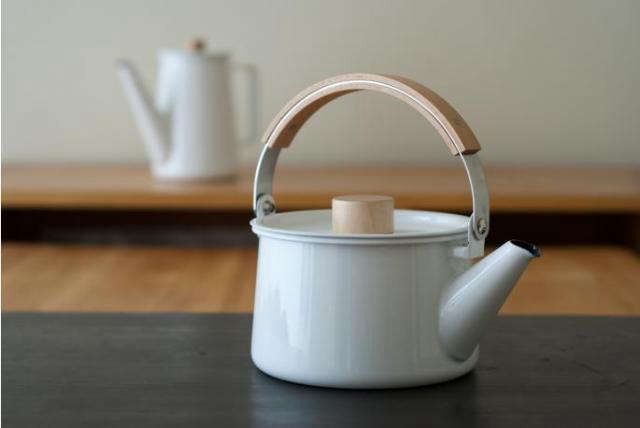
Kaico Cookware by Koizumi Studio is what happens when Japanese design refuses to shout and still somehow becomes the most elegant thing in the kitchen. Clean white enamel, warm wooden details, practical forms, and a quiet confidence make this cookware series feel less like a passing trend and more like a good habit you accidentally developed.
What Is Kaico Cookware?
Kaico is a Japanese enamelware cookware series designed by Makoto Koizumi, the Tokyo-based designer behind Koizumi Studio. The collection includes everyday kitchen pieces such as a tea kettle, drip kettle, coffee pot, milk pan, lidded pot, lidded pan, pasta pot, and storage canisters. At first glance, the line looks simple: white enamel, rounded forms, wood accents, and minimal decoration. But that simplicity is exactly the point.
Instead of trying to impress with shiny gimmicks, Kaico cookware focuses on the basics: heat, water, food, hands, washing, storage, and daily repetition. It is cookware for people who actually cook, not just people who arrange their kitchen shelves for social mediaalthough, to be fair, Kaico does look suspiciously good on open shelving.
The name “Kaico” is often associated with softness, nostalgia, and the silk-like quality of its enamel finish. That is a fitting description. These pieces do not look industrial or overly technical. They look calm, almost familiar, as though they have been sitting in a thoughtful kitchen for decades, politely waiting for tea water to boil.
The Design Philosophy Behind Koizumi Studio
Makoto Koizumi is known for designing objects that sit close to everyday life. His work spans furniture, household tools, tableware, and kitchen items, yet the common thread is usefulness shaped with restraint. Koizumi Studio does not seem interested in decoration for decoration’s sake. The goal is not to make a pot look “designed.” The goal is to make a pot feel right when someone reaches for it half-awake on a Tuesday morning.
That philosophy is easy to see in Kaico cookware. The handles are not just visual contrast; they are part of the tactile experience. The rounded bodies are not just cute; they make the pieces approachable and easy to clean. The white enamel is not just pretty; it reflects cleanliness, simplicity, and a certain timeless kitchen honesty. In a market crowded with cookware that promises to change your life, Kaico simply promises to do its job beautifully.
Why the Minimalism Works
Minimalism can sometimes feel cold, but Kaico avoids that trap. The combination of white enamel and natural wood creates warmth without clutter. The pieces look modern, but not sterile. They feel Japanese, but not costume-like. They can live comfortably in a farmhouse kitchen, a Scandinavian-inspired apartment, a minimalist condo, or a small breakfast corner where the “coffee station” is just a heroic shelf doing its best.
Materials: White Enamel, Steel, and Wood
The defining material of Kaico cookware is enamel-coated steel. Enamelware is made by bonding a glass-like enamel layer to metal, creating a smooth, durable surface that is easy to wipe clean. In Kaico’s case, the enamel finish gives the cookware its signature milky white appearance. Many pieces also feature wooden details, such as maple knobs or beechwood handles, which soften the overall look and make the pieces feel more like household companions than kitchen machinery.
Enamel-coated steel has a few practical advantages. It is generally lighter than enameled cast iron, heats efficiently, and cleans more easily than raw metal surfaces. It is also visually bright, which makes it easier to see the color of tea, sauces, milk, soup, or pasta water. That may sound minor until you have burned milk in a dark pan and had to interrogate the smell like a detective.
However, enamel should be treated with reasonable care. It is durable, not immortal. Sharp metal utensils, hard drops, sudden impacts, and abrasive cleaners can damage the finish. In other words, Kaico is not fussy, but it does appreciate not being treated like camping gear thrown into the back of a truck.
Popular Pieces in the Kaico Cookware Collection
Kaico Tea Kettle
The Kaico tea kettle is one of the most recognizable pieces in the collection. With its rounded white body, wooden handle, and simple knob, it has the kind of presence that makes boiling water feel like a small ceremony. It works especially well in kitchens where the kettle stays on the stovetop rather than hiding in a cabinet. This is not a kettle that wants to disappear.
Many Kaico kettle listings describe it as suitable for induction, gas, and electric stovetops, though buyers should always check the specific model details before purchasing. The enamel exterior and dark interior create a clean contrast, while the wooden parts add comfort and visual warmth.
Kaico Drip Kettle
For pour-over coffee lovers, the Kaico drip kettle is the more specialized sibling. Its long spout is designed for controlled pouring, which matters when brewing coffee by hand. A steady pour helps saturate the coffee grounds evenly, making the brewing process feel less like dumping water and more like conducting a tiny breakfast orchestra.
The drip kettle keeps the same design language as the rest of the series: white enamel, wood detail, and quiet precision. It is an ideal choice for someone who already owns a grinder, says things like “bloom time,” and has strong feelings about paper filters.
Kaico Coffee Pot
The Kaico coffee pot brings old-school charm to the collection. Its form is graceful without being fragile, and its enamel-coated steel body gives it a classic look. It is especially appealing for kitchens that lean into slow mornings, open shelves, and objects that do not need logos to prove their worth.
Kaico Milk Pan
The Kaico milk pan may be the most useful small piece in the lineup. It is made for warming milk, heating sauces, preparing small portions of soup, boiling eggs, melting butter, or making a quick cup of hot chocolate. The size makes it ideal for everyday tasks that do not require a full saucepan.
The milk pan is also a good example of Koizumi’s attention to proportion. The handle feels intentional, the spout helps with pouring, and the white enamel makes the pan feel lighter visually than a typical small pot. It is the kind of pan that earns its space by being useful several times a week.
Kaico Lidded Pot and Lidded Pan
The lidded pot and lidded pan are designed for more general cooking. These pieces work well for soups, grains, vegetables, sauces, reheating leftovers, and everyday simmering. The wide base found on some models helps distribute heat across a larger surface area, which can make cooking feel more controlled.
The lids add versatility, especially for recipes that need gentle simmering or heat retention. And yes, the maple knob on top looks adorable. It is functional, but let us not pretend it is not also charming.
Kaico Pasta Pot
The Kaico pasta pot is one of the larger, more practical pieces in the series. It typically includes a strainer insert, allowing pasta or vegetables to be lifted out more easily. For anyone who has ever tried to drain spaghetti while steam attacks their face, this is not a small feature. It turns a messy step into something smoother and safer.
Beyond pasta, the pot can be used for blanching vegetables, cooking noodles, boiling potatoes, or preparing larger batches of soup. It keeps the Kaico look while offering a more substantial cooking role.
Kaico Canisters
The Kaico canisters extend the collection beyond cooking and into storage. Made with the same enamel-coated look, they are designed for coffee beans, tea, snacks, dry goods, or countertop organization. Many feature a gasket that helps the lid close securely. They are useful for anyone who wants storage containers that do not look like they escaped from a warehouse supply closet.
Why Kaico Cookware Stands Out
Kaico stands out because it understands something many modern products forget: beauty is more powerful when it does not interrupt function. The cookware is not trying to reinvent the pot, kettle, or pan. Instead, it refines them. It removes visual noise, improves everyday handling, and gives common kitchen tools a sense of quiet dignity.
Another strength is consistency. Each piece feels like part of the same family. If you own the kettle and later add the milk pan or canisters, the kitchen begins to feel more cohesive without looking staged. The pieces do not match in a loud, showroom way. They match in a natural, lived-in way.
Kaico also appeals to people who want cookware that can remain visible. Not every pot deserves counter space. Some cookware is best stored behind a door and emotionally forgotten. Kaico, however, works as both a tool and a visual element. It looks good on a stovetop, a shelf, or a small kitchen cart.
How to Use Kaico Cookware in an Everyday Kitchen
Kaico cookware is best suited for thoughtful daily cooking rather than rough, high-impact use. The milk pan is excellent for breakfast routines: oatmeal, warm milk, chai, cocoa, or a small sauce. The tea kettle and drip kettle are natural fits for tea and pour-over coffee. The lidded pots are great for soups, vegetables, rice, and reheating food gently. The pasta pot is ideal when you want function with less drama at the sink.
Because enamelware heats efficiently, it is wise to avoid blasting the burner at maximum heat without attention. Moderate heat is usually enough for most tasks. Preheating should be gentle, and heating an empty enamel pot for too long is not recommended. Food is still food, and physics is still physics; even beautiful cookware can burn dinner if abandoned during a “quick” scroll on your phone.
Best Foods to Cook in Kaico Pieces
Kaico cookware is especially good for liquids and gentle cooking: tea water, coffee water, broth, milk, sauces, soups, noodles, vegetables, and small everyday meals. The smooth enamel surface also makes it practical for ingredients that might stain or cling to unfinished metal, though cleaning soon after use is always a smart habit.
Care and Cleaning Tips
To keep Kaico cookware looking its best, hand washing is the safest routine. Use mild dish soap, warm water, and a soft sponge. Avoid steel wool, harsh scouring pads, or aggressive abrasive cleaners. If food sticks, soaking the pot with warm water can help loosen residue before washing.
Wooden or silicone utensils are good companions for enamel cookware. Metal utensils can be used carefully, but they increase the risk of scratches or chips if scraped hard against the surface. Also avoid dropping lids or nesting pieces carelessly, since enamel can chip when hit against hard surfaces.
After washing, dry the cookware thoroughly before storing it. If your Kaico piece has wooden details, avoid soaking those parts for long periods. Wood and water have a complicated relationship; they tolerate each other politely, but they should not be forced into a long weekend together.
Who Should Buy Kaico Cookware?
Kaico cookware is ideal for people who value design, craftsmanship, and daily usability. It is especially appealing if you like Japanese kitchen tools, enamel cookware, minimalist interiors, or objects that feel calm and intentional. If your kitchen is small, Kaico’s visual lightness is a bonus because the white enamel does not make the space feel crowded.
It is also a great fit for gift buyers. A Kaico kettle, milk pan, or canister set feels personal without being too risky. Unlike a hyper-specific gadget, these are items people can actually use. They are thoughtful, practical, and beautifulthe holy trinity of good gifting.
However, Kaico may not be the best choice for someone who wants dishwasher-heavy, rough-and-tumble cookware with zero maintenance awareness. If you prefer tossing pans into the sink from across the room like a professional athlete, stainless steel may forgive you more readily. Kaico rewards a gentler approach.
Kaico Cookware and Kitchen Aesthetics
From an interior design perspective, Kaico cookware works because it bridges several styles. It fits naturally into Japandi kitchens, Scandinavian-inspired spaces, modern farmhouse interiors, and minimalist apartments. The white enamel keeps things bright, while the wood details prevent the look from becoming too clinical.
Kaico also pairs well with other natural materials: oak shelves, linen towels, stone countertops, ceramic mugs, stainless steel tools, and glass jars. It can soften a modern kitchen or tidy up a visually busy one. Even one Kaico kettle on a stove can make the kitchen feel more deliberate, as if someone in the house knows exactly where the good tea is kept.
Styling Ideas
Place the Kaico tea kettle on a stovetop as a permanent visual anchor. Use the canisters for coffee and tea near your brewing station. Keep the milk pan on a lower open shelf with a folded kitchen towel. Pair the white enamel with matte black utensils or warm wooden boards. The result is simple, functional, and quietly polished.
Value: Is Kaico Worth It?
Kaico cookware is not usually the cheapest enamelware on the market, but it offers value through design quality, thoughtful construction, and long-term appeal. The pieces are not trendy in the disposable sense. They feel like objects you can keep, use, and enjoy for years if you care for them properly.
Part of the value also comes from emotional durability. Some products become annoying after the novelty fades. Kaico tends to do the opposite. The more you use it, the more its restraint makes sense. The kettle boils water. The milk pan warms sauce. The canister holds coffee. Nothing flashes, beeps, syncs, updates, or demands a password. In the modern kitchen, that is practically a luxury feature.
Experience-Based Notes: Living With the Idea of Kaico Cookware
Using Kaico cookware in an everyday kitchen is less about dramatic performance and more about daily rhythm. Imagine starting the morning with the white enamel kettle on the stove. It does not scream for attention, but it does make the routine feel calmer. You fill it, set it down, turn on the burner, and suddenly boiling water feels like a small ritual rather than a task squeezed between notifications.
The milk pan is the sort of piece that becomes useful in ways you do not expect. At first, you might buy it for warm milk or sauces. Then it becomes the pan for oatmeal, boiled eggs, instant noodles, melted butter, gravy, reheating soup, and making cocoa when the day has been unnecessarily dramatic. Its small size means you reach for it instead of dragging out a larger pot. That matters. The best cookware is often the cookware that reduces tiny friction points.
The white enamel also changes the mood of cooking. Dark pans can feel heavy and serious. Kaico feels lighter, visually and emotionally. When you are making tea, heating broth, or simmering a small sauce, the clean interior helps you see what is happening. You notice color changes, bubbles, and thickness more easily. It is a subtle benefit, but cooking is full of subtle benefits. A better handle angle here, a clearer surface there, a lid that sits nicelythese are the details that make a kitchen feel less chaotic.
There is also pleasure in leaving Kaico pieces out. Many kitchens have appliances and cookware that only look good from a distance or under very forgiving lighting. Kaico can sit on a stovetop or shelf and still look composed. That makes it especially useful in smaller homes where storage space is limited. If a pot has to be visible, it might as well be beautiful.
The main adjustment is care. Kaico is not difficult to maintain, but it asks for attention. You rinse it after use, wash it gently, avoid harsh scrubbers, and dry it properly. You do not bang the lid around or attack the enamel with metal tools. This is not high-maintenance behavior; it is basic respect for a well-made object. Treating cookware well also changes how you cook. You slow down slightly. You pay attention. You stop pretending every kitchen item should survive being abused like a rental car.
In daily use, the appeal of Kaico is that it makes ordinary acts feel better without making them complicated. Tea is still tea. Pasta is still pasta. A storage canister is still a storage canister. But the tools are nicer to touch, easier to look at, and more satisfying to keep around. That is the real charm of Kaico Cookware by Koizumi Studio: it does not try to turn cooking into theater. It simply makes the everyday kitchen feel more thoughtful, one quiet white enamel piece at a time.
Conclusion
Kaico Cookware by Koizumi Studio is a strong example of Japanese design at its most useful: simple, warm, practical, and quietly beautiful. Designed by Makoto Koizumi, the collection turns humble enamelware into something worth noticing without sacrificing function. From the tea kettle and drip kettle to the milk pan, lidded pot, pasta pot, and canisters, each piece brings together clean form, durable materials, and everyday purpose.
For home cooks who want tools that look good, work well, and age gracefully with proper care, Kaico is easy to admire. It is not loud luxury. It is not gadget culture. It is the kind of cookware that makes your kitchen feel calmer and more intentionalwhile still being ready to boil water, warm soup, cook noodles, and rescue your afternoon with a very respectable cup of tea.
SEO Tags
Note: This article is written for web publication in standard American English and is based on publicly available product information, designer profiles, and general enamel cookware care guidance. Source links are intentionally not displayed inside the article body.












