
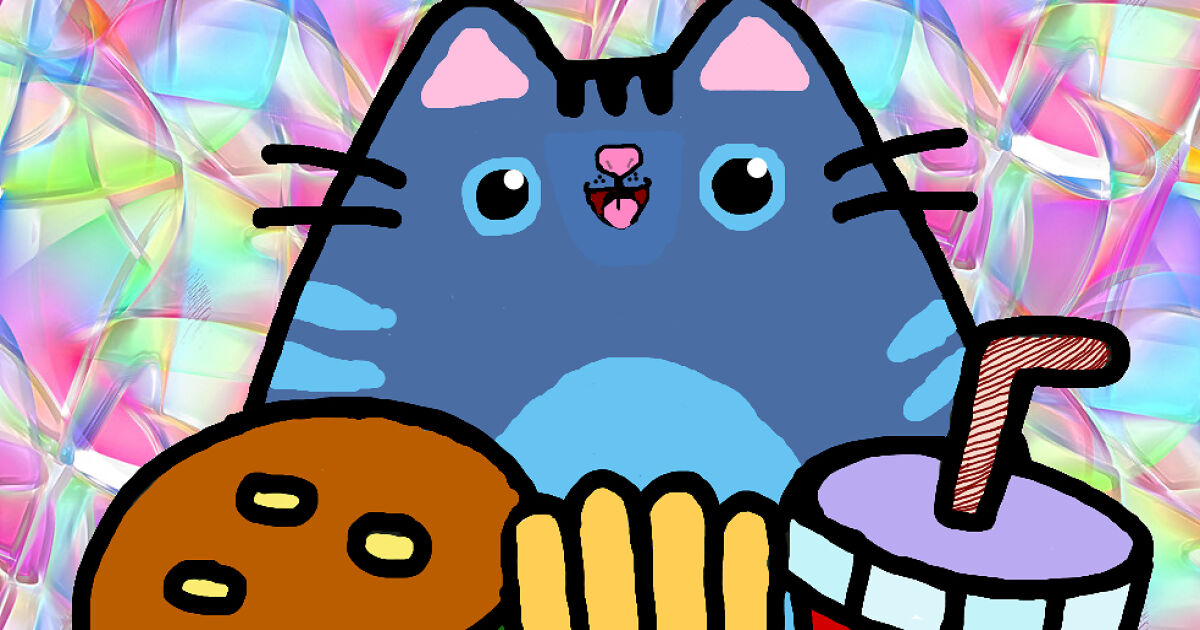
Some people journal. Some people bake banana bread with the emotional intensity of a championship athlete. Some people reorganize their pantry until the pasta looks like it belongs in a museum. And some people, when illness and disability make daily life feel like a maze with no exit sign, pick up a stylus, open a drawing app, and start turning pain into color.
That is the heart of this story: using art to cope with illnesses and disabilities, then sharing that art on Instagram in the hope that it might make someone else feel less alone. It sounds simple, almost too simple. Draw something. Post it. Add a caption. Hope it lands softly somewhere in the busy scroll of the internet. But for many people living with chronic illness, disability, pain, or mental health challenges, creative expression can become more than a hobby. It can be a lifeline, a mood booster, a tiny rebellion against the idea that a difficult body gets to write the entire story.
The original inspiration comes from a creator who shared that she lives with multiple illnesses and disabilities, including autism-related experiences, post-sepsis complications, chronic pain, type 1 diabetes, endometriosis, PCOS, and an amputation after years of complex regional pain syndrome. She began making digital art on an iPad, often using a simple app, and posted her favorite pieces on Instagram not for fame or applause, but to lift someone’s spirits. That intention matters. In a social media world often obsessed with perfect lighting, perfect bodies, and perfectly unrealistic morning routines, here was someone saying, “This is what helps me survive the day. Maybe it can help you smile, too.”
Art Does Not Cure Illness, But It Can Change the Room
Let’s be clear: art is not a magic wand. A sketch cannot replace insulin. A digital collage cannot undo nerve pain. A cheerful drawing cannot make medical appointments less exhausting or make disability access suddenly appear where it should have existed all along. But art can change the emotional atmosphere around illness. It can give a person a place to put feelings that are too tangled for ordinary conversation.
People living with chronic illness often deal with more than symptoms. They may face uncertainty, isolation, medical trauma, body changes, financial pressure, fatigue, and the strange experience of becoming fluent in insurance paperwork against their will. Disability can also reshape identity. A person may have to learn new routines, new limits, new tools, and new ways of asking for help. That adjustment can be physically and emotionally demanding.
Creative expression offers a different kind of language. A drawing can say, “I am tired,” without requiring a long explanation. A painting can say, “I am angry,” without needing to be polite. A bright, silly, cartoonish image can say, “I am still here, and I still like bubblegum colors, thank you very much.” Sometimes that is enough to get through one more afternoon.
Art Therapy vs. Making Art as Therapy
There is an important difference between formal art therapy and using art as a personal coping tool. Art therapy is a mental health profession led by a trained, credentialed art therapist. In that setting, art-making is part of a therapeutic relationship and may help people explore emotions, trauma, anxiety, grief, illness adjustment, or communication challenges.
Making art at home is different. It may not be clinical treatment, but it can still be deeply meaningful. A person does not need a gallery, a degree, or the ability to draw hands that do not look like confused spaghetti. The value is often in the process: choosing colors, making marks, focusing attention, creating a small world that can be controlled when the real one feels wildly uncooperative.
That is why digital art can be especially powerful for disabled creators. An iPad or phone can bring the studio to a bed, couch, hospital room, or waiting area. Undo buttons are merciful. Layers are forgiving. Brushes never dry out. If fatigue hits, the artwork can wait. If pain spikes, the app will not complain. Digital tools make creativity more accessible for people who may not have the stamina, mobility, money, or space for traditional supplies.
Why Creativity Helps People Cope With Chronic Illness
Chronic illness often steals control. Symptoms may arrive without asking. Energy may disappear mid-conversation. Plans may be canceled. Friends may not understand. Doctors may disagree. The body may feel less like a home and more like an unreliable landlord.
Art gives back a small but powerful sense of control. The artist decides what to make, what to share, what to keep private, what colors to use, and what the image means. That decision-making can feel surprisingly healing. Even when the body is unpredictable, the canvas can become a place where the creator chooses the next move.
Creative work can also interrupt rumination. Pain and anxiety are noisy. They loop. They repeat. They barge into the brain like a neighbor with a leaf blower at 7 a.m. Art-making can redirect attention toward texture, shape, rhythm, and color. It may not eliminate pain, but it can make room for something besides pain.
For some people, creativity also helps rebuild identity. Illness can shrink a person in the eyes of others: patient, case number, diagnosis, wheelchair user, amputee, diabetic, autistic person, chronically ill person. Those labels may be accurate, but they are not complete. Art says, “I am also funny. I am observant. I like neon colors. I have opinions about ice cream. I can make something that did not exist yesterday.”
Instagram as a Tiny Gallery With a Giant Door
Sharing art on Instagram can turn private coping into public connection. A post may reach someone lying in bed during a flare-up, someone scrolling during an infusion, someone recovering from surgery, or someone newly diagnosed and quietly terrified. A cheerful image might not solve their problem, but it can interrupt loneliness. Sometimes the message is not hidden in the art itself. Sometimes the message is simply: another person is out here making beauty while dealing with hard things.
Instagram can function like a gallery, a scrapbook, a support group, and a visual diary all at once. For disabled artists, it can also bypass barriers that exist in traditional art spaces. No need to transport canvases. No need to stand at an exhibition opening while pretending not to be exhausted. No need to wait for permission from gatekeepers. A creator can post from bed, from a wheelchair, from a kitchen table, or from the quiet corner where the Wi-Fi behaves itself.
Of course, social media is not all sparkle filters and emotional support. It can bring comparison, rude comments, misinformation, and pressure to perform vulnerability. That is why boundaries matter. A creator does not owe followers every medical detail, every symptom update, or every painful chapter. Inspiration should never require self-exploitation. The healthiest version of sharing is one where the artist remains in charge.
The Power of “Imperfect” Art
One of the most refreshing parts of this story is the creator’s honesty about not claiming to be a professional artist. That is exactly why the work resonates. The internet already has plenty of hyper-polished content. There is something beautiful about art that says, “I made this because it helped me, and I hope it helps you.”
Perfection can be intimidating. It tells people to wait until they are better, neater, more trained, more impressive. But coping does not require perfection. Coping requires participation. A doodle can count. A digital sticker collage can count. A messy watercolor flower that looks vaguely like a confused jellyfish can count. The question is not, “Would this sell at auction?” The better question is, “Did making this give me five minutes of peace?”
That attitude can be liberating for anyone who wants to start creating but feels unqualified. You do not need to be “good” at art to benefit from making it. You need curiosity, patience, and the willingness to let the first version be awkward. In fact, awkward art may be the most honest kind. It shows the hand, the mood, the moment. It carries evidence of being human.
Disability Art Challenges the Way People See Strength
When disabled and chronically ill people share creative work, they also challenge narrow ideas about strength. Strength is often imagined as pushing through, never complaining, always smiling, and turning every hardship into a motivational quote suitable for a gym wall. Real strength is usually less shiny. It looks like resting before a flare becomes a crisis. It looks like asking for help. It looks like adapting tools. It looks like making one picture on a bad day and deciding that one picture is enough.
Disability art also pushes back against pity. It reminds viewers that disabled people are not symbols, lessons, or sad background music. They are creators, storytellers, comedians, critics, friends, and people with full inner lives. Their work may include pain, but it can also include humor, fantasy, sweetness, weirdness, joy, and ordinary delight.
That matters because representation shapes imagination. When people see disabled creators sharing art online, they see disability connected with creativity rather than only limitation. They see someone building a life with tools that fit their reality. They see that inspiration does not have to come from pretending everything is fine. It can come from making something honest while everything is complicated.
How Art Builds Community Without Demanding Big Energy
One of the hardest parts of chronic illness is that social life often requires energy a person may not have. Going out can involve pain management, transportation, medication, accessibility questions, sensory overload, mobility planning, and recovery time afterward. Even texting back can feel like climbing a mountain while carrying a backpack full of bricks.
Posting art can offer a lower-energy form of connection. A creator can share a picture, write a short caption, and let the post speak for them. Followers can respond with comments, hearts, or messages. The exchange may be small, but small connection is still connection. A kind comment can turn a lonely day into a slightly less lonely one.
For viewers, seeing art from someone with similar experiences can be validating. It can say, “You are not strange for needing rest. You are not weak for struggling. You are not invisible.” That kind of recognition is powerful, especially for people whose conditions are misunderstood, dismissed, or hidden.
Practical Ways to Start Making Art When You Are Sick, Tired, or Overwhelmed
Anyone inspired by this story can begin gently. The goal is not to build an empire of content. The goal is to create a reliable pocket of relief. Start with tools that match your energy. If sitting at a desk is difficult, try a tablet, phone app, sketchbook, voice notes, or a small watercolor set near your bed. If your hands hurt, experiment with larger styluses, adaptive grips, collage, photography, or arranging digital images. If decision fatigue is high, use prompts: draw your pain as weather, design a comfort creature, make a color palette for your mood, or create a tiny poster that says what you needed to hear today.
Keep the rules friendly. Five minutes counts. Ugly counts. Unfinished counts. Private counts. Art made while wearing pajamas at 2 p.m. absolutely counts. Chronic illness already comes with enough rules, forms, and instructions. Your creative practice does not need to behave like another medical appointment.
Sharing Online Without Losing Yourself
If you choose to share your work on Instagram, protect your peace like it is a rare houseplant. Decide what you are comfortable discussing. You can talk about disability without listing every diagnosis. You can share art without explaining the pain behind it. You can inspire people without becoming available to everyone at all times.
Captions can be simple. “Made this during a rough pain day.” “Trying to focus on color instead of anxiety.” “A little digital doodle to brighten the feed.” These small statements are enough. You can also use accessibility features such as alt text so blind and low-vision users can experience your artwork through descriptions. That one step turns inspiration into inclusion.
It is also wise to avoid presenting personal coping methods as universal cures. What helps one person may not help another. A responsible creator can say, “This helps me,” rather than “This will fix you.” That difference keeps the message compassionate and honest.
Why This Story Resonates
This story resonates because it is not trying too hard to be inspirational. It is not wrapped in glossy perfection. It is a person living with difficult realities, using accessible tools, making colorful images, and hoping to brighten someone’s day. That is humble. That is human. That is also more powerful than another airbrushed wellness slogan about “choosing happiness,” which usually makes people with chronic illness want to throw a pillow at the wall.
The beauty is in the sincerity. When someone creates through pain, they are not denying pain. They are refusing to let pain be the only author. When someone shares art online, they are not necessarily asking to be admired. They may simply be offering a lantern. Small, handmade, imperfect, glowing.
Additional Personal-Style Reflections: What This Experience Can Feel Like
Using art to cope with illness or disability often begins quietly. It may start on a day when there is nothing dramatic to do except endure. The body hurts, the mind feels foggy, the calendar is full of appointments, and the world outside seems to be sprinting while you are negotiating with your own nervous system just to sit upright. On a day like that, opening a drawing app can feel almost silly. What is a doodle supposed to do against pain, fatigue, fear, or frustration?
Then something small happens. You choose a color. Maybe blue because it feels calm. Maybe orange because you need proof that warmth still exists. Maybe pink because the day has been rude and pink is your tiny revenge. You draw one line, then another. The first few marks look uncertain. That is fine. You are not trying to impress a museum curator. You are trying to stay with yourself.
After a while, the artwork becomes a place where the illness is present but not in charge. Pain may still be there, but now there is also texture. Fatigue may still be there, but now there is a pattern. Anxiety may still be there, but now it has to share space with a cartoon star, a flower, a dragon, or a goofy little character with extremely questionable hair. This is not a cure. It is companionship. It is a way of saying, “I can make something even when I cannot do everything.”
Sharing the finished piece can bring another layer of meaning. Pressing “post” may feel vulnerable, especially when the art is connected to illness or disability. There is always that little voice asking, “What if people think this is weird?” But then someone comments, “This made me smile,” or “I needed this today,” or “I also live with chronic pain, and I get it.” Suddenly, the art has traveled farther than the body could. It has crossed rooms, cities, and time zones. It has reached another person who might be sitting in their own difficult day.
That exchange can be surprisingly healing. Not because likes equal worth, but because connection reminds people they are not disappearing. Chronic illness can make life feel smaller. Disability can make the world feel full of locked doors. Art shared online can open a window. It lets others see not just the struggle, but the personality behind it: the humor, the imagination, the softness, the stubborn joy.
There may also be hard moments. Some days, creativity will not come. Some posts may get ignored. Some people may misunderstand. A few may say careless things, because the internet occasionally behaves like it was raised by raccoons. That is when boundaries become part of the art practice. You can delete comments. You can take breaks. You can keep some pieces private. You can make art only for yourself for a while. Inspiration should never cost your peace.
Over time, the practice can become a record of survival. Scroll back through the images and you may see more than drawings. You may see hospital weeks, flare weeks, grief weeks, brave weeks, boring weeks, and surprisingly good weeks. You may see proof that even when life was difficult, you kept making marks. You kept choosing color. You kept finding little ways to say, “I am still here.”
That is why this topic matters. Art made through illness or disability is not small. It is a form of adaptation, communication, emotional release, and community-building. It is a reminder that creativity belongs to everyone, including people who create from bed, from recovery, from pain, from uncertainty, and from bodies that do not follow the standard script. Sometimes the most inspiring art is not the most technically perfect. Sometimes it is the piece that says, quietly and honestly, “Today was hard, but I made this anyway.”
Conclusion
Using art to cope with illnesses and disabilities is not about pretending life is easy. It is about finding a way to breathe inside the hard parts. It is about turning a tablet, sketchbook, or phone screen into a small safe place. It is about transforming private struggle into color, humor, connection, and sometimes even hope.
Sharing that work on Instagram can inspire others because it makes resilience visible without making it fake. It shows that disabled and chronically ill people are not defined only by symptoms, surgeries, diagnoses, or limitations. They are creators. They are storytellers. They are allowed to be joyful, messy, tired, funny, uncertain, and brilliant all at once.
And maybe that is the most meaningful lesson here: art does not need to fix everything to matter. Sometimes it only needs to make one day softer. Sometimes it only needs to help one person feel seen. Sometimes one little digital drawing, posted with a hopeful caption, can travel across the internet and whisper to someone else, “You are not alone.”
Note: This article is intended for storytelling and general educational purposes. Art-making can support emotional well-being, but it should not replace medical care, mental health treatment, or professional support when needed.











