
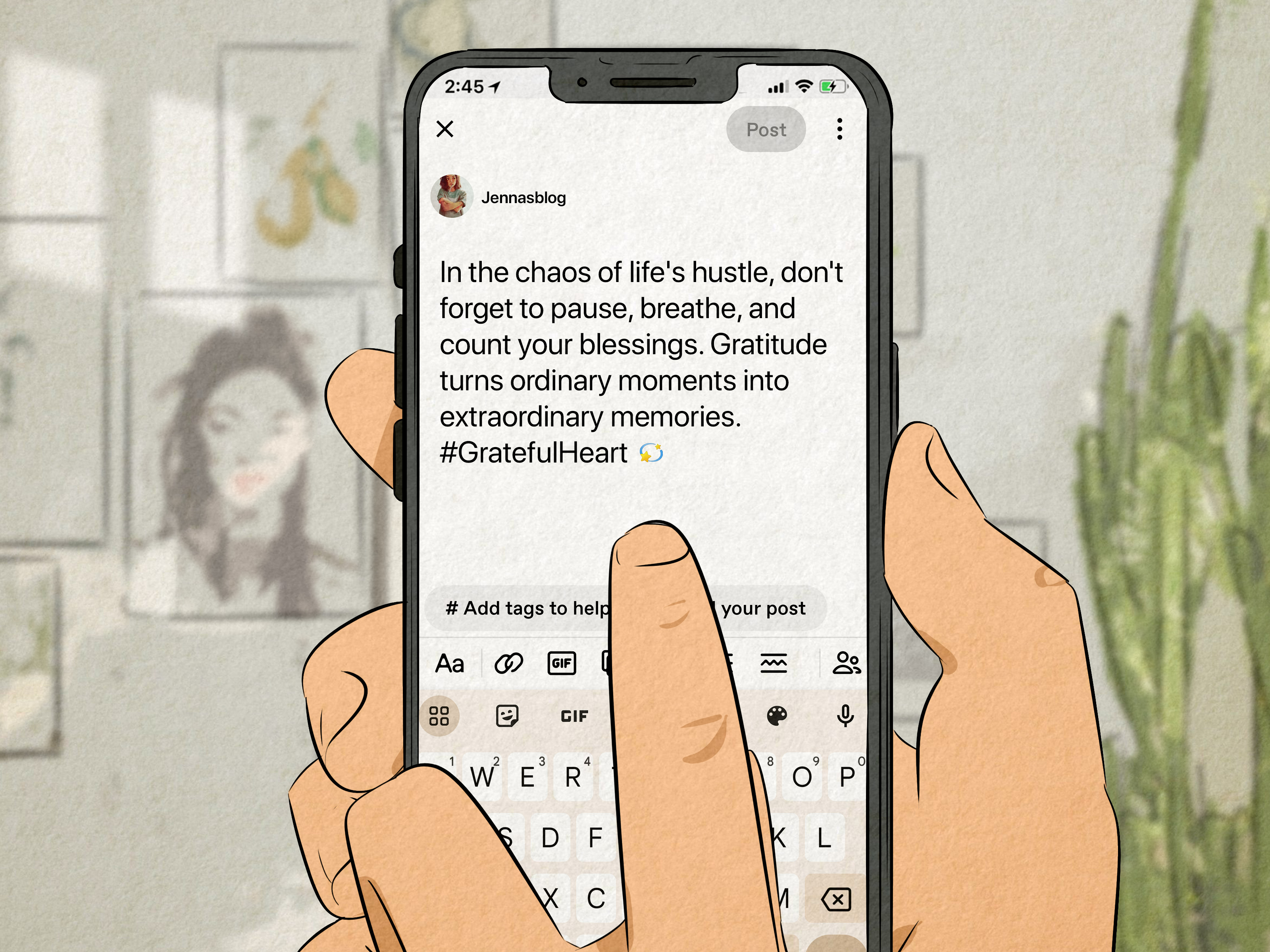
Is Tumblr used for dating? Technically, yespeople can meet, flirt, build friendships, and sometimes stumble into romance on Tumblr. But calling Tumblr a dating app is a little like calling a bookstore a matchmaking service because two people reached for the same fantasy novel and locked eyes over a dragon map. Possible? Absolutely. Designed for that? Not really.
Tumblr and Tinder live in very different corners of the internet. Tumblr is a microblogging and social networking platform built around posts, reblogs, tags, fandoms, art, personal writing, memes, communities, and those oddly specific inside jokes that make perfect sense to three people and a raccoon with Wi-Fi. Tinder, on the other hand, is an online dating app designed for adults to discover potential romantic matches through profiles, swipes, likes, matches, and private chats.
So, if you are wondering whether Tumblr can be used for dating, the honest answer is: sometimes, indirectly. If you are asking whether Tumblr works like Tinder, the answer is: not even close. Tumblr is interest-first. Tinder is dating-first. Tumblr says, “Here is my blog full of poetry, screenshots, opinions, and emotional weather reports.” Tinder says, “Here is my profile. Are we matching or not?”
What Is Tumblr Actually Used For?
Tumblr is best understood as a mix of blogging, social networking, creative publishing, and community discovery. Users create blogs, publish multimedia posts, follow other blogs, reblog content, add tags, send asks, reply to posts, join communities, and use direct messaging when available. Its culture has long been shaped by fandoms, artists, writers, humor accounts, aesthetic blogs, niche communities, activism, personal journals, and pop-culture commentary.
Unlike platforms that push users to present a polished real-life identity, Tumblr often rewards personality, taste, and voice. A person’s blog might reveal more about their interests than a standard dating profile ever could. You might learn that someone loves vintage horror movies, writes dramatic tags under every reblog, collects frog memes, and has strong opinions about fictional characters who needed therapy three seasons ago. That can create connectionbut it is not the same as a dating match.
How People Connect on Tumblr
Connections on Tumblr usually begin through shared interests. Someone reblogs your post. You notice their tags. They send an ask. You respond. A few weeks later, you are mutuals. After that, maybe you chat. Maybe you become friends. Maybe nothing happens except you both silently like each other’s posts for four years, which is also very Tumblr.
Because Tumblr is not centered on dating intent, romance tends to grow slowly and indirectly. Users may bond over fandoms, writing, art, identity, humor, or similar life experiences. The platform encourages expression first, conversation second, and romance only if both people naturally move in that direction. This makes Tumblr feel more organic than a dating app, but also more ambiguous.
So, Is Tumblr Used for Dating?
Yes, Tumblr can be used for dating in the sense that people can meet there and develop romantic interest. However, Tumblr is not a dedicated dating platform. There is no built-in dating profile format, no location-based matching system, no swiping, no mutual-like requirement before messaging, and no default assumption that users are single or looking.
That difference matters. On Tinder, people join with the clear expectation that they may meet romantic partners. On Tumblr, people usually join to post, follow, reblog, create, browse, and participate in communities. If romance happens, it is usually a side effect of social interactionnot the main product.
Think of Tumblr as a giant creative neighborhood. You might meet someone interesting at the comic shop, the poetry wall, the music corner, or the “we all love this one obscure character” support group. Tinder is more like a dating event with profiles and mutual interest signals built into the door.
What Is Tinder Designed For?
Tinder is designed as an online dating app for adults. Its core system is simple: users create profiles, view other profiles, swipe right to like, swipe left to pass, and can chat when two users mutually like each other. That match-based structure creates a clear dating context from the start.
Tinder profiles typically include photos, a bio, interests, age, distance, and sometimes prompts or verification features. The app is built to reduce the awkward first step: if two people match, both have already signaled some level of interest. Whether that leads to a date, a conversation, a relationship, or a chat that dies after “hey” depends on the humans involved. Technology can open the door; it cannot make anyone interesting once they walk through it.
Tinder Is Intention-First
The biggest difference between Tumblr and Tinder is user intent. Tinder users generally understand they are in a dating environment. That does not mean everyone wants the same thing, but the platform’s purpose is clear. Tumblr users may be looking for art, memes, community, fandom, emotional expression, or a place to post at 2 a.m. about a movie from 2007. Dating is not the default expectation.
Tumblr vs. Tinder: The Main Differences
1. Purpose
Tumblr is built for publishing, sharing, and community. Tinder is built for dating and meeting new people in a romantic or social context. Tumblr begins with content. Tinder begins with profiles.
2. Discovery
On Tumblr, discovery happens through tags, reblogs, communities, dashboards, and shared interests. You find people because they post something funny, thoughtful, beautiful, chaotic, or painfully relatable. On Tinder, discovery happens through a stack of dating profiles, often influenced by location, preferences, and app settings.
3. First Impressions
On Tinder, photos and short bios often carry the first impression. On Tumblr, first impressions are more about taste, humor, creativity, and the kind of posts someone shares. A Tumblr user might not show their face at all, yet their blog can still feel deeply personal. Tinder usually asks, “Do I feel attraction or curiosity?” Tumblr asks, “Why has this person reblogged seventeen posts about haunted libraries, and why do I respect it?”
4. Communication Style
Tinder communication usually begins after a match. Tumblr communication can begin through likes, replies, reblogs, tags, asks, submissions, and direct messages. Tumblr’s communication style is less direct and more layered. Sometimes the most meaningful interaction is not a message but a reblog with tags like “YES EXACTLY” or “OP I am shaking your hand through the screen.”
5. Dating Expectations
On Tinder, romantic interest is expected. On Tumblr, romantic interest must be handled carefully because the other person may not be looking for that at all. A friendly message on Tumblr should not assume attraction. The best approach is respectful, low-pressure, and based on shared interests rather than sudden romantic intensity.
6. Identity and Privacy
Tumblr often allows users to be more pseudonymous. People may use blog names, avatars, and curated identities rather than real names and dating-style photos. Tinder typically centers personal identity more directly because dating apps rely on profile presentation, location, photos, and age information.
7. Speed
Tinder is fast. Swipe, match, message, decide. Tumblr is slow. Follow, reblog, notice, interact, become mutuals, maybe chat, maybe build trust, maybe discover you live on different continents and both have impossible sleep schedules. Tumblr romance, when it happens, is usually more of a slow-burn fanfic than a lightning-round dating show.
Can Tumblr Be Better Than Tinder for Meeting People?
It depends on what “better” means. If you want a platform specifically designed for adult dating, Tinder is the more obvious tool. Its structure is built around mutual interest and meeting people. If you want to connect with people through shared creativity, fandom, writing, humor, or niche interests, Tumblr can feel more natural.
Tumblr may be better for people who dislike the pressure of dating apps. On Tumblr, you can get to know someone’s personality over time. You can see how they think, what they care about, and whether their sense of humor survives contact with reality. That can create deeper context than a few profile photos and a bio that says “fluent in sarcasm.”
However, Tumblr is also less efficient for dating. You may not know whether someone is single, nearby, interested in dating, or even comfortable being approached romantically. Tinder removes some of that uncertainty because users are there for dating-related discovery. Tumblr keeps the uncertaintyand sometimes the mystery is charming, but sometimes it is just confusing.
Why Tumblr Dating Can Feel More Personal
One reason Tumblr connections can feel powerful is that they often begin with shared inner worlds. Someone’s blog can reveal their favorite stories, aesthetics, beliefs, jokes, frustrations, and emotional language. Instead of leading with “Here are my best photos,” Tumblr often leads with “Here is what I think about at midnight.”
That can make attraction feel more personality-based. You might admire someone’s writing, laugh at their commentary, or feel seen by the way they describe an experience. Over time, this can create a sense of familiarity. In some cases, that familiarity becomes friendship. In rare cases, friendship becomes romance.
But this same intimacy can create false closeness. Reading someone’s blog is not the same as truly knowing them. A blog is a window, not the whole house. Before treating a Tumblr connection as romantic, it is important to build trust slowly, respect boundaries, and avoid assuming that online chemistry automatically equals real-world compatibility.
Why Tinder Dating Is More Direct
Tinder’s strength is clarity. People know they are viewing dating profiles. They know a right swipe means interest. They know a match opens the door to conversation. This structure can make dating less mysterious and more efficient.
That directness can be helpful for adults who want to meet people without guessing whether a conversation is friendly or flirty. Tinder also offers dating-specific features, including profile controls, matching tools, safety resources, reporting, unmatching, and verification-related features in some places.
Still, Tinder’s directness can feel stressful. Users often make quick judgments based on limited information. Conversations can feel repetitive. Some people experience dating-app fatigue because the process starts to feel like sorting through human flashcards. Tinder is efficient, but efficiency is not always romantic. Nobody wants to feel like they are being evaluated like a used sofa listing.
Safety Considerations on Tumblr and Tinder
Any platform where strangers can communicate requires caution. Tumblr and Tinder have different risks, but the basic safety rules overlap: protect personal information, move slowly, watch for manipulation, use reporting tools when needed, and be careful with anyone who pressures you for money, private details, photos, secrecy, or fast emotional commitment.
On Tumblr, users should be aware that not everyone is who they claim to be. Because the platform can be pseudonymous, it is smart to avoid sharing addresses, school or workplace details, daily routines, financial information, or private images with people you do not truly know. A charming blog does not verify a person’s identity.
On Tinder, safety concerns often involve meeting strangers in person, fake profiles, romance scams, harassment, and pressure to move conversations off-platform too quickly. Adults using dating apps should meet in public places, tell a trusted person about plans, arrange their own transportation, and trust their instincts if something feels wrong.
Another major difference is age. Tinder is for adults 18 and older. Tumblr allows younger users in many regions, with minimum-age rules depending on location. That makes Tumblr especially important to treat as a general social platform, not a dating space. If a user is under 18, they should not use adult dating apps and should be especially careful with private messages from strangers online.
How to Approach Someone on Tumblr Respectfully
If two adults are using Tumblr and one person is interested in getting to know the other better, the safest and most respectful approach is to start with shared interests, not romantic pressure. A good message might comment on a post, ask about a fandom, or mention a shared hobby. A bad message begins with intensity, demands, or personal questions that feel like an interrogation wearing a trench coat.
Respect is the key. If someone does not respond, leave them alone. If they seem friendly but not romantic, accept that. If they set boundaries, honor them immediately. Tumblr is full of people who are there to enjoy their interests, not to be treated like surprise contestants on a dating show.
When Tumblr Works Better Than Tinder
Tumblr may work better than Tinder for building slow, interest-based relationships. It is especially useful for people who care about shared fandoms, creative work, writing style, humor, values, or community participation. If personality matters more than instant attraction, Tumblr can reveal a lot over time.
For example, two users might follow the same art tag, reblog each other’s posts, start chatting about a favorite show, discover similar music taste, and eventually become close friends. If both are adults, single, and mutually interested, that connection could become romantic. The relationship begins with context, not a cold open.
When Tinder Works Better Than Tumblr
Tinder works better when adults want a dating-specific environment. It is clearer, faster, and more direct. Users can set preferences, review profiles, match with people who also expressed interest, and move toward conversation with less ambiguity.
For adults who want to date locally, Tinder is usually more practical than Tumblr. Tumblr does not primarily organize people by dating availability or location. You might develop a delightful connection with someone only to discover they live six time zones away and communicate mainly through cryptic tags. Tinder is built to reduce that kind of uncertainty.
Common Misunderstandings About Tumblr and Dating
“If someone likes my posts, they must like me romantically.”
Not necessarily. On Tumblr, likes and reblogs usually mean someone enjoyed the content. A like is not a love letter. Sometimes a reblog is just a reblog, not a digital proposal with tiny bells attached.
“Tumblr mutuals are basically dating prospects.”
Mutuals are people who follow each other. Some become friends. A few may become romantic partners. Many remain friendly strangers who share posts about cats, movies, books, memes, or existential dread. Mutual status does not equal romantic interest.
“Tinder is only for casual dating.”
Tinder is used by different adults for different goals. Some want casual dating, some want relationships, some want to meet new people, and some are still figuring it out. The important part is communication. Clear expectations prevent awkward surprises later.
“Tumblr is safer because it is not a dating app.”
Not automatically. Social platforms can still attract scammers, impersonators, harassers, and people with bad intentions. The fact that Tumblr is not a dating app does not remove the need for caution.
Practical Examples: Tumblr vs. Tinder in Real Life
Imagine someone named Alex joins Tumblr to post fan art. Another user, Jordan, reblogs Alex’s work and adds thoughtful tags. Alex notices, follows Jordan, and they start exchanging asks about their favorite characters. Months later, they chat more personally. Maybe they become friends. If both are adults and the interest is mutual, romance might grow naturally. That is a Tumblr-style connection: slow, interest-based, and community-shaped.
Now imagine Alex joins Tinder. Alex uploads photos, writes a short bio, sets preferences, and sees Jordan’s dating profile. Alex swipes right. Jordan swipes right too. They match and start chatting. That is a Tinder-style connection: direct, profile-based, and dating-oriented from the first interaction.
Neither path is automatically better. They simply serve different needs. Tumblr gives people room to be discovered through what they love. Tinder gives adults a structured way to express dating interest.
of Experience-Based Insight: What It Feels Like to Use Tumblr vs. Tinder for Connection
The experience of meeting someone on Tumblr can feel surprisingly intimate because it often starts without the pressure of dating. You are not staring at a profile wondering whether to make a move. You are reading a post, laughing at a tag, noticing someone’s taste, or seeing the same username appear again and again in your notifications. Over time, a stranger becomes familiar. Their blog develops a personality. You learn their favorite media, their humor, their posting rhythm, and the kinds of things they care about. It feels less like walking into a singles event and more like slowly realizing your favorite person at the library has been leaving funny notes in the margins.
That slow pace can be comforting. For people who feel overwhelmed by dating apps, Tumblr offers a softer kind of social discovery. There is no immediate need to judge someone by a photo or write the perfect opening line. You can interact through shared interests first. A reblog can become a reply. A reply can become an ask. An ask can become a message. A message can become a friendship. If romantic interest appears, it often comes after a foundation has already formed.
But Tumblr can also be confusing. Because it is not a dating platform, signals are not always clear. Someone may like your posts because they enjoy your content, not because they are interested in you personally. Someone may chat warmly but only want friendship. Someone may be private about their age, location, identity, or relationship status. That ambiguity can lead to overthinking. Tumblr users are Olympic-level overthinkers already; adding romantic interpretation to tags is basically giving everyone emotional homework.
Tinder feels different because the context is obvious. When adults match on Tinder, both people have made at least a small gesture of interest. That can be refreshing. You do not have to wonder whether it is strange to start a conversation. The match itself gives permission to say hello. The downside is that Tinder can feel fast and surface-level. Profiles are brief, photos matter a lot, and conversations sometimes repeat the same small-talk script. It can feel efficient, but not always personal.
In practice, Tumblr connection often feels like discovering someone through their inner world, while Tinder feels like meeting someone through a front door clearly labeled “dating.” Tumblr may create stronger emotional context, but it requires patience and boundary awareness. Tinder may create faster romantic opportunities, but it requires resilience and clear communication. The best platform depends on the goal. For adults actively looking to date, Tinder is more direct. For people hoping to find community first and connection second, Tumblr can be meaningfulbut it should be treated as a social space, not a dating shortcut.
Final Verdict: Is Tumblr Used for Dating?
Tumblr can be used for dating, but it is not built for dating. It is a social, creative, interest-based platform where relationships can happen naturally. Tinder is a dedicated adult dating app where romantic discovery is the main point. The difference comes down to intent, structure, speed, and expectations.
Use Tumblr to express yourself, find communities, share interests, and build authentic connections. Use Tinder, if you are an adult, when you want a dating-focused platform with matching features. In both spaces, respect boundaries, protect your privacy, and remember that real connection is not created by an algorithm, a reblog, or a swipe. It is created by honesty, patience, safety, and two people choosing to treat each other like humans instead of usernames.
SEO Tags
Note: This article is based on current public platform information, online dating research, and safety guidance. Platform rules and features may change, so publishers should review official Tumblr and Tinder policies before updating or republishing.












