
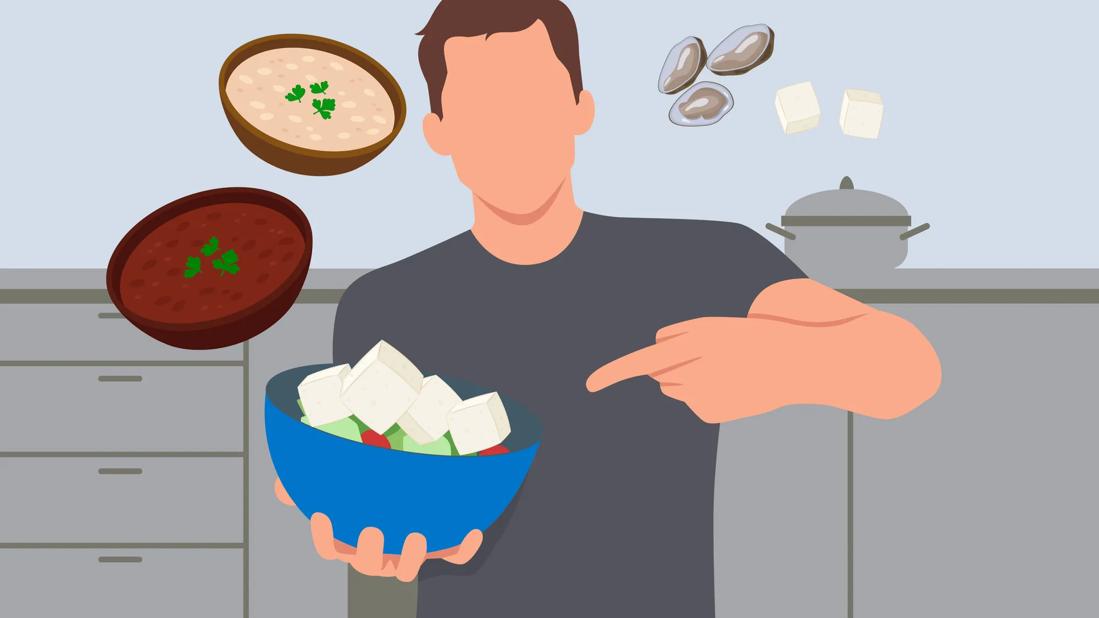
Iron is one of those nutrients that rarely gets the glamorous spotlight. Protein gets gym selfies. Vitamin C gets citrus commercials. Magnesium gets sleepy-time wellness TikToks. Iron? Iron is usually mentioned only when someone feels tired enough to become emotionally attached to the couch. But this small mineral is a big deal. Without enough iron, your body struggles to move oxygen, make energy, support brain function, maintain healthy muscles, and keep your immune system from acting like it showed up to work without coffee.
In simple terms, iron is an essential mineral your body uses to make hemoglobin, the protein in red blood cells that carries oxygen from your lungs to the rest of your body. It also helps make myoglobin, a protein that stores oxygen in muscles. That means iron is not just “good for blood.” It is involved in stamina, growth, focus, temperature regulation, hormone production, and everyday energy. If your body were a city, iron would be part delivery truck, part power plant, and part traffic controller.
This guide explains what iron is, why it matters, how much you need, which foods contain it, what happens when levels are too low or too high, and how to build practical iron-friendly habits without turning every meal into a nutrition spreadsheet.
What Is Iron?
Iron is a mineral found naturally in many foods, added to some fortified foods, and available as a dietary supplement. Your body cannot make iron on its own, so you must get it from food or, when medically recommended, supplements. Although the body needs only small amounts, those small amounts do heavy lifting.
Most iron in the body is found in hemoglobin inside red blood cells. Hemoglobin binds oxygen in the lungs and carries it through the bloodstream to organs, tissues, and muscles. Some iron is stored as ferritin, a protein that acts like your body’s iron savings account. When iron intake drops or demand rises, the body can withdraw from those stores. The problem begins when withdrawals continue and deposits do not keep up.
Heme Iron vs. Non-Heme Iron
Dietary iron comes in two main forms: heme iron and non-heme iron. Heme iron is found in animal foods such as meat, poultry, and seafood. It is generally easier for the body to absorb. Non-heme iron is found in plant foods such as beans, lentils, tofu, spinach, nuts, seeds, and fortified grains. It is still valuable, but its absorption is more affected by what else you eat.
For example, lentils with bell peppers or black beans with salsa can be a smart combination because vitamin C helps improve non-heme iron absorption. On the other hand, drinking tea or coffee with an iron-rich meal may reduce absorption for some people because certain plant compounds can bind iron. No, this does not mean coffee is canceled. It just means your iron-rich lunch may appreciate a little personal space from your latte.
Why Iron Is Important for Your Health
Iron’s main job is oxygen transport, but its benefits reach far beyond red blood cells. Healthy iron levels support energy, mental sharpness, immune defense, physical performance, pregnancy health, childhood development, and muscle function. When iron levels fall, the effects can be subtle at first, then increasingly disruptive.
1. Supports Healthy Oxygen Transport
The most famous role of iron is helping hemoglobin carry oxygen. Every cell in your body needs oxygen to function. Your brain needs it to think, your muscles need it to move, and your heart needs it because, frankly, the heart has a demanding job and no vacation policy.
When iron is low, the body may produce fewer healthy red blood cells or red blood cells with less hemoglobin. This can lead to iron-deficiency anemia, a condition in which the blood cannot carry oxygen efficiently. The result may be fatigue, weakness, dizziness, headaches, shortness of breath, pale skin, cold hands and feet, and a racing heartbeat.
2. Helps Maintain Energy Levels
Iron does not give you energy the way caffeine gives you the illusion that you can answer emails at superhero speed. Instead, iron helps your body produce usable energy by supporting oxygen delivery and cellular function. When oxygen transport is efficient, your tissues can work better. When it is not, ordinary tasks may feel strangely difficult.
People with low iron often describe feeling drained even after sleeping. Walking upstairs, exercising, focusing at work, or handling a busy day may feel harder than usual. Because fatigue has many possible causes, it is important not to self-diagnose. A simple blood test can help determine whether iron is part of the problem.
3. Supports Brain Function and Concentration
Iron is involved in neurological development and brain function. Children need enough iron for growth and learning, while adults need healthy iron status for concentration and mental performance. Low iron may contribute to brain fog, irritability, poor focus, and reduced work or school performance.
Think of iron as one of the behind-the-scenes crew members in the brain’s production studio. You may not see it on the marquee, but when it is missing, the whole show gets weird.
4. Supports Muscle Health and Physical Performance
Iron is part of myoglobin, a protein that stores and supplies oxygen in muscles. This is especially important during movement and exercise. Low iron may reduce endurance, make workouts feel unusually hard, and slow recovery. Athletes, frequent exercisers, and people with heavy menstrual bleeding may be more likely to develop low iron, especially if intake is not adequate.
This does not mean everyone who jogs around the block needs an iron supplement. It means that persistent fatigue, reduced performance, dizziness, or shortness of breath should be taken seriously and discussed with a healthcare professional.
5. Helps Support Immune Function
Iron plays a role in normal immune function. The immune system needs nutrients to produce and activate cells that help defend the body. Too little iron may weaken immune response, while too much iron can also be harmful because some pathogens use iron to grow. The goal is balance, not “more is always better.”
6. Important During Pregnancy and Growth
Iron needs increase during pregnancy because blood volume expands and the developing baby and placenta require iron. Pregnant people are commonly advised to discuss iron intake, prenatal vitamins, and screening with their healthcare provider. Babies, children, teens, and menstruating adults also have higher iron needs during certain life stages.
In infants and children, iron supports growth and brain development. In teens, rapid growth and menstrual blood loss can increase risk of low iron. In older adults, iron deficiency may be related to poor intake, chronic disease, medication effects, or hidden blood loss, especially from the gastrointestinal tract.
How Much Iron Do You Need?
Iron needs depend on age, sex, diet pattern, pregnancy status, and overall health. Adult men and adults over age 51 generally need about 8 milligrams per day. Women ages 19 to 50 typically need about 18 milligrams per day because of menstrual blood loss. During pregnancy, the recommended intake rises to about 27 milligrams per day.
Vegetarians and vegans may need more iron than people who eat meat because non-heme iron from plant foods is not absorbed as efficiently as heme iron. This does not mean plant-based diets are doomed to iron drama. It simply means planning matters. Beans, lentils, tofu, fortified cereals, pumpkin seeds, spinach, and vitamin C-rich foods can work together beautifully.
Best Food Sources of Iron
A balanced iron-rich diet can include both animal and plant foods. If you eat animal products, lean meats and seafood can provide highly absorbable heme iron. If you eat mostly plant foods, you can still meet your needs with thoughtful combinations and fortified foods.
Heme Iron Foods
- Beef, lamb, pork, and poultry
- Oysters, clams, sardines, tuna, and other seafood
- Organ meats such as liver, eaten in moderation
- Turkey and chicken, especially darker meat
Non-Heme Iron Foods
- Lentils, kidney beans, black beans, chickpeas, and white beans
- Tofu, tempeh, and soybeans
- Spinach, Swiss chard, and other leafy greens
- Fortified breakfast cereals, breads, pastas, and grains
- Pumpkin seeds, cashews, pistachios, and sesame seeds
- Potatoes with skin, peas, raisins, apricots, and dark chocolate
Fortified cereals can be surprisingly high in iron, sometimes providing a full day’s Daily Value in one serving. This is one reason cereal boxes deserve slightly more respect than they get. They may look like cartoon-covered pantry furniture, but some are doing serious mineral work.
How to Improve Iron Absorption
Eating enough iron is step one. Absorbing it well is step two. Several simple habits can help your body make better use of iron, especially non-heme iron from plants.
Pair Iron with Vitamin C
Vitamin C helps improve absorption of non-heme iron. Try oatmeal with strawberries, lentil soup with tomatoes, spinach salad with citrus, beans with bell peppers, or tofu stir-fry with broccoli. These combinations are practical, affordable, and do not require you to whisper “bioavailability” before dinner.
Separate Iron from Coffee and Tea When Needed
Coffee and tea contain compounds that may reduce non-heme iron absorption when consumed with meals. If you are trying to improve low iron, consider drinking coffee or tea between meals instead of directly with iron-rich foods.
Be Mindful with Calcium
Calcium may interfere with iron absorption when taken at the same time, particularly in supplement form. If you take both calcium and iron supplements, ask your healthcare provider or pharmacist how to time them.
Use Cast Iron Cookware
Cooking acidic foods such as tomato sauce in cast iron may increase the iron content of the meal. This is not a replacement for medical treatment when iron deficiency is present, but it can be a helpful kitchen habit. Plus, cast iron pans make you feel like you could cook breakfast and defend a medieval castle.
Signs You May Not Be Getting Enough Iron
Iron deficiency often develops slowly. Early signs may be easy to dismiss as stress, poor sleep, or “being an adult.” Common symptoms may include ongoing fatigue, weakness, dizziness, shortness of breath, headaches, pale skin, cold hands and feet, brittle nails, hair shedding, restless legs, sore tongue, fast heartbeat, and unusual cravings for ice, dirt, clay, or other non-food items.
Some people have low iron stores before they develop anemia. That means hemoglobin may still be normal while ferritin is low. This is one reason testing matters. Guessing based on symptoms alone can be misleading because many conditions can cause similar complaints.
Who Is at Higher Risk of Iron Deficiency?
Anyone can develop low iron, but some groups are more vulnerable. People with heavy menstrual periods lose more iron through blood loss. Pregnant people need more iron to support increased blood volume and fetal development. Infants, children, and teens need iron for growth. Frequent blood donors may lose iron through donation. People with gastrointestinal conditions such as celiac disease, inflammatory bowel disease, ulcers, or prior weight-loss surgery may have trouble absorbing iron or may lose blood internally.
Athletes, especially endurance athletes, may also be at higher risk because of increased iron demands, sweat losses, foot-strike hemolysis in runners, and dietary restrictions. Vegetarians and vegans should pay close attention to iron-rich plant foods and vitamin C pairing.
Can You Get Too Much Iron?
Yes. Iron is essential, but excess iron can be dangerous. Unlike some nutrients that are easily flushed out, iron can accumulate in the body. Too much iron from supplements may cause nausea, constipation, stomach pain, vomiting, and, in severe cases, toxicity. Accidental iron overdose is especially dangerous for children, so supplements should always be stored securely.
Some people have hereditary hemochromatosis, a condition that causes the body to absorb too much iron. Over time, iron overload may damage the liver, heart, pancreas, joints, and other organs. People with known iron overload should avoid iron supplements unless specifically instructed by a healthcare professional.
Should You Take an Iron Supplement?
Iron supplements can be helpful and sometimes necessary, especially when iron-deficiency anemia has been diagnosed. However, they should not be taken casually “just in case.” Taking iron when you do not need it can cause side effects and may be unsafe for some people.
Healthcare providers may recommend blood tests such as a complete blood count, ferritin, serum iron, transferrin saturation, and total iron-binding capacity. These tests help determine whether iron is low, whether anemia is present, and what might be causing the issue. Treatment may include food changes, oral supplements, iron infusions, or further evaluation for blood loss or absorption problems.
If your provider recommends iron supplements, follow the dose and timing instructions carefully. Some forms, such as ferrous sulfate, ferrous gluconate, and ferrous fumarate, are common. Side effects can include constipation, nausea, diarrhea, stomach discomfort, and dark stools. Taking iron with food may reduce stomach upset, though it may also reduce absorption. Your provider can help balance effectiveness and tolerance.
Iron-Rich Meal Ideas That Do Not Taste Like Homework
Building iron-friendly meals can be simple. You do not need to eat liver three times a week unless you genuinely enjoy it, in which case, congratulations on having a very old-school palate.
- Breakfast: Iron-fortified cereal with strawberries or orange slices.
- Lunch: Lentil soup with tomatoes and a side salad with lemon dressing.
- Dinner: Turkey chili with beans, peppers, and tomato sauce.
- Plant-based option: Tofu stir-fry with broccoli, bell peppers, and brown rice.
- Snack: Pumpkin seeds with citrus fruit or hummus with red pepper strips.
The key is consistency. One heroic spinach salad will not rebuild iron stores overnight, especially if deficiency is already present. But repeated iron-rich choices can support healthy levels over time.
Iron and Health Benefits: The Balanced View
The health benefits of iron are strongest when your intake matches your body’s needs. Enough iron helps maintain normal oxygen transport, supports energy metabolism, aids muscle function, contributes to immune health, and supports growth and brain development. Too little iron can leave you exhausted and foggy. Too much iron can create its own health risks. Like many nutrients, iron is less about chasing the highest number and more about finding the right range.
This is why personalized guidance matters. A menstruating endurance runner who eats a mostly plant-based diet may have very different iron needs than a postmenopausal adult who eats meat regularly. A pregnant person has different needs than a teenage boy, and a person with digestive disease may need a different plan than someone with no absorption issues.
Experience-Based Section: Practical Lessons from Everyday Iron Habits
In real life, iron nutrition is rarely as neat as a textbook chart. People do not eat “milligrams.” They eat breakfast while answering messages, lunch between meetings, and dinner after realizing the refrigerator contains mustard, two eggs, and a mysterious container that should probably not be opened. The best iron strategy is one that fits normal life.
One useful experience is learning that small upgrades can make a big difference. For example, someone who eats oatmeal every morning can choose a fortified version and add strawberries. A person who loves salads can add chickpeas, pumpkin seeds, grilled chicken, tuna, or tofu, then use lemon vinaigrette. Someone who eats rice bowls can add beans, beef, turkey, lentils, or edamame. These changes do not require a dramatic personality transformation. You do not have to become “that person” who brings a laminated nutrient chart to brunch.
Another practical lesson is that fatigue deserves curiosity, not panic. Many people blame tiredness on busy schedules, poor sleep, stress, parenting, work, or the general emotional weight of having too many browser tabs open. Sometimes those are the reasons. But when fatigue is persistent, unusual, or paired with symptoms like dizziness, shortness of breath, heavy periods, pale skin, restless legs, or craving ice, it is worth asking a healthcare provider about testing. Low iron is common, but it is also measurable. A blood test can turn vague suspicion into useful information.
Food timing can also matter. People trying to improve iron levels often discover that their “healthy” routine may be working against absorption. A breakfast of fortified cereal with coffee may be less effective than the same cereal with fruit and coffee later. A spinach-and-bean lunch with iced tea may absorb differently than one paired with citrus water. These details are not meant to make eating stressful. They simply give you options. Think of vitamin C as iron’s helpful friend who gets it through the door, while coffee and tea are charming guests who sometimes block the entrance.
Plant-based eaters often learn the importance of repetition. Non-heme iron is less easily absorbed, so consistency becomes the secret weapon. Lentils once a month will not do much. Lentils, beans, tofu, fortified grains, seeds, and greens throughout the week can add up. Pairing these foods with tomatoes, citrus, berries, kiwi, potatoes, or peppers makes the pattern even stronger. The goal is not perfection. The goal is a rhythm that supports your body without making dinner feel like a laboratory experiment.
People who take iron supplements often learn another lesson: more is not more fun. Iron supplements can be effective, but they may cause constipation or stomach upset. Some people tolerate one form better than another. Some do better taking iron with a small amount of food. Others need a different schedule. This is where professional guidance helps. It is also why self-prescribing high-dose iron is not wise. The supplement aisle may look friendly, but iron is powerful. Treat it with respect.
A final experience-based takeaway is to connect iron with meals you already enjoy. If you like chili, make it with beans and lean beef or turkey. If you like pasta, try lentil pasta with tomato sauce. If you like seafood, add sardines or tuna occasionally. If you like snacks, try roasted chickpeas, trail mix with cashews, or pumpkin seeds with fruit. Iron-rich eating does not have to be boring, expensive, or dramatic. It can be as simple as giving your regular meals a mineral-minded upgrade.
Conclusion
Iron is a small mineral with enormous responsibilities. It helps carry oxygen, supports energy, fuels muscles, contributes to brain function, and plays a role in immune health and growth. The best approach is balance: eat a variety of iron-rich foods, pair plant-based iron with vitamin C, understand your personal risk factors, and avoid taking supplements unless they are recommended by a healthcare professional.
If you suspect low iron, do not rely on guesswork or heroic spinach consumption alone. Ask about blood testing, especially ferritin and a complete blood count. With the right information, iron health becomes much easier to manage. Your body does not need nutritional drama. It needs steady support, smart meals, and occasionally, a well-timed orange.
Note: This article is for educational purposes only and is not a substitute for medical advice, diagnosis, or treatment. Anyone with symptoms of iron deficiency, anemia, iron overload, pregnancy-related nutrition concerns, or chronic health conditions should consult a qualified healthcare professional.












