
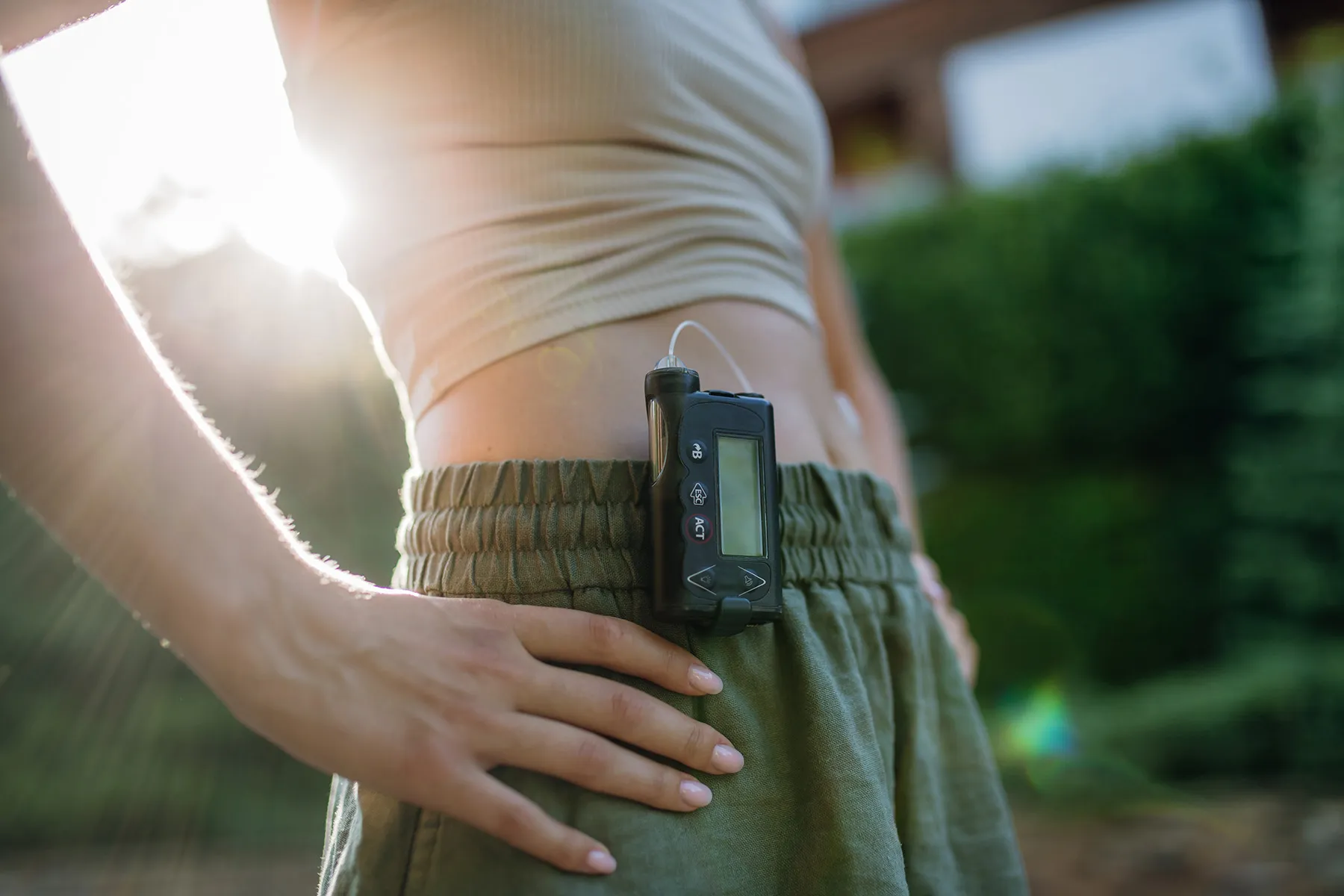
An insulin pump may look like a tiny gadget from the future, but its job is beautifully practical: it helps deliver insulin throughout the day without needing a separate injection every time. For many people with diabetes, especially type 1 diabetes and some people with insulin-requiring type 2 diabetes, pump therapy can make blood sugar management more flexible, precise, and less like a full-time math class with snacks.
Still, an insulin pump is not a “set it and forget it” magic button. It is a medical device that needs training, regular site changes, glucose monitoring, backup supplies, and a good relationship with your diabetes care team. Think of it less like a robot pancreas and more like a very helpful assistant that still needs instructions.
In this guide, we’ll break down what an insulin pump is, how it works, the main types, who may benefit from one, possible risks, and what daily life with a pump can actually feel like.
What Is an Insulin Pump?
An insulin pump is a small wearable medical device that delivers rapid-acting insulin into the body through a tiny tube or cannula placed under the skin. Instead of taking multiple daily insulin injections, a person uses the pump to receive small amounts of insulin continuously, plus extra doses when needed for meals or high blood sugar correction.
The medical term for this approach is continuous subcutaneous insulin infusion, often shortened to CSII. That sounds like something from a hospital whiteboard, but it simply means insulin is delivered continuously into the fatty tissue under the skin.
Most insulin pumps are about the size of a small phone, pager, deck of cards, or compact wearable pod. Some have tubing that connects the pump to an infusion site. Others are tubeless patch pumps that stick directly to the skin and are controlled by a handheld device or smartphone-compatible controller.
How Does an Insulin Pump Work?
An insulin pump works by delivering insulin in two main ways: basal insulin and bolus insulin. These two words are the bread and butter of pump therapyexcept, of course, you’ll still need to count the carbs in the bread.
Basal Insulin: The Background Drip
Basal insulin is the small, steady amount of insulin delivered throughout the day and night. Your body needs insulin even when you are not eating because the liver releases glucose between meals and while you sleep. A pump can be programmed to deliver different basal rates at different times of day, such as a lower rate overnight or a higher rate in the early morning if blood sugar tends to rise before breakfast.
Bolus Insulin: The Mealtime and Correction Dose
A bolus is an extra dose of insulin delivered for a specific reason. Most people use boluses before meals or snacks to cover carbohydrates. A bolus may also be used to correct high blood sugar. Many pumps include a bolus calculator that considers factors such as current glucose level, target glucose range, insulin-to-carbohydrate ratio, correction factor, and insulin still active in the body.
The Infusion Site
For tubed pumps, insulin travels from a reservoir inside the pump through tubing and into an infusion set. The infusion set includes a small cannula placed under the skin, usually on the abdomen, hip, thigh, upper arm, or buttocks. For patch pumps, the insulin reservoir and cannula are built into the pod that sticks to the body.
Infusion sites usually need to be changed every two to three days, depending on the pump system, insulin needs, skin response, and instructions from the device manufacturer or healthcare team. Regular site changes help reduce irritation, infection risk, scar tissue, and unreliable insulin absorption.
Main Parts of an Insulin Pump
Although pump designs vary, most systems include several basic parts:
- Insulin reservoir or cartridge: Holds rapid-acting insulin.
- Pump motor: Pushes insulin in tiny, controlled amounts.
- Infusion set or cannula: Delivers insulin under the skin.
- Control screen, app, or handheld device: Lets the user adjust settings, enter carbohydrates, and give boluses.
- Battery or rechargeable power source: Keeps the device running.
- Safety alerts: Warn about low insulin, occlusions, low battery, missed boluses, or delivery interruptions.
Types of Insulin Pumps
Traditional Tubed Insulin Pumps
A traditional pump is worn on a belt, waistband, pocket, bra band, or specially designed pouch. It connects to the body through thin tubing and an infusion set. These pumps usually offer detailed programming options, customizable basal rates, bolus calculators, and integration with continuous glucose monitors.
Patch Pumps
Patch pumps attach directly to the skin and do not use external tubing. Many people like them because there is no tube to tuck into clothing, accidentally snag on a doorknob, or mysteriously wrestle with during sleep. Patch pumps are often controlled wirelessly by a separate controller or compatible app.
Sensor-Augmented Pumps
Some insulin pumps connect with a continuous glucose monitor, also called a CGM. A CGM measures glucose trends in real time through a small sensor under the skin. When paired with a pump, CGM data can help users make more informed insulin decisions.
Hybrid Closed-Loop Systems
Hybrid closed-loop systems, sometimes called automated insulin delivery systems, combine an insulin pump, CGM, and algorithm. These systems can automatically adjust basal insulin based on glucose trends. Some can also help with correction dosing. They are called “hybrid” because users still need to enter meals, count carbohydrates, respond to alerts, and manage the device. So yes, the machine is smartbut it still cannot look at a plate of nachos and guess your carb count with divine accuracy.
Who Might Use an Insulin Pump?
Insulin pumps are most commonly used by people with type 1 diabetes because their bodies produce little or no insulin. However, some people with type 2 diabetes who need intensive insulin therapy may also benefit from a pump. Pump therapy may be considered for adults, teens, and children when it fits their medical needs, lifestyle, and ability to manage the device safely.
A healthcare provider may discuss pump therapy if someone has frequent high or low blood sugar, needs flexible insulin dosing, has unpredictable schedules, wants fewer injections, experiences dawn phenomenon, or has difficulty reaching glucose targets with multiple daily injections.
That said, a pump is not right for everyone. It requires regular monitoring, problem-solving, supply management, and comfort with technology. A person must also be willing to respond quickly if insulin delivery is interrupted, because pump users rely mainly on rapid-acting insulin. If the pump stops delivering insulin, blood sugar can rise quickly.
Benefits of Using an Insulin Pump
More Precise Insulin Delivery
Pumps can deliver insulin in very small increments, which may help people who are sensitive to insulin or need fine-tuned dosing. This precision can be especially useful for children, athletes, shift workers, and people whose insulin needs vary throughout the day.
Fewer Injections
Instead of multiple injections every day, a pump user changes the infusion site every few days. For people who dislike needles, this can feel like a major quality-of-life upgrade.
Flexible Meal Timing
With a pump, users can bolus when they eat and adjust dosing for different types of meals. Some pumps allow extended or split boluses, which may help with foods that digest slowly, such as pizza, pasta, or high-fat meals. Pizza, as usual, refuses to be simple.
Customizable Basal Rates
Basal insulin can be adjusted for exercise, illness, stress, menstrual cycles, travel, or changing daily routines. Temporary basal settings can help reduce or increase insulin delivery for a specific period.
Better Data for Decision-Making
Many pumps store insulin delivery history and can sync with CGM data. This makes it easier for users and healthcare teams to spot patterns, adjust settings, and understand what is happening beyond one isolated glucose reading.
Possible Drawbacks and Risks
Insulin pumps are helpful, but they are still medical devices. They can malfunction, sites can fail, tubing can kink, pods can leak, batteries can drain, and adhesive can irritate the skin. If insulin delivery stops, blood sugar may rise and ketones can develop, especially in people with type 1 diabetes.
Common challenges include:
- Skin irritation or adhesive allergies
- Infusion site infection or inflammation
- Interrupted insulin delivery
- Device alarms or alert fatigue
- Learning curve with settings and carb counting
- Cost and insurance coverage issues
- Feeling attached to a device 24/7
People using pumps should always have backup insulin, syringes or pens, extra supplies, glucose treatment, ketone testing supplies if recommended, and a written plan for pump failure. The backup plan is not pessimismit is diabetes preparedness with a cape.
Insulin Pump vs. Insulin Injections
Multiple daily injections usually involve long-acting insulin for background needs and rapid-acting insulin for meals and corrections. A pump uses only rapid-acting insulin, delivering it continuously for basal needs and in larger doses for boluses.
Injections may be simpler, less expensive, and less device-dependent. Pumps may offer more flexibility, precision, and data tracking. Neither option is automatically “better” for everyone. The best choice depends on blood sugar patterns, lifestyle, budget, comfort with technology, skin tolerance, and personal preference.
How to Start Using an Insulin Pump
Starting pump therapy usually begins with a conversation with an endocrinologist, diabetes educator, or certified diabetes care and education specialist. The care team reviews insulin needs, glucose patterns, current dosing, lifestyle, insurance coverage, and readiness for pump training.
Training typically covers how to fill the reservoir, insert the infusion set or pod, program basal rates, calculate boluses, respond to alarms, troubleshoot high blood sugar, change sites, protect the pump during water activities, and handle sick days. Users also learn when to check ketones and when to contact a healthcare provider.
At first, pump settings may need frequent adjustment. This is normal. Blood sugar management is not a one-and-done spreadsheet; it is more like tuning a musical instrument while the weather changes and someone hands you a muffin.
Daily Life With an Insulin Pump
Living with an insulin pump means developing routines. You may check the battery before leaving home, carry extra supplies, rotate infusion sites, respond to alerts, and think ahead before swimming, exercising, or traveling. Airport security, tight clothing, sleeping positions, and adhesive strength can become surprisingly interesting topics.
Exercise may require temporary basal changes or carbohydrate adjustments. Illness can increase insulin needs. Stress can raise blood sugar. Alcohol, high-fat meals, and long restaurant dinners may require different bolus strategies. A pump gives more tools for these situations, but it does not remove the need to pay attention.
Real-Life Experiences: What Using an Insulin Pump Can Feel Like
For many people, the first few days with an insulin pump feel exciting and awkward at the same time. There is often a “new gadget” feeling, followed quickly by the realization that this gadget is now coming to bed, work, school, the grocery store, and possibly the bathroom. The pump becomes part medical device, part pocket roommate.
One common experience is relief from injection fatigue. Someone who previously took four, five, or more injections a day may feel a sense of freedom when mealtime insulin comes from a few button taps instead of another needle. Parents of children with diabetes may appreciate being able to deliver tiny doses more precisely, especially for picky eating days when dinner becomes three bites of chicken, half a strawberry, and a suspicious amount of crackers.
Another real-world benefit is flexibility. A person who works irregular hours may adjust basal patterns for night shifts. A runner may use a temporary basal reduction before a long workout. A student may discreetly bolus at lunch without stepping away. Someone traveling across time zones can work with their care team to adjust pump settings instead of juggling long-acting insulin schedules.
But pump life is not all smooth sailing and perfectly behaved glucose graphs. Infusion sites can fail at the worst possible times, because diabetes apparently enjoys drama. A user may see unexplained high blood sugar and discover a kinked cannula, loose adhesive, empty reservoir, or air bubble. This is why experienced pump users often carry a small emergency kit: infusion set or pod, insulin, alcohol wipes, glucose tablets, backup pen or syringe, charger or batteries, and sometimes adhesive patches.
There is also an emotional adjustment. Some people love the pump immediately. Others need weeks or months to feel comfortable wearing a device all the time. Clothing choices may change. Sleeping positions may require creativity. Swimming, intimacy, contact sports, and formal events may require planning. These details are not small; they are part of making technology fit real life instead of the other way around.
Many users say the data is both helpful and overwhelming. Pump history and CGM trends can reveal patterns that were previously hidden, such as morning highs, post-lunch spikes, or overnight lows. At the same time, constant numbers can create pressure. A healthy pump routine includes knowing when to act, when to observe, and when not to treat every glucose wiggle like a five-alarm fire.
The most successful pump experiences usually involve education, patience, and support. People who learn how their pump works tend to feel more confident troubleshooting problems. Families who create school or work plans often feel safer. Users who keep regular appointments with their diabetes care team can fine-tune settings over time. Pump therapy is not about being perfect; it is about having better tools and learning how to use them without letting diabetes take over every square inch of the day.
Conclusion
An insulin pump is a powerful tool for delivering insulin in a way that more closely matches the body’s natural needs. It provides steady basal insulin, flexible bolus dosing, and, in many systems, helpful integration with continuous glucose monitoring. For the right person, it can improve convenience, flexibility, and confidence in daily diabetes management.
However, an insulin pump is not a cure and not a substitute for diabetes education. It requires training, regular monitoring, site care, backup supplies, and quick action when something goes wrong. Anyone considering pump therapy should talk with a qualified healthcare professional to decide whether it fits their medical needs, lifestyle, and budget.
Note: This article is for general educational purposes only and should not replace medical advice, diagnosis, or treatment. Insulin doses and pump settings must be individualized by a qualified diabetes care professional.












