
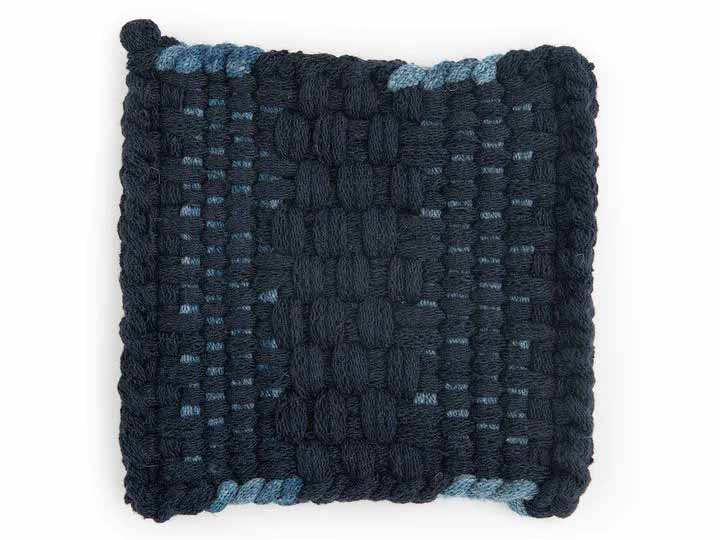
A good potholder is one of those humble kitchen heroes that rarely gets applause. It sits quietly near the stove, takes the heat, saves your fingertips, and never once asks to be called “chef.” But when that potholder comes in indigo and navy, it does something extra: it protects your hands while giving your kitchen a calm, polished, grown-up look. Suddenly, the square of fabric you grab before lifting a sizzling skillet feels less like an afterthought and more like part of the room’s personality.
The Indigo and Navy Potholder is more than a pretty blue kitchen accessory. It belongs to the sweet spot where function meets style: heat protection, grip, durability, easy care, and design flexibility. Indigo brings depth, craftsmanship, and a slightly artisanal mood. Navy adds classic structure, the kind of color that looks good with white cabinets, butcher-block counters, stainless steel appliances, farmhouse sinks, brass hardware, and even that one mystery drawer everyone pretends is organized.
In this guide, we will explore what makes an indigo and navy potholder useful, stylish, safe, and worth keeping within arm’s reach. We will look at materials, insulation, kitchen color pairing, care tips, and everyday use. We will also talk honestly about what potholders can and cannot do, because no potholder should be expected to perform miracles while damp, frayed, or trapped under a cast-iron Dutch oven for a dramatic length of time.
Why Indigo and Navy Work So Well in the Kitchen
Blue has long been a favorite in kitchen design because it feels both fresh and familiar. Navy blue, in particular, has the rare ability to look traditional, coastal, modern, rustic, or minimalist depending on what surrounds it. Pair it with white subway tile and you get crisp New England charm. Place it next to walnut shelves and it turns moody and sophisticated. Add brass accents and suddenly your kitchen looks like it owns a passport and knows how to order espresso properly.
Indigo has a slightly different personality. It feels handmade, layered, and relaxed. The word itself often brings to mind natural dyeing, woven textiles, and time-honored craft traditions. While a potholder may be a small item, color can make it feel special. An indigo and navy potholder can soften a modern kitchen, add richness to a neutral space, or pull together other blue details such as dish towels, stoneware, cabinet paint, patterned rugs, or ceramic bowls.
This color combination is especially useful because it hides everyday kitchen marks better than pale fabrics. Flour still shows, of course. Flour always finds a way. But compared with white or beige potholders, indigo and navy tones are more forgiving when exposed to sauce splatter, toasted crumbs, or the occasional “I swear the pan was not that hot” moment.
What Is an Indigo and Navy Potholder?
An indigo and navy potholder is a heat-protective kitchen textile designed to help you safely handle hot cookware, baking sheets, casserole dishes, pot lids, and pan handles. It may be made from quilted cotton, cotton canvas, terry cloth, linen blends, silicone-coated fabric, or layered insulated materials. Some designs are simple squares. Others include a hand pocket, hanging loop, stitched quilting, textured grip surface, or flexible silicone backing.
The best potholders combine three qualities: insulation, grip, and control. Insulation slows heat transfer from the hot object to your hand. Grip helps prevent a pan from slipping. Control allows you to hold the cookware securely without feeling like you are trying to operate kitchen machinery while wearing a sofa cushion.
Indigo and navy versions are popular because they suit many kitchen styles. They can look casual beside denim aprons, elegant beside marble counters, cozy beside wood cutting boards, and dramatic against white cabinetry. In other words, they are the blue jeans of kitchen linens: practical, good-looking, and surprisingly hard to improve upon.
Material Matters: Cotton, Silicone, Linen, and Insulation
Cotton Potholders
Cotton is one of the most common materials for potholders because it is soft, flexible, washable, and comfortable to grip. Quilted cotton potholders often include internal batting or terry layers to provide heat protection. A thick cotton potholder can be excellent for everyday baking tasks such as removing cookie sheets, holding warm pot handles, or carrying a casserole from the oven to the counter.
The advantage of cotton is feel. It bends easily around handles and dish edges, making it more precise than stiff materials. The downside is that cotton can scorch, stain, fade, or shrink over time. It can also become dangerous when wet, because moisture conducts heat quickly and can create steam. A dry cotton potholder is helpful. A damp cotton potholder is a tiny betrayal wearing fabric.
Silicone-Enhanced Potholders
Silicone has become popular in modern oven mitts and potholders because it offers strong grip and good heat resistance. A silicone pattern or backing can help you hold slick handles, glass baking dishes, and heavy cookware more securely. It is also easier to wipe clean than plain fabric, which is convenient when sauce splatters or melted cheese makes a break for freedom.
Some of the best designs combine silicone with cotton or fabric lining. The silicone provides grip and surface protection, while the inner textile layer adds comfort. For an indigo and navy potholder, this might mean a navy silicone grip pattern on an indigo cotton base, or a fabric front with a heat-resistant silicone reverse side.
Linen and Cotton-Linen Blends
Linen brings a beautiful natural texture, especially in indigo tones. It looks refined without feeling fussy, which is useful in kitchens that aim for “effortless elegance” rather than “museum where no one is allowed to make toast.” However, linen alone is usually not enough for serious heat protection unless it is layered with insulating material. When used well, linen blends can add style to the outer shell while the real protective work happens inside.
Insulated Layers
The heart of a potholder is not the exterior fabric; it is the insulation. Quilting, batting, terry cloth, or specialized heat-resistant lining helps slow heat transfer. A thin, decorative potholder may look lovely on a hook but perform poorly with a hot cast-iron skillet. When choosing an indigo and navy potholder, look for thickness, even stitching, dense construction, and a design that covers your fingers and palm comfortably.
Safety First: What a Potholder Should Do
A potholder is not decoration pretending to be useful. It is kitchen safety equipment, even if it happens to look charming near a Dutch oven. Cooking remains one of the most common sources of home fire risk, and hot cookware can cause painful burns in seconds. A dependable potholder should help you move hot items with confidence, but it should also be used correctly.
Always keep potholders away from open flames and active burners. Fabric can ignite if it gets too close to heat. Do not leave a potholder resting on the stovetop, even “just for a second,” because kitchens are where “just for a second” goes to become a story told with a smoke alarm in the background.
Use two potholders when lifting heavy cookware with two handles. One potholder and one bare hand is not teamwork; it is poor planning. If a pan is large, deep, or full of liquid, choose full oven mitts or longer protective gloves instead. Potholders are excellent for quick handling, pot lids, skillet handles, and short-distance transfers, but full coverage is better when reaching deep into a hot oven.
Most importantly, keep potholders dry. Water transfers heat much faster than air, and a damp potholder can produce steam that burns through fabric quickly. If your indigo and navy potholder gets wet, hang it up and grab a dry one. This is not overcautious; it is fingertip preservation, and fingertips are famously useful for important activities like typing, texting, and testing whether brownies are still too hot.
How Indigo and Navy Potholders Fit Different Kitchen Styles
Modern Kitchens
In a modern kitchen, an indigo and navy potholder adds color without clutter. It pairs well with matte black fixtures, stainless steel appliances, concrete counters, glass pendants, and clean cabinet lines. Choose a solid navy potholder with subtle quilting for a sleek look, or an indigo pattern with geometric stitching for a little visual interest.
Farmhouse Kitchens
Farmhouse kitchens love texture: wood boards, ceramic crocks, apron-front sinks, woven baskets, and practical textiles. Indigo and navy feel right at home here. A hand-loomed or quilted potholder can add a crafted touch without becoming too precious. Pair it with ticking-stripe towels, white stoneware, and open shelving for a kitchen that feels collected rather than staged.
Coastal Kitchens
Navy is practically fluent in coastal design. It works beautifully with white, sand, driftwood, rattan, pale gray, and soft blue. An indigo and navy potholder can echo the colors of water and sky without resorting to seashell overload. Your kitchen can whisper “coastal” without shouting “I bought every anchor available.”
Traditional Kitchens
Traditional kitchens often include warm wood, classic cabinetry, polished hardware, and layered textiles. Navy brings a sense of order and depth, while indigo introduces softness. A quilted potholder with a small pattern can complement patterned rugs, blue-and-white dishes, or deep cabinet colors.
Choosing the Best Indigo and Navy Potholder
When shopping for an indigo and navy potholder, do not choose by color alone. A beautiful potholder that cannot protect your hand is basically a decorative coaster with ambition. Start by checking the material. Thick cotton is comfortable for regular baking, while silicone-enhanced designs offer better grip and easier cleaning. For frequent high-heat cooking, look for clear heat-resistance information from the manufacturer.
Next, consider size. A tiny potholder may work for pot lids but feel risky with large sheet pans. A larger square, usually around eight to ten inches, gives more coverage and can double as a trivet. A pocket-style potholder offers added control because your hand slides into a protected sleeve. This is useful when grabbing handles or pulling baking dishes forward from the oven rack.
Check stitching and construction. Quilting should be even, with no thin spots where heat can rush through like an impatient guest. The hanging loop should be sturdy, because a potholder that falls behind the stove has entered the kitchen underworld and may never return.
Finally, think about cleaning. Machine-washable fabric is convenient, while silicone can often be wiped down quickly. Dark blue colors usually hold up well visually, but always follow the care label. Harsh bleach may damage color, especially on indigo-dyed or naturally inspired textiles.
Care and Cleaning Tips
A potholder touches cookware, counters, hands, food splatter, steam, and sometimes the edge of a suspiciously sticky baking dish. Keeping it clean is part of keeping the kitchen safe. Wash fabric potholders regularly, especially after contact with food spills, raw ingredients, grease, or heavy use. If the potholder smells smoky, musty, or like last Tuesday’s garlic bread, it is asking for laundry in the only language it knows.
Let potholders dry completely before using them again. This is especially important for thick quilted cotton because moisture can hide inside the layers. Hang them from a hook or lay them flat in a well-ventilated spot. Avoid storing damp potholders in drawers, where they can develop odors or mildew.
Inspect your indigo and navy potholder often. Replace it when it becomes thin, stiff, torn, scorched, or separated at the seams. Heat protection depends on intact layers. Once the insulation breaks down, the potholder becomes less reliable. Sentimental kitchen linens are lovely, but nostalgia does not block heat.
Everyday Uses Beyond Handling Hot Pans
An indigo and navy potholder can do more than protect your hand. It can serve as a trivet under warm serving dishes, a grip pad for opening stubborn jar lids, a cushion under a teapot, or a protective layer beneath a small cast-iron skillet. In small kitchens, multipurpose tools earn their keep, and a good potholder is surprisingly versatile.
It can also help visually organize the kitchen. Hang two matching potholders beside the stove with a coordinating towel, and the cooking zone suddenly looks intentional. Place one near the coffee station under a small kettle or French press, and the color ties the space together. Use a set during dinner service, and hot dishes can move from oven to table with less panic and more style.
Why This Small Kitchen Accessory Makes a Big Difference
Kitchen design often focuses on major elements: cabinets, counters, appliances, floors, lighting. But small items shape daily experience. You may admire your backsplash once in a while, but you reach for a potholder constantly. The things you touch every day should feel good, work well, and make the room more pleasant.
An indigo and navy potholder does exactly that. It brings useful protection, a timeless color palette, and a subtle decorative layer. It says, “Yes, I bake. Yes, I care about safety. Yes, I also enjoy kitchen accessories that do not look like they were chosen during a power outage.”
Real Kitchen Experiences with an Indigo and Navy Potholder
The first thing many people notice about an indigo and navy potholder is how naturally it blends into the kitchen. Unlike bright novelty potholders that demand attention with dancing vegetables or slogans about wine, deep blue feels calm. It looks good hanging near the stove, folded beside a bread basket, or resting under a warm teapot. It does not fight with the rest of the room. It simply shows up, does the job, and looks quietly excellent.
In everyday cooking, the most satisfying experience is the grip. A well-made potholder gives you that tiny pause of confidence before lifting something hot. You slide your hand into the pocket or fold the square around a handle, and the cookware feels controlled. This matters most with cast iron, which is wonderful until you forget the handle is hot and suddenly learn several new dance moves. An indigo and navy potholder kept close to the stovetop becomes a visual reminder: grab protection first, then grab the pan.
Another real-life advantage is how forgiving the colors are. Navy and indigo do not panic at the sight of tomato sauce, browned butter, cinnamon sugar, or coffee. They still need washing, of course, but they do not look ruined after one busy weekend. In a family kitchen, this is a major benefit. Someone will use the potholder to carry pizza. Someone else will place it too close to pancake batter. A child may decide it is a blanket for a toy dinosaur. Dark blue handles these adventures with dignity.
The potholder also becomes part of small rituals. On Sunday mornings, it sits beside a skillet of eggs. During holiday baking, it moves between sheet pans, pie dishes, and cooling racks. On cold evenings, it protects the table from a bubbling casserole that arrives like a warm edible announcement. Over time, the potholder stops feeling like a product and starts feeling like part of the kitchen’s rhythm.
There is also a design pleasure in matching without being too matched. An indigo and navy potholder can coordinate with blue dish towels, but it does not need to be identical. It can sit beside cream linens, gray stoneware, wooden boards, copper pans, or green cabinets and still make sense. The color is deep enough to ground a space but soft enough to avoid looking severe.
The best experience, though, is practical peace of mind. A reliable potholder reduces the frantic search for protection when something is ready to come out of the oven. No more grabbing a thin towel and hoping for the best. No more balancing a hot lid on the edge of the sink. No more pretending a folded napkin is safety equipment. With a dedicated indigo and navy potholder nearby, the kitchen feels more prepared, more attractive, and a little more civilized.
Conclusion
The Indigo and Navy Potholder proves that practical kitchen tools do not have to be boring. With the right construction, it protects your hands from hot cookware, improves grip, and supports safer cooking habits. With the right color, it also adds depth, calm, and timeless style to the kitchen. Indigo brings character and craft; navy brings classic confidence. Together, they create a potholder that looks beautiful on a hook and works hard at the stove.
Choose one with durable materials, dependable insulation, secure stitching, and easy-care features. Keep it dry, wash it often, and replace it when it shows serious wear. Treat it like the small but mighty kitchen essential it is. After all, every great meal needs heat, but your hands do not need to experience it personally.













