
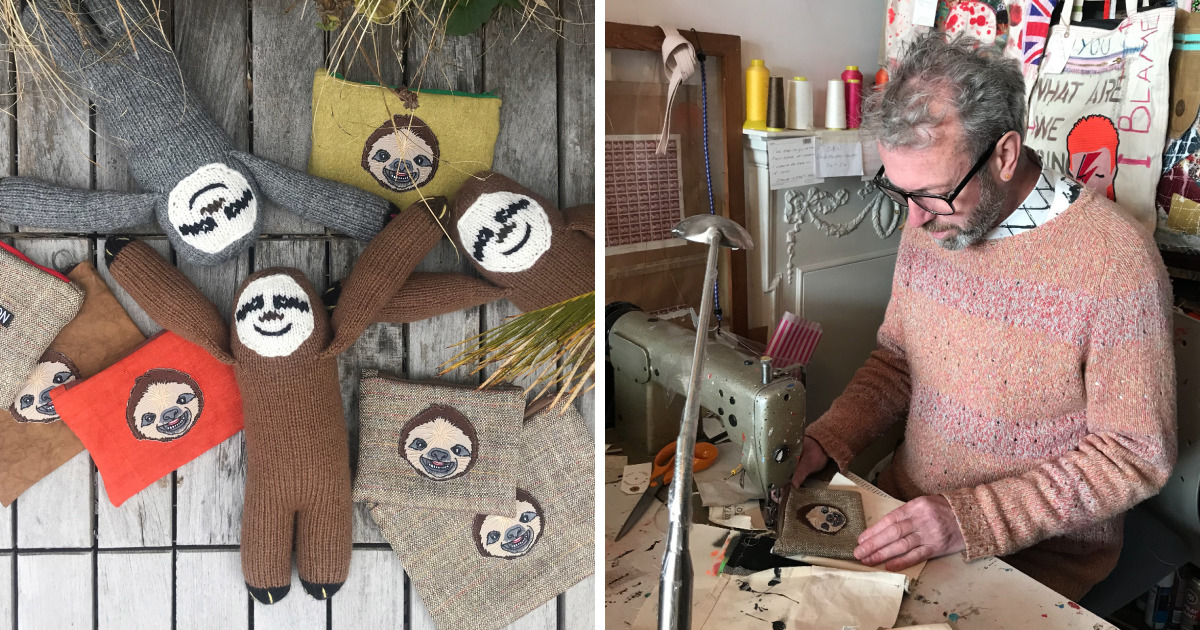
There are two kinds of people in this world: people who rush through life like their coffee has legal authority, and people who look at a sloth and think, “Finally, a lifestyle coach with fur.” I belong to the second group. Every day, I make sloth accessories by handtiny stitched faces, cozy charms, soft keychains, embroidered patches, plush bag decorations, and little sleepy-eyed pieces that seem to whisper, “You could answer that email later.”
Handmade sloth accessories are more than cute objects. They are miniature reminders to slow down, smile, and enjoy small details. In a world packed with fast shipping, fast fashion, fast scrolling, and fast everything, a handmade sloth pin or crocheted sloth keychain feels wonderfully rebellious. It says, “I was not stamped out of a machine at 2,000 units per hour. I was made by a human who probably lost a needle in the couch.”
This article explores the charm, design process, materials, business side, and emotional appeal behind handmade sloth accessories. Whether you are a sloth lover, a craft collector, a gift shopper, or a maker looking for inspiration, welcome to the slow lane. It is adorable here, and yes, we brought snacks.
Why Sloths Make Perfect Handmade Accessory Inspiration
Sloths are famous for moving slowly, but their calm reputation is not simply laziness wearing a fuzzy coat. Their slow movement is tied to a low-energy lifestyle and specialized biology. They spend much of their time in trees, conserve energy, and have become symbols of patience, rest, and peaceful living. That makes them a dream subject for handmade accessories.
A sloth face is instantly recognizable: rounded head, gentle smile, dark eye markings, curved claws, and an expression that looks like it knows the secret to inner peace but forgot where it put it. Those features translate beautifully into embroidery, felt appliqué, polymer clay, crochet, resin charms, enamel-style pins, and soft plush ornaments.
The Emotional Power of Cute, Slow Design
People do not usually buy a sloth accessory because they urgently need another keychain. They buy it because it makes them feel something. A handmade sloth charm can represent rest, humor, self-care, friendship, introvert pride, cozy living, or a gentle protest against burnout. It can be a tiny mascot for someone who is tired but still trying. Honestly, that is most of us by Thursday.
The popularity of personalized and handmade gifts has grown because shoppers want objects with story, character, and emotional value. A sloth accessory fits perfectly into that desire. It is cute, giftable, lighthearted, and specific enough to feel personal. It says, “I saw this sleepy little creature and thought of you,” which is somehow both affectionate and mildly concerning.
The Daily Process of Making Sloth Accessories By Hand
Making sloth accessories every day sounds peaceful, and sometimes it is. Other times, it involves thread knots, glue strings, missing beads, fabric scraps stuck to socks, and the intense drama of realizing the left eye is one millimeter higher than the right. Handmade work may look charming in photos, but behind every cute finished product is a maker quietly negotiating with a pair of scissors.
Step 1: Sketching the Sloth Personality
Every accessory begins with a design. The first question is not “What shape should this be?” but “What kind of sloth is this?” Is it sleepy? Cheerful? Dramatic? Holding coffee? Hanging from a rainbow? Wearing a tiny scarf like it has weekend plans in Vermont?
The sketching stage is where personality appears. A slight curve in the mouth can change a sloth from relaxed to mischievous. Droopy eyelids make it sleepy. Round cheeks make it baby-cute. A tiny embroidered leaf can turn the whole piece into a rainforest-inspired accessory. Good handmade design is not only about accuracy; it is about character.
Step 2: Choosing Materials That Feel Cozy and Durable
Sloth accessories work best when the materials match the mood. Felt creates soft, rounded shapes. Cotton fabric works beautifully for patches and appliqué. Yarn is perfect for crochet sloths with squishy bellies. Polymer clay gives tiny earrings and charms a clean, sculpted look. Embroidery floss adds expression through tiny stitches, especially around the eyes and mouth.
For daily production, durability matters. A handmade sloth keychain needs stronger seams than a decorative wall hanging. A bag charm should survive being tossed into a backpack with keys, lip balm, receipts, and whatever mysterious crumbs live at the bottom. Quality accessories need secure stitching, reinforced jump rings, clean edges, and materials that can handle real life.
Step 3: Cutting, Stitching, Shaping, and Repeating
The making process depends on the item. A felt sloth pin may involve tracing a template, cutting layers, stitching the face, stuffing the body slightly, attaching a backing, and finishing the edges. A crocheted sloth may begin with a magic ring, then slowly become a head, body, limbs, and tiny curved claws. Polymer clay pieces require shaping, baking, sanding, sealing, and attaching hardware.
The repetition is part of the rhythm. One sloth becomes five. Five becomes a small batch. A table that was clean at breakfast becomes a rainforest of brown felt, beige thread, safety eyes, and half-finished sleepy faces by lunch. It is not glamorous in the traditional sense, but it is deeply satisfying.
Popular Types of Handmade Sloth Accessories
Sloth-themed accessories work across many styles because the character is flexible. A sloth can be minimalist, cartoonish, rustic, kawaii, cozy, elegant, or delightfully ridiculous. Here are some of the most lovable options.
Sloth Keychains
Handmade sloth keychains are small, useful, and easy to gift. Felt, crochet, and clay versions are especially popular because they add personality without taking up much space. A sleepy sloth hanging from a keyring is also thematically perfect. Keys hang. Sloths hang. The branding writes itself.
Sloth Earrings and Jewelry
Tiny sloth earrings can be playful without being childish. Polymer clay, shrink plastic, resin, wood, and embroidered mini hoops all work well. A pair of sloth earrings can make a simple outfit feel fun, especially for teachers, animal lovers, zoo volunteers, wildlife fans, or anyone who enjoys accessories with personality.
Sloth Pins and Brooches
Sloth pins are perfect for jackets, tote bags, backpacks, hats, and craft fair displays. They can be embroidered, laser-cut, hand-painted, or sewn from felt. A pin with a phrase like “Take It Slow,” “Nap Captain,” or “Emotionally Hanging In There” adds humor while keeping the design giftable.
Sloth Bag Charms
Bag charms allow for more detail than tiny keychains. Makers can add leaves, flowers, small vines, stars, or miniature scarves. The charm becomes a tiny scene instead of just a face. For customers, it adds softness and personality to an everyday bag.
Sloth Hair Accessories
Sloth scrunchies, hair clips, headbands, and bows are especially fun for kids, animal-themed parties, school events, and playful adults who refuse to let boring accessories win. A small felt sloth attached to a clip can turn a simple hairstyle into a conversation starter.
What Makes Handmade Sloth Accessories Different From Mass-Produced Ones?
Mass-produced accessories can be cute, but handmade pieces carry visible care. The stitches are real. The tiny variations are real. The maker’s decisions are present in every curve, color, and texture. One sloth might have a slightly wider smile. Another might have fluffier cheeks. That individuality is not a flaw; it is the point.
Handmade accessories also allow for small-batch creativity. A maker can release seasonal sloths: pumpkin sloths in fall, cocoa-cup sloths in winter, flower-crown sloths in spring, and sunglasses sloths in summer. Try telling a sloth to wear sunglasses and not look like a retired beach philosopher. Impossible.
Customization Adds Meaning
Personalization is one of the strongest advantages of handmade craft. A buyer might request a favorite color, initials, a tiny heart, a graduation cap, a pet-inspired detail, or a specific phrase. That turns a cute item into a keepsake.
For example, a handmade sloth accessory for a nurse might include a tiny embroidered badge. A teacher might love a sloth holding a pencil. A new parent might enjoy a sleepy sloth with the phrase “Nap When They Nap,” which is both classic advice and a practical joke from people who have clearly forgotten what newborns are like.
Design Tips for Making Sloth Accessories That People Love
Creating sloth accessories that stand out requires more than putting two eyes on a brown oval. The best designs balance cuteness, clarity, durability, and emotional appeal.
Keep the Face Simple but Expressive
Sloth faces are charming because of their calm expression. Use soft curves, gentle contrast, and clear eye markings. Avoid adding too many tiny details unless the piece is large enough to support them. A clean face reads better from a distance, especially on pins, earrings, and keychains.
Use a Warm, Natural Color Palette
Brown, beige, cream, moss green, dusty pink, clay orange, and soft gray work beautifully for sloth designs. These colors echo forest tones while keeping the accessory cozy. A pop of colorlike a tiny red mushroom, yellow flower, or blue scarfcan make the piece more memorable.
Think About How the Item Will Be Used
A decorative sloth ornament can be delicate. A sloth backpack charm cannot. Makers should consider stress points, hardware quality, washable materials, and how the piece will move. If a charm hangs from a bag, the arms, legs, and attachment point need reinforcement. Nobody wants a tragic one-armed sloth situation in the parking lot.
The Small Business Side of Handmade Sloth Accessories
Making sloth accessories every day can begin as a hobby, but it can grow into a small handmade business. Online marketplaces, craft fairs, social media shops, and personal websites have made it easier for independent makers to reach customers. At the same time, running a craft business requires more than creativity. It requires planning, pricing, photography, packaging, customer service, and the emotional strength to calculate shipping costs without sighing loudly.
Pricing Handmade Work Fairly
One of the biggest mistakes new makers make is underpricing. Handmade pricing should consider materials, labor time, overhead, platform fees, packaging, taxes, and profit. If a sloth keychain takes 45 minutes to make, the price should not only cover felt and thread. It should also pay the maker for skill, design time, tools, electricity, photography, and the tiny emotional toll of sewing fourteen identical smiles.
Fair pricing helps handmade businesses survive. Customers who value handmade goods usually understand that they are buying time and craftsmanship, not just materials. A finished piece may be small, but the process behind it is not.
Photography and Product Listings
Good photos help handmade sloth accessories sell. Natural light, clear backgrounds, close-up detail shots, scale references, and lifestyle images can all improve a listing. A sloth pin photographed on a denim jacket tells shoppers how it looks in real life. A keychain shown beside keys or a tote bag helps buyers understand size.
Product descriptions should be warm but specific. Include materials, dimensions, care instructions, customization options, processing time, and whether each item is made to order. Clear listings build trust and reduce customer confusion.
Packaging as Part of the Experience
Handmade packaging does not need to be expensive. A recycled kraft card, a thank-you note, tissue paper, and a tiny care card can make the item feel special. For sloth accessories, a playful message like “Thanks for hanging out with my little shop” adds personality without overdoing it.
Packaging also protects the item. Pins need backing security. Earrings need cards. Plush charms need clean wrapping. Clay pieces may need padding. A handmade business wins repeat buyers when the unboxing experience feels thoughtful and the product arrives safely.
Why Sloth Accessories Make Great Gifts
Sloth accessories are funny, sweet, and surprisingly versatile. They work for birthdays, holidays, teacher gifts, coworker gifts, stocking stuffers, friendship gifts, animal lovers, craft collectors, and people who frequently announce that they are “tired on a cellular level.”
They are also easy to personalize. You can match colors to the recipient, add initials, include favorite flowers, or choose a phrase that fits their personality. Unlike generic gifts, handmade sloth accessories feel chosen. They say, “I know your vibe, and your vibe is gently clinging to a branch.”
Ethical Sloth Love: Cute Accessories Without Exploiting Wildlife
One of the best things about handmade sloth accessories is that they let people celebrate sloths without disturbing real animals. Sloths belong in their natural habitats, not in stressful photo props or novelty encounters. Accessories, illustrations, plush art, and educational gifts are a safer way to enjoy sloth charm while respecting wildlife.
Makers can also use their products to encourage conservation awareness. A product card might mention rainforest protection, responsible wildlife tourism, or the importance of not treating wild animals as pets. A cute accessory can open the door to a meaningful conversation.
Experiences From Making Sloth Accessories By Hand Every Day
Making sloth accessories by hand every day has taught me that slow work is not lazy work. It is focused work. It is patient work. It is the kind of work that asks you to notice small things: the tension of a stitch, the curve of a felt cheek, the way two shades of brown can look cozy together or accidentally become “mud with eyes.” Handmade crafting is a daily reminder that details matter.
Some mornings begin with a clear plan. I line up fabric, thread, templates, stuffing, beads, and hardware. I tell myself I will make ten sloth keychains before lunch. Then one face comes out too serious, another looks surprised, and a third somehow resembles a tiny retired accountant. The funny part is that these small variations often become my favorites. Handmade work has a personality of its own, and sometimes the sloth decides who it wants to be.
The most satisfying part is watching flat materials become something with emotion. A pile of felt does not look like much. A few stitches later, there is a sleepy face. Add arms and a little belly, and suddenly the piece has charm. Add a tiny leaf or heart, and now it feels like a gift. That transformation never gets old. It is a little bit of everyday magic, minus the smoke machine and dramatic cape.
There are challenges too. Repetition can be tiring. Cutting small shapes requires patience. Thread tangles appear at the worst possible moments, usually when I am feeling proud and possibly too confident. Online selling adds another layer: writing descriptions, answering messages, packing orders, updating inventory, and remembering that “I’ll photograph this later” is a dangerous sentence. Natural light waits for no maker.
Still, the routine has become comforting. I like the rhythm of making small batches. I like choosing colors for seasonal designs. I like testing new shapes and seeing which ones make people smile. Customer reactions are the best reward. When someone says a sloth pin reminded them to slow down, or that a tiny handmade charm made a friend laugh during a hard week, the work feels bigger than accessories. It becomes a tiny delivery system for joy.
Working with a sloth theme also changes the pace of the craft itself. You cannot make a good sloth accessory while mentally sprinting. The character asks for softness. The design asks for patience. Even the marketing feels gentler. Instead of shouting “Buy now,” sloth accessories seem to say, “No pressure, but I am adorable and emotionally supportive.” That tone fits the handmade world perfectly.
After making sloth accessories day after day, I have learned that small handmade objects can carry a lot of meaning. They can be funny, comforting, personal, and practical all at once. They can remind someone to rest, to laugh, to keep going, or simply to decorate their backpack with a tiny creature that looks like it has mastered work-life balance. And honestly, if a two-inch handmade sloth can make a day feel lighter, that is a pretty excellent use of thread.
Conclusion
Handmade sloth accessories combine charm, craftsmanship, humor, and emotional meaning. They celebrate the gentle appeal of one of nature’s most beloved slow-moving animals while giving makers room to create personalized, practical, and memorable pieces. From keychains and pins to earrings, bag charms, and custom gifts, sloth accessories prove that small handmade items can have big personality.
Making them every day is part craft, part business, part meditation, and part comedy show starring misplaced needles. It requires patience, creativity, quality materials, fair pricing, and a deep respect for the people who choose handmade goods over mass-produced sameness. In a busy world, a handmade sloth accessory is more than a cute decoration. It is a tiny reminder to breathe, smile, and hang in therepreferably with snacks nearby.












