
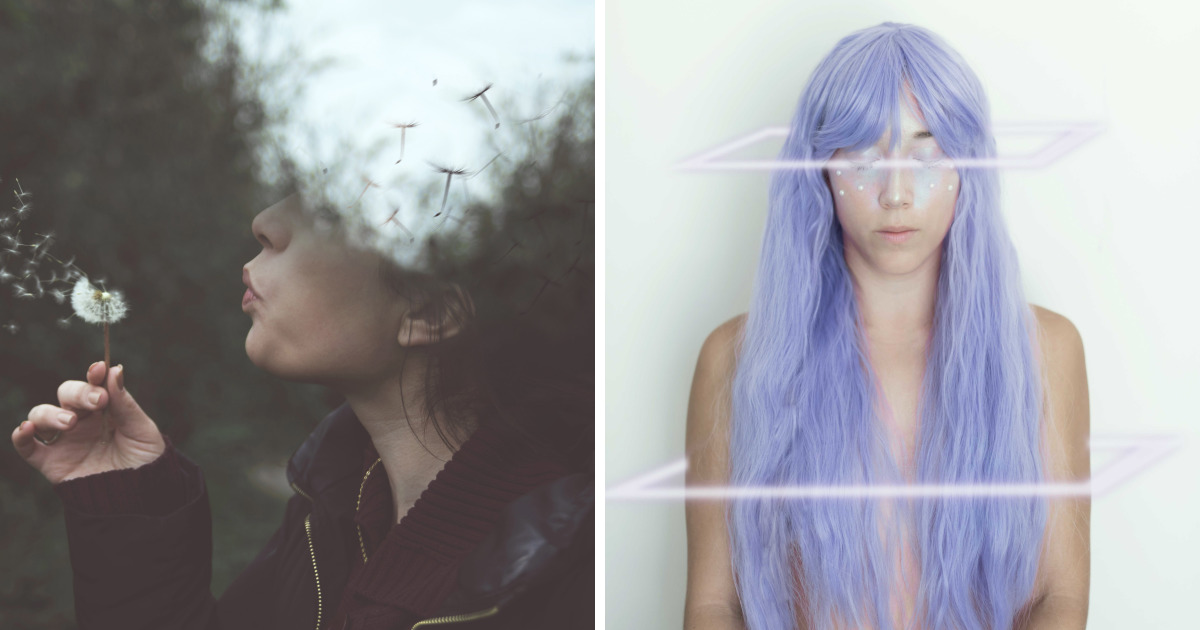
My friends used to think a photo shoot meant standing near a brick wall, crossing their arms, and hopingvelvet-cloaked royals, wandering forest spirits, and suspiciously glamorous pirates with better hair than any pirate deserves.
Creating fantasy portraits of friends is not really about pretending they are someone else. It is about exaggerating the parts of them that already exist. The quiet friend who loves old books becomes a librarian guarding a forbidden spell. The chaotic friend with a dramatic laugh becomes a comet-chasing sorcerer. The friend who can organize a road trip, a dinner reservation, and three emotional crises before noon? Clearly, they are a battle commander.
A strong fantasy portrait is more than a person in a costume. It is a small visual story built from expression, styling, location, light, color, and a healthy willingness to ask, “Would you mind standing in this field while I throw fake leaves at you?” Portrait photography becomes more memorable when it reveals personality and emotion instead of merely recording a face. ntasy Portraits Feel So Personal
Fantasy portrait photography has a sneaky superpower: it gives people permission to be playful. Most adults spend a remarkable amount of time trying to look normal, professional, approachable, or at least awake. A fantasy shoot interrupts that routine. Suddenly, someone can wear a crown made from thrift-store jewelry, carry a lantern through the woods, and stare into the middle distance as though they have just received troubling news from a raven.
That freedom changes the mood of the photo. Instead of asking a friend to “smile naturally,” I ask questions that invite character. What secret are you hiding from the royal court? What creature lives in the fog behind you? Are you casting a spell, or are you simply annoyed because someone touched your snacks? The answers are often ridiculous, which is useful. Laughter relaxes people faster than a lecture on posture ever will.
Portraiture has long been tied to identity, memory, and the stories people tell about themselves. Contemporary portrait artists often use staged scenes, props, and invented narratives to explore relationships, personal history, and imagined versions of the self. photograph friends, I am not trying to make them look like strangers from a fantasy movie poster. I am trying to make images that feel like them on their most cinematic day. The goal is not perfection. The goal is recognition with a little enchantment sprinkled on top.
My Fantasy Portrait Process Starts Before the Camera Comes Out
The best fantasy portraits usually begin with a conversation, not a lens. Before I choose a location or open an editing app, I ask my friend what kind of world feels exciting to them. Some people immediately say, “Forest witch.” Others take a longer route and explain that they want to look like “a tired elf who owns a magical bakery but has unresolved family issues.” Both answers are helpful.
Step 1: Find the Character Hidden in Plain Sight
I pay attention to small details. Does my friend always wear black? Do they collect vintage rings? Are they obsessed with astronomy, gothic novels, cottage gardens, anime, sea monsters, or old Hollywood glamour? These clues become the foundation for the fantasy concept.
For example, a friend who loves gardening might become a woodland guardian surrounded by vines, moss, and antique keys. A friend who plays guitar might become a wandering bard in a ruined theater. A friend who drinks iced coffee in every season might become a frost mage, because it is only fair to make their beverage habit sound powerful.
The concept does not need to be complicated. In fact, simple ideas often photograph better because the viewer understands the story immediately. A silver dress, a misty lake, and a reflective expression can suggest an entire moon goddess tale without requiring a dragon rental agreement.
Step 2: Build a Mood Board, Not a Shopping Cart of Panic
I collect references for color, clothing, props, poses, textures, and lighting. A mood board can include paintings, movie stills, book covers, museum portraits, fashion editorials, and photos of locations. The purpose is not to copy a single image. It is to identify the feeling I want the finished portrait to carry.
I usually choose three words for each shoot. For example: “mysterious, mossy, gold.” Or “celestial, blue, lonely.” Or “royal, ridiculous, feathered.” Those words help me make decisions when the shoot becomes chaotic, which it often does because wind has no respect for artistic direction.
Planning ahead makes a creative shoot less stressful. Photographers can sketch ideas, scout locations, and think through how lens choice, background, available light, and camera settings will affect the final image before the actual session begins. : Use What You Already Have
Fantasy portrait props do not need to come from a professional film set. Some of my favorite details have come from thrift stores, craft aisles, old curtains, artificial flowers, costume jewelry, lace tablecloths, candles, ribbons, empty picture frames, and branches collected from the ground.
A plain black dress can become a sorcerer’s robe with a dramatic belt and a long piece of fabric pinned behind the shoulders. A cheap plastic lantern can look convincing once it is photographed in low light. A handful of dried flowers can become a crown. A slightly cracked mirror can create strange reflections. A bedsheet can become a cape, although it may also become proof that your friend is patient enough to deserve a medal.
Light Is the Real Magic Trick
Costume gets attention, but light creates the atmosphere. I can photograph the same person in the same dress under soft window light, harsh noon sun, golden-hour backlight, or a single lamp in a dark room, and each version will feel like a different story.
Soft, diffused light is perfect for dreamlike portraits. An overcast afternoon, open shade, or a window covered by a sheer curtain can create gentle shadows and flattering skin tones. For a darker fantasy mood, I use side light or backlight. Side light creates depth and mystery. Backlight can turn hair, fabric, smoke, or leaves into a glowing edge around the subject.
Portrait lighting is especially powerful because it guides how viewers read a person’s expression and personality. Natural light, artificial light, shadows, and the angle of the source can each create a very different emotional effect. love practical lights: lanterns, strings of tiny bulbs, candles, colored LED lights, and even the glow from a phone screen. These details give the subject something to interact with. A person holding a lantern looks less like they are waiting for instructions and more like they have an urgent mission involving a cursed castle.
Use Backgrounds That Support the Story
The background should add atmosphere without stealing the scene. I look for textured walls, tall grass, old staircases, narrow trails, weathered doors, fields, libraries, greenhouses, abandoned-looking corners of parks, and rooms with interesting windows. I avoid cluttered backgrounds unless chaos is the point.
A wider aperture can create a softer background blur, helping the subject stand out from the environment. However, shallow depth of field requires careful focus, especially around the eyes. The goal is not simply to blur everything into soup; it is to decide what deserves attention. Friends Without Making Them Feel Like Furniture
Most people are not professional models, and that is excellent news. Fantasy portraits work better when the subject looks human, not like a department-store mannequin that has just learned a prophecy.
I give my friends actions instead of rigid poses. Hold the lantern close. Look through the branches. Pull the cloak around your shoulders. Turn as though you heard something behind you. Touch the flowers. Walk slowly toward me. Pretend the crown is heavy because leadership is exhausting.
Hands are often the biggest source of panic. People suddenly forget they have hands and begin holding them at their sides as if they have been issued separately from the rest of the body. Props solve this problem. Books, fabric, flowers, cards, keys, staffs, jars, masks, and jewelry give hands a purpose.
I also shoot movement. Fabric lifting in the wind, hair being adjusted, a laugh between takes, or a friend stepping over roots can feel more alive than the technically perfect pose. Sometimes the best frame is the one taken two seconds after someone says, “Wait, was that a squirrel?”
Editing Fantasy Portraits Without Erasing the Person
Editing is where a normal location can become a fantasy world. I use color grading, contrast adjustments, selective darkening, subtle glow effects, texture overlays, and careful compositing to strengthen the mood. The key word is careful. If every image has fifteen moons, twelve ravens, glowing eyes, floating castles, and lightning shaped like a dragon, the person may become a minor detail in their own portrait.
I edit in layers whenever possible. That makes it easier to adjust color, shadows, fog, and added elements without destroying the original image. Compositing workflows commonly rely on masks, blending modes, clipping masks, color adjustments, and contrast tools to make separate pieces look as though they belong in one scene. onal rule is simple: enhance the reality already in the photograph before adding anything new. If the dress is flowing, emphasize the movement. If the woods are foggy, deepen the atmosphere. If the sun creates a natural halo, make it glow a little more. Start with what is true, then gently bend reality until it hums.
Consent Makes the Creative Process Better
Fantasy portraits can feel intimate because they involve appearance, identity, styling, and sometimes heavy editing. That is why communication matters. I show friends rough concepts before the shoot. I ask what they are comfortable wearing, how they want to be portrayed, and where the images can be shared.
I never assume someone wants a portrait posted publicly just because they agreed to model for it. A friend may be happy to participate but prefer that the final image stays private, is only shared with credit, or is not altered with generative tools. Those preferences deserve respect.
Professional photography guidance commonly recommends clarifying image use, releases, licensing, and consent before photos are used commercially. Clear agreements protect both the photographer and the subject, especially when portraits will be published, licensed, or substantially altered. t fantasy portrait is not one where the photographer gets all the glory. It is one where the friend sees the image and says, “That is me, somehow,” followed by, “Why do I look like I own a castle?”
Common Fantasy Portrait Mistakes I Learned the Funny Way
I have learned many lessons through avoidable chaos. I have brought too many props. I have forgotten safety pins. I have tried to photograph flowing fabric on a day with absolutely no wind. I have chosen a beautiful location only to discover that it was full of mosquitoes with a deep appreciation for exposed ankles.
The biggest mistake is overcomplicating the idea. When everything is important, nothing is important. Choose one clear story, one dominant color palette, one hero prop, and one mood. Let the subject remain the center of the portrait.
Another mistake is trying to fix every problem in editing. Good editing helps, but it cannot fully rescue unflattering light, an awkward expression, a badly chosen background, or a costume held together by a prayer and one exhausted paper clip. The more care you put into the shoot itself, the more believable the final fantasy will feel.
Experiences From Creating Fantasy Portraits of My Friends
One of my earliest fantasy portraits involved a friend who insisted she was “not photogenic.” She said this while wearing a dark green dress, a necklace shaped like a leaf, and boots that looked as though they had survived at least one quest through an enchanted swamp. I knew immediately that she was not unphotogenic. She was simply bored by ordinary pictures.
We met in a wooded park near sunset with a bag full of thrift-store treasures: an old book, a small brass lantern, a velvet scarf, dried flowers, and a necklace that had probably spent years waiting in a drawer for its dramatic moment. The original plan was to make her look like a forest mage. The weather had other ideas. It was windy, cloudy, and cold enough that my camera battery seemed personally offended.
At first, she stood stiffly and laughed every time I asked her to look serious. So I changed the direction. I told her she was the last keeper of a magical library and someone had stolen a dangerous book. Suddenly, she had a reason to hold the book close. She looked over her shoulder. She walked between the trees as though she had somewhere urgent to be. The pose disappeared because the story took over.
That shoot taught me something important: friends do not always need more instructions. Sometimes they need a better game to play. When people have an emotional idea to respond to, their body language becomes more natural. They stop worrying about their chin, their hands, or whether their smile looks strange. They start acting, imagining, and reacting.
Another friend wanted a celestial portrait. She brought a silver jacket, glitter makeup, and the confidence of someone who has never once apologized for liking shiny things. We photographed her against a dark blue wall just after sunset. I used a small light with a colored gel, a reflective piece of foil, and a cheap crystal hanging from a necklace chain.
The foil created little flashes of light around her face. The crystal made strange, soft streaks across the frame when I held it close to the lens. None of it looked impressive behind the scenes. It looked like two adults standing near a wall while one of them waved kitchen supplies around. But in the final images, she looked like she was drifting through a galaxy made of midnight blue and silver dust.
My favorite part of the process is often the moment after I show a friend the first edited image. There is usually a pause. Then they lean closer to the screen. Then they say something like, “That cannot possibly be me.” I always answer the same way: “It is you. You just usually do not walk around with cinematic fog following you.”
Fantasy portraits have made me pay closer attention to the people I know. Every friend has a visual language. Some belong in candlelit libraries. Some belong on stormy cliffs. Some belong in gardens full of impossible flowers. Some belong in glittering space palaces. Some belong in a tavern, holding a wooden mug and looking deeply suspicious of the stranger at the next table.
Creating these images has also made ordinary life feel more interesting. A cloudy day becomes potential atmosphere. An old staircase becomes a castle entrance. A cheap scarf becomes a royal cloak. A broken mirror becomes a portal. The world does not need to become magical. Sometimes you only need to look at your friends with enough imagination to notice that it already is.
Final Thoughts
Creating fantasy portraits of friends is part photography, part storytelling, part costume design, and part friendship experiment. You do not need a giant studio, expensive props, or a dragon on retainer. You need curiosity, a simple concept, light that supports the mood, and a willingness to collaborate.
The best fantasy portrait does not hide the person in effects. It reveals them through a little theatrical magic. Give your friends a story, give them room to play, and let the camera catch the moment they begin to believe it.
Note: The experiences and examples in this article are written as creative, illustrative scenarios to demonstrate a fantasy portrait workflow.











