
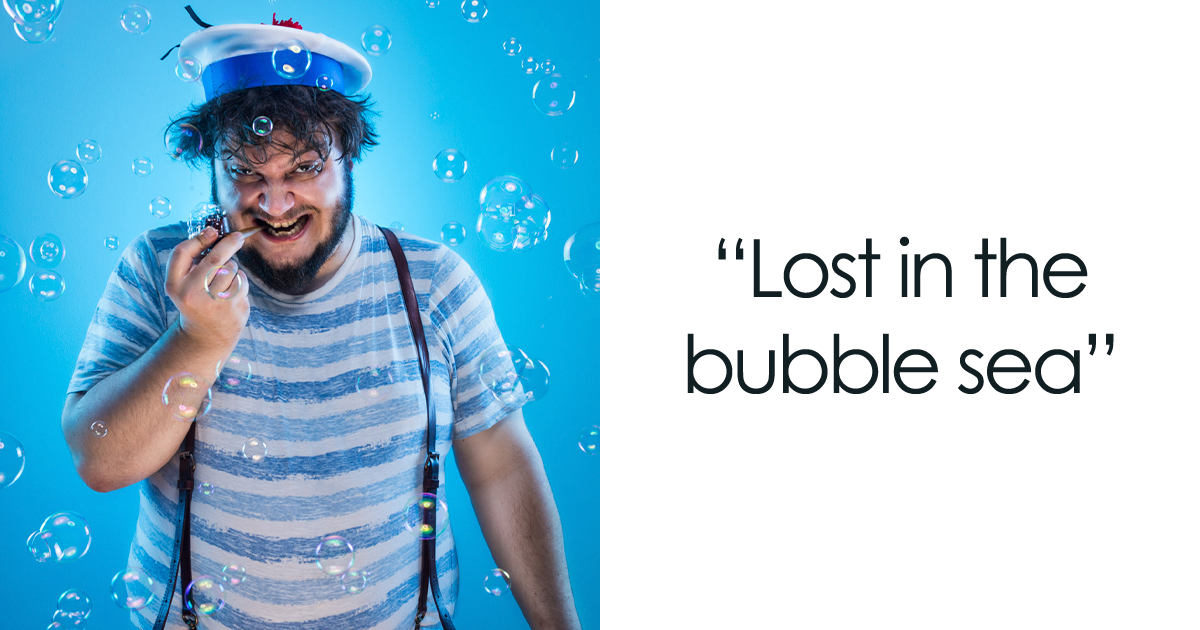
Some photographers chase perfect sunsets. Some wait patiently for birds to land in exactly the right branch of exactly the right tree. I, however, seem to have developed a habit of putting friends in dramatic light, giving them strange props, asking them to hold still, and then saying, “Great, now look like you just discovered a secret door in your own brain.”
Welcome to the wonderfully odd world of creative portrait photography in Berlin, a city where a simple headshot can accidentally become a short film, a dream sequence, or a suspiciously stylish existential crisis. Berlin has always had an appetite for visual experimentation. Its street art, design culture, club atmosphere, photography museums, and post-industrial corners make it a playground for anyone who believes a portrait should do more than prove that a person owns cheekbones.
This collection of 20 crazy portraits grew out of late-night self-portrait experiments, studio lighting tests, and the dangerous sentence every artist eventually says: “What if we made it weirder?” The result is a series of images built around character, atmosphere, humor, shadows, color, and the occasional idea that probably sounded more normal before the coffee wore off.
Why Berlin Is the Perfect Backdrop for Crazy Portrait Photography
Berlin is not a city that asks artists to behave. It is layered, imperfect, loud, quiet, glamorous, gritty, and sometimes all of those things before lunch. For a portrait photographer, that is gold. A clean studio gives control, but Berlin gives attitude. The city’s walls, old courtyards, U-Bahn stations, industrial spaces, galleries, and neighborhoods offer textures that help turn a person into a character.
Portrait photography works best when the subject and the environment appear to be having a conversation. A face tells one story; the setting adds a second voice. That is why many of these portraits combine studio lighting with visual references from Berlin itself: neon reflections, concrete surfaces, playful fashion, surreal poses, and backgrounds that feel slightly theatrical without becoming a full circus. Though, to be fair, several shoots came dangerously close to circus energy.
The goal was never just to make someone look “nice.” Nice is fine for passport photos and family calendars. These portraits aim for something more memorable: a frame that makes viewers pause and ask, “What exactly is happening here, and why do I want to know more?”
The Creative Idea Behind the 20 Portraits
Every portrait in this series started with a simple question: what emotion, character, or absurd little story can be built around one person? Sometimes the answer came from the model’s personality. Sometimes it came from a prop lying around the studio. Sometimes it came from an accident with light that looked too interesting to ignore.
The process often began with sketches, test shots, and lighting experiments. I would place a flash too close, move it back, add a gel, remove a reflector, stare at the result, and then pretend the chaos had been planned from the beginning. Creative portrait photography is a delicate balance between precision and surprise. You prepare everything carefully so that when something unexpected happens, you are ready to steal it.
20 Crazy Portrait Concepts From the Series
1. The Tourist Who Looks Lost in Another Dimension
This portrait plays with the classic tourist stereotype: camera, curiosity, and the expression of someone who followed Google Maps into a parallel universe. The lighting is bright but slightly strange, giving the subject a comic-book sense of confusion. It is funny, but it also says something about travel: sometimes we go looking for a city and accidentally find a new version of ourselves.
2. The Neon Thinker
Neon is a dangerous tool because it can make anything look cooler than it has any right to be. In this portrait, colored light wraps around the subject’s face like a thought made visible. The mood is introspective, but not gloomy. It feels like the model is solving a mystery, possibly about life, possibly about where they left their apartment keys.
3. The Elegant Disaster
This image is built around controlled messiness. Hair, fabric, pose, and expression all suggest that something dramatic has just happened, but the subject remains beautifully composed. It is the visual equivalent of spilling coffee on your shirt and deciding it is now fashion.
4. The Shadow Split
One side of the face is lit; the other disappears into darkness. Simple? Yes. Effective? Absolutely. Split lighting is one of the most reliable ways to create tension in a portrait. Here, it turns the subject into two versions of the same person: the one we meet and the one who has a much better poker face.
5. The Plastic Crown
This portrait uses an ordinary object as a royal accessory. The crown is not gold, the pose is not traditional, and that is exactly the point. The image pokes fun at status, performance, and the way portraiture has historically been used to make people look powerful. In this case, power comes with a wink.
6. The Studio Ghost
Using motion blur and careful timing, this portrait creates a figure that feels half-present. It is not a horror image; it is more like a memory walking through the frame. The trick is allowing enough blur to suggest movement while keeping the eyes or face readable. Too little blur and nothing happens. Too much blur and congratulations, you photographed a curtain.
7. The Serious Clown
Comedy becomes more interesting when the subject refuses to smile. This portrait uses playful styling with a dead-serious expression. The contrast makes the image feel absurd and slightly uncomfortable, which is often where the best creative portraits live. A smile would explain the joke too quickly. A blank stare lets the viewer do the work.
8. The Red Room Portrait
Red lighting changes everything. Skin, clothing, shadows, and mood all become more intense. In this portrait, red does not simply color the image; it becomes the atmosphere. The subject looks like they belong in a thriller, a dream, or a very dramatic music video filmed on a Tuesday.
9. The Accidental Supervillain
Low-angle lighting, dark wardrobe, and a direct stare can transform a perfectly kind human being into someone who appears to own a secret underground headquarters. This portrait leans into that cinematic exaggeration. It is proof that lighting direction can change character faster than any costume.
10. The Floating Head Experiment
By isolating the face against a dark background and hiding the body with shadow, the portrait becomes almost graphic. The viewer is forced to focus on expression, shape, and light. It is weird, clean, and slightly theatrical, like a poster for a play that refuses to explain its plot.
11. The Mirror Conversation
Mirrors are portrait-photography troublemakers. They double the subject, complicate the frame, and reveal everything you forgot was behind the camera. But when used carefully, they create a quiet psychological layer. In this portrait, the subject seems to be meeting themselves, and neither version is entirely sure who arrived first.
12. The Blue Hour Face
Blue light brings calm, distance, and a little melancholy. This portrait uses cool tones to create a late-night feeling, the kind Berlin does especially well. The subject looks awake in a city that has no intention of going to sleep. It is moody, but not sad; cinematic, but still human.
13. The Paper Mask
A handmade paper element covers part of the face, turning the portrait into a study of identity and concealment. The idea is simple: what happens when we hide one feature and exaggerate another? Suddenly posture, hands, eyes, and negative space become more important. A portrait is not only about what is shown; sometimes it is about what is withheld.
14. The Fashion Alien
This one began as a fashion portrait and slowly wandered into science fiction. Strong lines, unusual styling, and sharp lighting give the subject an otherworldly presence. The best part is that nothing needs to be explained. A good strange portrait should feel like a still from a movie that exists only in the viewer’s imagination.
15. The Overdramatic Thinker
Hands near the face can ruin a portrait or make it unforgettable. In this case, exaggerated hand placement adds humor and theatricality. The subject seems to be contemplating the deepest questions of existence, or perhaps deciding what to order for dinner. Both are valid artistic journeys.
16. The Color Clash
Instead of choosing harmonious tones, this portrait deliberately uses colors that argue with each other. The result feels energetic and slightly rebellious. Berlin has a way of making visual clashes feel natural: old and new, polished and rough, elegant and chaotic. This image borrows that attitude and turns it into a face-first composition.
17. The Object Portrait
Here, the prop nearly competes with the person. That is risky, because a portrait should not become a product photo with a confused human attached. The solution is expression. The model’s reaction gives meaning to the object and turns the frame into a small story rather than a strange inventory list.
18. The Cinematic Close-Up
Close-ups are unforgiving. Every detail matters: eye direction, skin texture, catchlights, mouth tension, and the distance between mysterious and “please blink.” This portrait uses a tight crop to create intensity. The viewer cannot escape the face, which is exactly the point.
19. The Graphic Silhouette
A silhouette strips away detail and leaves shape behind. In this portrait, the body becomes design. The outline, pose, and background carry the image. It is minimal, but not empty. Sometimes removing information makes a photograph louder.
20. The Final Weird One
The last portrait in the series is the kind of image that makes people ask, “How did you come up with that?” The honest answer is usually: by trying three sensible ideas, getting bored, and then doing the fourth thing that made everyone in the room laugh. Creative work often gets better when it stops trying to be impressive and starts trying to be alive.
What Makes a Portrait Feel “Crazy” Without Becoming Random?
A crazy portrait still needs structure. Without structure, weirdness becomes visual noise. The strongest experimental portraits usually have at least one clear anchor: the eyes, the pose, the color palette, the lighting pattern, or the emotional idea. Once that anchor is strong, everything else can become more adventurous.
For example, a portrait with wild styling may need simple lighting. A portrait with dramatic lighting may need a quiet expression. A frame full of color may need clean composition. The trick is not to make every element scream at once. If the lights, wardrobe, pose, background, and props are all fighting for attention, the viewer becomes exhausted. A portrait should invite curiosity, not file a noise complaint.
Lighting: The Real Mischief Maker
Lighting is where a portrait changes from documentation to storytelling. A soft front light says openness. A hard side light says drama. A colored backlight says, “This person might be the main character in a very stylish problem.” Shadows can hide, reveal, sculpt, or exaggerate. They are not mistakes; they are tools.
Many of these portraits depend on lighting that feels slightly unreal. That does not mean expensive. One light, placed with intention, can do more than five lights placed in a panic. The important questions are simple: where is the light coming from, what does it reveal, what does it hide, and how does it make the subject feel?
Directing People Without Making It Awkward
Portrait sessions are part photography, part psychology, part comedy routine. Most people do not naturally know what to do with their hands, face, shoulders, chin, or entire existence when a lens is pointed at them. A photographer’s job is to create enough trust that the subject can stop performing “normal person in front of camera” and start becoming interesting.
Clear direction helps. Instead of saying, “Look cool,” which is basically useless, I might say, “Turn your head slightly left, relax your mouth, and look like you just heard a secret from the wall.” Specific direction gives people something to play with. Humor helps too. If the idea is strange, the atmosphere should stay relaxed. Nobody creates their best work while worrying that they look ridiculous. They probably do look ridiculous for two seconds. Then the light hits, the expression lands, and suddenly it works.
Why Creative Portraits Still Need Emotion
The biggest mistake in experimental portrait photography is thinking concept can replace feeling. It cannot. A clever idea may attract attention, but emotion keeps people looking. Even the funniest or strangest portrait needs a human center. The viewer should sense personality behind the styling, thought behind the pose, and presence behind the technique.
That is why I love photographing friends, artists, performers, and people who are willing to collaborate. The best portraits do not happen when the photographer controls everything. They happen when the subject brings something unexpected into the frame: a glance, a hesitation, a joke, a strange confidence, or the kind of stillness you cannot fake.
Behind the Scenes: What These Shoots Taught Me
These portraits taught me that the first idea is rarely the best idea. It is usually the polite idea. The safe idea. The idea that arrives wearing clean shoes. The better idea often appears after twenty minutes of testing, when the subject is more relaxed, the lighting has become more specific, and everyone is willing to try something slightly unreasonable.
They also taught me that mistakes are not always failures. A flash misfires and creates a strange shadow. A model turns too quickly and creates motion blur. A prop falls into the frame and suddenly improves the composition. The studio is full of accidents waiting to be promoted to creative decisions.
Most of all, this series reminded me that portrait photography is not about making people look perfect. Perfection can be boring. A great portrait can be odd, funny, intense, glamorous, uncomfortable, quiet, or completely unexplainable. It just has to feel alive.
Extra Experiences From Creating Crazy Berlin Portraits
Working as a Berlin-based photographer has shaped the way I see portraits. Berlin has a certain permission built into it. You can walk through the city and see someone in a perfectly tailored coat standing beside a wall covered in graffiti, a cyclist carrying flowers past a brutalist building, or a musician loading equipment into a club at noon while everyone else is buying bread. The city constantly mixes moods that technically should not match, and that has influenced my portrait work more than any single camera or lens.
One of the biggest experiences I have had is learning to treat portrait sessions like conversations rather than performances. In the beginning, I focused too much on the technical side. I worried about light ratios, modifiers, sharpness, background separation, and whether the file would survive my obsessive editing habits. Those things matter, of course. But the photograph usually became better the moment I stopped hiding behind settings and started paying attention to the person in front of me.
Some subjects arrive with huge energy. They want movement, drama, and a soundtrack even if the studio is silent. Others arrive nervous, unsure what to do with their face, and convinced they are “not photogenic,” which is usually code for “I have only seen bad photos of myself under ceiling lights.” With nervous subjects, the first part of the session is not really photography. It is trust-building. I show test shots, explain the idea, keep the mood light, and never force a pose that makes someone feel foolish. The craziest portraits only work when the person feels safe enough to be strange.
Another lesson: props are useful, but they are not magic. A strange hat, mirror, plastic sheet, flower, or chair can help build a concept, but it cannot carry the whole image. The subject still needs intention. I have learned to ask why the prop is there. Is it hiding the face, framing the body, adding humor, creating tension, or giving the hands something to do? If the answer is “because it was on the table,” I either make that table famous or remove the object.
Berlin’s winter also taught me patience. Natural light disappears early, outdoor shoots become negotiations with freezing fingers, and everyone’s nose turns red before the camera is ready. But winter has its gifts: foggy windows, heavy coats, empty streets, and a muted palette that makes artificial color feel even stronger. Some of my favorite portraits came from days when the weather was being rude but visually generous.
Editing is another experience entirely. The temptation with surreal portraits is to overdo everything: too much contrast, too much color grading, too much skin smoothing, too much “cinematic” drama until the person looks like they were rendered by a toaster with ambition. I try to keep texture and humanity intact. Even in a wild portrait, skin should still feel like skin, eyes should still feel alive, and the final image should not look like it spent six months trapped inside a filter factory.
The best compliment I receive is not “That looks perfect.” It is “That feels like me, but in a dream.” That is the sweet spot. A crazy portrait should not erase the person. It should exaggerate something already there: humor, mystery, confidence, softness, defiance, curiosity, or chaos. Berlin has taught me to welcome those contradictions. A person can be elegant and ridiculous, serious and playful, shy and powerful, all in the same frame.
After creating these 20 portraits, I am more convinced than ever that photography is a collaboration between planning and surprise. You can sketch the idea, set the lights, choose the lens, prepare the background, and direct the pose. But the final spark often comes from something unplanned: a laugh between frames, a sudden glance, a shadow you did not expect, or a moment when the subject stops acting and simply exists. That is where the portrait begins to breathe.
Conclusion
Crazy portrait photography is not about being weird for the sake of being weird. It is about using light, color, styling, setting, humor, and emotion to create images that feel unforgettable. In Berlin, where visual culture thrives on contrast and experimentation, a portrait can become a tiny stage, a joke, a mystery, or a cinematic scene compressed into one frame.
These 20 portraits are proof that a face is never just a face. With the right idea and the right atmosphere, it becomes a character, a question, and sometimes a very stylish accident. And honestly, those are usually the best kind.












