
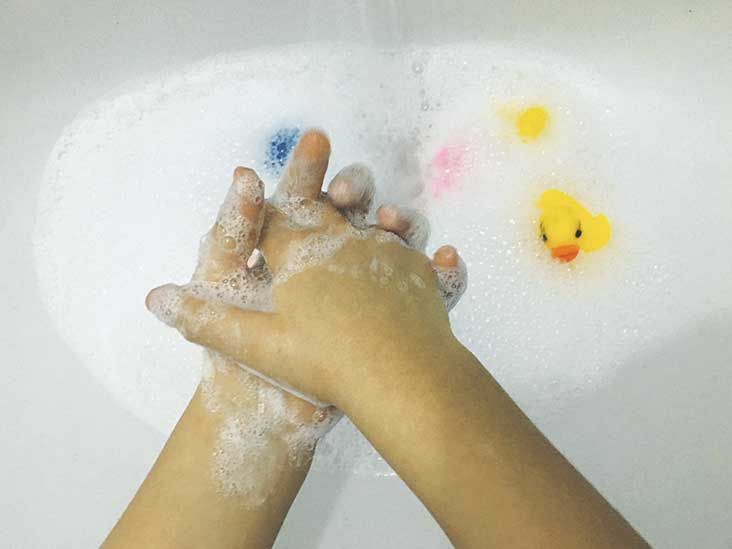
Teaching kids hygiene is basically parenting’s version of training for a marathon… except the marathon is daily, the coach is tiny, and the athlete keeps wiping their nose on your sleeve. The good news: hygiene habits are learnable skills, not personality traits. With the right routines (and the right amount of humor), most kids can go from “What is soap?” to “I washed my hands without being asked” faster than you’d expect.
This guide covers the hygiene habits that matter mosthandwashing, teeth, bathing, nails, bathroom skills, and puberty basicsplus realistic ways to make them stick without turning every morning into a courtroom drama.
Why Hygiene Matters (Beyond “Because I Said So”)
Good hygiene does three big things for kids:
- Helps prevent illnesses by reducing the spread of germs through hands, mouths, and shared surfaces.
- Protects teeth and skin (hello, fewer cavities and fewer mystery rashes).
- Builds confidencebecause it’s hard to feel like your best self when your breath could knock over a houseplant.
Think of hygiene as a “tiny daily investment” that pays off in fewer sick days, fewer dental emergencies, and fewer awkward moments in the school pickup line.
The Core Hygiene Habits (and How to Teach Them)
1) Handwashing: The Tiny Superpower
If hygiene had a greatest-hits album, handwashing would be track one. What matters isn’t just rinsingit’s doing it long enough and well enough to actually remove germs.
The kid-friendly 5-step method:
- Wet hands with clean running water.
- Lather with soapbacks of hands, between fingers, under nails.
- Scrub for about 20 seconds (two “Happy Birthday” songs works if your child enjoys musical theater).
- Rinse well.
- Dry with a clean towel or air dry.
Best times to wash:
- Before eating or handling food
- After using the bathroom
- After playing outside, sports, or recess
- After coughing, sneezing, or blowing the nose
- After touching pets (especially before snacks)
Hand sanitizer: When soap and water aren’t available, a sanitizer with at least 60% alcohol can help. For younger kids, supervision mattersbecause “hand sanitizer” should never become “hand snack.”
Teaching tip: Use the “glitter trick.” Put a tiny bit of glitter or washable paint on their hands and have them wash. Whatever’s left is a visual reminder that thumbs and fingertips are the VIP areas germs love most.
2) Oral Care: Brush, Spit, Repeat
Kids only get one set of adult teeth, so oral hygiene is non-negotiable. But it can still be funbecause nothing says “childhood” like foam-chin selfies.
- Brush at least twice a day, especially before bed.
- Brush for ~2 minutes (a timer helpsso does a favorite song).
- Floss daily once teeth touch each other (yes, flossing is annoying; so are cavities).
How much toothpaste? For little kids, the amount matters because swallowing too much fluoride toothpaste isn’t ideal.
- From first tooth to age 3: a smear (about the size of a grain of rice).
- Ages 3–6: a pea-sized amount.
- Older kids: still supervise if they tend to swallow toothpaste or rush.
How long do kids need help brushing? A lot longer than most kids would like to admit. Many children need hands-on help or close supervision well into elementary school, and some need help even longer depending on attention and motor skills.
Dental visits: Many pediatric dental groups recommend a first dental visit by age 1 (or within six months of the first tooth). After that, regular checkups help catch small problems before they become big ones.
Teaching tip: “You brush, I finish.” Let your child start to build independence, then you do a quick final pass like a quality-control inspector. No speechesjust teamwork.
3) Bathing & Skin Care: Clean Without Overdoing It
Bathing isn’t one-size-fits-all. A preschooler who played quietly with blocks is different from a tween who sprinted through soccer practice like they were being chased by a swarm of bees.
General rhythm that works for many families:
- Babies: often don’t need daily baths; focus on keeping the diaper area clean.
- Young kids: a few baths/showers a week may be enough unless they’re sweaty/dirty.
- Puberty and beyond: daily showers (or at least after sweating) become much more important.
Puberty bonus hygiene: When oil and sweat ramp up, washing the face regularly can help with breakouts. After sports, a rinse-and-change can be the difference between “fresh kid” and “locker-room legend.”
Sensitive skin note: If your child has eczema or frequent dryness, gentle soap, warm (not hot) water, and moisturizing soon after bathing can help keep skin calmer.
4) Hair, Scalp, and the “Why Is Your Hat Crunchy?” Problem
Hair needs vary by texture, activity, and scalp oil. A simple approach:
- Wash hair as needed (more for sweaty sports kids, less for dry scalps).
- Rinse after swimming to remove chlorine.
- Teach kids to fully rinse shampoo/conditionerleftover product can irritate scalp and skin.
Teaching tip: Make a “hair day” routine: certain days are shampoo days, other days are “quick rinse and go.” Kids love knowing the plan.
5) Nail Care: Small Detail, Big Germ Energy
Under-nail gunk is basically a germ storage unit. Keep it simple:
- Trim nails regularly so dirt has fewer places to hide.
- Teach a quick nail scrub during handwashing (especially after outdoor play).
- If nail-biting is a habit, offer a substitute like a fidget item and praise “hands out of mouth” moments.
6) Bathroom Hygiene: Wiping, Flushing, Washing (in That Order)
Bathroom skills are a whole curriculum. The goal isn’t perfection overnightit’s steady progress and consistent cues.
- Wiping: Teach thorough wiping. For girls, front-to-back helps reduce irritation and infection risk.
- Flushing: Make it automaticlike closing a book when you’re done reading.
- Handwashing: Always. Every time. Even if they claim they “didn’t touch anything.” (They did.)
Support tip: Some kids need extra time and coaching (especially children with developmental delays or sensory challenges). Break the routine into steps, use visual reminders, and celebrate small wins.
7) Cough & Sneeze Etiquette: “Vampire Sneezes” Save the Day
Teach kids to cough/sneeze into their elbow (the “vampire sneeze”), use a tissue when possible, and wash hands afterward. It’s a simple habit that helps in classrooms, sports teams, and anywhere kids share air and snacks.
8) Clothes, Bedding, and the Case of the Reworn Socks
Personal hygiene isn’t only about bodiesit’s about what touches bodies.
- Underwear and socks: fresh daily.
- Sports clothes: don’t marinate them in a gym bag. Air out and wash.
- Sheets: regular washing helps with sweat, skin oils, and allergies.
- Water bottles: clean them often (because “mystery smell” is never a good sign).
9) Puberty Hygiene: Deodorant, Body Odor, and Real Talk
When puberty hits, body odor can show up seemingly overnightlike a surprise pop quiz nobody studied for. Regular bathing, clean clothes, and deodorant can help. Deodorants and antiperspirants are generally considered safe for kids and teens, and many families start them whenever odor becomes noticeable.
For tweens/teens:
- Shower daily or after sweating.
- Wear clean shirts/underwear/socks daily.
- Use deodorant on clean, dry underarms.
- Keep an extra shirt or deodorant in the backpack for sports days.
Menstrual hygiene basics (for kids who menstruate): Start with calm, practical teachinghow to change pads/tampons regularly, wash hands before and after, and keep a small “period kit” in a backpack. Keep the vibe: normal, not shameful, not scary.
Make Hygiene Stick: What Works in Real Life
Kids don’t usually resist hygiene because they’re plotting chaos (though the evidence is sometimes suspicious). More often, they resist because they’re distracted, tired, or they don’t feel in control. These strategies help:
Build routines that run on autopilot
- Habit stacking: “After you pee, you wash hands.” “After breakfast, you brush teeth.”
- Same order, same place: Consistency reduces negotiation.
- Visual checklists: Especially helpful for younger kids and neurodivergent kids.
Offer choices (so you’re not the villain in their origin story)
- “Do you want the strawberry toothpaste or the mint?”
- “Shower now or after homework?”
- “Timer song or stopwatch?”
Make it measurable
- Two-minute brushing timer
- 20-second handwashing timer
- Sticker chart for younger kids (aim for praise, not perfection)
Use “when–then” language
When hygiene happens, then the next fun thing happens. Example: “When teeth are brushed, then we pick the bedtime story.” This turns hygiene into a bridge instead of a battle.
Hygiene by Age: A Quick Guide
| Age | Focus Areas | What Parents Usually Still Do |
|---|---|---|
| Toddlers (1–3) | Handwashing help, tooth brushing start, bath routine, wiping practice | Most steps: washing, brushing, wiping, nail trims |
| Preschool (4–5) | Independent handwashing with reminders, brushing with supervision | Supervise brushing, check wiping, reinforce routines |
| School-age (6–10) | Consistency: brushing, flossing, deodorant “as needed,” sports hygiene | Quality-check brushing/flossing, help plan shower schedule |
| Tweens/Teens (11+) | Daily showers (often), face care, deodorant, menstrual hygiene, independence | Provide supplies, gentle reminders, normalize questions |
Common Hygiene Battles (and Peaceful Solutions)
“I forgot” (again)
Solution: Put hygiene where the habit happens. Toothbrush in plain sight. Soap dispenser that’s easy to reach. A small reminder sign by the bathroom sink. Kids aren’t ignoring you; they’re living in the moment like tiny philosophers.
“I hate the feeling of water/soap/toothpaste”
Solution: Sensory-friendly options. Try fragrance-free soap, a softer toothbrush, different water temperature, or letting them rinse with a cup instead of splashing. Comfort increases compliance.
“Bath time is a full-body negotiation”
Solution: Shorten the goal. Some days, a quick shower + clean clothes is a win. Save the “full spa experience” for calmer days.
When to Check In With a Pediatrician or Dentist
Most hygiene issues are normal learning curves, but consider professional advice if you notice:
- Frequent cavities, tooth pain, or bleeding gums
- Persistent skin rashes, severe dryness, or repeated infections
- Strong body odor that doesn’t improve with bathing and clean clothes
- Ongoing toilet hygiene struggles beyond what’s typical for age and development
Conclusion: The Goal Is “Better,” Not “Perfect”
Hygiene habits for kids are built the same way all habits are built: repetition, structure, and a little grace for everyone involved. Keep routines simple, make the important stuff automatic (hands and teeth!), and treat hygiene like a life skillnot a moral grade. Someday your kid will wash their hands without being asked, brush for two full minutes, and change their socks voluntarily. It can happen. Miracles are real.
Extra: Real-Life Hygiene Experiences ()
In real families, hygiene isn’t a neat checklistit’s a comedy show with occasional soap. One parent described mornings as a “three-act play”: Act 1 is finding the missing toothbrush (it’s always in a weird place, like a backpack pocket next to a rock collection). Act 2 is negotiating the two-minute brush (“This was definitely two minutes,” says the child who brushed for twelve seconds). Act 3 is the dramatic finale: “I already washed my hands,” announced from the hallway, by a kid whose hands are suspiciously dry and still smell like crayons.
Teachers see the same patterns at school. A classic classroom moment is the “I barely touched it” defense after a bathroom break. The sink becomes a stage where kids learn that handwashing is not a quick finger rinseit’s a full-hand scrub, including thumbs and fingertips. Some teachers use fun cues like, “Wash like you’ve been handling glitter,” because kids understand glitter: it spreads, it sticks, and it shows up in places nobody invited it to.
Sports add their own chapter. After practice, some kids treat sweat like a badge of honoruntil they realize the smell is following them around like a clingy pet. Families who win the sports-hygiene battle usually keep it simple: shoes air out, clothes go straight into the laundry, and everyone showers before flopping onto the couch. One coach’s favorite line was, “Your jersey should not be able to stand up by itself.” Humor lands better than lectures.
Puberty creates a brand-new hygiene storyline. Many parents say the first “body odor talk” feels awkward, but kids often respond well when it’s framed as normal science: bodies change, sweat changes, and deodorant is just a toollike a backpack or a water bottle. A practical tip that comes up a lot is the “backup kit” for tweens: deodorant, travel wipes, a spare shirt, and a small pack of gum. It’s not about vanity; it’s about confidence when life gets sweaty.
And then there are the small wins that feel huge: the child who finally remembers to wash hands without being reminded, the kid who starts flossing because they hate popcorn stuck in their teeth, the tween who quietly restocks their hygiene supplies without being asked. Those moments don’t happen because parents found the “perfect” approach. They happen because hygiene became routine, supplies were easy to reach, and adults stayed calm enough to teach instead of just react.
If your household is still in the messy middle, you’re not failingyou’re training. Start with the big two (hands and teeth), build a routine that fits your family, and remember: consistency beats intensity. Also, buy extra toothbrushes. Trust me. The toothbrushes are always moving.











