
Note: This article is written for practical hunting-laundry guidance. Always follow the care label on your garments, especially waterproof, insulated, merino wool, treated, or scent-control hunting apparel.
Every deer hunter eventually learns the same humbling lesson: you can spend a mortgage payment on camo, walk like a ninja, and sit still enough to qualify as furniture, but one whiff of “laundry meadow blast,” truck exhaust, coffee breath, or yesterday’s cheeseburger can send a whitetail waving goodbye with its tail. That is why learning how to wash hunting clothes with baking soda to mask your scent is such a useful, budget-friendly skill.
Baking soda is not magic woodland invisibility powder. It will not make you disappear from a deer’s nose, and it will not rescue a bad wind. What it can do is help reduce odors in fabric, soften wash water, and support a scent-control routine that keeps your hunting clothes cleaner, quieter, and less contaminated by household smells. Think of it as one piece of the system: baking soda in the laundry room, airtight storage in the garage, smart dressing at the truck, and wind discipline in the field.
This guide explains exactly how to wash hunting clothes with baking soda, what to avoid, how much to use, how to dry and store your gear, and how to build a simple routine that does not smell like a candle aisle crashed into a pine tree.
Why Scent Control Matters for Hunting Clothes
Hunting clothes collect odor from everywhere. Sweat, skin oils, food smoke, gasoline, pets, fabric softener, dryer sheets, kitchen grease, campfire smoke, mildew, rubber boots, and even the inside of your vehicle can leave scent on fabric. To humans, some of these smells seem faint. To whitetails and other game animals, they can be a flashing neon sign that says, “Human nearby. Make dramatic exit.”
Deer use scent to detect danger, communicate, find food, and make survival decisions. This is why hunters obsess over wind direction, thermals, entry routes, and clothing storage. Clean hunting clothes will not guarantee success, but dirty or fragranced clothes can absolutely hurt your chances, especially when bowhunting or hunting pressured deer at close range.
Masking vs. Reducing Scent
The phrase “mask your scent” is common, but it can be misleading. You are not truly covering human odor with baking soda the way paint covers a wall. Baking soda is better understood as an odor reducer. It helps neutralize certain odors and supports cleaner rinsing, but it does not create a force field around your body.
The goal is to reduce odor load. Less detergent residue. Less fragrance. Less sweat smell. Less mildew. Less garage funk. Then, once your clothing is clean, you protect it from new contamination until the hunt.
Why Use Baking Soda on Hunting Clothes?
Baking soda, also known as sodium bicarbonate, is mildly alkaline. In laundry, it is commonly used to help neutralize odors, balance pH, and improve freshness without adding perfume. That last part is the big win for hunters. Many regular detergents and laundry boosters are designed to make clothes smell “fresh,” which usually means they leave fragrance behind. Great for office shirts. Not so great when you are trying to convince a deer that you are a harmless bush.
Baking soda is also inexpensive, easy to find, and simple to use. It works especially well as a laundry booster for base layers, socks, hoodies, fleece, cotton camp clothes, and many standard hunting garments. However, it should be used carefully with technical gear. Waterproof membranes, down insulation, wool layers, and specialty scent-control garments may need specific care instructions.
What You Need Before Washing Hunting Clothes
Before you dump everything into the washer, gather the right supplies. Scent control starts before the cycle begins.
Basic Supplies
- Plain baking soda
- Fragrance-free or hunting-specific detergent
- A clean washing machine
- Airtight plastic tote, scent-control bag, or vacuum bag
- Outdoor clothesline or clean drying rack
- Clean gloves or freshly washed hands for handling dry gear
What to Avoid
- Regular scented detergent
- Fabric softener
- Scented dryer sheets
- Bleach unless the garment label specifically allows it
- Strong stain removers on waterproof or technical fabrics
- Washing hunting clothes with everyday laundry
- Storing clean gear in the laundry room, kitchen, truck cab, or garage near fuel
If you remember only one rule, make it this: do not wash your hunting clothes with anything that smells like flowers, sunshine, rain, ocean breeze, mountain mist, tropical anything, or “fresh linen.” Deer do not subscribe to laundry marketing.
How to Wash Hunting Clothes with Baking Soda: Step-by-Step
This method works well for many standard hunting clothes, but always check the care tag first. If the tag says hand wash, cold wash, no heat, no tumble dry, or special detergent only, believe the tag. The tag has no ego. It is just trying to save your gear.
Step 1: Clean the Washer First
Your washing machine may already smell like scented detergent, fabric softener, mildew, or everyday laundry. If the washer smells strong to you, it will not help your hunting clothes. Run an empty rinse or quick wash cycle with warm water before washing hunting gear. Wipe the detergent tray, door gasket, and drum if they have visible residue.
For front-loading machines, pay special attention to the rubber gasket. It can trap water, lint, and musty odors. A clean washer gives baking soda and scent-free detergent a fair chance to do their job.
Step 2: Separate Hunting Clothes from Regular Laundry
Wash hunting clothes by themselves. Do not mix them with gym clothes, towels, pet blankets, work uniforms, or anything that has been exposed to gasoline, smoke, perfume, cooking oil, or fabric softener. Separate base layers, outer layers, socks, gloves, face masks, and hats by color and fabric type.
Also zip zippers, close hook-and-loop fasteners, empty pockets, and turn delicate items inside out. This protects fabric, reduces abrasion, and keeps your camo from coming out looking like it fought a lawn mower.
Step 3: Add Baking Soda Correctly
For a normal load, add 1/2 cup of baking soda directly into the washer drum before or after loading your clothes. Do not pack the washer too tightly. Clothes need room to move so water can circulate and rinse away soil and odor.
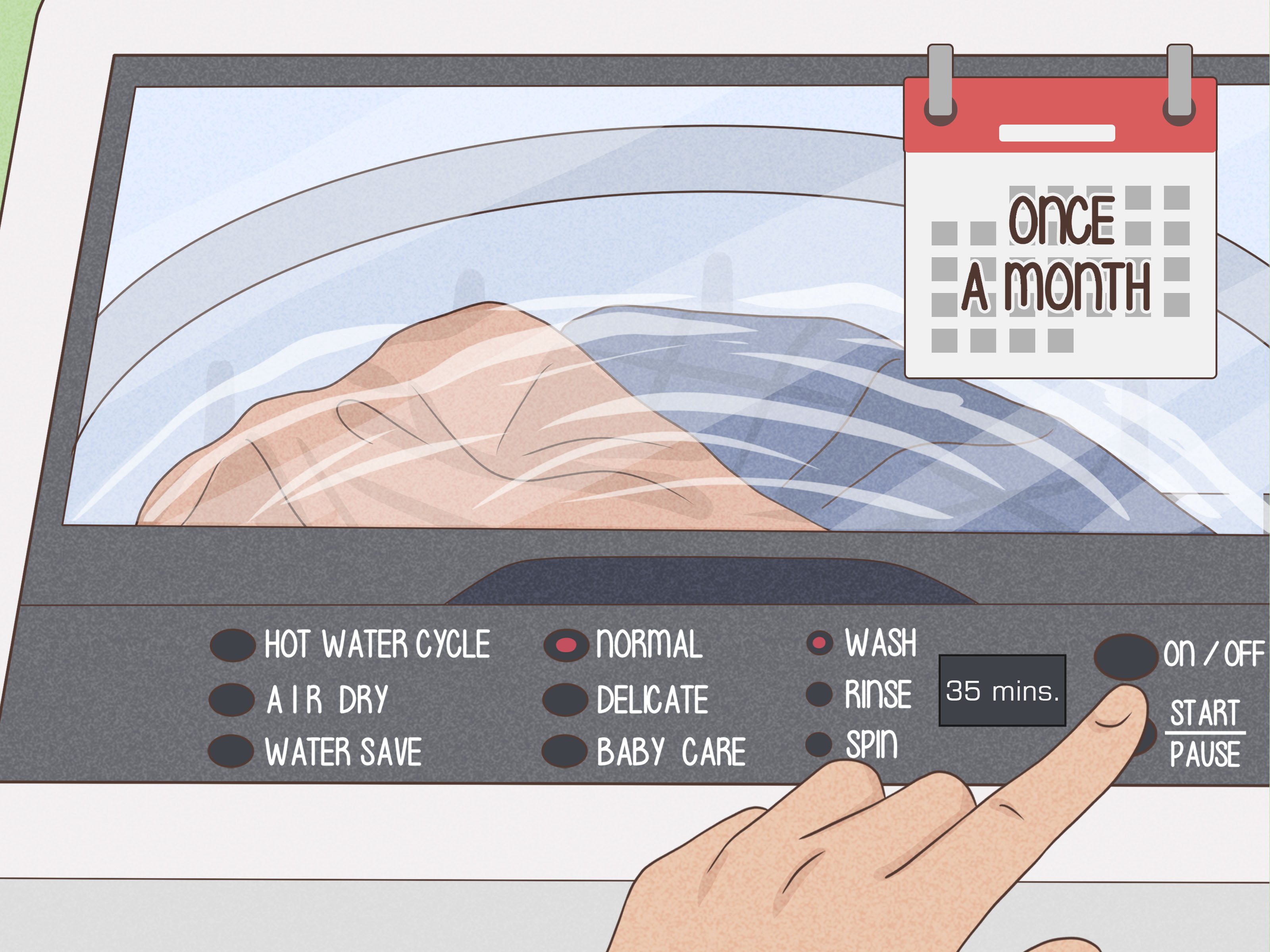
If the load is extra smelly from sweat, mildew, or storage, use up to 1 cup of baking soda and allow the clothes to soak for 30 minutes before the wash cycle continues. For high-efficiency washers, place baking soda directly in the drum rather than in the detergent dispenser, where dry powder may clump.
Step 4: Use Scent-Free Detergent
Baking soda helps, but it is not always a full replacement for detergent. Detergent removes oils, soil, blood, mud, and body grime. Choose a hunting-specific detergent or a truly fragrance-free detergent without optical brighteners or fabric softeners.
Optical brighteners are added to many ordinary detergents to make clothes appear brighter. Hunters often avoid them because some game animals may detect unusual brightness or contrast, and because technical apparel brands commonly recommend detergents without brighteners, softeners, and fragrance. When in doubt, choose a product made for hunting clothing or technical outdoor gear.
Step 5: Choose the Right Water Temperature
Warm water can help remove body oils and dirt, but not every garment likes warm water. Merino wool, some synthetics, rain gear, and insulated layers may require cold or gentle cycles. Follow the garment label first.
For most standard synthetic base layers and basic camo, a cold or warm cycle with a scent-free detergent and baking soda is a safe starting point. For waterproof breathable clothing, use a small amount of appropriate liquid detergent or technical wash if the manufacturer recommends it. Avoid powder detergents, bleach, and fabric softener on technical rainwear.
Step 6: Run an Extra Rinse Cycle
An extra rinse is one of the most underrated scent-control steps. Detergent residue can hold odor, irritate skin, and leave unwanted smells in fabric. A second rinse helps flush away leftover cleaner and loosened odor particles.
If your washer has a “second rinse” or “extra rinse” button, use it. If not, run a separate rinse-and-spin cycle after the main wash. This is especially helpful when washing thicker items like hoodies, fleece, bibs, and insulated pants.
Step 7: Skip the Dryer Sheets
Regular dryer sheets are scent-control sabotage in tiny, soft rectangles. They leave fragrance and coating on fabric. Fabric softener can also reduce performance in moisture-wicking garments and technical clothing. For hunters, the safest move is simple: skip it.
If static is a problem, use hunting-specific scent-free dryer sheets only if your garment label allows tumble drying. Otherwise, air dry your gear.
How to Dry Hunting Clothes After Washing
Drying matters almost as much as washing. The goal is to dry clothing without adding household odors.
Air Dry Outside When Possible
Hanging hunting clothes outdoors is a classic method for a reason. Fresh air helps reduce trapped odors, and it avoids scented dryer residue. Choose a clean area away from grills, vehicles, trash cans, pets, and campfire smoke. Do not hang gear near the garage if someone just fired up a two-stroke engine or cleaned fish nearby.
If outdoor drying is not possible, use a clean indoor drying rack in a low-odor room. Avoid the kitchen, laundry room with scented products, or basement areas that smell musty.
Use Low Heat Only When Allowed
Some technical outerwear needs low or warm tumble drying to reactivate water-repellent treatments. Other garments should never be tumble dried. Always check the care tag. High heat can damage elastic, shrink wool, weaken adhesives, and reduce the life of waterproof membranes.
How to Store Hunting Clothes After Washing
Freshly washed hunting clothes are like a clean plate at a barbecue: leave them out long enough and something will land on them. Once dry, store them immediately.
Use Airtight Storage
Place clean clothes in an airtight plastic tote, scent-control storage bag, or vacuum bag. Keep early-season and late-season gear separate if possible. Base layers, socks, gloves, face masks, and hats deserve the same treatment as jackets and pants because they collect plenty of odor.
Some hunters add natural materials from the hunting area, such as dry leaves, pine needles, or clean dirt in a breathable pouch. Be careful with moisture. Wet leaves or damp soil can create mildew, which is not the kind of “earth scent” anyone wants.
Store Gear Away from Odor Sources
Keep your tote away from gasoline, paint, fertilizer, household cleaners, pet bedding, smoker grills, and scented candles. The garage may be convenient, but it is often an odor circus. If the tote smells like fuel when you open it, your clothes probably do too.
Pre-Hunt Routine: Keeping Clothes Scent Controlled
Washing is only the first chapter. The pre-hunt routine determines whether all that laundry work survives the drive to the property.
Shower with Scent-Free Soap
Before the hunt, shower with scent-free soap and shampoo. Avoid cologne, scented deodorant, hair products, strong aftershave, and perfumed lotions. Human odor comes from the body as much as the clothes, and sweat can quickly contaminate clean layers.
Dress at the Hunting Location
Whenever practical, transport hunting clothes in a sealed tote and put on outer layers at the truck or near the field entrance. Driving in full gear exposes clothing to vehicle odors, coffee spills, fast food, fuel, and whatever mysterious smell lives under the passenger seat.
Wear clean travel clothes, then change into hunting layers when you arrive. Keep your boots separate and avoid wearing hunting boots into gas stations, diners, or camp kitchens.
Control Sweat on the Walk In
Overheating is one of the easiest ways to undo scent control. If you hike to the stand wearing heavy insulated clothing, you may arrive smelling like a gym bag in camouflage. Carry outer layers in your pack and put them on after you cool down. Walk slowly, use breathable base layers, and plan extra time.
Common Mistakes When Washing Hunting Clothes with Baking Soda
Using Too Much Detergent
More detergent does not mean cleaner clothes. Too much detergent can leave residue that traps odor. Use the recommended amount or slightly less for small loads, then run an extra rinse.
Mixing Baking Soda and Vinegar in the Same Cycle
Baking soda and vinegar are both popular laundry helpers, but using them together in the same cycle reduces their individual effect because they react with each other. If you use vinegar, use it separately in a rinse cycle and only when the garment label allows it. For hunting clothes, baking soda plus scent-free detergent is usually simpler.
Ignoring Technical Fabric Labels
Rain gear, down jackets, merino wool, and carbon-based scent-control clothing may have special instructions. Some need technical wash. Some need low heat. Some should not be soaked. Some should not be washed with powders. Read the care tag before experimenting.
Storing Clothes Before They Are Completely Dry
Damp storage creates mildew. Mildew creates odor. Odor creates sad hunters. Make sure every layer is fully dry before sealing it in a tote or bag.
Best Baking Soda Washing Formula for Hunting Clothes
For most standard washable hunting clothes, use this simple formula:
- Normal load: 1/2 cup baking soda in the drum plus scent-free detergent
- Heavy odor load: 1 cup baking soda with a 30-minute soak, then wash
- Rinse: Run an extra rinse cycle
- Dry: Air dry or tumble dry only if the label allows
- Store: Seal immediately in an airtight tote or scent-control bag
This routine is affordable, repeatable, and easy to follow throughout deer season, turkey season, predator hunting, and any other hunt where scent discipline matters.
Does Baking Soda Really Mask Human Scent?
Baking soda helps reduce odor, but it does not erase human scent. That distinction matters. A deer can still smell you if the wind carries your scent directly to its nose. The best hunters treat scent control as a layered system, not a single product.
Use baking soda to reduce laundry odors. Use scent-free detergent to clean fabric. Use airtight storage to prevent contamination. Use clean handling to keep gear fresh. Use wind direction to decide where to sit. Use patience to avoid sweating on the walk in. The system works best when every piece supports the next.
Field Experience: What Hunters Learn After Washing Clothes with Baking Soda
The first thing many hunters notice after switching to baking soda and scent-free detergent is not that their clothes smell like the forest. It is that they smell like almost nothing. That can feel strange at first. We are trained by regular laundry products to believe clean clothes should smell like perfume, flowers, or a fake waterfall in a commercial. Hunting clothes should not announce themselves. If your camo comes out smelling boring, that is usually a win.
One practical lesson is that storage matters more than beginners expect. A hunter can wash every layer perfectly, hang it outside, and then ruin it by tossing it on the back seat beside a drive-through breakfast bag. Grease, coffee, fuel, and dog hair cling to fabric. After a few frustrating hunts, many people learn to treat their clothing tote like a cooler full of meat: open it only when needed, keep it sealed, and do not let random camp smells wander in.
Another experience is that baking soda works best as maintenance, not emergency surgery. If clothes have been sitting damp in a plastic bag for two weeks, one quick wash may not remove every trace of mildew. A baking soda soak can help, but prevention is easier. Dry gear completely after every hunt. If base layers are sweaty, wash them before storing. If outer layers are only lightly used, air them out and return them to sealed storage once dry.
Hunters also learn that the “no fabric softener” rule is serious. The first time someone accidentally washes a base layer with a scented softener, the smell can hang around like an invited guest who refuses to leave. It may take multiple washes and extra rinses to reduce it. For this reason, some hunters keep a separate laundry basket or mesh bag just for hunting clothes. That way, nobody in the house helpfully “freshens” expensive camo with spring-scented dryer sheets.
In warm early-season hunts, baking soda washing is especially useful because sweat builds fast. Lightweight shirts, socks, underwear, gloves, and face coverings pick up body odor quickly. Washing these small items after every hunt can make a bigger difference than repeatedly washing a heavy jacket that barely touched your skin. Base layers are the front line. Keep them clean, and your outerwear has less odor to absorb.
Late-season hunters face a different challenge. Heavy bibs, insulated jackets, and wool layers can be harder to wash often. In that case, prevention is the strategy. Wear clean base layers, avoid overheating, air out outer layers, and store them carefully. If the care label allows washing, use baking soda gently and rinse well. If the garment requires special treatment, follow the manufacturer’s instructions instead of forcing a one-size-fits-all laundry recipe.
The biggest field lesson is that clean clothes do not replace playing the wind. Many hunters have had the painful experience of doing everything right in the laundry room, only to watch a deer hit their scent stream and disappear. Baking soda can reduce odor in clothing, but it cannot change physics. Wind and thermals still carry scent. A good washing routine gives you a cleaner starting point; smart stand selection keeps that advantage from blowing straight into a deer’s face.
Over time, the routine becomes simple. Wash with baking soda and scent-free detergent. Rinse twice. Dry without fragrance. Store immediately. Dress at the hunting location. Walk in slowly. Hunt the wind. None of it is glamorous, but hunting success is often built from boring habits done consistently. And if boring habits help you get closer to deer, boring starts to look pretty exciting.
Conclusion
Learning how to wash hunting clothes with baking soda to mask your scent is really about learning how to reduce odor before it becomes a problem. Baking soda is cheap, simple, and effective as part of a scent-control laundry routine. Use 1/2 cup in the washer drum, pair it with scent-free detergent, run an extra rinse, dry without scented products, and store your gear in airtight containers.
Still, remember the honest truth: no laundry method can make you completely scent-free. Deer live by their noses. Your job is to reduce avoidable odors and make smart choices in the field. Keep clothes clean, keep them sealed, avoid fragrance, manage sweat, and always respect the wind. Do that, and baking soda becomes more than a pantry item. It becomes one of the cheapest useful tools in your hunting system.












