
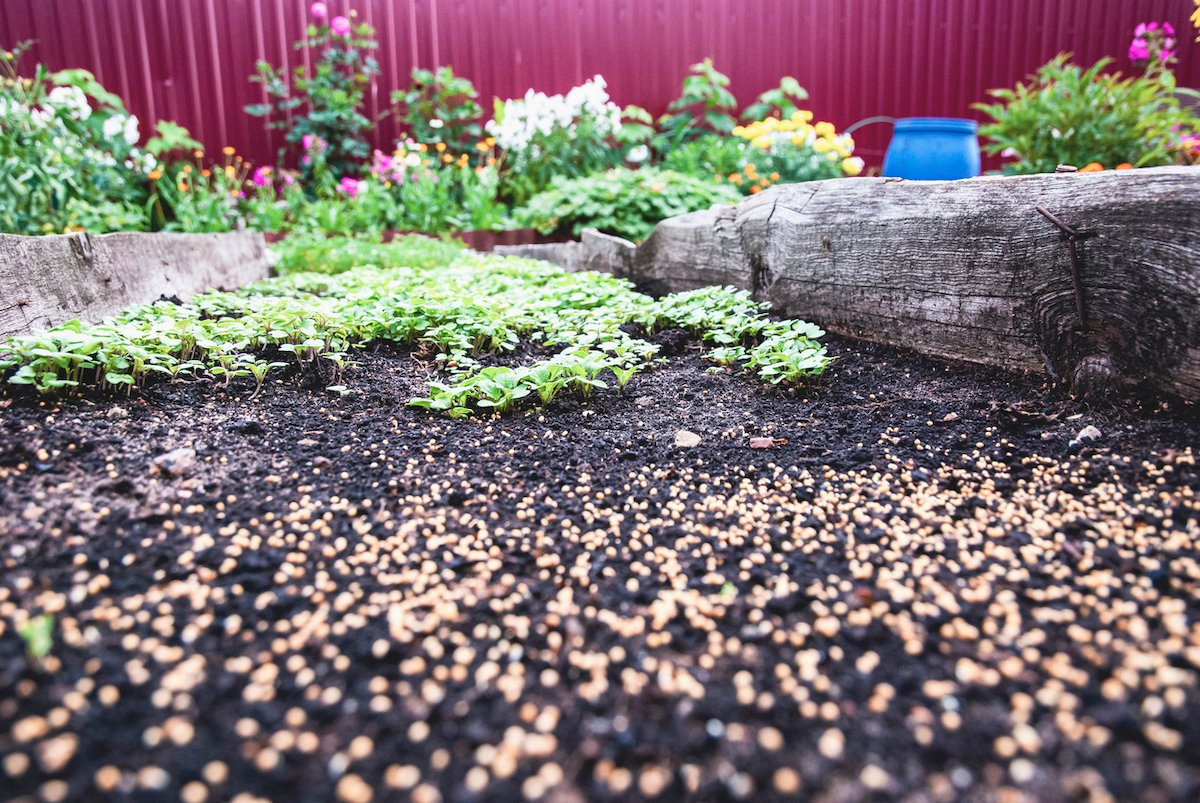
When the tomatoes are finished, the bean vines look exhausted, and your zucchini has finally stopped producing vegetables the size of canoe paddles, it may be tempting to abandon the garden until spring. However, bare soil is rarely resting peacefully. Wind can carry it away, rain can compact or erode it, weeds can move in, and valuable nutrients can wash below the root zone.
Cover crops offer a smarter ending to the gardening season. These hardworking plants are grown primarily to protect and improve the soil rather than to produce a harvest. Depending on the species, they can suppress weeds, capture leftover nutrients, add organic matter, reduce erosion, loosen compacted ground, support beneficial insects, or contribute nitrogen for future vegetables.
Better still, using cover crops in a home garden does not require a tractor, a degree in agronomy, or permission to wear overalls. With the right seed and a garden rake, even a small raised bed can become a miniature soil-improvement project.
Research support:
What Is a Cover Crop?
A cover crop is a temporary planting grown to benefit the soil between, before, or alongside primary garden crops. Unlike lettuce, carrots, or peppers, it usually is not planted for eating. Gardeners eventually cut it down, allow winter weather to kill it, incorporate it into the soil, or leave its residue on the surface as mulch.
The term green manure is often used for cover crops that are cut and mixed into the soil. As the plant material decomposes, it contributes organic matter and releases recycled nutrients. Not every cover crop must be tilled under, however. No-dig gardeners can cut the plants at soil level and leave the roots underground, where they gradually decay and create channels for water, air, and soil organisms.
Cover crops fall into three broad groups:
- Grasses and grains, such as oats, annual ryegrass, winter rye, barley, and winter wheat.
- Legumes, such as crimson clover, field peas, cowpeas, and hairy vetch.
- Broadleaf crops, including buckwheat, forage radish, mustard, and phacelia.
Each group has different talents. Grasses are generally strong nutrient scavengers and soil protectors. Legumes can work with soil bacteria to fix atmospheric nitrogen. Broadleaf crops may grow quickly, attract pollinators, suppress weeds, or produce deep taproots.
Research support:
Why Gardeners Should Use Cover Crops
Protect Bare Soil From Erosion
Raindrops striking unprotected soil can break apart its surface structure. Water then carries fine particles downhill or out of raised beds, while strong winds can remove dry topsoil. A living canopy softens the impact of rain, and a network of roots helps hold soil in place.
Even after a winter-killed crop collapses, its stems and leaves continue functioning as protective armor. That residue can reduce crusting and keep the ground from looking like a forgotten parking lot by spring.
Improve Soil Structure
Cover crop roots travel through compacted layers, creating pores that can improve water infiltration and air movement. Fine grass roots build a dense underground network, while taprooted species such as forage radish can penetrate deeper layers when soil conditions permit.
As roots die and decompose, they feed microorganisms and leave small channels behind. Over repeated seasons, this process can help heavy soil become easier to work and help sandy soil retain moisture and nutrients more effectively.
Suppress Weeds
Fast-growing cover crops occupy space, intercept sunlight, and compete with weeds for moisture and nutrients. Buckwheat is especially useful for filling an empty summer bed, while winter rye can produce a thick stand that shades many cool-season weeds.
Timing matters. A thin, late-planted cover crop may not outcompete established weeds. It is a cover crop, not a botanical security guard with unlimited authority.
Capture and Recycle Nutrients
Garden soil may contain unused nitrogen after vegetables are harvested. Grasses such as cereal rye and oats can take up some of that nitrogen before it leaches away. When the crop residue decomposes, part of the captured nutrient supply becomes available to future plants.
Add Nitrogen With Legumes
Legumes form a partnership with specific rhizobia bacteria in root nodules. Through this relationship, atmospheric nitrogen is converted into forms that enter the plant. When the plant tissue decomposes, some of that nitrogen can benefit the next crop.
For reliable nodulation, purchase pre-inoculated seed or apply the correct inoculant when recommended on the seed label. Clover inoculant and pea-vetch inoculant are not automatically interchangeable.
Support Biodiversity
Flowering species such as buckwheat, crimson clover, and phacelia can provide nectar and pollen for beneficial insects. Gardeners should still terminate cover crops before they produce unwanted seed, but allowing a managed section to bloom briefly can add biological activity and visual interest.
Research support:
How to Choose the Best Cover Crop for Your Garden
Begin with a goal instead of buying the most impressive seed mixture on the shelf. A 12-species blend may sound exciting, but it can create a complicated spring-management puzzle in a 4-by-8-foot raised bed.
Use Oats for an Easy First Cover Crop
Oats establish quickly in cool weather, protect the soil, and usually die during cold winters. The dead residue is relatively easy to rake aside or incorporate in spring. This makes oats a forgiving choice for beginners and for beds intended for early spring vegetables.
In mild climates, oats may survive longer than expected, so gardeners should not assume winter will terminate them everywhere.
Use Winter Rye for Maximum Cold Hardiness
Winter rye, also called cereal rye, germinates in cool soil, tolerates late planting, captures nutrients, and produces abundant biomass. It is an excellent choice when erosion control and winter soil coverage are top priorities.
That vigor comes with a responsibility: Rye can become difficult to manage if allowed to grow too tall or develop mature seed. It may also temporarily tie up nitrogen as its carbon-rich residue decomposes. Small-space gardeners should terminate it on schedule rather than admiring it until it resembles a prairie.
Use Crimson Clover or Hairy Vetch for Nitrogen
Crimson clover provides attractive flowers and can contribute nitrogen when it grows successfully through fall and spring. Hairy vetch is another useful nitrogen-fixing legume, often combined with rye so the grass supports its sprawling vines.
Legumes usually need more establishment time than rye. They should be planted early enough to develop before cold weather, and gardeners must confirm whether a species is winter-hardy in their region.
Use Buckwheat for Empty Summer Beds
Buckwheat grows rapidly in warm weather and can cover open soil in approximately six to eight weeks. It is valuable after early peas, lettuce, garlic, or other crops leave a bed vacant during summer. Its dense growth helps suppress weeds, and its flowers attract pollinators.
Terminate buckwheat shortly after flowering begins and before mature seed forms. Otherwise, next year’s “cover crop plan” may consist mostly of pulling volunteer buckwheat.
Use Forage Radish for Deep Rooting
Forage radish develops a substantial taproot that can enter compacted soil and create channels as it decomposes. It often winter-kills in cold regions, leaving holes and soft residue by spring.
Radish should not be treated as a magical replacement for drainage improvements or long-term organic matter management. It is one useful tool, particularly when combined with grasses or legumes.
Research support:
When to Plant Cover Crops
Fall Planting
Many gardeners sow cover crops from late summer through fall as vegetable beds become available. The ideal date depends on climate, first-frost timing, species, and whether the crop must survive winter.
Winter-killed crops such as oats need enough warm weather to establish useful growth before a hard freeze. Overwintering legumes also require an early start. Winter rye can generally be planted later than many alternatives, although earlier planting still produces better coverage and more biomass.
Summer Planting
Buckwheat, cowpeas, millet, and sorghum-sudangrass are warm-season possibilities for beds resting between vegetable crops. For small gardens, buckwheat is usually the easiest to manage because it grows quickly and can be cut with hand tools.
Spring Planting
A spring cover crop can improve a bed that will not be planted with vegetables until summer. Oats, field peas, or a compatible mixture may fit this window. Calculate backward from the intended vegetable-planting date so there is time to grow, terminate, and decompose the cover crop.
Match the Schedule to Your Location
National planting dates are unreliable because conditions vary dramatically between Maine, Maryland, Missouri, Oregon, Texas, and Southern California. Use your first-frost date, soil temperature, seed instructions, and local cooperative extension recommendations to select the planting window.
Research support:
How to Plant a Cover Crop Step by Step
1. Clear the Bed
Remove finished vegetable plants, trellises, large weeds, and diseased debris. Healthy plant material can be composted, but plants with serious disease problems should be handled according to local extension guidance.
2. Prepare the Surface Lightly
Loosen only the upper layer with a rake or hand cultivator. Cover crop seeds do not need a perfectly tilled seedbed, but they do need good contact with moist soil. Break up large clods and level deep holes where water might collect.
3. Measure the Area and Seed
Check the seed package for a garden-scale rate, often listed per 100 square feet. More seed is not always better. An excessively dense stand may create weak growth, poor airflow, and an unnecessarily large mass to manage in spring.
Broadcast small seed evenly by scattering half while walking in one direction and the other half while walking across the bed at a right angle. Mixing tiny seeds with slightly damp sand can make distribution easier.
4. Rake the Seed Into the Soil
Most garden cover crops need only shallow coverage. Gently rake the bed so seeds settle into the surface, then press the soil with the back of the rake or by walking over a board. Do not bury small clover seed as though you are hiding evidence.
5. Water Until Established
Water gently after planting and maintain consistent surface moisture during germination. A light spray is preferable to a forceful stream that relocates every seed to one corner of the bed.
6. Monitor Growth
Check for bare spots, weed competition, and unexpected flowering. If establishment is patchy, reseed quickly while weather remains favorable.
Research support:
How and When to Terminate Cover Crops
Termination is the step that converts a helpful planting into a manageable soil amendment. Unless you intentionally want seed, terminate annual cover crops before mature seeds develop. Flowering is often a practical signal, although the best stage varies by species and management method.
Let Winter Do the Work
In cold climates, oats, buckwheat, forage radish, and several tender legumes may winter-kill. In spring, gardeners can rake the residue aside, use it as surface mulch, or incorporate it shallowly.
Cut or Mow the Crop
Use hand shears, a string trimmer, a scythe, or a mower, depending on bed size. Cutting the crop close to soil level while it is still tender reduces the chance of regrowth. Leave roots in place when possible to preserve channels and minimize soil disturbance.
Incorporate It as Green Manure
Chop the vegetation into smaller pieces and mix it into the upper few inches of soil. Wait roughly two to three weeks before planting vegetables so fresh residue can begin decomposing. Thick, mature grass residue may need additional time.
Use a No-Till Approach
Cut the cover crop and leave the material on the surface as mulch. A tarp can help smother regrowth before planting. Transplants can often be placed through manageable residue, but direct-seeded carrots or lettuce require a cleaner, finer seedbed.
Avoid Planting Into an Unmanageable Jungle
Do not wait until rye is waist-high or vetch has climbed the fence, borrowed the wheelbarrow, and changed the Wi-Fi password. Younger cover crops are easier to cut, incorporate, and decompose.
Research support:
Using Cover Crops in Raised Beds and Small Gardens
Raised beds are excellent places to experiment because their dimensions are easy to measure and the crop is simple to observe. Begin with one bed rather than planting every available square foot. Oats are a practical first choice in cold-winter regions, while buckwheat works well for a short summer window.
Gardeners can also undersow a cover crop around vegetables late in the season. Remove thick mulch, scratch the soil surface, broadcast seed between existing plants, and water carefully. The cover crop can begin establishing before tomatoes, peppers, or beans are completely removed.
For permanent paths, low-growing white clover may provide living cover, but it must be edged or mowed to keep it from entering production beds. In dry regions, living pathways can compete for moisture, so wood chips or other organic mulch may be a better option.
Cover crops can even be grown in large containers, although the benefit is limited by container volume. A small planting of oats, peas, or clover can protect potting mix and add root biomass. Cut the plants before seed formation and avoid mixing an enormous quantity of fresh vegetation into a small pot.
Research support:
Common Cover Crop Mistakes
- Planting too late: Seeds may germinate but fail to produce enough growth to protect the soil.
- Choosing an overly aggressive species: Winter rye and hairy vetch are useful, but they require timely spring management.
- Allowing seed to mature: A cover crop can become a weed crop when it reseeds freely.
- Ignoring soil moisture: Cover crops require water to germinate and may use significant moisture during dry spring weather.
- Expecting instant transformation: One planting can help, but substantial changes in organic matter and soil structure develop over multiple seasons.
- Using the wrong inoculant: Legume species require compatible rhizobia bacteria for effective nitrogen fixation.
- Planting vegetables immediately after incorporation: Fresh residue can interfere with seeding and temporarily affect nutrient availability.
- Buying a complicated mixture without a plan: Species in a mix may mature or terminate differently.
Research support:
Practical Experiences and Lessons From Garden Beds
Start With a Small Test Bed
One of the most useful lessons from backyard and community gardens is that cover crops are easier to understand when gardeners begin on a small scale. A single raised bed can reveal how quickly a species germinates, whether local winter temperatures kill it, how much residue it produces, and how difficult that residue is to manage.
Gardeners who plant winter rye across an entire vegetable plot during their first attempt sometimes discover that its greatest strengthvigorous spring growthis also its greatest inconvenience. Testing rye in one section provides the opportunity to learn when to cut it without turning spring garden preparation into an endurance sport.
Oats Are Often the Least Intimidating Introduction
In regions with cold winters, oats frequently provide the smoothest first experience. They emerge quickly, produce visible green coverage, and collapse after sufficiently cold weather. By spring, the flattened residue is generally easier to handle than a living stand of winter-hardy grain.
The experience is not identical everywhere. During a mild winter, oats may survive or regrow. This is why successful gardeners watch the plants rather than relying entirely on the phrase “winter-killed” printed in a seed catalog.
Buckwheat Rewards Good Timing
Buckwheat can make an empty summer bed look productive within days. Gardeners often appreciate how rapidly it shades the ground and how eagerly pollinators visit its flowers. The challenge is that buckwheat moves from flowering to seed formation quickly.
A gardener who plans to cut it “sometime next week” may return to find maturing seed. The practical lesson is to prepare tools before flowering peaks. Cut promptly, leave the soft residue on the surface, or mix it shallowly into the bed.
Termination Determines the Overall Experience
Cover crops are usually enjoyable while they are green. The true test arrives when the gardener needs the bed back. A crop chosen without a termination plan can interfere with spring planting, particularly when the next vegetables are direct-seeded.
Experienced gardeners often match the cover crop to the following crop. A bed intended for early carrots may be planted with winter-killed oats. A bed reserved for late tomatoes can accommodate an overwintering crop that grows longer into spring. This simple schedule prevents the cover crop from becoming an obstacle.
Residue Is an Asset, but Quantity Matters
A light layer of chopped cover crop residue can protect the surface and feed soil organisms. A thick mat of mature rye can remain cool and wet, slow soil warming, and complicate small-seed germination. Gardeners learn to adjust by cutting earlier, moving excess residue to pathways or compost piles, or using transplants instead of direct seeding.
The goal is not to maximize plant material at any cost. The goal is to produce an amount that the garden, planting schedule, and available tools can manage.
Cover Crops Work Best as a Habit
The biggest improvements tend to appear when cover cropping becomes part of the garden rotation rather than a one-time rescue mission. Repeated cycles of living roots, protected soil, and decomposing residue support gradual changes in aggregation, infiltration, biological activity, and workability.
Gardeners also become better managers with repetition. They learn which beds drain slowly, which species survive local winters, and how early they must plant. The first cover crop is an experiment. By the third or fourth season, it becomes part of the garden calendarright alongside ordering too many tomato seeds and promising not to grow six zucchini plants again.
Research support:
Final Thoughts
Cover crops turn unused garden space into a living soil-care system. They can reduce erosion, compete with weeds, recycle nutrients, add organic matter, support beneficial organisms, and prepare beds for future harvests. The key is selecting a species that matches your climate, available planting window, soil goal, and termination method.
For a straightforward beginning, plant oats before winter in a cold region or buckwheat during a six- to eight-week summer opening. Once you understand how those crops behave, experiment with crimson clover, winter rye, hairy vetch, forage radish, or simple mixtures.
Cover crops do require planning, but the work is modest compared with the payoff. Instead of leaving soil bare and hoping for the best, you can put roots, leaves, microbes, and seasonal weather to work. Your garden may appear quiet between vegetable harvests, but underground, next year’s success is already under construction.
Research support:
Note: Cover crop performance and winter survival vary by region. Confirm planting dates, seeding rates, inoculation needs, and termination recommendations with the seed supplier or your local U.S. cooperative extension office.













