
Note: This guide is written for general educational purposes. Always follow your vehicle owner’s manual, trailer manufacturer instructions, hitch ratings, tire placards, and state laws before towing.
Towing a trailer looks simple from the sidewalk: truck in front, trailer in back, everyone rolling down the road like a tiny parade. Then you get behind the wheel and realize the trailer has opinions. It wants wider turns, longer stopping distance, smoother steering, and apparently a personal invitation before backing up in a straight line.
The good news is that learning how to tow a trailer is not mysterious. It is a skill built on preparation, weight management, careful hookups, patient driving, and a healthy respect for physics. The bad news is that physics never takes a day off. If your trailer is overloaded, poorly balanced, loosely connected, or driven too fast, it can sway, push the tow vehicle, stress brakes, damage tires, and turn an easy haul into a roadside drama starring you, a blinking hazard light, and regret.
This in-depth trailer towing guide explains how to tow safely, how to choose the right equipment, how to load your trailer, how to hitch up, how to drive, how to back up, and how to avoid the classic beginner mistakes. Whether you are pulling a utility trailer, boat trailer, small camper, enclosed cargo trailer, or landscaping trailer, the same fundamentals apply.
What Towing Really Means
Towing means connecting a trailer or load to a tow vehicle so the vehicle can pull it safely. The connection usually includes a receiver hitch, ball mount, hitch ball, trailer coupler, safety chains, wiring harness, and, for many trailers, a braking system. Each part has a rating, and the lowest-rated part in the system becomes the real limit.
Think of towing as a team sport. Your vehicle, hitch, trailer, tires, brakes, suspension, mirrors, and driver all need to cooperate. One weak player can ruin the game. A powerful truck cannot magically rescue a poorly loaded trailer. A heavy-duty hitch cannot make up for an overloaded vehicle. And no, confidence is not a substitute for payload capacity, although it does look nice in the driveway.
Know Your Towing Numbers Before You Move an Inch
Before you tow a trailer, learn the basic weight terms. They are not just alphabet soup from the owner’s manual. They are the numbers that keep the trip boring, and boring is exactly what you want while towing.
Towing Capacity
Towing capacity is the maximum loaded trailer weight your vehicle can pull when properly equipped. This number depends on engine, transmission, axle ratio, drivetrain, cooling system, brakes, and factory tow package. Do not rely on a generic internet number for your model. Check your exact vehicle configuration, door sticker, owner’s manual, or manufacturer towing guide.
Payload Capacity
Payload capacity is how much weight your vehicle can carry inside and on itself. This includes passengers, luggage, tools, coolers, dogs, roof racks, accessories, and trailer tongue weight. Many people focus only on tow rating and forget payload. That is like checking if your shoes fit but ignoring whether your pants are on fire.
Gross Trailer Weight
Gross trailer weight is the total loaded weight of the trailer. It includes the trailer itself plus cargo, water, fuel, gear, batteries, propane, spare tires, and anything else you added because “it might come in handy.” For accurate numbers, use a public scale, truck stop scale, gravel yard scale, or RV-friendly weighing service.
Tongue Weight
Tongue weight is the downward force the trailer puts on the hitch ball. For most conventional bumper-pull trailers, a common target is about 10% to 15% of the loaded trailer weight. Too little tongue weight can cause trailer sway. Too much can overload the rear axle, reduce steering control, and aim your headlights at passing aircraft.
GCWR and GAWR
Gross Combined Weight Rating, or GCWR, is the maximum allowed weight of the loaded tow vehicle and loaded trailer together. Gross Axle Weight Rating, or GAWR, is the maximum weight each axle can carry. These numbers matter because safe towing is not just about what the engine can pull. It is also about what the frame, suspension, tires, and brakes can safely handle.
Choose the Right Hitch and Trailer Equipment
A proper trailer setup begins with the right hitch system. The receiver hitch attaches to the vehicle frame. The ball mount slides into the receiver. The hitch ball mounts to the ball mount. The trailer coupler locks over the ball. Simple, right? Mostly. But every piece must match the trailer weight, tongue weight, and coupler size.
Match the Hitch Ball to the Coupler
Common hitch ball sizes include 1 7/8 inches, 2 inches, and 2 5/16 inches. The trailer coupler must match the ball exactly. A coupler designed for a 2-inch ball should not be placed on a 1 7/8-inch ball. It may seem close, but “close enough” is how trailers become independent thinkers on the highway.
Use the Correct Ball Mount Height
The trailer should sit level or very slightly nose down when loaded and connected. If the front is too high, the trailer may sway. If it is too low, it can overload the hitch and reduce ground clearance. Measure the coupler height and receiver height, then choose the proper rise or drop ball mount.
Consider a Weight Distribution Hitch
A weight distribution hitch can help transfer some tongue weight from the rear axle of the tow vehicle toward the front axle and trailer axles. This can improve steering, braking feel, and stability, especially with heavier travel trailers or long bumper-pull trailers. Many systems also include sway control. Always confirm that your vehicle and trailer are approved for weight distribution use before installing one.
Trailer Brakes and Brake Controllers
Many trailers require their own brakes, especially heavier trailers. Electric trailer brakes usually require a brake controller in the tow vehicle. Surge brakes, common on some boat and rental trailers, work differently by using trailer momentum to apply braking force. Whatever system you have, test it before driving at road speed. A loaded trailer without working brakes can push your vehicle like a shopping cart with ambition.
How to Load a Trailer Correctly
Proper loading is one of the most important parts of safe trailer towing. A trailer is not a storage closet on wheels. Weight placement affects sway, braking, steering, tire temperature, and overall control.
Put Heavy Items Low and Forward
Place heavier cargo low, centered side-to-side, and slightly ahead of the trailer axle. A common loading guideline is to place about 60% of cargo weight in the front half of the trailer and 40% in the rear half. This helps maintain adequate tongue weight and reduces sway risk.
Balance Side-to-Side Weight
A trailer loaded heavily on one side can pull unevenly, increase tire wear, and feel unstable. If you are hauling motorcycles, appliances, landscaping equipment, or construction materials, distribute the load evenly. The trailer should not lean like it is trying to whisper a secret to the shoulder.
Secure Everything
Use ratchet straps, wheel chocks, tie-down anchors, cargo nets, or chains rated for the load. Secure cargo in multiple directions so it cannot slide forward, backward, or sideways. A single strap tossed across a lawn mower may look optimistic, but optimism is not a load restraint system.
Do Not Exceed Trailer Ratings
Check the trailer’s Gross Vehicle Weight Rating, axle ratings, tire load ratings, and cargo capacity. Remember that the trailer’s empty weight already uses part of the total rating. A “3,500-pound trailer” may not carry 3,500 pounds of cargo. It may weigh 1,000 pounds empty and allow around 2,500 pounds of payload, depending on its design.
Pre-Trip Trailer Towing Checklist
Before every trip, do a walkaround inspection. It takes a few minutes and can prevent expensive surprises. The goal is to catch problems before they catch you at 60 mph.
Check the Hitch Connection
Lower the coupler fully onto the hitch ball. Lock the latch. Insert the safety pin or coupler lock. Raise the trailer jack slightly to confirm the coupler is seated securely on the ball. Then fully retract and secure the jack.
Cross the Safety Chains
Attach safety chains to the vehicle’s proper hitch attachment points, not to the bumper. Cross the chains under the trailer tongue. Leave enough slack for turns but not so much that the chains drag. Crossed chains can help catch the tongue if the trailer separates from the ball.
Connect the Wiring Harness
Plug in the trailer wiring connector and check all lights: running lights, brake lights, turn signals, and hazard lights. A helper makes this easier, but a reflective garage door, storefront window, or your phone camera can also work in a pinch.
Attach the Breakaway Cable
If your trailer has brakes and a breakaway system, connect the breakaway cable to the tow vehicle according to the manufacturer’s instructions. Do not wrap it around the safety chains. The breakaway system is designed to activate the trailer brakes if the trailer separates from the tow vehicle.
Inspect Tires and Lug Nuts
Check trailer and tow vehicle tire pressure when the tires are cold. Inspect for cracks, bulges, uneven wear, embedded nails, and age-related sidewall damage. Trailer tires can look fine while secretly plotting retirement. Also verify lug nuts are properly torqued, especially after wheel service or on a new trailer.
Adjust Mirrors
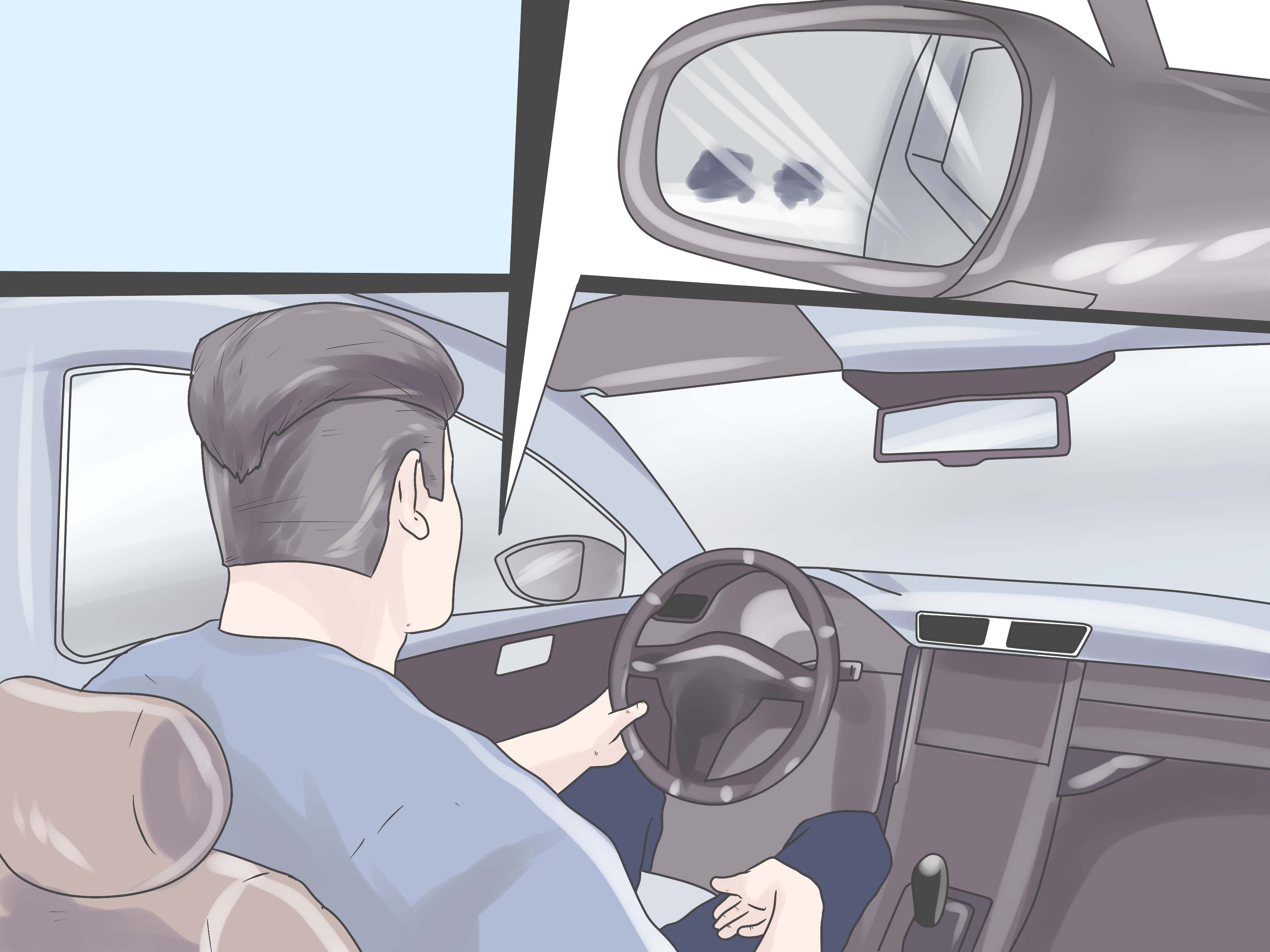
You need to see down both sides of the trailer. If your factory mirrors do not provide enough visibility, use towing mirrors. Blind spots grow when a trailer is attached, and lane changes should not involve prayer as the primary safety strategy.
How to Drive While Towing a Trailer
Towing changes how your vehicle accelerates, turns, brakes, and reacts to wind. Drive smoothly and give yourself more time for everything. The trailer is not just following you; it is adding weight, length, and momentum.
Accelerate Gently
Use gradual throttle. Hard acceleration can strain the drivetrain, shift cargo, and reduce control. If the vehicle feels sluggish, that is normal. You added a trailer, not a superhero cape.
Increase Following Distance
A loaded trailer increases stopping distance. Leave extra room ahead, especially in traffic, rain, construction zones, and downhill grades. If someone cuts into your safety gap, rebuild the gap calmly instead of auditioning for a horn solo.
Brake Earlier and Smoother
Apply brakes gradually. Sudden braking can cause cargo shift, trailer lockup, or sway. If your trailer has electric brakes, adjust the brake controller so the trailer helps stop the combination without jerking or dragging.
Take Wider Turns
Trailers cut corners tighter than the tow vehicle. Swing wider at intersections, gas stations, driveways, and campground roads. Watch the trailer wheels in your mirrors. Curbs, signs, and decorative rocks have a magnetic attraction to beginners.
Use Lower Gears on Hills
When climbing, lower gears can reduce transmission hunting and heat. When descending, lower gears can help control speed and reduce brake overheating. Do not ride the brakes downhill. Use engine braking and slow before the grade, not halfway down it.
Keep Speed Moderate
Higher speed increases sway risk, stopping distance, tire heat, and reaction time. Follow posted speed limits and any trailer-specific speed restrictions. If the trailer begins to feel light, twitchy, or unstable, slow down gradually and reassess your load, speed, tire pressure, and hitch setup.
How to Handle Trailer Sway
Trailer sway is a side-to-side fishtailing motion. It can be caused by poor weight distribution, too little tongue weight, excessive speed, crosswinds, passing trucks, underinflated tires, worn suspension parts, or abrupt steering. Mild sway is a warning. Severe sway is an emergency.
What to Do If the Trailer Starts Swaying
Stay calm. Hold the steering wheel steady. Do not make sharp steering corrections. Do not slam the brakes. Ease off the accelerator and allow the vehicle to slow gradually. If your trailer has electric brakes and a manual brake control lever, applying trailer brakes separately can help straighten the trailer. Once stopped safely, inspect the load, tire pressure, hitch height, tongue weight, and speed before continuing.
How to Prevent Sway
Load the trailer correctly, keep the tongue weight in the proper range, use the right hitch equipment, maintain tires, avoid overloading, and drive at reasonable speeds. For longer or heavier trailers, consider sway control or a properly sized weight distribution hitch. Prevention is far easier than trying to perform highway ballet with a trailer that has lost interest in cooperation.
Backing Up a Trailer Without Losing Your Mind
Backing a trailer is where many beginners discover new vocabulary. The trick is to go slowly and make small corrections. Put your hand at the bottom of the steering wheel. Move your hand in the direction you want the trailer to go. If the trailer starts to jackknife, stop, pull forward, and straighten out.
Practice in an Empty Parking Lot
Before backing into a campsite, boat ramp, garage, or tight driveway, practice in a wide-open area. Use cones or empty boxes to simulate a driveway. Practice straight backing, gentle turns, and pull-forward corrections. Nobody is born knowing how to back a trailer. Even experienced drivers still pull forward to reset. The difference is they do it without apologizing to the shrubbery.
Use a Spotter the Right Way
A spotter can help, but only if you agree on hand signals before moving. The driver should always be able to see the spotter. If you lose sight of the spotter, stop immediately. Do not rely on shouting unless you enjoy conversations that sound like “LEFT! NO, YOUR LEFT! WAIT!”
Fuel Stops, Parking Lots, and Tight Spaces
Gas stations and parking lots require planning. Choose stations with roomy entrances and exits. Avoid pulling into a place you cannot pull out of. When possible, park along the outer edge of lots and leave yourself a forward exit. Backing out of a crowded convenience store while towing is a character-building exercise best avoided.
Watch overhead clearance with campers and enclosed trailers. Watch tail swing on long trailers. Watch curbs with trailer wheels. And before turning into a narrow driveway, ask yourself the sacred towing question: “Can I get out of there without becoming local entertainment?”
Common Trailer Towing Mistakes
Ignoring Payload
A vehicle may have a strong tow rating but limited payload. Tongue weight, passengers, tools, coolers, and cargo all count. Overloading payload can affect steering, braking, suspension, tires, and legal safety margins.
Loading Too Much Weight Behind the Axle
Rear-heavy trailers are a major cause of sway. If the trailer feels unstable, check whether heavy items are placed too far back. Move weight forward carefully while staying within tongue weight and axle limits.
Using the Wrong Hitch Ball
A mismatched hitch ball and coupler can cause poor connection or separation. Always verify ball size, coupler latch engagement, and safety pin placement.
Forgetting Trailer Lights
If drivers behind you cannot see your turn signals or brake lights, they are guessing. Guessing is bad traffic teamwork. Test lights before every trip.
Driving Too Fast
Speed magnifies every towing problem. Sway gets worse, tires heat up, braking distance grows, and reaction time shrinks. Slow and steady may not look dramatic, but it gets the trailer home in one piece.
Maintenance Tips for Safe Trailer Towing
Trailers need maintenance even when they spend most of their lives sitting. In fact, sitting can be hard on tires, wheel bearings, brakes, wiring, and suspension parts.
Check Wheel Bearings
Trailer wheel bearings should be inspected, cleaned, greased, or replaced according to the manufacturer’s schedule. A failing bearing can overheat and damage the hub or axle. On longer trips, feel near the hubs during stops without touching hot parts directly. One hub much hotter than the others deserves attention.
Maintain Brakes
Electric brakes, surge brakes, drums, rotors, pads, shoes, wiring, and breakaway batteries all require inspection. If braking feels weak, jerky, noisy, or uneven, service the trailer before towing again.
Protect the Wiring
Trailer wiring lives a rough life near road spray, gravel, salt, and enthusiastic rodents. Inspect connectors, grounds, and exposed wires. Use dielectric grease where appropriate and keep plugs capped when not in use.
Watch Tire Age
Trailer tires often age out before they wear out. Check the date code and replace old or cracked tires even if the tread looks acceptable. Carry a properly inflated spare, jack, lug wrench, and tools that actually fit your trailer.
Real-World Example: A Weekend Utility Trailer Haul
Imagine you are towing a 6-by-12 utility trailer to pick up mulch, a small riding mower, and a few garden tools. The tow vehicle is rated for 5,000 pounds, and the trailer’s gross vehicle weight rating is 2,990 pounds. The trailer weighs 900 pounds empty, so it can carry around 2,090 pounds of cargo.
The mower weighs 600 pounds, the mulch weighs 1,000 pounds, and the tools add 100 pounds. Total trailer weight is about 2,600 pounds. A 10% to 15% tongue weight target would be roughly 260 to 390 pounds. You load the mower slightly ahead of the axle, stack mulch evenly, secure everything with rated straps, check lights, cross chains, confirm tire pressure, and drive home at a moderate speed. Nothing exciting happens. That is success. In towing, “uneventful” is the trophy.
Extra Experience: Lessons Learned From Towing a Trailer
The first practical lesson about towing a trailer is that preparation feels boring only until something goes wrong. Then preparation becomes your favorite hobby. Experienced drivers develop a rhythm before each trip: look under the trailer, check tires, tug on straps, test lights, confirm the coupler, check chains, glance at mirrors, and walk around one more time just because. That final walkaround is not paranoia. It is professionalism wearing work boots.
One useful habit is stopping after the first few miles. Pull into a safe area and inspect the trailer again. Cargo can settle. Straps can loosen. A coupler latch that looked fine in the driveway deserves a second look after bumps and turns. Touch the straps, check the chains, look at the tires, and make sure the lights still work. This five-minute pause can prevent an hour-long roadside circus.
Another lesson is that towing rewards patience. The best trailer drivers are not the fastest drivers. They are the smoothest. They brake before everyone else, signal early, turn wide, and avoid sudden lane changes. They also accept that people will cut them off because some drivers see a safety gap and think, “How thoughtful, someone saved me a space.” The calm response is to rebuild the gap and continue.
Fuel stops deserve special respect. Before pulling into a station, look for your exit path. A pump that is easy to enter may be impossible to leave without backing around a minivan, a trash can, and someone buying lottery tickets with the intensity of a courtroom negotiation. Choose big stations, outside pumps, and wide approaches whenever possible.
Backing up is another experience teacher. The secret is not talent; it is slowness. Tiny steering inputs work better than dramatic wheel spinning. When the trailer starts turning too sharply, pull forward and reset. There is no shame in resetting. The shame is pretending you can save a bad angle until the trailer is folded like a pocketknife.
Wind is also a real factor. Open highways, bridges, mountain passes, and passing semi-trucks can push a trailer around. If the trailer feels unsettled, reduce speed and keep both hands steady. Do not fight every tiny movement. Let the combination settle, and avoid overcorrecting. If the trailer continues to sway, stop safely and inspect weight distribution, tire pressure, and hitch setup.
Finally, good towing comes from respecting limits. A trailer may be technically under the maximum rating but still unpleasant to tow because of length, wind resistance, road conditions, or driver experience. A tall enclosed trailer catches wind differently than a flat utility trailer. A boat trailer behaves differently after launching because wet ramps, surge brakes, and slippery tires join the party. A camper adds bulk, blind spots, and the temptation to pack “just one more thing.”
The best advice is simple: start small, practice empty, load carefully, drive slowly, and never ignore a strange sound, smell, vibration, or sway. Towing a trailer is not about proving what your vehicle can barely handle. It is about moving a load safely, predictably, and without creating a viral video titled “Well, That Went Poorly.”
Conclusion
Learning how to tow a trailer safely comes down to three big ideas: know your numbers, connect everything correctly, and drive like you are responsible for extra weight behind youbecause you are. Check towing capacity, payload, trailer weight, tongue weight, hitch ratings, tire pressure, brakes, lights, chains, and cargo security before every trip. Load heavy items low and forward, keep weight balanced, increase following distance, brake early, turn wide, and slow down if anything feels unstable.
Once you understand the basics, towing becomes less intimidating and more predictable. The trailer may still have a personality, but with the right setup and steady driving, it becomes a useful partner instead of a rolling problem. Respect the equipment, respect the road, and let patience do the heavy lifting.













