
Buying clothes online should feel like a treat, not a gamble with shipping fees. Yet one tiny mystery keeps ruining otherwise wonderful shopping plans: size. One brand’s medium is another brand’s “absolutely not, ma’am.” The good news is that learning how to take measurements for women is not difficult. You do not need a fashion degree, a tailoring studio, or a magical tape measure blessed by designers in Milan. You just need a flexible measuring tape, a few calm minutes, and the willingness to stand still without sucking in your stomach like you are being photographed for a passport.
Accurate body measurements help with everything from dresses and jeans to bras, uniforms, sewing patterns, shapewear, and special-occasion outfits. They also make returns less frequent, fittings more successful, and shopping much less dramatic. In this guide, you will learn exactly what to measure, how to do it correctly, what common mistakes to avoid, and how to use your numbers without obsessing over the size printed on a tag. Because that little tag is often chaos in fabric form.
Why Accurate Measurements Matter
Taking your measurements is not about chasing a number or proving anything. It is a practical skill. Good measurements help you find better-fitting clothes, compare brand size charts, buy bras more confidently, order formalwear with fewer surprises, and make smarter sewing or alteration decisions. They also help you understand why something fits in the hips but not the waist, or why a blouse fits your bust but pulls across the shoulders.
Here is the truth many shoppers learn the hard way: there is no universal women’s sizing system. A size 8 in one brand may fit like a size 10 in another. Petite, regular, tall, and plus sizing also change proportions, not just width. That is why your actual measurements matter far more than your favorite number on a label.
What You Need Before You Start
- A soft measuring tape, not a metal construction tape unless you enjoy unnecessary drama
- Fitted clothing or underwear, depending on what you are shopping for
- A mirror
- A phone or notebook to record numbers
- A friend for tricky measurements like sleeves, shoulders, or hard-to-reach back areas
If you plan to buy bras, wear a non-padded or lightly padded bra while measuring. If you plan to buy structured dresses, pants, or sewing patterns, measure over lightweight, close-fitting clothes or underwear so the tape is not competing with bulky fabric.
The Ground Rules for Better Measurements
1. Stand naturally
Do not puff up your chest, pull in your stomach, or pose like you are about to accept an award. Stand the way you normally stand. Clothes have to fit your real body, not your “I can hold this for two seconds” body.
2. Keep the tape level
For bust, waist, hip, and underbust measurements, the tape should stay parallel to the floor. If it rides up in the back or droops in front, the number is less useful.
3. Do not pull too tight
The tape should be snug, not strangling. You want the measurement of your body, not your body after being negotiated down by half an inch.
4. Measure twice
Take each measurement at least two times. If the numbers are different, take a third and use the most consistent result.
5. Record both inches and centimeters if possible
Many U.S. brands use inches, but some size charts and sewing patterns may use centimeters. Recording both saves time later.
How to Measure the Most Important Areas
Bust
Measure around the fullest part of your bust with your arms relaxed at your sides. Keep the tape straight across your back and parallel to the floor. This is one of the main measurements used for tops, dresses, jackets, and some swimwear.
Tip: If you are between bust sizes, consider the fabric. Stretch fabrics are more forgiving. Woven, tailored, or non-stretch pieces usually require more precision.
Underbust
Wrap the tape directly under your bust where your bra band sits. This number is especially helpful for bra fitting, bralettes, corset-inspired tops, and dresses with built-in support.
Upper Bust or High Bust
Measure above the fullest part of the bust and under the arms. This measurement is especially useful when choosing sewing patterns or structured tops because it helps with shoulder and upper-chest fit. If your full bust and upper bust are very different, that often explains why some garments fit your chest but feel off everywhere else.
Natural Waist
To find your natural waist, bend sideways. The crease that forms is usually your natural waistline. Measure there, keeping the tape comfortably snug. This number matters for dresses, skirts, trousers, jeans, jumpsuits, and belts.
Important: Your natural waist is not always where you wear your jeans. Many modern pants sit lower or higher than that, so brand charts may also ask for a low waist or high-hip measurement.
High Hip
The high hip is usually a few inches below the natural waist and can be useful for high-rise pants, pencil skirts, and fitted dresses. If you have ever had pants fit your hips but pull awkwardly across the lower stomach, the high-hip measurement often explains why.
Full Hip
Stand with your feet together and measure around the fullest part of your hips and seat. Keep the tape parallel to the floor. For many women, this is one of the most important numbers for pants, jeans, skirts, and body-skimming dresses.
Tip: The fullest hip point is not the same on everyone. On some bodies it is just a few inches below the waist. On others, it is much lower. Slide the tape slightly up and down until you find the largest circumference.
Inseam
Measure from the crotch to the ankle or floor along the inside of the leg. If that sounds annoying, there is a simpler option: measure the inseam of a pair of pants that already fits you well. For jeans and trousers, this method is often easier and more reliable.
Sleeve Length
Bend your elbow slightly and place your hand on your hip. Measure from the center back of your neck across the shoulder, down past the elbow, and to the wrist. This helps with jackets, blouses, coats, and uniforms.
Shoulder Width
Measure from one shoulder point to the other across your upper back. This is especially helpful for blazers, structured dresses, button-down shirts, and sewing projects. If shoulder seams always slide down your arms or feel too tight, this number can be a game changer.
Rise
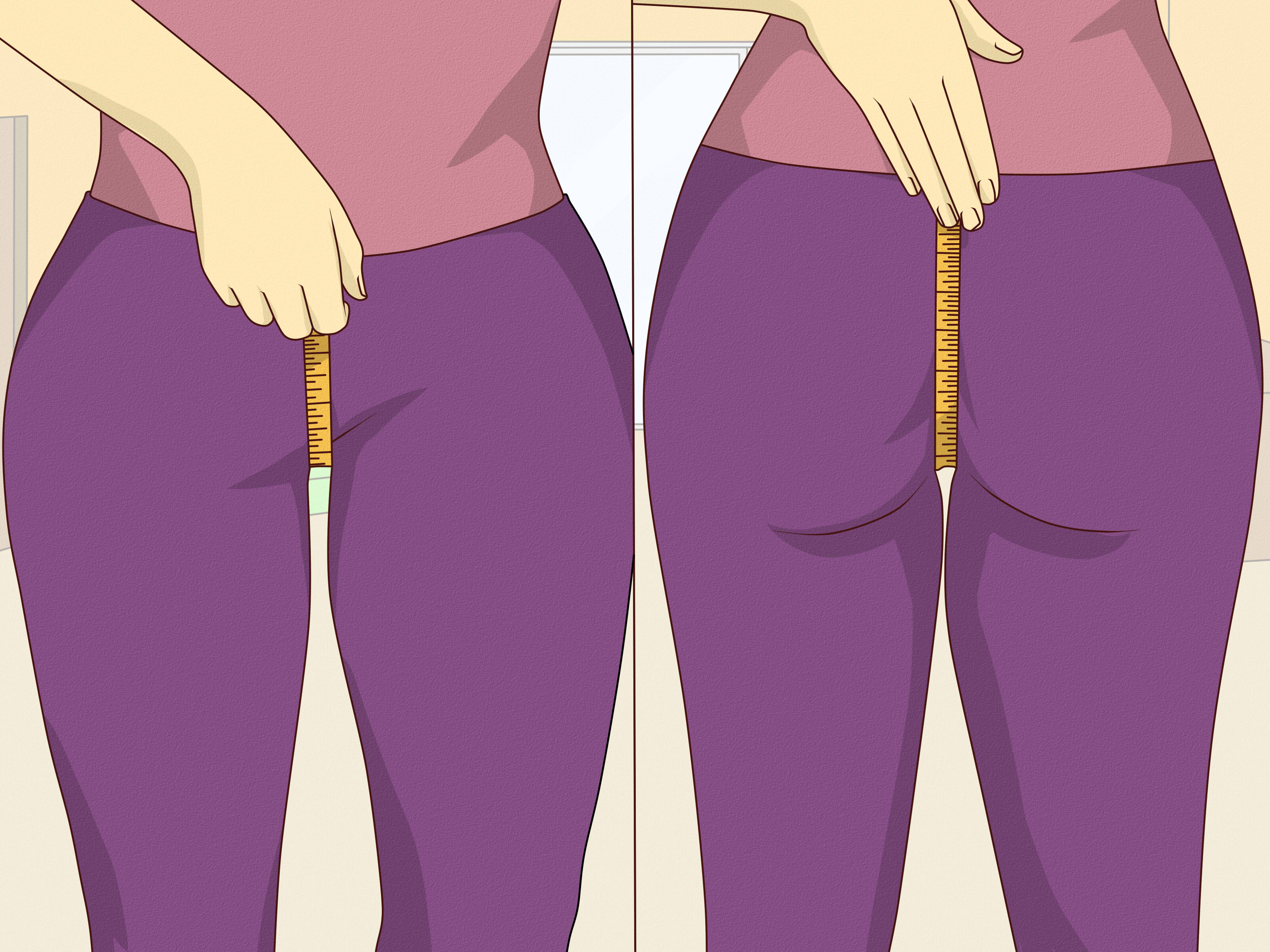
For jeans and pants, rise can matter almost as much as waist size. Front rise is measured from the crotch seam to where the waistband sits in front. Back rise runs from the crotch seam to the back waistband. If waistbands always feel too low, too high, or oddly placed, rise is often the missing clue.
Torso Length
If you wear bodysuits, one-piece swimsuits, rompers, or fitted dresses, torso length can be important. A long torso can make standard sizes feel short and restrictive. A short torso can make garments bunch or wrinkle oddly. Measure from shoulder to crotch and back to shoulder for a full girth measurement if a brand requests it.
How to Use Your Measurements the Smart Way
For everyday clothing
Compare your bust, waist, and hip measurements to the brand’s size chart. If you fall into different sizes for different areas, choose based on the garment type. For example, for a fitted skirt, prioritize hip measurement. For a tailored blouse, bust and shoulder fit may matter more.
For bras
Use underbust and bust measurements as your starting point, then fine-tune based on fit. A bra size is not a personality trait; it is a starting estimate. Different styles, cup shapes, and brands can all fit differently.
For dresses
Look at bust, waist, and hip together. The most limiting area usually determines the size you need. If one area is bigger than the others, buying for the largest measurement and tailoring the rest is often the smartest move.
For jeans and trousers
Check waist, full hip, rise, and inseam. When pants almost fit but still feel wrong, the issue is often not “your body.” It is usually a mismatch in rise or hip placement.
For sewing patterns
Use body measurements first, then compare them with finished garment measurements and ease. If your bust, waist, and hips span more than one size, blending sizes is completely normal. Sewing is not a loyalty test to one number.
Common Mistakes to Avoid
- Measuring over bulky sweaters or thick denim
- Holding the tape too loosely or too tightly
- Using old measurements from two years ago and hoping for the best
- Ignoring the brand’s specific size chart
- Measuring the wrong waistline for the garment style
- Forgetting rise, inseam, or sleeve length when shopping for pants or outerwear
- Assuming the number on the tag says anything meaningful about your body
Quick Example: How Measurements Solve Shopping Problems
Imagine you are buying a sheath dress online. Your bust matches a medium, your waist matches a large, and your hips match a medium. If the fabric has little stretch, the large is probably safer because the waist area will be less restrictive, and a tailor can refine the bust or hip if needed. If the same dress comes in stretch ponte knit, the medium may work better. Same body, same brand, different fabric, different choice.
Now imagine jeans that fit at the hips but gap at the waist. That usually means your hip-to-waist ratio differs from that brand’s block. The fix is not “my body is weird.” The fix is finding a cut designed for your proportions or buying for hips and tailoring the waist.
When to Re-Measure
Update your measurements when you are shopping for a new category of clothing, after body changes, before formalwear orders, at the start of a sewing project, or whenever your usual size suddenly starts acting suspicious. A good habit is to re-measure every few months if you shop online often.
Final Thoughts
Learning how to take measurements for women is one of those small life skills that pays off again and again. It saves money, reduces returns, helps clothes fit better, and lowers the stress of online shopping. Most importantly, it gives you useful information without turning your body into a math problem. Measurements are tools, not judgments.
So grab the tape measure, stand naturally, write the numbers down, and let the size chart do its job. Your closet will thank you. Your tailor will nod approvingly. And your future self may finally stop guessing whether “medium” means medium, medium-ish, or “good luck out there.”
Experiences Women Commonly Have When Taking Their Measurements
One of the most common experiences women have is simple surprise. Many people assume they already know their size because they have been buying the same number for years. Then they take fresh measurements and realize their best fit is not the size they expected in today’s clothing. That moment can feel annoying at first, but it is usually helpful. It explains why one pair of pants has been mysteriously perfect while another pair in the “same size” feels like it was designed during a personal grudge.
Another common experience happens during online shopping. A woman may order a dress in the size she always buys, only to find the bust fits, the waist pinches, and the hips are somewhere between “almost” and “absolutely not.” After measuring properly, she often discovers that her proportions span two or three different size categories. That is incredibly normal. Real bodies are not built in factory-standard proportions, and clothing charts often assume a very specific shape. Once women understand that, shopping becomes less emotional and more strategic.
Many women also notice that measurements vary depending on what they are buying. For bras, the underbust suddenly matters a lot. For jeans, rise and inseam become surprisingly important. For blazers, shoulders and sleeve length can matter more than expected. For formal dresses, the largest measurement often determines the best starting size. This is why experienced shoppers stop asking, “What size am I?” and start asking, “What measurements matter for this garment?” That one shift can save a ridiculous amount of time and money.
Sewists often have an especially eye-opening experience. The first time a woman compares her body measurements to a sewing pattern, she may find that the recommended pattern size is very different from the ready-to-wear size she buys in stores. That is not bad news. It is just a reminder that pattern sizing and retail sizing are built on different systems. Once she learns to measure full bust, high bust, waist, and hips separately, fitting becomes far more logical. Suddenly, alterations are not mysterious anymore. They are simply adjustments based on information.
There is also the practical experience of learning where the body actually measures fullest. Many women assume the hip is exactly where charts say it should be, but when they use a tape measure, they discover their fullest point sits higher or lower than expected. The same thing happens with the waist. Some women naturally wear pants below the natural waist and have never measured the true waistline before. Finding those points can feel oddly educational, like finally understanding why certain silhouettes always worked and others never really did.
Height-related experiences are common too. Petite women often discover that the issue is not only width but proportion. Sleeves may be too long, waistlines may hit too low, and knees on pants may sit in the wrong place. Tall women often find the opposite problem: not enough sleeve length, not enough torso length, not enough rise. Once these measurements are written down, the shopping process becomes much more specific and much less frustrating.
Perhaps the best experience many women report is a sense of relief. Good measurements reduce the guesswork. They make clothing feel less random. They also separate fit from self-judgment. If a garment does not work, it usually means the cut, fabric, or size chart was wrong for that item. It does not mean the body is wrong. That is a surprisingly freeing lesson, and honestly, one worth learning before clicking “add to cart” ever again.












