
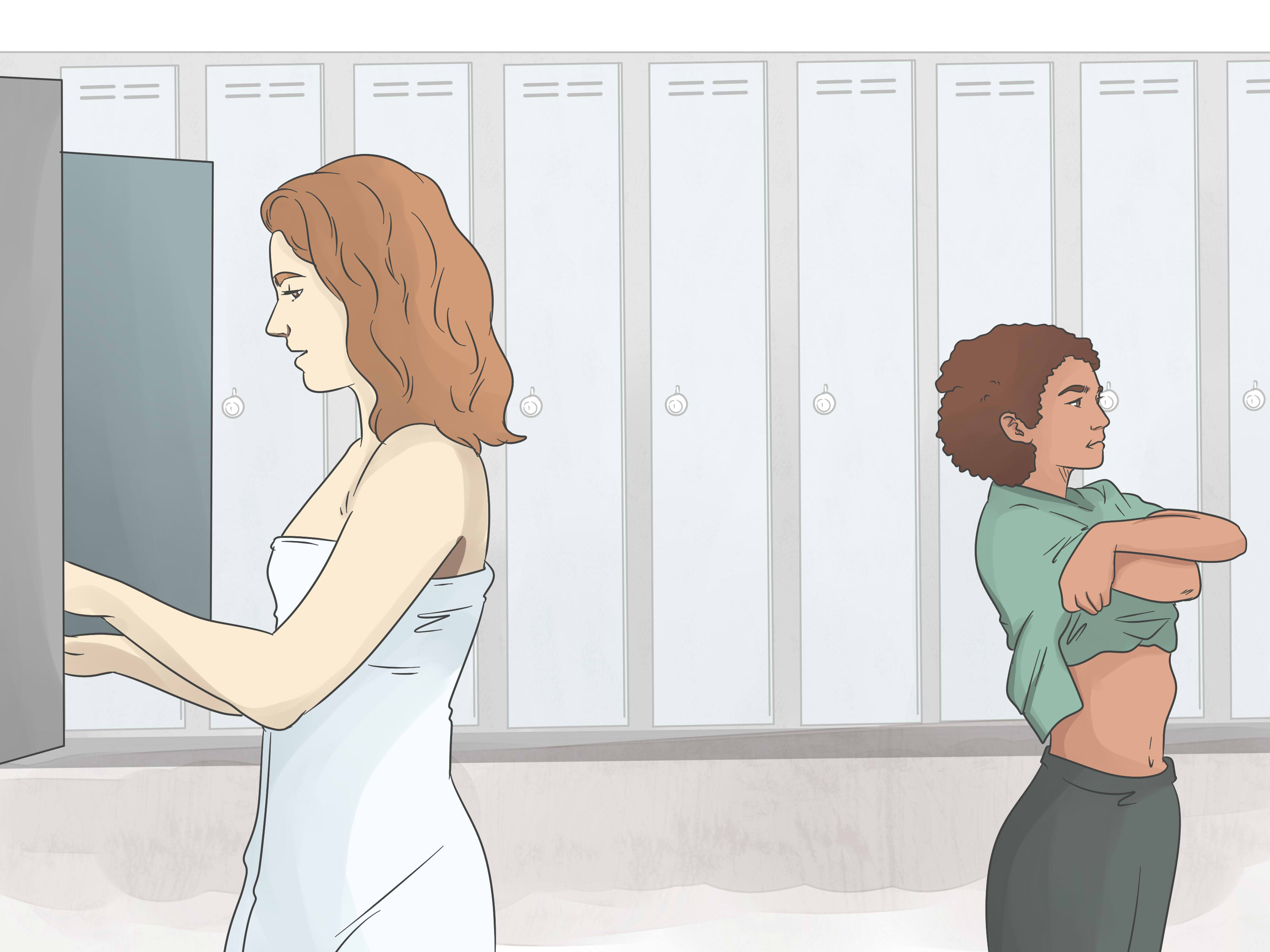
Showering in gym class can feel like an Olympic event nobody trained you for. You have limited time, a slippery floor, a backpack full of mysterious objects, and several classmates who appear to have mastered changing clothes at superhero speed.
The good news is that taking a shower after physical education does not have to be embarrassing or complicated. With a little preparation, a simple routine, and sensible attention to privacy, you can get clean, get dressed, and reach your next class without leaving a trail of shampoo bubbles down the hallway.
This guide explains how to take a shower in gym class safely and confidently. It covers what to pack, how to protect your feet, how to shower quickly, what to do about body-image concerns, and how to respond if another student behaves inappropriately.
Why Showering After Gym Class Can Be Helpful
Exercise causes sweating, and sweat can mix with bacteria, oils, dirt, and dead skin cells. Although sweat itself is not necessarily smelly, bacteria breaking down substances on the skin can produce body odor. A short shower helps rinse away sweat and grime before you put on clean clothes.
Changing out of damp clothing also matters. Remaining in a sweaty shirt, socks, or underwear for several hours may cause discomfort, chafing, odor, or skin irritation. Shared locker rooms can also contain fungi and bacteria, so good hygiene includes wearing shower sandals, drying your body thoroughly, covering open wounds, and keeping personal items to yourself.
That does not mean you need a 20-minute spa treatment complete with cucumber slices. A focused shower lasting only a few minutes is usually enough after an ordinary gym class.
1. Learn the School’s Shower and Locker-Room Rules
Before your first gym-class shower, find out how the locker room works. Some schools have individual stalls or curtains, while others have open shower areas. Showering may be encouraged, optional, or required after certain activities. You should also know how much changing time is provided and whether you need to bring your own towel and toiletries.
Ask the physical education teacher privately when you are unsure. Useful questions include:
- How many minutes are available for showering and changing?
- Are private stalls or changing areas available?
- Where should wet towels and clothing be stored?
- Are phones prohibited in the locker room?
- What can students do when they need a privacy, disability, medical, religious, or cultural accommodation?
Knowing the routine removes much of the uncertainty. It is easier to feel confident when you are not standing beside your locker wondering whether everyone else received a secret instruction manual.
2. Pack a Small Gym Shower Kit
Prepare your bag the night before gym class. A simple shower kit prevents forgotten-towel emergencies and keeps small items from disappearing into the backpack dimension where pencils, socks, and permission slips go to retire.
Useful items to pack
- A clean, quick-drying towel
- Water-resistant shower sandals or flip-flops
- A travel-size bottle of mild body wash or soap
- Shampoo when you plan to wash your hair
- Deodorant or antiperspirant
- Clean underwear, socks, and regular clothing
- A comb, brush, or hair ties
- A waterproof bag for wet clothing and towels
- Menstrual products when needed
- Fragrance-free moisturizer if your skin becomes dry
Use leak-resistant containers and place liquids in a resealable pouch. Few school-day surprises are less delightful than opening a backpack and discovering that your math homework now smells like tropical body wash.
3. Wear Shower Shoes at All Times
Do not walk barefoot through a shared locker room or shower. Warm, damp floors can support the fungi that cause athlete’s foot and other fungal infections. Shower sandals create a simple barrier between your feet and shared surfaces.
Put them on before leaving the changing area, wear them in the shower, and keep them on until your feet are dry and you are ready for socks and shoes. Choose sandals with textured soles that fit securely. Oversized flip-flops may transform the walk to the shower into an accidental skating demonstration.
Rinse your shower shoes when appropriate and let them dry completely at home. Do not seal wet sandals inside your gym bag for several days unless you are attempting to create a miniature swamp.
4. Create a Fast, Repeatable Shower Routine
A school shower should be efficient rather than elaborate. Arrange your towel, clean clothing, and toiletries before you undress so that you do not have to search through your locker while dripping water everywhere.
A basic gym-class shower sequence
- Remove sweaty clothing and place it directly in your waterproof bag.
- Wrap yourself in a towel or robe if that makes you more comfortable.
- Put on your shower shoes.
- Bring only the products you need into the shower.
- Rinse your body with lukewarm water.
- Wash sweaty areas with a mild cleanser.
- Rinse away all soap and shampoo.
- Turn off the water and return to your changing space.
- Dry completely before putting on clean clothes.
Practice the sequence at home and time yourself. Once it becomes familiar, a three-to-five-minute rinse can feel surprisingly manageable.
5. Protect Your Privacy and Respect Everyone Else’s
Locker-room etiquette is straightforward: focus on your own routine, give people space, and do not comment on anyone’s body. Students develop at different rates, and bodies naturally vary in size, shape, skin tone, scars, hair, and physical features. None of this is an invitation for inspection or conversation.
Use a private stall or curtain when one is available. Otherwise, keep a towel wrapped around yourself until you enter the shower and again as soon as you finish. You can also face the wall or locker while changing.
Phones, cameras, and recording devices should never be used in a changing or shower area. Taking or sharing an image of someone without permission is a serious invasion of privacy. Tell a teacher or another trusted adult immediately if you see anyone recording, threatening to record, or pretending to record people in the locker room.
6. Use Lukewarm Water and a Gentle Cleanser
Very hot water may feel relaxing, but it can strip protective oils from the skin and worsen dryness or irritation. Use comfortably warm or lukewarm water instead. Choose a mild cleanser, especially when you have eczema, sensitive skin, or another skin condition.
You do not need to scrub every inch of your body as if you are removing paint from a wall. Concentrate on areas where sweat, oil, and odor tend to collect, including the armpits, feet, groin area, chest, back, and skin folds. Clean external intimate areas gently, and avoid applying fragranced products to sensitive tissue.
Use your hands or a clean personal washcloth. Shared loofahs, sponges, washcloths, and soap bars can collect microorganisms and should be avoided. Rinse thoroughly so no cleanser remains on your skin.
7. Do Not Share Towels, Razors, or Toiletries
Sharing may be admirable when pizza is involved, but it is a poor locker-room strategy for towels and razors. Personal items can transfer fungi, bacteria, and skin cells from one person to another.
Use only your own towel, washcloth, razor, deodorant, clothing, footwear, and hairbrush. Label your toiletries when several students have similar containers.
Keep cuts and scrapes clean and covered with a secure bandage. Avoid shaving immediately before gym class because tiny cuts can make the skin more vulnerable to irritation or infection. If you notice a painful red bump, spreading rash, draining wound, cracked skin between the toes, or another possible infection, speak with a parent, school nurse, athletic trainer, or health professional. Do not pick, squeeze, or attempt to perform locker-room surgery on it.
8. Dry Your Body Thoroughly
Drying is not an optional epilogue to the shower. Fungi thrive in moist environments, so take time to dry your feet, especially between the toes. Also dry the armpits, groin area, skin folds, and anywhere covered by tight clothing.
Pat your skin rather than rubbing aggressively. Put on clean underwear and socks only after your skin is dry. Damp feet sealed inside socks and sneakers create an environment that athlete’s foot would describe as premium real estate.
Apply deodorant or antiperspirant to clean, dry underarms. When your skin is prone to dryness, use a small amount of fragrance-free moisturizer. Students with prescribed skin treatments should follow instructions from their health professional rather than experimenting with a classmate’s products.
9. Simplify Hair and Menstrual Care
Managing your hair
You do not have to wash your hair after every gym class. When your scalp is only slightly sweaty, tie back long hair, use an absorbent headband during exercise, or rinse around the hairline. When you do shampoo, use a small amount and rinse carefully. A quick-drying towel or microfiber hair wrap can reduce drying time.
Showering during your period
You can shower normally while menstruating. Bring the menstrual products you use and replace a pad, tampon, or other disposable product after showering according to its directions. Dispose of used products in the appropriate container rather than flushing them.
Keep spare underwear and menstrual supplies in your gym bag. If bleeding begins unexpectedly, quietly ask the teacher, school nurse, or a trusted classmate for help. Periods are ordinary biological events, not a surprise plot twist that requires dramatic music.
10. Have a Plan for Nervousness, Body-Image Concerns, or Bullying
Feeling uncomfortable about a shared shower is common, particularly during puberty. You may worry that classmates are judging your body, even when most of them are equally busy worrying about their own.
Start by using a private stall when available, changing behind a towel, and practicing your routine at home. Arriving prepared also reduces the feeling of being rushed. Slow breathing can help when anxiety rises: inhale gently, pause, and exhale longer than you inhaled.
Talk privately with the teacher, counselor, nurse, or another trusted adult when your discomfort is severe. Explain what makes the situation difficult and ask about reasonable privacy options or an alternative hygiene routine. Students with disabilities, skin conditions, sensory sensitivities, trauma histories, or religious and cultural concerns may need individualized arrangements.
Bullying, staring, body comments, towel snapping, hiding clothing, blocking exits, photographing, and unwanted touching are not harmless locker-room traditions. Report them. When possible, record what happened, when it happened, where it occurred, and who witnessed it. You deserve a safe place to change and shower.
11. Leave the Shower Area Clean and Safe
Finish by collecting every item you brought into the shower. Turn off the water completely, place empty containers in a trash or recycling bin, and avoid leaving soap on the floor where someone could slip.
Walk rather than run, even when the bell is approaching with the determination of a movie villain. Wet floors can be slippery, and locker-room horseplay can lead to falls, cuts, or head injuries.
Place your damp towel and gym clothing in a separate waterproof bag. Once home, remove everything promptly. Wash clothing and towels after use, rinse your shower sandals, and leave the bag open to dry. Repacking clean supplies immediately makes the next gym day much easier.
What If There Is Not Enough Time to Shower?
Sometimes a class schedule does not provide enough time for a full shower. When that happens, change out of sweaty clothing as soon as possible. Use a clean damp washcloth or fragrance-free body wipe on the armpits, feet, and other sweaty areas, dry your skin, apply deodorant, and put on clean underwear, socks, and clothes.
Wash your hands and face, keep wet items separate from clean ones, and take a proper shower when you get home. This is a backup plan, not an invitation to spray half a can of body fragrance over sweaty clothing. Fragrance plus old sweat usually creates a new smell rather than removing the original one.
Common Gym Shower Experiences and What Students Can Learn From Them
The following are composite examples based on situations students commonly encounter. They are not quotations from specific individuals.
The student who forgot a towel
One student remembers every difficult vocabulary word for an English test but forgets the towel sitting beside the front door. After gym class, the student realizes the problem only after turning on the shower. The lesson is not to panic or borrow a damp towel from someone else. The better response is to ask the teacher whether a clean spare towel is available, complete a washcloth cleanup, or change and shower at home. Creating a written packing checklist prevents the same problem next week.
The student who felt everyone was watching
Another student enters the locker room feeling as though a spotlight has appeared overhead. In reality, most classmates are rushing to finish their own routines. The student begins using a shower stall, keeps a towel nearby, and practices changing efficiently at home. After several classes, the routine becomes less intimidating. The important lesson is that confidence often arrives after repetition, not before it. A student does not have to feel completely fearless to take one manageable step.
The student who developed itchy feet
A student repeatedly walks barefoot through the showers because putting on sandals seems inconvenient. Later, the skin between the toes becomes itchy and cracked. A parent arranges medical advice, and the student begins wearing shower shoes, drying carefully between the toes, and changing into clean socks. This experience demonstrates why the least glamorous object in a gym bag may be one of the most useful. Shower sandals will probably never win a fashion award, but neither will an itchy foot rash.
The student with sensitive skin
A student uses strongly scented soap supplied by a friend and notices burning, tightness, and redness afterward. The school nurse recommends telling a parent and avoiding the product until the irritation can be assessed. The student begins carrying a familiar fragrance-free cleanser and moisturizer. The broader lesson is that products popular with classmates are not automatically suitable for every person. Students with eczema, allergies, or recurring irritation should use products approved by their family and health professional.
The student targeted by locker-room jokes
A group begins making comments about another student’s body and hiding the student’s shirt. At first, the targeted student stays quiet because the group calls it a joke. Eventually, the student tells a counselor and provides dates, names, and details. Adults increase supervision and address the behavior. The experience shows that humor is not harmless when it humiliates someone, removes property, invades privacy, or makes a student feel unsafe. Reporting misconduct is not an overreaction; it is a reasonable way to protect yourself and other students.
The student who finally found a routine
A final student begins the semester taking so long to shower that getting to the next class seems impossible. The student reorganizes the gym bag, uses travel-size bottles, places clean clothes in dressing order, and follows the same rinse-wash-rinse-dry sequence every time. Within a few weeks, the process takes only several minutes. The lesson is simple: organization creates speed. You do not need to move frantically when every item has a place and every step has an order.
Conclusion
Learning how to take a shower in gym class is mostly about preparation, hygiene, privacy, and repetition. Pack the right supplies, wear shower shoes, use lukewarm water, keep the routine short, dry yourself thoroughly, and change into clean clothing. Respect other students’ space and expect them to respect yours.
Ask a trusted adult for help when you need an accommodation, notice a possible skin infection, experience severe anxiety, or encounter bullying or privacy violations. A gym shower may feel awkward at first, but it usually becomes another ordinary school routine once you know what to do.












