
American Girl dolls are not just toys. They are tiny roommates with better wardrobes than most adults, surprisingly dramatic hair, and a mysterious ability to collect dust behind their ears. Whether you are saving a childhood Samantha, protecting a limited-edition doll, or packing away a collection until a future kid, grandkid, niece, nephew, or very responsible adult collector is ready for it, long-term storage matters.
The good news is that storing American Girl dolls long term is not complicated. The bad news is that tossing them into a plastic bin in the attic next to holiday lights, half-melted crayons, and a mystery extension cord is not a preservation plan. These dolls are made from multiple materials: vinyl limbs and heads, cloth bodies, synthetic wig hair, painted facial features, sleep eyes, elastic joints, tiny textiles, shoes, books, accessories, and sometimes metal snaps or buckles. Each material reacts differently to heat, moisture, pressure, dust, and light.
Note: This guide is designed for safe home storage, not professional restoration. If a doll is rare, valuable, moldy, sticky, badly stained, or already deteriorating, consider contacting American Girl’s Doll Care Center or a qualified doll conservator before attempting major cleaning or repair.
Why Long-Term Doll Storage Needs a Plan
The goal of long-term American Girl doll storage is simple: keep the doll clean, dry, supported, and protected from avoidable damage. The trick is remembering that “protected” does not always mean “sealed in plastic forever like a museum mummy with bangs.” Dolls need breathable, stable storage. Their vinyl should not be pressed against dark fabrics or unknown plastics. Their clothes should not be crushed into permanent wrinkles. Their eyes should not be exposed to moisture. Their hair should not be flattened into a hairstyle best described as “pancake chic.”
Long-term storage can affect value, but it also affects sentimental survival. A doll stored well can come out years later looking ready for a tea party, a shelf display, or a nostalgic photo shoot. A doll stored badly may emerge with musty clothing, frizzy hair, pressure marks, sticky vinyl, yellowed fabric, or missing accessories. The difference often comes down to a few practical choices made before the box is closed.
Step 1: Clean the Doll Before Storage
Never store a dirty doll. Dust, skin oils, snack residue, pencil marks, and mystery smudges can become harder to remove over time. Before packing, inspect the doll in bright natural light. Look at the face, hands, feet, ears, neck, cloth torso, wig edge, and eye area.
Clean Vinyl Gently
For most light surface grime, use a soft cloth dampened with lukewarm water. If the vinyl needs more help, make a mild paste with baking soda and lukewarm water, then rub gently in small circles. Wipe away residue with a clean damp cloth and towel-dry immediately. Avoid soaking the doll. American Girl dolls have cloth bodies and sleep eyes, so water is not their friend. Think of water as a guest who may visit briefly but should not move in.
Protect the Eyes
American Girl sleep eyes can be vulnerable to moisture. When cleaning the face or brushing hair with a light mist of water, cover the eyes with a clean dry washcloth. Do not spray water directly into the face. If the eyes get damp, dry them promptly and let the doll air out before storage.
Do Not Submerge the Doll
Never soak an American Girl doll in a bathtub, sink, bucket, or “just this once” spa day situation. Submersion can wet the cloth body, interior stuffing, eye mechanisms, and wig cap. Moisture trapped inside a doll may lead to odor, mildew, or damage that does not appear until later.
Step 2: Prepare the Hair Without Over-Styling
American Girl doll hair is a wig made from synthetic fibers. It can look beautifully realistic, but it is not human hair. It does not need shampoo, conditioner experiments, hot tools, or a dramatic salon arc. Before storage, lightly mist the hair with water if needed and detangle it with a clean wire wig brush or doll brush. Work from the ends upward in small sections.
For straight or wavy hair, braid loosely or tie it back with a soft, fabric-covered elastic. For curly hair, preserve the curl pattern by finger-coiling sections gently instead of brushing curls into a cloud. Avoid tight rubber bands, sticky hair products, hairspray, gel, or human styling oils. Long-term storage is not the moment to try a “viral hair hack.” The doll cannot object, but future you might.
Step 3: Decide Whether to Remove the Doll’s Clothes
There is no single rule for every outfit, but there is a smart decision process. If the doll is wearing a dark, bright, or heavily dyed outfit, remove it before long-term storage. Dark fabrics can sometimes transfer color to vinyl, especially in warm or humid conditions. If the outfit has metal snaps, buckles, hooks, or decorative pieces, consider storing it separately to reduce the risk of staining, pressure marks, or corrosion.
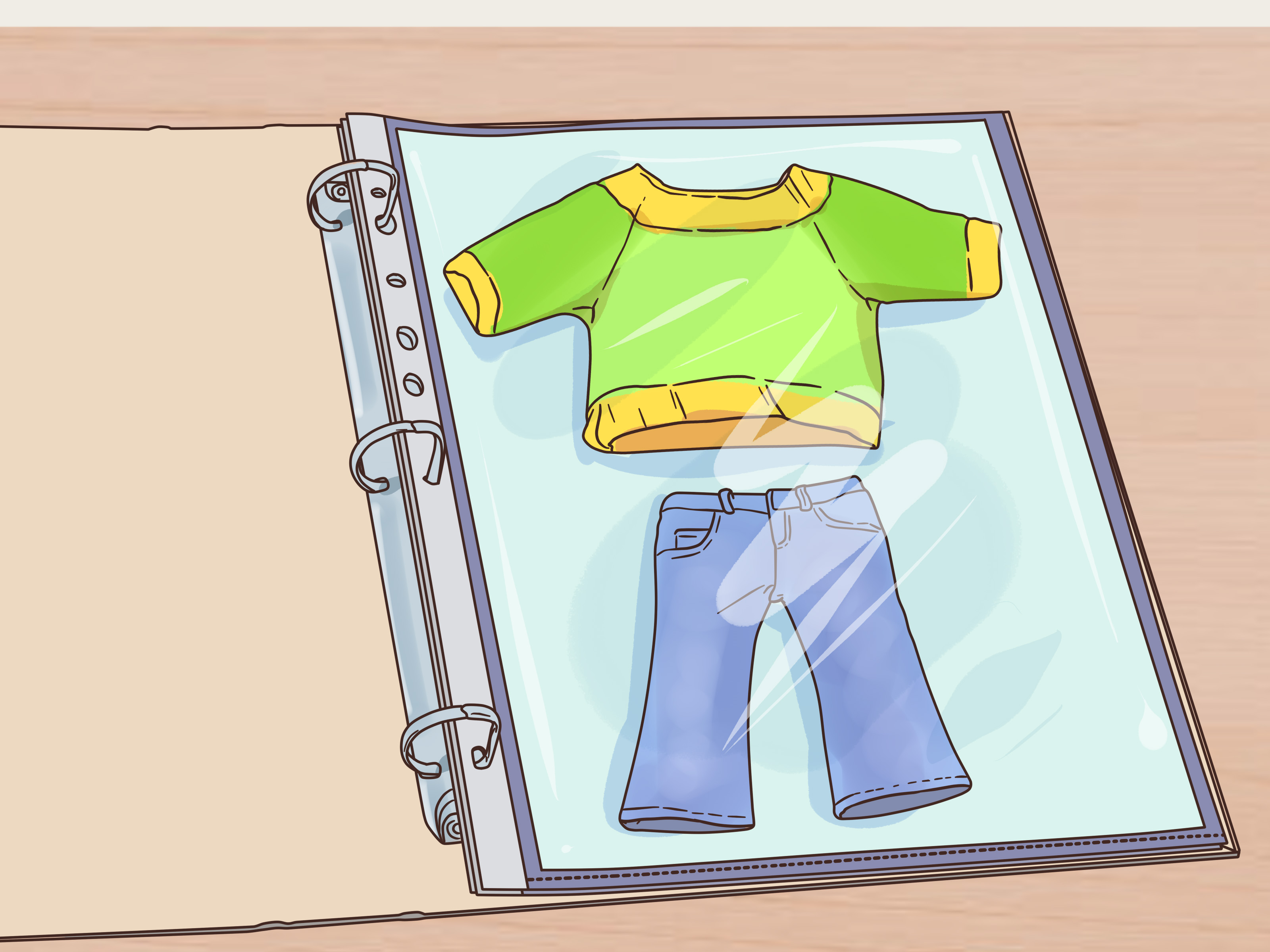
For delicate historical outfits, original meet outfits, or layered costumes, store the clothing flat in its own acid-free tissue. If you want to keep the doll and outfit together for organization, place the clothing in a labeled acid-free envelope or small archival box inside the larger storage container, not directly on the vinyl for years.
Wash Clothing Only When Needed
If clothes are dusty but not stained, gentle brushing or airing out may be enough. If washing is necessary, hand wash simple washable pieces in cool water with a tiny amount of mild soap, then air dry flat. Do not machine-dry doll clothes. Avoid washing faux leather, metallic fabrics, fragile trims, wool pieces, or anything with glued details unless you are certain it is safe.
Step 4: Choose the Right Storage Materials
The best long-term storage materials are clean, stable, and acid-free. Use an archival-quality box if possible. Acid-free tissue paper is useful for wrapping the doll, padding folds in clothing, separating accessories, and preventing direct contact between materials. Unbuffered acid-free tissue is a safe general choice for mixed doll materials and textiles.
Avoid newspaper, colored tissue paper, scented drawer liners, cedar chests, regular cardboard, grocery bags, and mystery foam from old packaging. These materials can transfer acids, dyes, odors, or residues. Cedar may smell charmingly old-fashioned, but it can be harsh on textiles. Your doll does not need to smell like a pioneer closet.
Should You Use Plastic Bins?
A plastic storage bin can be acceptable as an outer protective container if it is clean, sturdy, and kept in a climate-controlled room. However, do not wrap the doll tightly in plastic bags or plastic wrap. Trapped moisture and poor air circulation can cause problems. If you use a plastic bin, line it with acid-free tissue or a clean unbleached cotton sheet, and make sure the dolls themselves are wrapped in breathable acid-free materials.
Step 5: Support the Doll’s Shape
Long-term pressure can create dents, flattened hair, bent limbs, or wrinkled clothes. Store each doll lying flat on her back or slightly angled, with tissue padding around the head, neck, arms, and legs. Keep limbs in a natural position. Do not force the arms straight down if the elastic tension resists. Do not bend the legs sharply. Think “comfortable nap,” not “packed suitcase at the airport.”
Place crumpled acid-free tissue around the doll so she does not roll. If the doll has long hair, spread the hair gently behind the head or braid it loosely and wrap it in tissue. If the doll wears glasses, a hat, hair accessories, earrings, or removable jewelry, take those items off and store them separately in labeled bags or small boxes.
Step 6: Store Accessories Like Tiny Historical Evidence
American Girl accessories are small, adorable, and extremely good at disappearing. Shoes, socks, ribbons, books, food pieces, school supplies, pets, glasses, and hair clips should be stored in labeled compartments. Use small acid-free envelopes, archival photo boxes, or clear polypropylene bags for accessories, then place those inside the main storage box.
Create a simple inventory list for each doll. Include the doll’s name, year or collection if known, outfit pieces, shoes, accessories, books, and any condition notes. Place one printed copy in the box and keep a digital copy on your phone or computer. This step may feel excessive until you are searching for one tiny plastic spoon from a retired lunch set at midnight.
Step 7: Pick the Best Storage Location
The ideal storage location is cool, dry, dark, clean, and stable. A bedroom closet, interior hallway closet, under-bed storage area, or climate-controlled spare room is usually better than an attic, basement, garage, storage shed, or laundry room.
Avoid places with big temperature swings. Heat can stress vinyl, adhesives, elastic, and synthetic hair. High humidity can encourage musty odors, mold, and corrosion on metal fasteners. Too much light can fade fabrics and painted details. If humans would complain about sleeping there for a year, your dolls probably should not live there for ten.
Best Places to Store American Girl Dolls
- Inside a closet in a climate-controlled room
- Under a bed in an archival box or lined storage bin
- On a high shelf away from pets, sunlight, and vents
- In a clean cabinet with doors
- In a spare room with stable temperature and humidity
Worst Places to Store American Girl Dolls
- Hot attics
- Damp basements
- Garages with seasonal temperature swings
- Outdoor sheds
- Near heaters, radiators, fireplaces, or sunny windows
- Inside airtight plastic bags
Step 8: Check the Dolls Once or Twice a Year
Long-term storage is not “close the box and forget it until the next presidential administration.” Check stored dolls every six to twelve months. Open the box, look for odors, dampness, insects, stains, loose elastic, clothing dye transfer, or changes in the vinyl. Gently reposition the doll and replace wrinkled or compressed tissue.
These checkups are especially important if you live in a humid climate or store dolls near an exterior wall. A quick inspection can catch a small issue before it becomes a restoration project with emotional background music.
Common Mistakes to Avoid
Storing Dolls in Original Boxes Without Extra Protection
Original boxes are great for value and organization, but they may not always be enough for preservation. If the doll is still in her original box, keep that box in a larger protective container or cabinet. Avoid crushing, dampness, and direct sunlight. If the box contains plastic ties or packaging that presses against the doll, inspect it carefully for pressure points.
Leaving Dark Clothing on Vinyl
Dark socks, tights, leggings, gloves, and sleeves can be risky in long-term storage. If dye transfer happens, it can be stubborn. Store dark clothing separately, especially if the outfit is black, navy, red, deep purple, or denim-like.
Using Scented Products
Do not add dryer sheets, perfume, air fresheners, cedar sachets, or scented drawer liners. Fragrance chemicals can cling to vinyl, hair, and fabric. A doll should smell neutral, not like a candle called “Grandma’s Linen Cupboard During a Thunderstorm.”
Overpacking the Box
Dolls need space. Cramming three dolls, six outfits, a horse, a bed, and a tiny bakery into one bin is how hair gets flattened and accessories stage a rebellion. Use multiple boxes if needed. Label each one clearly.
Long-Term Storage for Displayed Dolls
If you prefer to display your American Girl dolls instead of boxing them, use a glass-front cabinet or enclosed shelf away from sunlight. Rotate outfits seasonally so dark clothing does not sit against vinyl forever. Dust gently with a soft cloth or clean makeup brush. Keep dolls away from kitchen grease, smoke, pet hair, and high humidity.
Display stands can be helpful, but make sure they are padded and not clamped tightly around the torso. A stand that squeezes the doll for years can leave pressure marks. If a doll has a fragile outfit, heavy skirt, or delicate accessories, boxed storage may be safer than display.
Experience Notes: What Collectors Learn After Storing Dolls for Years
Long-term doll storage sounds simple until you actually do it. The first lesson many collectors learn is that “temporary storage” has a magical way of becoming permanent. A doll placed in a closet “just for the summer” may still be there five years later, patiently waiting beside a vacuum attachment nobody recognizes. That is why the best time to store a doll properly is before life gets busy, not after.
One common experience is discovering that accessories matter more than expected. A doll may survive perfectly, but her shoes, socks, hair ribbon, book, and tiny purse can vanish into the household ecosystem. The solution is boring but powerful: label everything. A sandwich-size bag labeled “Molly meet accessories” is not glamorous, but it is a tiny act of future kindness. Collectors who create inventories usually thank themselves later, especially when sorting retired outfits or preparing to sell, gift, or display a doll.
Another real-world lesson is that hair needs gentle preparation. A doll stored with loose long hair may come out with tangles, flat spots, or flyaways. A loose braid wrapped in tissue often works better. For curly-haired dolls, collectors learn not to brush curls aggressively before storage. The curls may look “messy” in the moment, but preserving the curl structure is better than turning beautiful ringlets into a fluffy triangle. Doll hair rewards patience and punishes panic.
Clothing storage also teaches humility. Many people assume that if an outfit looks clean, it is safe to leave on the doll forever. Then they discover faint dye marks under dark socks or sleeves. Separating dark clothing is a small inconvenience compared with trying to remove a stain from vinyl years later. White or light cotton meet outfits are usually less concerning, but any bright or dark fabric deserves caution.
Climate is the quiet villain. A doll may look fine in a garage for one month, then spend years absorbing heat, cold, dust, and humidity. Collectors in humid states often learn to be especially careful about musty smells. Once odor settles into cloth bodies or clothing, it can be annoying to remove. A climate-controlled closet is not fancy, but it is one of the best preservation tools available.
The final experience is emotional: opening a well-packed doll box years later feels like opening a time capsule that behaved itself. The doll is clean, the hair is controlled, the outfit is labeled, the accessories are present, and nothing smells weird. That quiet success is the whole point. Long-term storage is not about making your home look like an archive. It is about giving a beloved doll the chance to return later looking like herself, not like she survived a basement adventure with a raccoon.
Conclusion
Storing American Girl dolls long term is a mix of common sense, gentle care, and preservation-minded habits. Clean the vinyl carefully, protect the eyes from moisture, brush the hair with the right tools, remove risky clothing, use acid-free tissue, support the doll’s shape, label accessories, and choose a cool, dry, dark storage location. The best storage setup does not need to be expensive, but it should be thoughtful.
If you remember only one rule, remember this: avoid extremes. Extreme heat, extreme humidity, extreme sunlight, extreme pressure, and extreme overpacking are what cause many long-term storage problems. Give each doll a clean, breathable, supported space, and check on the collection once or twice a year. Your future selfand your very patient, perfectly silent American Girl dollswill appreciate it.












