
Some prank calls are just annoying. Others start as “harmless jokes” and quickly turn into a weird little horror movie starring your ringtone. If you are getting repeated nuisance calls, late-night breathing on the line, fake emergencies, creepy comments, or nonstop hang-ups, the goal is simple: stop the behavior, protect your privacy, and avoid making the situation worse.
This guide walks through 10 practical steps to stop a prank caller, whether the calls are coming from a bored class clown, a random spammer, or someone who has decided your number is their new hobby. The good news: you do not have to play detective, argue with the caller, or deliver a dramatic speech worthy of a crime show. In most cases, a calm, boring, well-documented response works better than any clever comeback.
If the calls include threats, sexual harassment, impersonation, or repeated attempts to scare you, treat the situation as harassment, not comedy. A prank stops being a prank when it affects your safety, sleep, work, school, or peace of mind.
Step 1: Stop engaging with the caller
The first rule is painfully unglamorous: do not give the prank caller a performance. No yelling, no debating, no trying to out-prank the prankster. Most prank callers keep going because they want a reaction. Shock, anger, embarrassment, and confusion are basically applause to them.
What to do instead
Answer once if you must, then keep it short. Say something like, “Do not call this number again,” and hang up. After that, stop engaging. If you answer every time and provide fresh outrage, you accidentally turn yourself into a subscription service.
This is especially important if the caller sounds childish, anonymous, or obviously fake. The less entertaining you are, the less rewarding the call becomes. Think of yourself as the most disappointing audience on Earth.
Step 2: Block the number immediately
Once you know the call is unwanted, block the number. Most smartphones let you block directly from your recent call list. This is the fastest first line of defense and usually takes less than a minute.
Why this matters
Blocking will not stop every call forever, especially if the person uses multiple numbers or caller ID spoofing, but it does cut off repeat calls from the same number and sends a clear message to your phone that this caller is not welcome.
If you use an iPhone, you can block from the info screen next to the recent number. On Android, the Phone app usually lets you block and report spam from call history. Carrier apps may also let you add numbers to a personal block list.
Step 3: Turn on spam filters and call-screening tools
If blocking one number were enough, prank callers would have retired years ago. Since some nuisance callers rotate numbers, you should also turn on your phone’s spam protection, caller ID alerts, and call-screening tools.
Helpful features to enable
- Spam identification: labels suspicious calls before you answer.
- Filter unknown callers: sends unknown numbers to voicemail or screens them first.
- Carrier protection tools: services from major phone providers can flag or block likely spam.
- Google call screening or similar features: helpful for Android users who want unknown callers screened before the phone even reaches full drama mode.
These tools are especially useful when the caller is not a friend with too much free time, but part of a broader spam or spoofing pattern. Even if the person is a real prank caller, automated filtering reduces how often your phone rings, which is half the battle.
Step 4: Let unknown numbers go to voicemail
Not every unknown call deserves your attention. Unless you are actively expecting a call from a new doctor, school office, delivery driver, or job contact, let unknown numbers go to voicemail.
Why voicemail is your friend
Legitimate callers usually leave a message. Prank callers often do not. Or if they do, they leave something ridiculous, which becomes useful evidence later. Either way, voicemail creates distance. It gives you time to listen calmly, decide whether the call matters, and avoid getting dragged into a live conversation with someone who thinks breathing heavily into a phone is a personality.
If you are receiving repeated hang-ups from unknown numbers, switching to a voicemail-first approach can reduce stress almost immediately. It also prevents you from confirming that a real person answers this number every time.
Step 5: Do not share or confirm personal information
This one is huge. A prank call can overlap with a scam, a spoofed number, or a harassment attempt. Never confirm personal details just because someone sounds confident, local, or weirdly specific.
Do not confirm things like:
- Your full name
- Your address
- Your school or workplace
- Your schedule
- Your family members’ names
- Your bank or payment information
- Security codes or account details
A caller may pretend to be from your bank, phone company, the government, a delivery service, or even someone you know. If a call feels off, hang up and contact the organization directly using the number on its official website or your account documents. Do not use the callback number the caller gave you. That is like asking a fox to verify whether the henhouse is secure.
Step 6: Start a simple call log and save evidence
If the calls keep happening, document everything. You do not need a detective board with red string. A simple note on your phone works fine.
Keep track of:
- Date and time of each call
- The number shown on caller ID
- Whether the caller left a voicemail
- What was said, in plain language
- Whether the call included threats, sexual remarks, impersonation, or personal details
Also save screenshots, voicemails, and spam labels if your phone displays them. This matters because repeated prank calls can cross into harassment. If you need help from your phone carrier, school administration, employer, or law enforcement, a clear record is much more useful than saying, “It happened a lot and it was super creepy.” Accurate details make it easier for others to take action.
Step 7: Use your carrier’s blocking and reporting tools
Your phone itself is not the only line of defense. Your carrier may offer network-level spam blocking, caller labeling, or personal block lists. These tools can catch calls before they fully reach you.
What this can help with
Carrier tools are useful when prank calls come from multiple numbers, when the same pattern keeps repeating, or when your device-level block is not enough. Some services can automatically filter “high-risk” spam calls, while others let you report suspicious numbers.
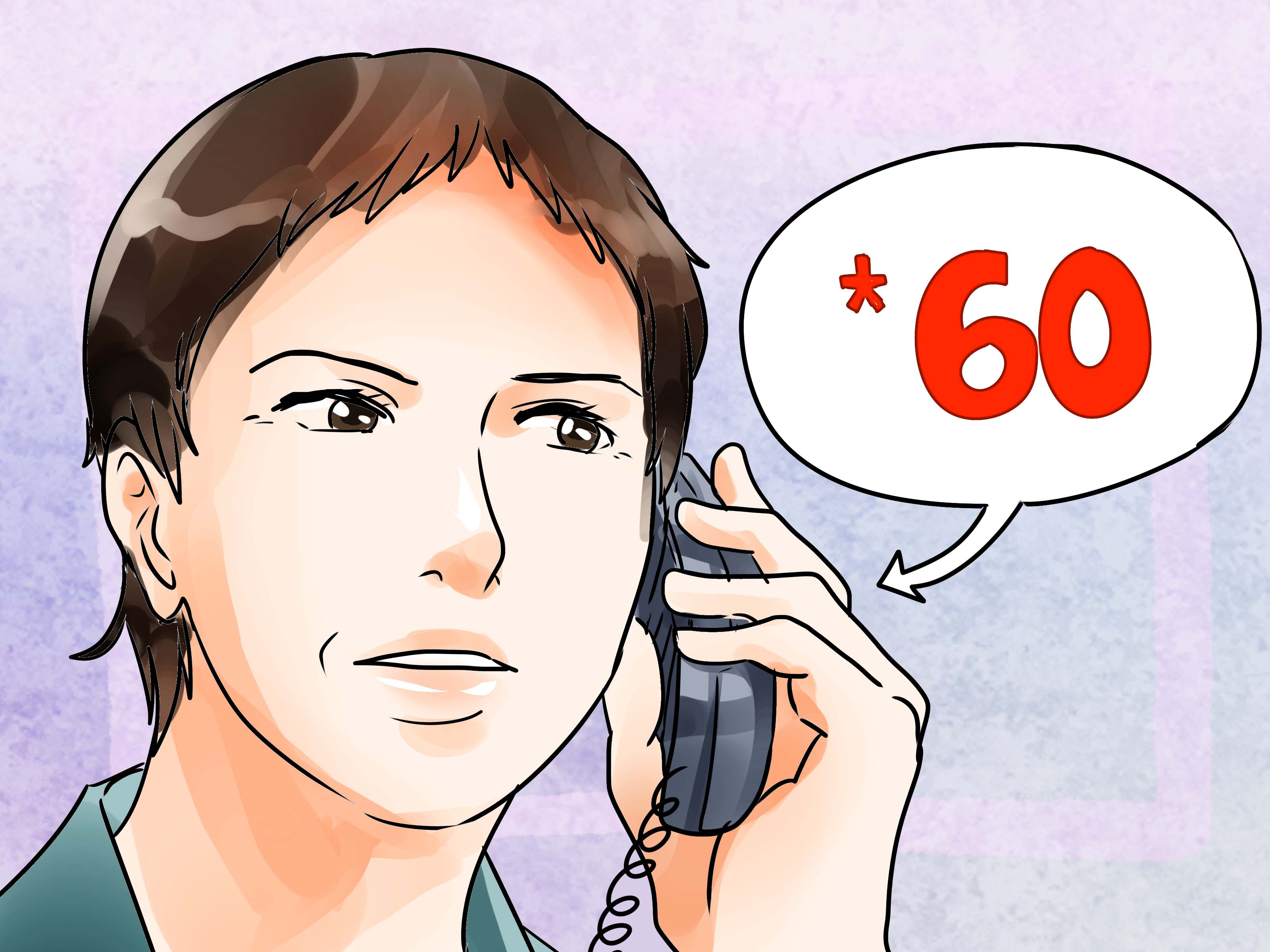
If you still use a home phone or landline, ask your provider about call blocking options. Some providers also offer star-code features or account-level settings for nuisance calls. The exact method varies, so check your provider’s support instructions rather than guessing and summoning a random phone feature from 2008.
Step 8: Report the calls when they become persistent
If the caller keeps going, report the behavior. This is especially important when calls are repeated, automated, spoofed, threatening, sexual, or clearly intended to harass you.
Where to report
You can report unwanted calls through consumer-protection channels and your carrier’s spam-reporting options. For illegal telemarketing calls, the National Do Not Call Registry may help with reporting. For unwanted calls involving spoofing or broader nuisance-call issues, federal complaint channels can also be appropriate.
Reporting may not create instant movie-style justice by Tuesday afternoon, but it does matter. Complaints help carriers and regulators identify patterns, block bad traffic, and build cases against repeat offenders.
Step 9: Escalate fast if the calls involve threats, stalking, or impersonation
There is a big difference between a dumb joke and a dangerous situation. If the caller threatens violence, talks about showing up at your home or school, impersonates law enforcement, uses sexual threats, or seems to know private details about you, escalate immediately.
Take these situations seriously
If you feel unsafe, contact local law enforcement right away. If you are under 18, tell a parent, guardian, or another trusted adult immediately. If the caller is connected to school drama, report it to the school as well. If the calls target your workplace, notify your manager or HR team so they know what is happening.
Do not assume that “they are probably joking.” Repeated harassing calls can become part of stalking, cyberstalking, extortion, or intimidation. The moment the calls move from annoying to threatening, the correct response is not patience. It is documentation, reporting, and safety planning.
Step 10: Reduce your exposure and make your number harder to abuse
Sometimes stopping a prank caller is not just about reacting. It is also about making your number less available and less useful to strangers.
Smart prevention habits
- Remove your phone number from public social profiles where possible.
- Ask friends not to post your number in screenshots, group threads, or public listings.
- Use privacy settings on social apps to limit who can contact you.
- Be careful with online forms, contests, and random giveaways that ask for your number.
- Consider using a secondary number for marketplace sales, sign-ups, or public-facing activities.
If your number has clearly been widely exposed and the harassment does not stop, talk to your carrier about stronger filtering options or, in extreme cases, changing your number. That is not ideal, and it should not be your first move, but it can be worth considering if the problem becomes relentless.
What not to do when dealing with a prank caller
Sometimes the fastest way to make a bad situation worse is to get creative. Here is what not to do:
- Do not prank them back.
- Do not threaten them, even if you are furious.
- Do not click suspicious links sent after a call.
- Do not install shady “trace any caller” apps from random websites.
- Do not post the number online and invite strangers to retaliate.
- Do not assume the caller ID is real.
Caller ID spoofing is common, which means the number on your screen may belong to an innocent person. Going on a revenge mission against the wrong number is a great way to turn one problem into two.
Quick FAQ about stopping prank calls
Can a prank caller still reach me after I block them?
Sometimes, yes. Blocking one number stops that specific number from reaching you through normal channels, but a determined caller may use another number or spoof caller ID.
Will the Do Not Call Registry stop prank calls?
Not by itself. It can help reduce legitimate telemarketing calls, but scammers and many bad actors ignore it completely. That is why blocking and spam filtering matter more in day-to-day life.
Should I change my phone number?
Usually not at first. Try blocking, call filtering, carrier tools, evidence collection, and reporting before taking that step. But if the harassment is severe and ongoing, changing your number may be worth discussing with your carrier.
Can repeated prank calls be illegal?
Yes. Repeated anonymous calls, threats, obscene messages, stalking behavior, and impersonation can cross legal lines quickly. When in doubt, document and report.
Conclusion
If you want to know how to stop a prank caller, the winning strategy is not dramatic. It is steady. Do not feed the caller. Block the number. Turn on spam protection. Let unknown calls go to voicemail. Save evidence. Report persistent harassment. Escalate immediately if the behavior turns threatening or creepy.
Most nuisance callers are looking for entertainment, attention, or leverage. When your response becomes boring, structured, and well-documented, you take that power away. And that is the beautiful thing about a smart anti-prank strategy: it is not flashy, but it works.
Experiences People Commonly Report When Dealing with Prank Callers
One of the most common experiences people describe is how quickly a prank call stops feeling funny. At first, it may seem like a one-off hang-up or a weird voice asking for a made-up person. By the third or fourth call, though, the mood changes. The phone rings late at night, the same number appears during work or school hours, and suddenly a silly interruption turns into a real stressor. Many people say the most frustrating part is not knowing whether the next call will be another bad joke, a scam, or something more serious.
Another common pattern is that prank callers often get bolder when they receive attention. Someone answers in confusion, the caller laughs, and then the calls multiply. People who finally stopped engaging often report the same thing: once they quit reacting, enabled spam blocking, and let unknown calls go to voicemail, the intensity dropped. Not always overnight, but enough to feel like they were back in control of their own phone.
Some people also describe how unsettling it feels when the caller seems to know personal details. Maybe the caller uses a first name, mentions a neighborhood, or references a school. In many cases, the information is not as mysterious as it sounds; it may have come from social media, a public profile, or simple guessing. Still, that experience often becomes the turning point where a person realizes this is no longer “just annoying” and starts documenting everything carefully.
Parents often report a different version of the same problem. Their child starts receiving repeated calls or strange voicemails from classmates or anonymous numbers. At first, the child may hide it out of embarrassment, especially if the calls include immature jokes or sexual comments. Once an adult steps in, blocks the numbers, saves the voicemails, and contacts the school or carrier when necessary, the situation often improves much faster. The big lesson there is simple: prank calls thrive in silence. Support and documentation make them weaker.
Work-related prank calls can be especially frustrating too. Reception desks, small businesses, and service providers sometimes receive repeated fake appointments, rude jokes, or anonymous abuse. In those cases, call logs, voicemail saves, and carrier-level filtering usually help more than trying to outsmart the caller. Businesses that create a boring, consistent response process tend to handle these situations best.
The overall experience most people share is this: the moment they stop treating the calls like a puzzle to solve and start treating them like unwanted communication to manage, things get better. That shift in mindset matters. You do not need to become a phone detective. You need a repeatable plan, a little patience, and the willingness to escalate when the behavior crosses the line.













