
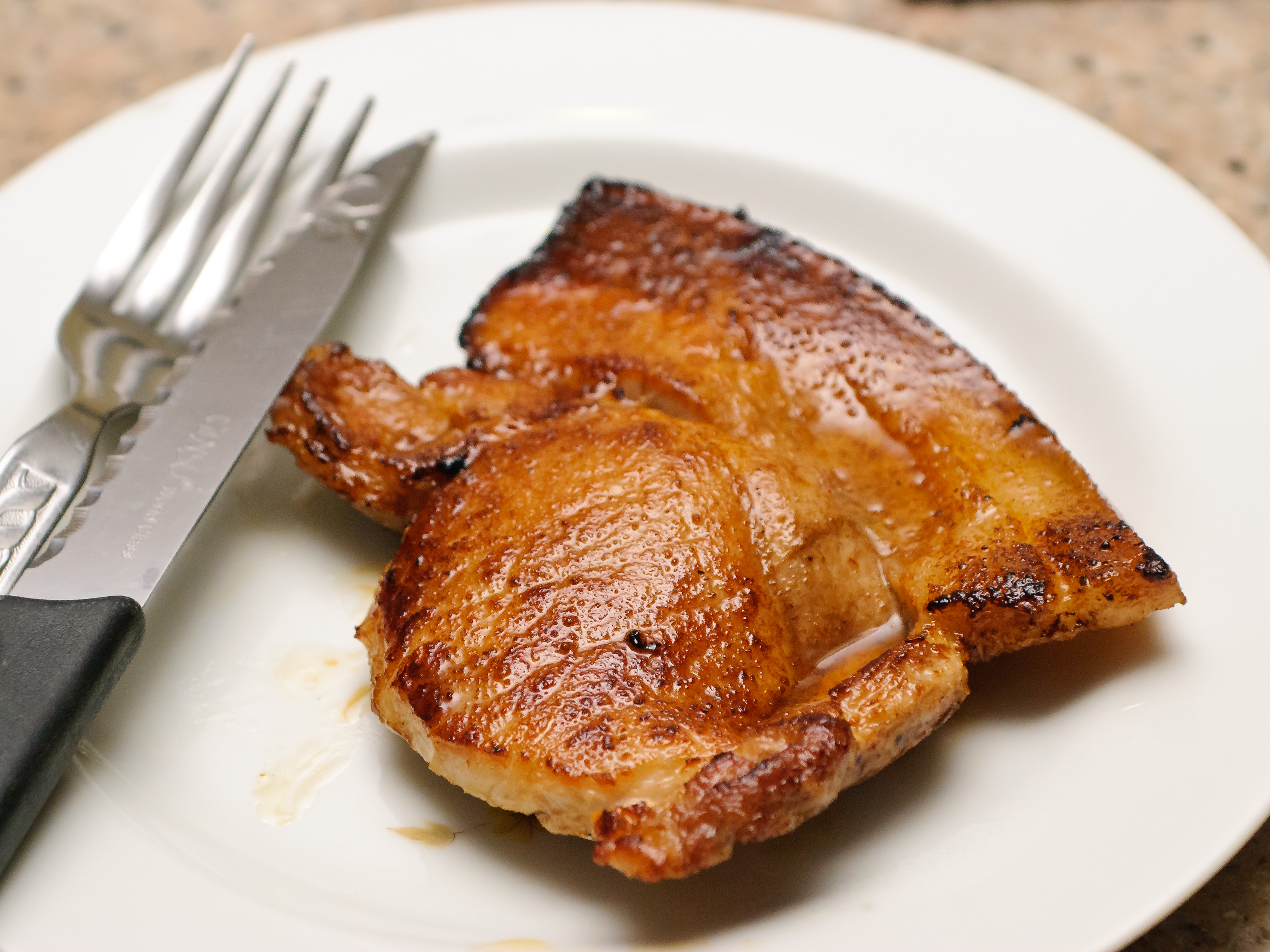
Pork chops have an unfair reputation for being bland, dry, and about as exciting as a meeting that shMore often, the chops were underseasoned, seasoned at the wrong time, or cooked until they developed the personality of a shoe sole.
Learning how to season pork chops is less about dumping every spice in the cabinet onto the meat and more about balancing salt, savory aromatics, herbs, sweetness, heat, and acidity. The right seasoning technique enhances pork’s naturally mild, slightly sweet flavor while helping the exterior develop a deeply browned crust.
This guide covers a dependable pork chop seasoning blend, proper salting times, dry rubs, marinades, cooking-method adjustments, and practical lessons for getting flavorful, juicy pork chops consistently.
What Makes a Good Pork Chop Seasoning?
A good pork chop seasoning should complement the meat without burying it. Pork pairs especially well with garlic, onion, black pepper, paprika, mustard, sage, thyme, rosemary, cumin, coriander, citrus, apples, maple, and mild chile peppers.
Most successful seasoning blends contain several basic elements:
- Salt seasons the meat and brings its natural flavor forward.
- Black pepper adds gentle heat and an earthy bite.
- Garlic and onion create a savory foundation.
- Paprika adds color, sweetness, and optional smokiness.
- Herbs provide freshness and aroma.
- Sugar encourages caramelization but must be used carefully over high heat.
- Acid from vinegar, mustard, or citrus balances the pork’s richness.
Test kitchens and recipe developers use many combinations of these elements, from smoked paprika and garlic powder to rosemary marinades, coriander rubs, mustard sauces, and apple-based brines. ion>
Start by Choosing the Right Pork Chops
Seasoning cannot rescue a chop that is paper-thin and cooked with reckless enthusiasm. Whenever possible, choose chops that are about 1 to 1 1/2 inches thick. Thick chops provide enough time to develop browning before the center overcooks.
Bone-In Pork Chops
Bone-in rib or loin chops are excellent for grilling, pan-searing, and oven finishing. The bone does not magically inject flavor into the meat, but bone-in chops are often cut thicker and may retain more exterior fat, making them more forgiving.
Boneless Pork Chops
Boneless chops are convenient, evenly shaped, and quick to prepare. Because they are generally lean, they benefit from dry brining, careful temperature control, or a flavorful sauce.
Thin-Cut Chops
Thin chops cook rapidly, so use a simple seasoning that will not burn. Salt, pepper, garlic powder, and paprika work well. Save sugary glazes for the final minute or two of cooking.
Cooking publications commonly recommend thicker chops, dry surfaces, and a thermometer as the best defenses against dry pork. ion>
When Should You Season Pork Chops?
The timing of the salt matters almost as much as the seasoning itself. There are two especially useful options.
Option 1: Season Immediately Before Cooking
When dinner needs to happen now, pat the chops dry, apply the seasoning, and place them into the preheated pan, oven, grill, or air fryer. This minimizes the time salt has to draw visible moisture onto the surface.
Option 2: Dry-Brine in Advance
For deeper seasoning, salt the pork at least 45 minutes before cooking, preferably several hours or overnight. Arrange the chops on a rack or plate and refrigerate them uncovered. The salt initially draws moisture to the surface, dissolves in that moisture, and gradually moves back into the meat. Meanwhile, the exposed surface becomes drier and browns more efficiently.
If you salt the chops only 10 or 20 minutes before cooking, moisture may be sitting on the surface when the meat hits the heat. That moisture must evaporate before browning begins. When you cannot wait at least 45 minutes, seasoning immediately before cooking is generally the better choice. >What About Wet Brining?
A wet brine can be helpful for thick, lean chops. It usually combines water, salt, and optional sugar, herbs, garlic, peppercorns, cider, or maple syrup. Depending on the concentration and chop thickness, brining may take from roughly 20 minutes to several hours.
Always cool a heated brine completely before adding raw pork, keep the container refrigerated, discard the used liquid, and pat the chops thoroughly dry before cooking. Recipes from major test kitchens use both quick brines and overnight flavored brines to produce deeply seasoned pork. ion>
The Best All-Purpose Pork Chop Seasoning
This balanced dry rub seasons four medium pork chops. It is savory, lightly smoky, and flexible enough for baking, grilling, air frying, or pan-searing.
Ingredients
- 1 1/2 teaspoons kosher salt, or about 5 grams
- 1 teaspoon smoked or sweet paprika
- 1 teaspoon garlic powder
- 3/4 teaspoon onion powder
- 1/2 teaspoon freshly ground black pepper
- 1/2 teaspoon dried thyme
- 1/2 teaspoon ground mustard
- 1/2 teaspoon light brown sugar, optional
- 1/8 teaspoon cayenne pepper, optional
How to Apply the Seasoning
- Blot every side of the pork chops with paper towels.
- Mix the salt, spices, herbs, and optional sugar in a small bowl.
- Lightly coat the chops with neutral oil if you are cooking immediately.
- Sprinkle the seasoning evenly over both flat sides and around the edges.
- Press the mixture onto the meat rather than aggressively rubbing it off again.
- Cook immediately or refrigerate uncovered for at least 45 minutes.
Different brands and styles of salt vary in crystal size and density. Weighing the salt is the most consistent method. When measuring by volume, begin conservatively, especially if the pork is labeled “enhanced,” “seasoned,” or “contains a solution,” because it may already contain added sodium.
Six Easy Flavor Variations
1. Smoky Barbecue
Combine smoked paprika, brown sugar, garlic powder, onion powder, mustard powder, black pepper, and a little cayenne. This blend is ideal for grilled or baked pork chops. Because sugar can scorch, use moderate heat and move the chops away from direct flames when necessary.
2. Garlic and Herb
Use garlic powder, rosemary, thyme, sage, black pepper, and lemon zest. Add fresh garlic and butter during the final minutes of pan-searing for a fragrant baste. Fresh herbs are best added late because they can burn during prolonged high-heat cooking.
3. Cajun-Style
Blend paprika, garlic powder, onion powder, oregano, thyme, cayenne, and black pepper. Check whether your Cajun seasoning already contains salt before adding more. This option works especially well with skillet-cooked chops and creamy pan gravy.
4. Maple-Mustard
Season the pork with salt, pepper, garlic powder, and ground mustard. Near the end of cooking, brush it with maple syrup mixed with Dijon mustard and a splash of apple cider vinegar. Applying the glaze late provides caramelization without transforming it into charcoal candy.
5. Mediterranean
Combine oregano, thyme, garlic, coriander, black pepper, and lemon zest. Serve the chops with a squeeze of lemon, chopped parsley, yogurt sauce, or a cucumber salad.
6. Vietnamese-Inspired
Marinate thin chops with lemongrass, garlic, shallot, black pepper, fish sauce, a small amount of sugar, and neutral oil. Grill over controlled heat so the sweet marinade caramelizes rather than burns. Soy, ginger, herbs, and chile peppers are also natural partners for quick-cooking pork. ion>
Adjust the Seasoning for Your Cooking Method
Pan-Seared Pork Chops
A simple dry seasoning works best. Pat the chops dry and use a thin coating of high-smoke-point oil. Begin in a properly heated skillet, sear until browned, and then reduce the heat so the seasoning does not burn before the center finishes cooking.
For extra flavor, add butter, crushed garlic, rosemary, thyme, or sage after flipping. Tilt the skillet and spoon the foaming aromatic butter over the pork.
Baked Pork Chops
Baked chops can handle dried herbs, paprika, garlic powder, and a small amount of sugar. A breadcrumb and Parmesan coating is another option because the dry coating creates texture while protecting the surface. >Grilled Pork Chops
Use seasonings that tolerate direct heat, such as salt, pepper, cumin, coriander, mustard powder, and paprika. For blends containing significant sugar, establish two heat zones. Brown the chops over the hotter side and finish them over gentler heat.
Air-Fryer Pork Chops
Coat the meat lightly with oil so the dry rub adheres and browns. Paprika, garlic powder, onion powder, Italian herbs, and finely ground spices perform well because they distribute evenly across the compact cooking surface. ion>
How to Know When Pork Chops Are Done
Seasoning creates flavor, but temperature protects both flavor and safety. The USDA recommends cooking whole-muscle pork chops to a minimum internal temperature of 145°F, followed by a rest of at least three minutes.
Insert an instant-read thermometer into the thickest portion without touching the bone. Do not rely exclusively on cooking time, exterior color, or whether the juices appear clear. Thickness, starting temperature, equipment, and cooking method can all change how quickly a chop cooks. nce the pork reaches the safe temperature, rest it before slicing. Resting gives the heat time to even out and helps keep more moisture in the meat instead of on the cutting board.
Common Pork Chop Seasoning Mistakes
Using Too Little Salt
A light dusting may season only a few random spots. Apply seasoning to both sides and the edges, especially on thick chops.
Seasoning Only After Cooking
Finishing salt can add crunch, but it cannot replace seasoning before cooking. Salt applied early has time to season below the immediate surface.
Cooking a Wet Chop
A damp exterior delays browning and encourages steaming. Pat marinated, brined, or packaged pork dry before applying oil and dry spices.
Adding Sugary Sauce Too Early
Honey, maple syrup, molasses, and brown sugar can burn over direct heat. Use modest amounts in dry rubs and brush thick glazes onto the chops near the end.
Combining Several Salty Ingredients
Store-bought seasoning, soy sauce, fish sauce, brined pork, mustard, and cheese may all contribute salt. Taste or inspect labels before adding the full amount of kosher salt.
Overcooking the Pork
No spice blend can disguise seriously overcooked meat. Use a thermometer, monitor thin chops closely, and stop cooking once the pork has safely reached 145°F.
Frequently Asked Questions
Should You Oil Pork Chops Before Seasoning?
A light film of oil helps a spice rub adhere when cooking immediately. It is less important for an overnight dry brine because the salt will dissolve against the meat. Avoid pouring on excess oil, which can cause flare-ups on a grill.
How Long Can Seasoned Pork Chops Stay in the Refrigerator?
For a simple dry brine, overnight seasoning is convenient and effective. Acidic marinades require more restraint because extended exposure can make the surface texture soft or pasty. Follow the specific marinade recipe and keep raw pork refrigerated.
Can You Season Frozen Pork Chops?
Seasoning does not adhere or penetrate evenly while the surface is frozen. Thaw pork safely in the refrigerator, blot it dry, and then season it.
What Herbs Taste Best With Pork Chops?
Sage, thyme, rosemary, oregano, parsley, and marjoram all work well. Sage provides a classic savory flavor, rosemary is bold and piney, thyme is subtle, and parsley adds freshness after cooking.
Can You Use Steak Seasoning on Pork Chops?
Yes. Most steak seasonings contain salt, pepper, garlic, onion, and herbs that also complement pork. Check the sodium level and add sweeter or brighter ingredients, such as paprika, mustard, lemon zest, or apple cider vinegar, when desired.
Conclusion
Once you understand how to season pork chops, the process becomes wonderfully flexible. Begin with a dry surface and a balanced amount of salt. Add garlic, pepper, paprika, herbs, mustard, or a touch of sweetness according to the cooking method. Season immediately before cooking or far enough in advance for a proper dry brine, and use a thermometer to avoid overcooking.
The result is pork with seasoning throughout, a browned and aromatic exterior, and a juicy centerproof that pork chops were never boring. They were simply waiting for someone to locate the spice cabinet.
Experience Notes: What Seasoning Pork Chops Is Like in a Real Kitchen
The first practical lesson usually arrives after seasoning two similar pork chops differently. One gets salt immediately before cooking, while the other rests overnight with salt in the refrigerator. Both can taste good, but the overnight chop tends to taste seasoned beyond its crust. The difference is particularly noticeable with a thick chop. Instead of getting a salty exterior followed by a plain center, each bite tastes more balanced. The drier surface also begins browning sooner, which is useful when trying to cook the interior gently.
Another common experience involves the apparently harmless 15-minute wait. You season the pork, begin preparing vegetables, answer a message, and return to find shiny beads of moisture on the meat. Placing that wet chop into a skillet produces plenty of noise, but not necessarily good browning. The pan spends its energy evaporating water while the seasoning sticks unevenly. Patting the chop dry helps, but some seasoning may come off with the towel. This is why seasoning immediately or waiting at least 45 minutes is more reliable.
Sugary rubs provide another memorable lesson. Brown sugar looks innocent in a mixing bowl, but it becomes highly energetic over a hot grill. A chop coated heavily in sugar may turn dark before the middle is cooked. The fix is not to abandon sweetness. Use less sugar, create a cooler finishing zone, or add a maple, honey, or barbecue glaze during the last few minutes. You still get a glossy, caramelized exterior without generating a smoke cloud that alerts the neighbors.
Fresh garlic can create similar trouble. Garlic powder survives a longer sear and distributes evenly, making it better for the initial dry rub. Fresh garlic shines when added later with butter, herbs, or sauce. In a skillet, adding crushed garlic during the final minutes perfumes the butter without leaving bitter black fragments attached to the meat. The same principle applies to delicate fresh herbs. Dried thyme can join the early seasoning; fresh parsley is happier sprinkled on the finished dish.
Thickness also changes the experience dramatically. A thin boneless chop may cook in only a few minutes, leaving little room for distractions. A thick bone-in chop gives you more time to brown the surface, lower the heat, baste it, and check the temperature. Thin chops respond well to direct seasoning and fast cooking. Thick chops invite dry brines, compound butter, marinades, two-zone grilling, and more elaborate flavor combinations.
The most useful lesson is that seasoning and doneness are connected. A beautifully mixed dry rub cannot compensate for pork cooked far beyond its ideal temperature. The moment a thermometer becomes part of the routine, results become easier to repeat. You no longer need to cut into the chop, stare at the center, and negotiate with it. Season thoughtfully, cook to 145°F, allow at least a three-minute rest, and make small adjustments the next time. That simple feedback loop turns pork chop seasoning from guesswork into a dependable dinner skill.











