
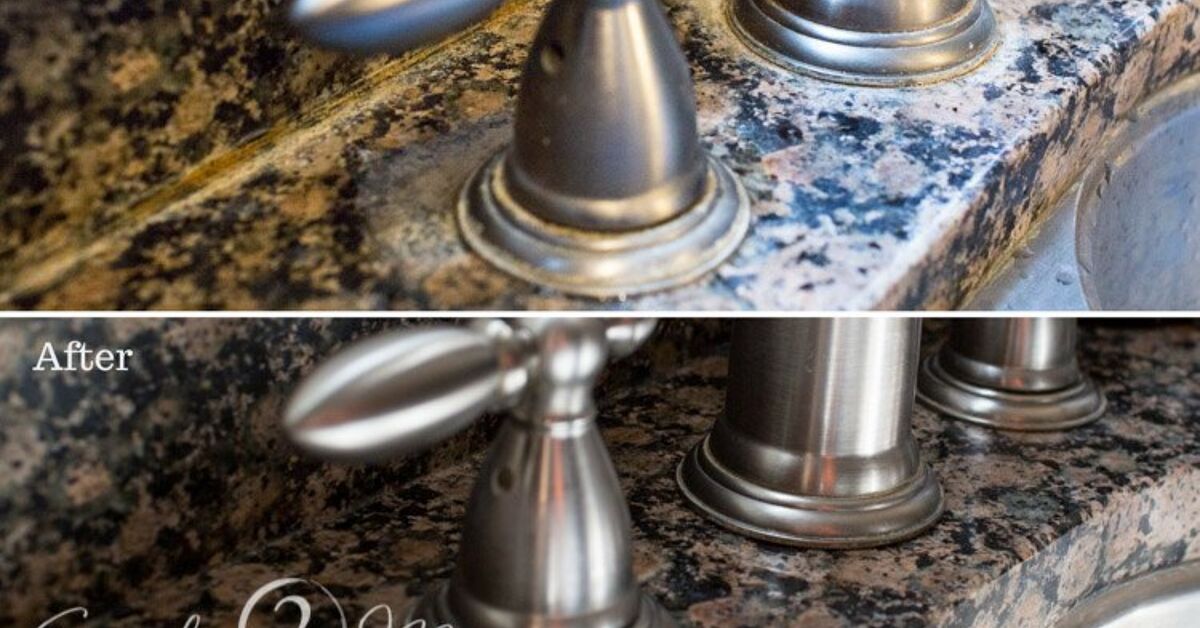
Granite countertops are tough, beautiful, and just dramatic enough to make a kitchen feel like it has its life together. Then hard water shows up. One day the area around your faucet looks glossy and elegant; the next, it has cloudy white rings, crusty edges, and mysterious dull spots that seem to whisper, “You should have wiped me yesterday.”
The good news is that most hard water stains on granite are not permanent. They are usually mineral deposits left behind when water evaporates. The tricky part is removing those deposits without damaging the stone or weakening the sealer. Granite may be durable, but it is not a cutting board, chemistry lab, or medieval castle wall. It needs the right approach.
This guide explains how to remove hard water stains from granite safely, what products to avoid, when to use a baking soda paste, how to prevent future stains, and when a professional stone restoration expert should step in.
What Causes Hard Water Stains on Granite?
Hard water contains dissolved minerals, mainly calcium and magnesium. When water splashes near a sink, faucet, soap dispenser, coffee station, or bathroom vanity and then evaporates, those minerals stay behind. Over time, they create chalky white spots, cloudy rings, grayish patches, or rough buildup.
On granite, these marks commonly appear in places where water sits repeatedly. The area behind a faucet is a classic trouble zone because it receives constant splashes and is easy to ignore during daily cleaning. Soap residue can make the buildup worse, creating a stubborn film that looks like a stain but behaves more like scale.
Hard Water Stain vs. True Stone Stain
Before cleaning, it helps to know what you are dealing with. A hard water stain usually sits on top of the stone. It may feel slightly rough and look white, cloudy, or crusty. A true stain, on the other hand, is absorbed into the stone and often comes from oil, coffee, wine, rust, ink, or food coloring.
There is also a third possibility: etching or dulling from the wrong cleaner. Granite is more resistant than marble, but acidic or harsh cleaners can still damage the protective sealer and leave the surface looking flat. If the mark is smooth, dull, and does not improve after gentle cleaning, the problem may be damaged finish rather than mineral buildup.
What Not to Use on Granite
Many hard water cleaning tips online recommend vinegar, lemon juice, or acidic bathroom cleaners. Those may work beautifully on glass shower doors, but granite is not a shower door. Acids can weaken the sealer, dull the surface, and make the stone more vulnerable to future staining.
Avoid these products when removing hard water stains from granite:
- White vinegar or apple cider vinegar
- Lemon juice or citrus-based cleaners
- CLR or lime removers unless the label clearly says safe for natural stone
- Bleach-heavy cleaners for routine stain removal
- Ammonia-based glass cleaners
- Abrasive powders, steel wool, and rough scouring pads
- Magic eraser-style pads used with heavy pressure
The goal is not to attack the stain like it owes you money. The goal is to dissolve or lift mineral buildup while preserving the granite’s finish and sealer.
Supplies You Will Need
For most hard water stains on granite, you can start with simple, stone-safe supplies:
- Warm water
- Mild dish soap
- Microfiber cloths
- Plastic scraper or new single-edge razor blade used very carefully
- Baking soda
- Small bowl
- Soft sponge or soft-bristled brush
- Plastic wrap
- Painter’s tape
- Stone-safe granite cleaner
- Granite sealer, if resealing is needed
Always test any method in a small, hidden area first. Granite varies in color, porosity, finish, and sealer condition. What works instantly on one countertop may need more patience on another.
Step-by-Step: How to Remove Hard Water Stains From Granite
Step 1: Clean the Area With Mild Soap and Water
Start with the gentlest method. Mix a few drops of mild dish soap with warm water. Dip a microfiber cloth into the solution, wring it out, and wipe the stained area thoroughly. This removes surface grime, soap film, and loose minerals.
Rinse with a clean damp cloth, then dry the granite completely with another microfiber cloth. Do not skip the drying step. Leaving water behind after cleaning is like sending hard water a handwritten invitation to return.
Step 2: Check Whether the Buildup Is Raised
Run your fingertip gently over the stain. If it feels rough or crusty, mineral deposits may be sitting on top of the granite. In that case, you can carefully loosen the buildup before using a paste.
Use a plastic scraper at a low angle and work slowly. For heavier buildup, some stone-care professionals recommend a new single-edge razor blade held almost flat against the surface. This must be done gently to avoid scratching. Never dig into the stone, and do not use a rusty or dull blade.
Step 3: Apply a Baking Soda Paste
Baking soda is mildly abrasive and alkaline, making it useful for lifting hard water marks without relying on acidic cleaners. Mix baking soda with a small amount of water until it forms a thick paste, similar to peanut butter or frosting. If your paste runs like soup, add more baking soda. If it crumbles like desert sand, add a few drops of water.
Spread the paste over the hard water stain. Let it sit for 5 to 10 minutes for light stains. Then gently rub the area with a soft sponge or soft-bristled brush using small circular motions. Rinse with clean water and dry completely.
If the stain improves but does not disappear, repeat the process. Several gentle rounds are safer than one aggressive scrubbing session.
Step 4: Use a Poultice for Stubborn Stains
For older or deeper-looking water marks, a poultice can help. A poultice is a paste that sits on the surface long enough to draw out discoloration or loosen residue. It is basically a spa mask for your countertop, except the countertop does not ask for cucumber water afterward.
Make a thick baking soda and water paste. Apply it over the stained area about 1/4 inch thick. Cover it with plastic wrap and tape down the edges. Poke a few tiny holes in the plastic so the poultice can dry slowly. Leave it for several hours or overnight.
Once dry, remove the plastic, scrape away the paste with a plastic scraper, rinse with a damp cloth, and dry thoroughly. If the stain remains lighter but still visible, you may repeat the poultice. Do not rush the process with harsh chemicals.
Step 5: Try a Stone-Safe Hard Water Remover
If baking soda does not fully remove the mark, choose a commercial product specifically labeled safe for granite or natural stone. Read the label carefully. Some lime and scale removers are excellent for toilets, tiles, and glass but too acidic for granite.
Apply the product according to the manufacturer’s directions. Use a soft cloth or non-scratch pad, rinse well, and dry the surface. Never mix cleaning chemicals. Mixing products can create fumes, residues, or an exciting new problem you did not order.
Step 6: Buff the Area Dry
After the stain is removed, buff the area with a clean, dry microfiber cloth. This helps restore shine and removes streaks. If the granite still looks dull, the issue may be damaged sealer, leftover cleaner residue, or etching-like wear in the finish.
How to Remove Hard Water Stains Around a Faucet
The faucet area is the usual crime scene. Water splashes, soap drips, and tiny puddles collect around the base. To clean it, first remove anything nearby, including soap bottles, toothbrush cups, sponges, or countertop décor. Clean the area with warm water and mild soap, then dry it.
If you see a white ring around the faucet base, apply baking soda paste around the edge and let it sit for 10 minutes. Use a soft toothbrush to work carefully around the tight curve. Rinse with a damp cloth and dry well. For crusty buildup, use a plastic scraper gently. Avoid forcing tools into the seam where the faucet meets the countertop, because you could damage caulk or loosen sealant.
Once clean, make it a habit to dry around the faucet at least once a day. It takes about 10 seconds and prevents a 30-minute cleaning session later. That is the kind of math even a tired homeowner can appreciate.
How to Tell If Granite Needs Resealing
Hard water stains can become more stubborn when granite sealer is worn down. A good sealer helps slow absorption and makes cleaning easier. It does not make granite stain-proof, but it gives you more time to wipe up spills before they settle in.
Try the water bead test. Place a few drops of water on a clean, dry section of granite. Wait 10 to 15 minutes. If the water beads on top, the sealer is likely still working. If the water darkens the stone or absorbs quickly, it may be time to reseal.
Use a granite sealer according to the product directions. The surface must be clean and dry before sealing. After application, allow the sealer to cure as instructed before getting the countertop wet again. Resealing frequency depends on the type of granite, the quality of the sealer, and how heavily the surface is used.
Prevention: Keep Hard Water Stains From Coming Back
Removing hard water stains is satisfying. Preventing them is better. Once your granite is clean, focus on reducing mineral buildup before it has time to harden.
Dry Wet Areas Daily
The simplest prevention method is also the most effective: wipe up water. Keep a microfiber cloth near the sink and dry around the faucet after dishwashing, handwashing, or rinsing produce. If water cannot evaporate on the granite, it cannot leave mineral deposits behind.
Use Coasters and Trays
Place soap dispensers, dish soap, lotion bottles, and toothbrush cups on a small tray. This keeps drips contained and makes cleaning easier. In kitchens, use coasters under water glasses and coffee mugs, especially on darker granite where rings are more noticeable.
Clean With Stone-Safe Products
For daily cleaning, use warm water, mild dish soap, or a pH-neutral cleaner labeled safe for granite. Avoid general all-purpose cleaners unless the label clearly says they are safe for natural stone. Many common sprays contain ingredients that can slowly dull the finish or weaken the sealer.
Control Hard Water at the Source
If your home has very hard water, countertop cleaning may feel like a never-ending battle. A water softener or under-sink filtration system can reduce mineral deposits throughout the home. Even a small habit, such as drying the sink area after use, can make a visible difference.
Common Mistakes to Avoid
One of the biggest mistakes is using vinegar because it works on other hard water stains. Vinegar is popular for glass and chrome, but granite requires a different playbook. Another mistake is scrubbing with abrasive pads. Scratches and dull patches are much harder to fix than mineral buildup.
Do not let baking soda paste sit for days. A controlled overnight poultice is fine when needed, but forgotten paste can dry into a stubborn mess. Also, avoid using too much dish soap. Excess soap leaves a film that attracts grime and makes the countertop look cloudy.
Finally, do not assume every white mark is hard water. Rust, sealer damage, grout haze, soap scum, and chemical residue can look similar. If gentle cleaning does not help, pause before escalating. Granite rewards patience; it does not reward panic cleaning.
When to Call a Professional
Call a stone-care professional if the stain is large, old, spreading, or paired with dullness that does not improve after cleaning. You should also get expert help if the granite is honed, leathered, antique, or otherwise textured, because those finishes can respond differently to scrapers and pastes.
A professional can identify whether the issue is hard water buildup, etching, worn sealer, or a deeper stain. They may polish, deep clean, remove mineral deposits with professional products, or reseal the surface. This is especially worthwhile for expensive countertops or visible areas like kitchen islands.
Real-Life Experiences: What Actually Works Best
In real homes, hard water stains on granite usually tell a story. The most common story is not “someone ruined the countertop.” It is “water sat there longer than anyone realized.” The second most common story is “someone tried to help with vinegar.” That person often meant well. Unfortunately, good intentions and acidic cleaners are not always countertop-friendly.
One practical lesson is that fresh hard water spots are dramatically easier to remove than old mineral crust. A cloudy ring around a glass may disappear with mild soap, warm water, and a dry microfiber cloth. A crusty ring around a faucet that has been ignored for months may need baking soda paste, gentle scraping, and several rounds of patient cleaning. The earlier you act, the less drama you invite.
Another experience homeowners often share is that lighting matters. A granite counter may look clean in the morning and then reveal streaks, rings, or cloudy spots when afternoon sunlight hits it from the side. This does not mean the cleaning failed. It often means residue remains. After rinsing, buffing with a dry microfiber cloth can make a surprising difference. Granite loves a good final polish. Think of it as the countertop equivalent of combing your hair before a photo.
Faucet areas need the most attention. Even people who wipe their counters daily often miss the narrow crescent behind the faucet. That small space collects splashes, soap, and minerals. A soft toothbrush is useful here because it reaches tight edges without scratching. The key is to use light pressure and rinse thoroughly. If paste stays trapped around the faucet base, it can dry into a chalky line that looks suspiciously like the stain you just removed.
Another useful habit is keeping a dedicated “stone cloth” near the sink. A clean microfiber cloth used only for drying granite prevents cross-contamination from greasy dish towels or gritty cleaning rags. It sounds fussy until you try it for a week and notice fewer water spots. Then it feels less like fussiness and more like countertop wisdom.
Many homeowners also learn that commercial stone-safe cleaners are helpful for maintenance, but they are not magic potions. If mineral buildup is thick, a cleaner may need help from a baking soda paste or careful mechanical removal. The label “granite-safe” matters, but so does technique. Spray, wipe, rinse if needed, and dry. Leaving any cleaner to puddle around fixtures can create more residue.
Finally, resealing is often the missing piece. If water darkens the granite quickly or stains return almost immediately, the surface may not be protected well enough. Cleaning removes the current problem; sealing helps prevent the next one. Together, they keep granite looking polished, expensive, and pleasantly low-maintenancethe way it was supposed to be before hard water started freelancing as a decorator.
Conclusion
Removing hard water stains from granite is all about using gentle, stone-safe methods. Start with mild dish soap and warm water, dry the surface completely, then move to baking soda paste for stubborn mineral marks. For older stains, try a poultice or a granite-safe commercial product. Avoid vinegar, lemon juice, abrasive scrubbers, and harsh cleaners because they can damage the sealer and dull the stone.
The best long-term strategy is prevention. Dry wet areas daily, use trays near sinks, clean with pH-neutral products, and reseal granite when water no longer beads. With the right routine, your granite can stay glossy, clean, and free from those annoying cloudy rings that always seem to appear right before guests come over.












