
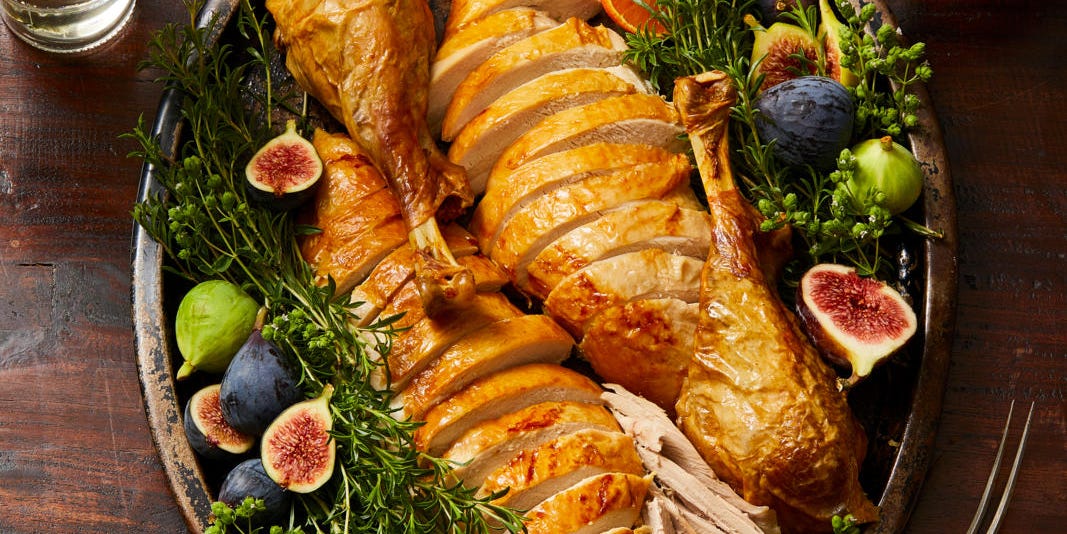
Turkey has a reputation problem. Fresh from the oven, it is a holiday hero. The next day, it can turn into a pile of beige disappointment with all the charm of edible cardboard. The good news is that leftover turkey does not have to live that sad fate. If you know how to reheat turkey the right way, you can keep it juicy, tender, flavorful, and fully worthy of a second round.
The secret is simple: moisture plus gentle heat. Turkey dries out when it is blasted at a high temperature or reheated for too long. Since it is a lean protein, especially the breast meat, it does not have much margin for error. In other words, turkey needs a warm spa day, not a punishment.
In this guide, you will learn the best way to reheat turkey in the oven, how to warm up smaller portions in the microwave, when the stovetop works better, and which mistakes turn perfectly good leftovers into chewy regret. We will also cover safe storage, timing, and real-life kitchen experiences that make all the difference when you are feeding a hungry family the day after the feast.
Why Turkey Dries Out So Easily
Before jumping into methods, it helps to understand the enemy. Turkey dries out for three main reasons. First, most leftover turkey has already been fully cooked once, so reheating it too aggressively pushes it beyond its sweet spot. Second, sliced turkey exposes more surface area, which means more moisture escapes. Third, many people reheat it bare, uncovered, and without any extra liquid, which is basically like asking it to survive a desert storm with no canteen.
If you remember one rule from this article, let it be this: reheat turkey with moisture, cover it, and warm it gently until it reaches 165°F. That combination protects texture and keeps the meat safer to eat.
The Best Way to Reheat Turkey: Low and Slow in the Oven
If you are reheating enough turkey for a family meal, the oven is the best method. It heats the meat more evenly than a microwave, is less fussy than the stovetop for larger batches, and gives you the best chance of serving turkey that still tastes like an intentional meal instead of a refrigerator afterthought.
What You Need
- Cooked turkey, preferably sliced or carved into portions
- Turkey stock, chicken broth, gravy, or pan drippings
- A baking dish or roasting pan
- Aluminum foil
- A meat thermometer
Step-by-Step Oven Method
- Preheat your oven to 300°F to 325°F. This range is warm enough to reheat the meat without bullying it into dryness.
- Arrange the turkey in a single layer. Slices or evenly sized pieces reheat more predictably than one giant mound in the middle of the pan.
- Add moisture. Pour a few spoonfuls of broth, stock, gravy, or drippings over the turkey. You do not need to drown it. You just want enough liquid to create steam and keep the meat from drying out.
- Cover tightly with foil. This traps steam, which is your best friend here. Steam is the reason reheated turkey can stay tender instead of turning into something that squeaks when you chew it.
- Heat until the turkey reaches 165°F. Depending on the amount and thickness, this usually takes about 20 to 30 minutes for sliced turkey and a bit longer for larger portions.
- Serve immediately. Once it is hot, do not keep cooking it “just to be sure.” That is how good intentions become dry meat.
If you want even better results, separate white meat and dark meat into different sections of the pan. White meat heats faster and dries out sooner, while thighs and drumsticks are more forgiving. Treating them like different foods is not dramatic. It is smart.
How to Reheat Turkey in the Microwave Without Wrecking It
The microwave is not the villain. It is just misunderstood. When used correctly, it is a perfectly good option for reheating a lunch-sized portion of turkey. When used recklessly, it gives you hot edges, cold centers, and meat with the texture of old gym socks.
Best for
One serving, quick meals, sandwiches, or a late-night plate assembled while standing in front of the fridge pretending you are “just checking.”
Microwave Method
- Slice the turkey into similarly sized pieces.
- Place it in a microwave-safe dish in a single layer.
- Add a splash of broth or gravy.
- Cover the dish with a microwave-safe lid or damp paper towel.
- Heat on medium or low power, not full blast.
- Warm in short intervals, about 30 seconds to 1 minute, checking and turning as needed.
- Make sure the thickest part reaches 165°F before eating.
The key is gentle reheating. Full power is fast, but it is also the express lane to rubbery turkey. Lower power gives the meat time to warm more evenly, while the added liquid helps create steam and protect the texture. In plain English: the microwave can work, but it needs supervision.
How to Reheat Turkey on the Stovetop
The stovetop is a great middle-ground option. It is especially useful for chopped turkey, shredded meat, or slices you want to serve with gravy, broth, or sauce. This method works beautifully if you are making open-faced turkey sandwiches, leftover turkey bowls, or a quick skillet meal.
Stovetop Method
- Add a shallow layer of broth, stock, or gravy to a skillet or saucepan.
- Place the turkey in the pan in a single layer if possible.
- Cover with a lid.
- Warm over low heat until the liquid is gently simmering.
- Turn the turkey once or twice so it heats evenly.
- Check that it reaches 165°F, then serve right away.
This method is especially forgiving because the liquid constantly protects the turkey. It is also a handy fix for meat that already feels a little dry. In that case, let the slices sit briefly in warm broth before serving. Think of it as a moisture rescue mission.
Can You Reheat a Whole Turkey?
Technically, yes. Practically, it is rarely the best idea.
Reheating a whole cooked turkey takes longer, heats less evenly, and increases your chances of drying out the breast meat before the rest of the bird is fully hot. If you are serving leftover turkey for a crowd, carve it first, then reheat the slices or portions in a pan with broth under foil. That approach is easier, faster, juicier, and much less dramatic than wrestling an entire bird back into relevance.
If you absolutely must reheat a whole turkey, cover it well, add moisture to the pan, use a low oven, and check the internal temperature carefully in multiple places. But whenever possible, carve first. Your future self will be grateful.
How to Keep Reheated Turkey Moist
Want the short version? Here it is: liquid, cover, low heat, thermometer.
Here are the best moisture-saving tricks:
- Use broth, stock, gravy, or drippings. Even a few tablespoons make a noticeable difference.
- Cover the pan tightly. Moisture that stays in the dish stays in the meat.
- Reheat only what you need. Rewarming the same big batch over and over is not kind to texture.
- Cut large pieces into smaller ones. Smaller, even pieces heat faster and more evenly.
- Do not boil the liquid aggressively. Gentle heat keeps the meat tender.
- Use gravy smartly. Turkey served with warm gravy has a second chance at greatness.
One especially smart move is to store leftover turkey with a little cooking liquid from the start. If you saved pan juices or made extra gravy, congratulations: you have already done tomorrow a favor.
Common Reheating Mistakes to Avoid
1. Using high heat
High heat feels efficient, but it dries out the turkey faster than you can say “pass the cranberry sauce.” Low and slow wins.
2. Reheating turkey dry
If there is no added liquid, you are gambling with the texture. Add broth, gravy, or drippings every time.
3. Leaving it uncovered
Uncovered turkey loses moisture into the air instead of keeping it where it belongs: inside your dinner.
4. Reheating the entire container repeatedly
Warm only what you plan to eat. Repeated reheating makes turkey tougher and increases the chance that quality falls off a cliff.
5. Guessing instead of checking
Do not rely on looks alone. A food thermometer is the easiest way to know the turkey is safe and hot enough without overdoing it.
Turkey Leftover Safety: What You Need to Know
Delicious leftovers are only good leftovers if they are also handled safely. Cooked turkey should be refrigerated within two hours of serving. Store it in shallow, covered containers so it cools faster. In the fridge, it is best used within three to four days. If you will not get to it in time, freeze it.
When reheating, the turkey should reach an internal temperature of 165°F. If you are reheating frozen leftovers, it is generally safest and easiest to thaw them in the refrigerator first, though some leftovers can be safely reheated from frozen with more time. Either way, the rule remains the same: get it fully hot, keep it moist, and do not let it linger at room temperature like it is still the star of yesterday’s buffet.
If you also have stuffing, reheat that separately when possible and make sure it reaches 165°F too. Turkey is not the only thing on the plate that needs attention.
Best Ways to Use Reheated Turkey
Sometimes the smartest reheating strategy is not to serve the turkey exactly the same way it appeared the first time. Leftovers thrive when they have a little support from sauce, broth, or another dish.
- Turkey and gravy plate: The classic. Hard to beat.
- Open-faced turkey sandwich: Toast, turkey, gravy, and maybe mashed potatoes if you are feeling ambitious.
- Turkey skillet meal: Warm turkey in broth with vegetables and herbs.
- Turkey soup: A brilliant option if the meat is slightly dry because broth solves many problems.
- Turkey casserole or pot pie: A cozy way to hide the fact that you are still eating holiday leftovers.
- Turkey grain bowl: Add reheated turkey to rice, farro, or quinoa with roasted vegetables and sauce.
Conclusion
The best way to reheat turkey and keep it juicy and moist is not complicated, but it does require a little patience. Use low heat, add broth or gravy, cover the meat, and stop reheating as soon as it reaches 165°F. The oven is best for larger amounts, the microwave is fine for quick single servings, and the stovetop is excellent when you want extra moisture and control.
In other words, leftover turkey is not doomed. It just needs better management. Treat it gently, give it some liquid, and resist the urge to blast it with heat like you are trying to settle a personal grudge. Do that, and your leftovers can be just as satisfying as the original feast.
Real-Life Kitchen Experiences With Reheating Turkey to Keep It Juicy and Moist
Anyone who cooks a big turkey eventually learns the same lesson: reheating is where good intentions go either gloriously right or hilariously wrong. The first common experience is overconfidence. A lot of people assume that because the turkey was juicy on day one, it will somehow remain juicy forever, like a holiday miracle sealed by wishful thinking. Then they toss cold slices into a hot microwave for three straight minutes, open the door, and discover turkey jerky with a better publicist.
Another familiar experience happens when reheating turkey for a crowd. People often focus on getting everything hot at once, which is understandable because side dishes are everywhere, someone is asking where the cranberry sauce went, and there is always one person wandering into the kitchen “just to help” by lifting lids. In those chaotic moments, the turkey often gets forgotten in a hot oven with no broth, no cover, and no mercy. That is usually the moment when someone says, “It’s fine, just pour gravy on it,” which is both a coping strategy and a deeply American holiday tradition.
Then there is the opposite experience: the person who has figured it out and now guards their reheating method like a family secret. This cook knows to slice the turkey first, arrange it neatly in a baking dish, add warm broth, cover it with foil, and let the oven do a gentle reheating job. The result is the kind of turkey that makes everyone suspicious. “Wait, this is leftover turkey?” Yes. Yes, it is. Sometimes competence feels like sorcery.
Smaller everyday experiences matter too. Maybe you are reheating a few slices for lunch and want a turkey sandwich that does not taste like disappointment. In that case, the microwave can work beautifully if you use low power, cover the plate, and add a spoonful of broth. That tiny step makes a big difference. It turns dry lunch meat energy into something closer to a real meal. The same goes for the stovetop method, which feels especially satisfying on cold days when you can simmer turkey slices gently in broth and immediately slide them onto toast, mashed potatoes, or rice.
One especially useful experience many home cooks talk about is learning that leftover turkey does better when it is not reheated again and again. The turkey from the first reheating is tender. The turkey from the third reheating starts negotiating with your jaw. That is why portioning leftovers early is such a smart move. Store them in smaller containers, add a little moisture before chilling, and only warm what you need. Future you will feel very organized and slightly superior, which is one of the quiet pleasures of competent leftover management.
Perhaps the biggest experience of all is realizing that leftover turkey does not need to be served exactly the same way every time. Once people stop expecting it to recreate the original holiday moment, the meat becomes much more useful. Warm it in broth and tuck it into sandwiches. Fold it into soup. Add it to a skillet with vegetables. Bake it into a casserole. Reheated turkey becomes much more successful when it gets a supporting cast instead of carrying the whole show alone.
So yes, there is real kitchen wisdom behind the humble task of reheating turkey. It is not glamorous, but it is practical, delicious, and surprisingly satisfying when done right. Great leftovers are not an accident. They are what happen when you accept that turkey is a little delicate, broth is a small miracle, and foil deserves much more respect than it usually gets.












