
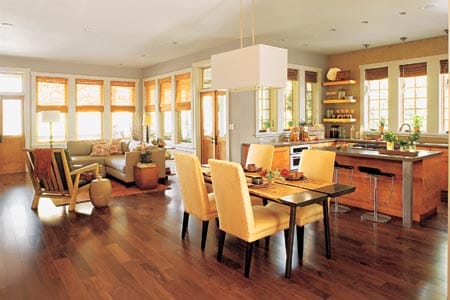
Wood floors have a talent for making a home feel warm, polished, and quietly expensive. They also have a talent for showing every chair scrape, muddy shoe print, pet skid, water drip, and mysterious dent that appears five minutes after guests leave. The good news? Learning how to protect wood floors is not complicated. It is mostly about building small habits that keep scratches, moisture, grit, and sunlight from turning your beautiful flooring into a dramatic diary of household chaos.
Whether you have solid hardwood, engineered wood, reclaimed planks, oak flooring, maple flooring, or a wood floor finish that looks like it belongs in a design magazine, protection begins with prevention. Wood is durable, but it is still a natural material. It expands and contracts with humidity, reacts badly to standing water, and does not appreciate being treated like a garage floor. With the right cleaning routine, furniture protection, humidity control, and everyday care, your floors can stay attractive for decades.
This guide explains practical, homeowner-friendly ways to protect wood floors from scratches, water damage, fading, dents, dullness, pets, furniture, rugs, and daily traffic. No complicated rituals. No need to whisper apologies to your flooring every morning. Just smart care that works.
Why Wood Floor Protection Matters
Wood floors are an investment. They can increase a home’s visual appeal, improve resale value, and create a timeless look that outlives many design trends. But they are also exposed to more daily abuse than almost anything else in the house. People walk on them, kids race across them, dogs perform indoor parkour on them, chairs scoot over them, and sunlight slowly changes their color.
Protecting wood floors matters because most damage starts small. A little grit near the front door becomes a sanding pad under shoes. A small spill near the sink becomes a dark stain if ignored. A missing felt pad under a dining chair becomes a collection of scratches that look like a tiny tiger moved in. Prevention is much cheaper than sanding, refinishing, board replacement, or explaining to visitors why your hallway looks like a treasure map.
Start at the Door: Stop Dirt Before It Enters
The first rule of hardwood floor protection is simple: do not let dirt become a floor accessory. Sand, gravel, salt, and outdoor debris act like abrasive particles. When people walk across wood flooring with grit on their shoes, those tiny particles can scratch and dull the finish.
Use Walk-Off Mats at Every Entrance
Place durable mats outside and inside every exterior door. Outdoor mats scrape off mud and grit, while indoor mats catch finer dust and moisture. This double-mat system is especially helpful near front doors, garage entrances, patio doors, and mudrooms.
Choose mats with breathable, non-staining backing. Avoid rubber-backed rugs or cheap plastic mats unless the manufacturer says they are safe for wood floors. Some backing materials can trap moisture or react with floor finishes, leaving discoloration. Your mat should protect the floor, not become the villain in a home-improvement horror story.
Create a Shoe Zone
A no-shoes policy is one of the easiest ways to protect wood floors. Shoes bring in dirt, moisture, road salt, lawn chemicals, and tiny stones. High heels can also dent softer wood species because the pressure is concentrated in a tiny area.
Set up a shoe rack, bench, or basket near the entrance. Make it convenient, not bossy. A friendly sign or a basket of guest slippers can help. If guests refuse, at least you will know who to blame when the floor starts looking like it survived a parade.
Clean Wood Floors the Right Way
Cleaning wood floors is not about using more water, stronger chemicals, or whatever product is already under the sink. Proper cleaning protects the finish, removes abrasive debris, and keeps the floor looking fresh without stripping or dulling the surface.
Dust or Sweep Frequently
Use a microfiber dust mop, soft broom, or vacuum designed for hard floors. Microfiber is especially useful because it traps dust instead of pushing it around like a tiny housekeeping protest. In busy homes, dust-mopping several times a week can make a noticeable difference.
Pay extra attention to entryways, kitchens, hallways, and areas around dining tables. These zones collect crumbs, grit, and pet hair faster than the rest of the home.
Vacuum With the Correct Setting
Vacuuming is safe for wood floors when done correctly. Use a vacuum with a hard-floor setting or a soft-brush attachment. Turn off the beater bar or rotating brush roll because stiff bristles can scratch the finish. If your vacuum sounds like it is trying to excavate the floor, it is probably not in the right mode.
Damp Mop, Never Wet Mop
Water is one of wood flooring’s biggest enemies. A damp mop is fine when used properly, but a soaking wet mop can force moisture into seams and cause cupping, swelling, staining, or finish damage. Use a hardwood floor cleaner that matches your floor’s finish, spray lightly, and mop with a clean microfiber pad.
After mopping, the floor should dry quickly. If puddles remain, the mop is too wet. Wood floors like spa treatment in theory, but not in practice.
Avoid Cleaning Products That Damage Wood Floors
Many common household cleaners are too harsh for wood floors. Even products labeled “natural” can create problems if they are acidic, oily, abrasive, or not compatible with the finish.
Do Not Use Steam Mops
Steam mops may seem like a miracle tool, but they are risky for wood floors. Heat and moisture can penetrate seams, damage finishes, and contribute to warping or discoloration. Steam is wonderful for some surfaces, but wood floors are not the place to test its enthusiasm.
Skip Vinegar, Bleach, Ammonia, and Abrasive Scrubbers
Vinegar is often recommended as a universal cleaner, but it can dull some wood floor finishes over time. Bleach and ammonia can damage protective coatings, while abrasive pads can create visible scratches. Steel wool, stiff brushes, and scouring pads should stay far away from hardwood floors.
Avoid Oil Soaps and Wax Unless Recommended
Oil soaps and waxes can leave residue, make floors slippery, attract dirt, and interfere with future refinishing. Some older waxed floors do need special wax care, but most modern polyurethane-finished wood floors do not. Always follow the flooring manufacturer’s cleaning instructions.
Protect Wood Floors From Furniture Scratches
Furniture is one of the most common causes of scratches on wood floors. Dining chairs, sofas, tables, beds, desks, and stools can all leave marks when moved or dragged.
Use Felt Pads Under Furniture Legs
Felt pads are inexpensive, simple, and surprisingly powerful. Place them under chair legs, table legs, sofa feet, bed frames, and any furniture that touches the floor. Check them regularly because felt pads can collect grit or flatten over time. Replace them when they become dirty, thin, loose, or crusty. Yes, crusty felt pads are a thing, and no, they are not helping anyone.
Lift Furniture Instead of Dragging It
Dragging furniture across wood floors is basically asking for scratches. When moving heavy pieces, lift them with help or use furniture sliders made for hardwood surfaces. For major moves, place a protective path using clean moving blankets, ram board, or floor-safe temporary protection.
Add Rugs in High-Use Furniture Areas
Area rugs can protect wood floors under dining tables, coffee tables, desks, and seating areas. Use rug pads that are safe for wood floors, such as felt or natural rubber options approved for your floor finish. The rug pad matters as much as the rug because the wrong backing can discolor or stick to the finish.
Use Rugs Strategically
Rugs are not just decorative. They are tiny bodyguards for your floor. Use them in high-traffic zones, near sinks, in hallways, around beds, under dining tables, and in play areas.
Best Places to Put Rugs
Place rugs where damage is most likely: in front of kitchen sinks, near exterior doors, under rolling office chairs, beside beds, along hallways, and under dining chairs. In kitchens, choose washable rugs or mats that dry quickly. Around sinks, moisture control is critical, so avoid rugs that stay wet underneath.
Rotate Rugs Occasionally
Sunlight changes the color of wood over time. Rugs block UV exposure, which can leave lighter or darker patches when moved later. Rotate rugs and rearrange furniture occasionally to encourage more even aging. Think of it as giving your floor a balanced tan, minus the sunscreen smell.
Control Moisture and Spills Immediately
Moisture damage can be expensive because it may affect the wood below the finish. Spills, leaks, wet shoes, pet accidents, plant overwatering, and plumbing problems should be handled quickly.
Wipe Spills Right Away
Use a soft, dry cloth to blot spills immediately. Do not let water, wine, juice, coffee, or pet accidents sit on the floor. Liquids can seep into seams and cause stains or swelling. In kitchens and dining rooms, keeping a microfiber cloth nearby is a small habit that can prevent big headaches.
Use Mats Near Water Sources
Place floor-safe mats near sinks, dishwashers, pet bowls, laundry areas, and exterior doors. Pet water bowls are sneaky troublemakers because small splashes can happen daily. Use a waterproof tray or mat underneath, and check the floor often.
Watch for Hidden Leaks
Dishwashers, refrigerators with water lines, washing machines, and sinks can leak slowly. By the time wood floors show dark spots, cupping, or soft areas, the problem may already be serious. Inspect appliance areas regularly, especially if your wood flooring extends into the kitchen or laundry room.
Maintain Healthy Indoor Humidity
Wood expands when humidity is high and shrinks when humidity is low. This movement is normal, but big swings can cause gaps, cupping, cracking, or crowning. A stable indoor environment helps protect wood floors year-round.
Keep Humidity in a Safe Range
A common target for wood floors is about 30% to 50% relative humidity, although exact recommendations may vary by flooring type, finish, region, and manufacturer. Use a hygrometer to monitor indoor humidity. These small devices are inexpensive and can help you catch problems before your floor starts sending distress signals.
Use Humidifiers and Dehumidifiers When Needed
In dry winter months, a humidifier can reduce shrinkage and gaps. In humid seasons, air conditioning or a dehumidifier can reduce swelling and moisture stress. The goal is consistency. Wood floors do not enjoy seasonal mood swings any more than people do.
Protect Wood Floors From Sunlight
Sunlight can fade, darken, or change the tone of wood flooring. Some species, such as cherry, can darken significantly, while others may fade. The finish can also change appearance with prolonged UV exposure.
Use Curtains, Blinds, and UV Window Film
Window treatments help control sunlight during the brightest parts of the day. UV-filtering window film can also reduce fading while still allowing natural light into the room. This is especially helpful in rooms with large windows, glass doors, or southern exposure.
Rearrange Furniture and Rugs
Move rugs and furniture occasionally to avoid sharp color differences. You do not need to redecorate every week, but shifting items once in a while can help the floor age more evenly.
Protect Wood Floors From Pets
Pets and wood floors can live together peacefully, but a little planning helps. Dogs, especially larger or energetic ones, can scratch floors when they run, jump, or change direction quickly. Cats are usually less damaging, unless they decide your area rug is a racetrack at 2 a.m.
Trim Pet Nails Regularly
Keeping nails short reduces scratching. If you hear constant clicking when your dog walks across the floor, it may be time for a trim. Smooth nail edges with a grinder or file if needed.
Clean Paws at the Door
Keep a towel near entrances for muddy or wet paws. Dirt trapped in paws can scratch floors, while moisture can damage the finish. A quick paw wipe is much easier than repairing stained boards.
Use Rugs in Pet Play Zones
Place rugs or runners in areas where pets frequently run, eat, drink, or jump off furniture. For food and water bowls, use a waterproof mat that will not trap moisture underneath.
Prevent Dents and Impact Damage
Scratches are not the only concern. Dents happen when heavy pressure compresses wood fibers. Softer woods dent more easily than harder species, but no wood floor is completely dent-proof.
Be Careful With Heavy Objects
Do not drop tools, pans, weights, or furniture parts on wood floors. In home gyms, avoid placing free weights directly on hardwood. Use rubber gym flooring or another protective surface, but make sure the material is safe for wood finishes and does not trap moisture.
Use Furniture Cups for Heavy Pieces
Large furniture pieces can leave pressure marks over time. Furniture cups or wide protectors help spread weight more evenly. This is useful under pianos, heavy cabinets, large beds, and antique furniture.
Choose the Right Finish and Maintenance Schedule
The finish is the protective shield on top of your wood floor. Common finishes include water-based polyurethane, oil-based polyurethane, hardwax oil, penetrating oil, and factory-applied finishes. Each has different cleaning and maintenance needs.
Know Your Floor Finish
Before using cleaners, polish, wax, or refresher products, identify your floor finish. Products that work beautifully on one finish may harm another. If you recently bought a home and do not know the finish, ask a flooring professional before applying anything beyond a basic hardwood-safe cleaner.
Recoat Before the Finish Wears Through
Recoating adds a new layer of protection before bare wood is exposed. If the finish becomes dull, scratched, or thin but the wood itself is not deeply damaged, recoating may be enough. Waiting too long can require full sanding and refinishing.
Refinish When Necessary
Deep scratches, widespread wear, water stains, and exposed wood may require sanding and refinishing. Solid hardwood can often be refinished multiple times, while engineered wood depends on the thickness of the wear layer. When in doubt, call a professional. You do not want to discover the limits of your flooring with a rented sander and blind optimism.
How to Protect Wood Floors During Renovation or Moving
Moving day and remodeling projects can be brutal on wood floors. Boots, tools, ladders, paint cans, appliance dollies, and construction dust can cause serious damage.
Cover Traffic Paths
Use floor protection designed for hardwood, such as breathable construction paper, clean moving blankets, or temporary floor protection boards. Avoid plastic sheets that trap moisture. Tape should never be applied directly to the wood floor unless the tape manufacturer specifically approves it for that use.
Protect Against Dust and Grit
Construction dust can be abrasive. Sweep or vacuum with a hard-floor-safe vacuum frequently during projects. Place mats near work entrances and ask contractors to protect the flooring before work begins.
Use Appliance Sliders
Moving refrigerators, stoves, washing machines, or heavy cabinets can gouge wood floors. Use appliance sliders or protective boards, and move slowly. This is one area where patience beats muscle.
Daily Habits That Keep Wood Floors Beautiful
Wood floor care becomes easy when it becomes routine. The best habits are simple: remove shoes, clean grit, wipe spills, use felt pads, control humidity, and avoid harsh products. None of these tasks are glamorous, but neither is paying for preventable repairs.
Here is a practical routine: dust high-traffic areas every few days, vacuum weekly with the correct setting, damp mop as needed with a hardwood-safe cleaner, check furniture pads monthly, clean entry mats regularly, and monitor humidity during seasonal changes. Add quick spill cleanup and pet nail care, and you have a strong protection plan.
Common Mistakes to Avoid
Even careful homeowners can accidentally damage wood floors. The most common mistakes include using too much water, using the wrong cleaner, ignoring grit near doors, dragging furniture, skipping rug pads, letting pet accidents sit, using steam mops, and allowing indoor humidity to swing wildly.
Another mistake is assuming all wood floors are the same. Engineered wood, solid hardwood, prefinished flooring, site-finished flooring, waxed floors, oiled floors, and polyurethane floors may require different products. When product labels say “safe for wood,” read the fine print. Your floor finish gets the final vote.
Real-Life Experience: What Actually Works When Protecting Wood Floors
After caring for wood floors in busy homes, the biggest lesson is that protection is not one dramatic weekend project. It is a collection of small decisions that quietly save the floor every day. The homes with the best-looking wood floors are not always the homes where people clean the most. They are usually the homes where people prevent the most damage before it starts.
For example, entry mats make a bigger difference than many people expect. In one home with oak floors near a front entrance, the finish started looking cloudy and scratched within a year because everyone walked in with shoes from a gravel driveway. After adding an outdoor scraper mat, an indoor absorbent mat, and a shoe basket, the wear slowed dramatically. No magic product was involved. The floor simply stopped being sanded by sneakers every afternoon.
Dining chairs are another everyday trouble spot. Felt pads sound almost too basic, but they work. The trick is to inspect them regularly. A felt pad that has picked up grit can become a scratch pad. A pad that has slid off-center can expose the chair leg. In a breakfast nook where chairs moved constantly, replacing cheap thin pads with thicker, better-fitting felt pads reduced visible scratches within weeks. The chairs also became quieter, which was a nice bonus for anyone who enjoys breakfast without the sound of furniture auditioning for a horror movie.
Moisture habits matter just as much. In kitchens, small splashes around sinks and dishwashers often go unnoticed. A washable runner in front of the sink can help, but it should be lifted and cleaned often. One common mistake is leaving a damp mat in place for too long. A mat that traps moisture can be worse than no mat at all. The best setup is a floor-safe, quick-drying mat paired with regular checks underneath.
Pets require a realistic plan, not wishful thinking. If a dog loves sprinting down the hallway, that hallway needs a runner. If water bowls splash, they need a waterproof tray. If nails click loudly, they need trimming. Trying to train a happy dog not to be happy indoors can be a losing battle. Protect the traffic zones instead. Rugs, runners, and nail care are much cheaper than refinishing a hallway.
Humidity control is another lesson people often learn too late. In dry seasons, gaps can appear between boards. In humid weather, boards can swell. Some seasonal movement is normal, but extreme changes are stressful for wood. A simple hygrometer can reveal whether a room is too dry or too damp. In many homes, using a humidifier in winter and air conditioning or a dehumidifier in summer helps keep floors more stable. The floor may not send a thank-you card, but it will behave better.
Another practical experience: avoid experimenting with cleaning hacks. Wood floors are not the place to test internet chemistry. Vinegar, steam, abrasive pads, and mystery mixtures can dull or damage the finish. A pH-neutral hardwood floor cleaner and microfiber mop may sound boring, but boring is excellent when it keeps a floor from turning cloudy, sticky, or warped.
The best long-term approach is to treat the finish as the first line of defense. Once the finish wears through, dirt and moisture can reach the wood itself. That is when small problems become expensive. If high-traffic areas look dull even after cleaning, it may be time to ask a flooring professional about recoating. Recoating before deep damage appears can extend the life of the floor and delay full refinishing.
In short, the most effective wood floor protection habits are simple, repeatable, and not especially dramatic. Stop grit at the door. Use felt pads. Clean with the right tools. Control moisture. Protect sunny areas. Maintain rugs and mats. Trim pet nails. Do not drag furniture. These habits may not feel exciting, but they preserve the warm, clean, polished look that makes wood floors worth having in the first place.
Conclusion
Protecting wood floors is really about protecting the finish, controlling moisture, and reducing daily abrasion. You do not need a complicated routine or a closet full of specialty products. You need smart mats, clean microfiber tools, floor-safe rugs, felt furniture pads, quick spill cleanup, steady humidity, and a healthy suspicion of steam mops.
Wood flooring rewards consistency. Sweep away grit before it scratches. Wipe water before it seeps. Lift furniture before it gouges. Rotate rugs before sunlight leaves outlines. Handle tiny problems early, and your floors can keep their beauty, character, and value for many years. Treat them well, and they will keep making your home look warm, elegant, and just a little more put-together than real life usually feels.
Note: This article is written in standard American English for web publishing and is based on widely accepted wood floor care practices, including scratch prevention, moisture control, humidity management, proper cleaning, and finish protection.












