
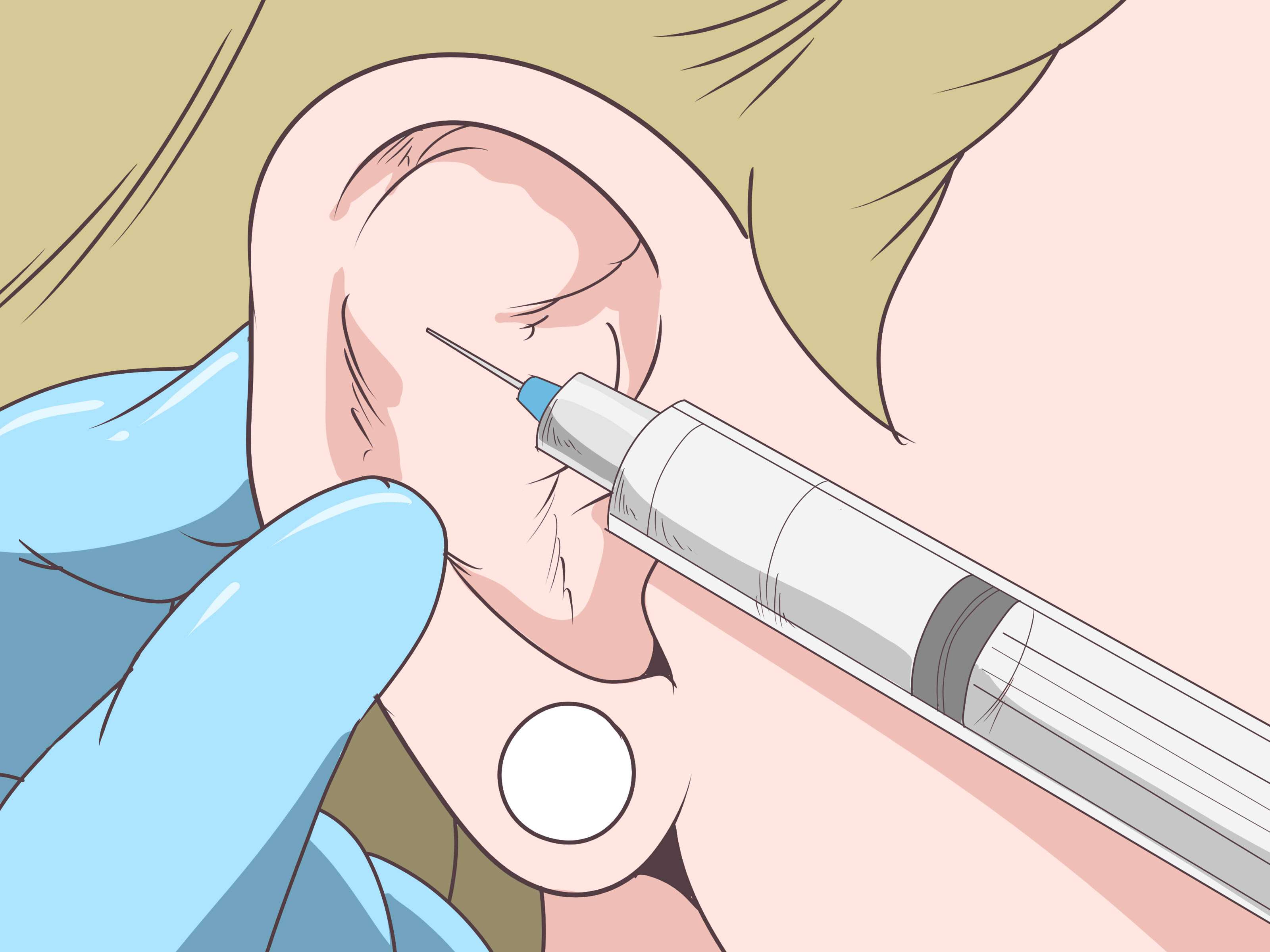
Cauliflower ear has a name that sounds like a vegetable and a vibe that says, “I definitely got hit in the side of the head for fun.” It usually starts with trauma to the outer ear, often during wrestling, boxing, rugby, jiu-jitsu, MMA, or any sport where your ear gets folded, rubbed, or smacked like it owes somebody money. When blood collects between the skin and cartilage of the ear, the cartilage can lose its normal blood supply. If that swelling is not handled promptly, the ear can harden, thicken, and become permanently misshapen.
The good news is that cauliflower ear prevention is very doable. In fact, most cases are less about bad luck and more about missed opportunities: not wearing proper headgear, ignoring swelling after practice, going back too soon, or assuming a tender ear will “work itself out.” Spoiler alert: cartilage is not famous for forgiving neglect.
This guide breaks down how to prevent cauliflower ear with 10 practical, real-world steps. Whether you are a wrestler, coach, parent, martial artist, or just someone whose hobbies involve questionable amounts of grappling, these habits can protect your ears, your appearance, and your hearing.
What Is Cauliflower Ear, Exactly?
Cauliflower ear is the end result of an auricular hematoma, which is a collection of blood or fluid in the outer ear after trauma. The outer ear is mostly cartilage covered by skin. When the skin separates from the cartilage, fluid can pool in that space. Left untreated, the cartilage may lose nutrients, scar tissue can form, and the ear may become thick, lumpy, or shrunken.
That is why prevention is not only about avoiding the first hit. It is also about spotting early symptoms, acting quickly, and not letting a small injury turn into a permanent one. In other words, preventing cauliflower ear is part gear, part technique, part common sense, and part not being weirdly proud of avoidable swelling.
Why Prevention Matters
For some athletes, cauliflower ear is treated like a badge of honor. That may sound tough in the locker room, but the medical reality is less glamorous. A damaged ear can lead to lasting deformity, recurring swelling, discomfort with headphones or helmets, a higher chance of infection, and in some cases, hearing-related problems if the swelling is severe enough. Prevention is easier, cheaper, and a lot less dramatic than trying to fix a permanently altered ear later.
Step 1: Wear Protective Headgear Every Time You Train
The single most effective way to prevent cauliflower ear in contact sports is wearing properly fitted headgear with ear protection. Not “sometimes.” Not only at tournaments. Not only when a coach is watching. Every live practice, every hard round, every sparring session where ear trauma is possible.
Wrestling headgear, rugby scrum caps, and sport-specific ear guards reduce direct blows and repetitive friction. That matters because cauliflower ear is often caused not just by one dramatic hit, but by repeated rubbing, bending, and pressure over time. A hundred tiny insults can be just as rude to your ear as one big shot.
If you coach younger athletes, make headgear part of the culture instead of an optional accessory. The earlier athletes build the habit, the less likely they are to skip it later when they think they are invincible. Teenagers, famously, are not always excellent at risk management.
Step 2: Make Sure the Headgear Actually Fits
Wearing headgear is important. Wearing bad headgear is like bringing an umbrella with holes in it. Technically you are trying, but the rain still wins.
Loose headgear shifts during scrambles, exposing the ear to friction and impact. Headgear that is too tight can be uncomfortable, distract the athlete, and tempt them to remove it the second practice gets real. The best fit should cover the ears well, stay in place during movement, and feel secure without pinching.
Check the straps, chin support, side panels, and ear cups. If the gear rotates, slides upward, or leaves part of the ear exposed, it needs adjustment or replacement. For children and teens who are still growing, fit should be checked regularly throughout the season. Your athlete may have the same confidence as last month, but not the same head size.
Step 3: Replace Worn-Out Gear Before It Becomes Decorative
Protective equipment does not last forever. Foam compresses. Straps stretch. Fasteners loosen. Plastic cracks. The more your gear starts to resemble a sentimental artifact from “that great season,” the less it may be protecting you now.
Inspect headgear often, especially if you train several times a week. Warning signs include thinning padding, damaged ear shells, broken straps, loose closures, or anything that causes the gear to slip during drills. If the ear protection no longer sits flush against the side of the head, it may not be doing its job.
This is especially important for wrestlers and grapplers who train year-round. Frequent friction is exactly what you are trying to reduce. Old gear tends to fail gradually, which means athletes often adapt without realizing their risk is climbing. Your ears deserve better than a retirement-plan helmet.
Step 4: Improve Technique to Reduce Ear Friction and Shearing
Equipment matters, but technique matters too. A lot. Cauliflower ear often develops when the ear is repeatedly bent, folded, dragged, or sheared during clinches, sprawls, takedowns, and ground exchanges. Good positioning can lower that risk.
For wrestlers and jiu-jitsu athletes, keeping your head in strong alignment during ties and scrambles helps reduce sideways ear grinding. For boxers and MMA fighters, better defense and cleaner movement can reduce glancing trauma to the outer ear. For rugby players, safe contact technique and sport-appropriate protection matter for repeated collisions.
Ask your coach to watch for habits that leave your ear exposed, such as sloppy head placement, reaching with a twisted neck, or staying in bad positions too long. Prevention is not just about surviving impact. It is about avoiding the kind of repeated mechanical stress that turns your ear into a reluctant sculpture project.
Step 5: Do Not Ignore Ear Pain, Swelling, Redness, or a “Blood Blister” Look
One of the biggest mistakes athletes make is assuming the ear is “just a little sore.” Early auricular hematoma can look like swelling, bruising, redness, tenderness, or a soft, puffy bump after practice or a match. Sometimes athletes describe it as feeling hot, tight, or oddly squishy. None of those are charming personality traits for an ear.
If your outer ear becomes swollen after trauma, do not keep training as if nothing happened. Repeated impact on an already injured ear increases the chance of re-bleeding, more inflammation, and permanent deformity. The safest move is to stop, assess, and get it looked at promptly.
When it comes to auricular hematoma treatment timing, sooner is better. Some medical sources emphasize treatment within hours, and others highlight the first day or first couple of days. The practical takeaway is simple: same-day evaluation is smart, and waiting around to “see what happens” is not a winning strategy.
Step 6: Use Ice Early, but Do Not Treat Ice Like Magic
After a direct blow or friction injury, applying a cold pack can help reduce pain and swelling. Wrap the cold source in a cloth and use it for short intervals rather than pressing ice directly onto the skin. This can be a useful first-aid step while you arrange medical evaluation.
But here is the important part: ice is not a substitute for proper care if the ear is swelling significantly. It may calm things down temporarily, but it does not remove pooled blood trapped between the skin and cartilage. Think of it as a helpful first move, not the whole game plan.
If the ear looks tense, puffy, bruised, or deformed after trauma, especially after contact sports, do not assume icing alone solved the problem. That is how people end up meeting the words “permanent cartilage change” in a very personal way.
Step 7: Get Prompt Medical Care Instead of Trying DIY Drainage
This is a big one. Do not try to drain your own ear at home. The internet may be full of confidence, but confidence is not sterilization, training, or follow-up care.
DIY drainage increases the risk of infection, incomplete removal of the hematoma, and reaccumulation of fluid. Even more important, proper management is not just about removing blood. It usually involves restoring pressure and compression so the skin and cartilage can re-adhere correctly. Without that step, the problem can come right back.
If you suspect an auricular hematoma, contact a sports medicine clinician, urgent care, emergency department, ENT specialist, or another qualified healthcare professional as soon as possible. Prompt medical treatment is one of the most important ways to prevent cauliflower ear from becoming permanent.
Step 8: Follow Aftercare Closely if the Ear Has Been Treated
Medical treatment is not the finish line. It is halftime. If the ear has been drained or dressed, follow the aftercare instructions carefully. That may include keeping dressings dry, avoiding manipulation of the ear, watching for recurrent swelling, and returning for follow-up visits.
This matters because reaccumulation is common. An ear that looks better today can swell again tomorrow if compression is lost or the athlete returns to contact too soon. Skipping follow-up is like patching a tire and then immediately driving through a box of nails.
Parents, coaches, and training partners can help here. If the athlete says, “It’s probably fine,” but the ear looks swollen again, believe the ear, not the optimism.
Step 9: Do Not Rush Back Into Contact Before the Ear Is Ready
Athletes are not known for loving rest. But returning to sparring, grappling, or matches too soon can undo good treatment and restart the whole problem. If the ear is still healing, swollen, tender, or protected by a dressing, more contact may trigger another hematoma.
Clear return-to-play decisions should come from a qualified medical professional familiar with the injury and the demands of the sport. In some cases, an athlete may return relatively quickly with adequate protection. In others, more healing time is needed. The goal is not just getting back fast. The goal is getting back without giving your ear a sequel.
During recovery, it may help to modify training with conditioning, footwork, drilling without contact, or technique work that avoids further ear trauma. Smart athletes protect the long game.
Step 10: Build a Prevention Routine With Coaches, Parents, and Training Partners
The best cauliflower ear prevention tips work even better when they become routine. Coaches can check gear before practice. Parents can monitor for swelling after matches. Training partners can avoid reckless habits. Athletes can speak up when the ear feels wrong instead of pretending pain is a personality test.
Simple routines make a real difference:
Before practice
Check that headgear fits, straps are secure, and the ear is fully covered.
After contact sessions
Look for swelling, redness, tenderness, or unusual firmness in the outer ear.
After an ear injury
Ice briefly, stop contact, and arrange prompt medical evaluation if the ear is swollen, tense, bruised, or painful.
Prevention works best when nobody treats ear trauma as normal background noise. A swollen ear is not a trophy. It is information.
Common Mistakes That Raise the Risk of Cauliflower Ear
Even disciplined athletes can make avoidable mistakes. The usual troublemakers include skipping headgear during practice, using poorly fitted or damaged equipment, ignoring a swollen ear after a match, returning before healing is complete, and trying home drainage. Another sneaky issue is repeated “minor” trauma. A single giant hit is easy to notice. Repeated friction for weeks is easier to dismiss, but it can still cause the same outcome.
There is also a culture problem in some contact sports where ear damage is normalized. That mindset can delay treatment and encourage bad decisions. Toughness is useful. Preventable deformity is not.
Real-World Experiences: What Athletes and Families Learn the Hard Way
Talk to enough wrestlers, boxers, and grapplers, and you will hear the same story in different uniforms. Somebody notices a sore ear after practice. It is puffy, maybe a little warm, maybe red, maybe shaped like a tiny pillow nobody asked for. The athlete says it is nothing. The coach says to keep an eye on it. The parent thinks ice will handle it. Two days later, that “nothing” has become a very obvious something.
One common experience is regret over not wearing headgear in practice. Athletes often save their best safety habits for competition, which is backwards. Most contact sport injuries happen during training simply because training happens more often. A wrestler may wear ear guards in a tournament but skip them during hard live rounds in the room because they feel uncomfortable or uncool. A month later, the ear starts changing shape. Suddenly the headgear that felt annoying sounds like a brilliant invention.
Another frequent lesson is that cauliflower ear does not always come from one cinematic hit. Many athletes say it built up over time. A little friction here, a little bending there, one rough scramble, one bad shot defended with the side of the head, and then one day the ear swells enough to get everybody’s attention. That is why prevention routines matter so much. Small warning signs often show up before permanent damage does.
Parents of younger athletes usually talk about surprise. They may expect sprained ankles, bruised knees, maybe a bloody nose. They do not always expect a swollen ear to be a same-day medical issue. Once they learn that prompt care can help prevent permanent deformity, they become a lot more alert after practices and tournaments. A quick glance at the ears can become as normal as checking for scraped elbows.
Coaches often describe the difference culture makes. In gyms where headgear is non-negotiable and athletes report ear pain early, cauliflower ear is far less likely to become a major problem. In gyms where people shrug off swelling and joke about earning their “fighter look,” athletes tend to wait too long. And cartilage, unfortunately, does not care about locker-room mythology.
Athletes who do seek treatment quickly often say the same thing afterward: they wish they had acted sooner, and they wish they had taken the first swelling more seriously. Many are surprised that proper care involves more than just removing fluid. Compression, follow-up, and protecting the ear afterward are what help keep the ear from filling up again.
The most useful takeaway from these experiences is simple. Prevention is rarely one heroic move. It is a collection of boring, effective habits: wear the gear, make sure it fits, stop when the ear gets hit hard, notice swelling early, and get medical help fast. Boring habits are underrated. They are also how you keep your ears looking like ears.
Final Thoughts
If you want to know how to prevent cauliflower ear, the formula is straightforward: protect the ear, reduce repeated trauma, recognize swelling early, and treat suspected hematomas promptly. The athletes who avoid long-term problems are usually not the lucky ones. They are the consistent ones.
Headgear may not feel glamorous. Follow-up appointments may not feel exciting. Taking ear swelling seriously may not make a great social media caption. But all of those things work. And in the long run, keeping your ear from turning into a crumpled dumpling is a pretty solid return on investment.
Note: This article is for educational purposes only and is not a substitute for medical care. If the outer ear becomes swollen, tense, bruised, painful, or suddenly misshapen after trauma, seek prompt evaluation from a qualified healthcare professional and do not attempt DIY drainage.













