
Memorizing ayahs from the Qur’an can seem intimidating when you first open a long surah and realize that every line must be preserved accurately. The good news is that Qur’an memorization is not reserved for people with photographic memories, unlimited free time, or mysterious brains powered by premium dates. It is a skill developed through sincere intention, correct guidance, repetition, and patient review.
A strong memorization routine combines traditional hifz practices with proven learning principles such as active recall, spaced repetition, focused attention, and adequate sleep. Research on learning consistently shows that information is remembered more effectively when practice is distributed over time and learners regularly attempt to retrieve it without looking.
This guide explains how to memorize Qur’an ayahs in 13 practical steps. Whether your goal is to learn a few short surahs, strengthen what you already know, or begin a complete hifz journey, the same basic principle applies: small portions memorized carefully are better than large portions remembered shakily.
What Makes Qur’an Memorization Different?
Memorizing the Qur’an is not simply an exercise in collecting Arabic words. The aim is to preserve the recitation accurately, understand its message, return to it regularly, and allow it to influence daily conduct. This makes hifz both an intellectual discipline and an act of worship.
Accuracy matters because changing a vowel, extending a sound incorrectly, or confusing two similar ayahs may alter the recitation. For that reason, new memorization should be built on correct reading rather than repaired after dozens of mistakes have moved into your mental guest room and unpacked their luggage.
Traditional Qur’an teachers commonly emphasize three connected activities: learning a new portion, reviewing recently memorized material, and revising older passages. A student who only adds new ayahs may progress quickly for a few weeks, but the neglected material often begins fading just as quickly.
How to Memorize Ayahs from the Qur’an in 13 Steps
1. Begin with a Sincere Intention and Dua
Start by clarifying why you want to memorize the Qur’an. A sincere intention gives your routine meaning when motivation is high and steadiness when motivation disappears for a surprise vacation.
Ask Allah for help, ease, consistency, correct understanding, and protection from showing off. Renew this intention frequently. A person may begin with a sincere goal but gradually become distracted by comparisons, praise, certificates, or the number of pages completed.
Instead of treating hifz as a race, view it as a long relationship with the Qur’an. Your progress may accelerate, slow down, or temporarily pause because of school, work, illness, parenting, or other responsibilities. The value of the journey is not measured only by speed.
2. Correct Your Recitation Before Memorizing
Before repeatedly reciting an ayah, make sure you can read it correctly. Study basic tajwid and practice the pronunciation of Arabic letters, especially sounds that do not exist in English.
Recite the selected passage to a knowledgeable teacher. Ask the teacher to identify mistakes in articulation, vowel endings, elongation, nasalization, and stopping. Record the corrections in a notebook or directly beside your study plan rather than relying on the optimistic belief that you will “definitely remember later.”
If access to a local teacher is difficult, consider a reputable online class with live correction. Recorded recitations are useful models, but they cannot always tell you what your own tongue is doing.
3. Use One Consistent Mushaf
Choose one physical mushaf and use it consistently for memorization. Keeping the same page layout helps create visual anchors. You may begin remembering that a certain ayah appears near the top of a right-hand page or that another passage ends beside a familiar decorative marker.
Constantly switching between differently formatted copies can weaken these visual cues. A Qur’an app remains helpful for listening and reviewing away from home, but your primary mushaf should ideally stay consistent.
Keep it in a clean, accessible place where you normally practice. When the mushaf is visible and ready, beginning requires less effort. When it is buried under six charging cables and a stack of unopened mail, the routine suddenly becomes an archaeological project.
4. Select a Small and Realistic Daily Portion
Choose a portion that fits your present ability. A beginner might memorize one short ayah, two lines, or several words perChoose a portion that fits your present ability. A beginner might memorize one short ayah, two lines session. An experienced student may handle half a page or more.
Do not choose a target merely because another student uses it. The right amount is one you can memorize accurately and maintain through review. If yesterday’s lesson is already collapsing when you add today’s portion, reduce the new material.
Divide long ayahs according to natural phrases and meanings. Learn one phrase thoroughly before adding the next. This prevents the middle of a long verse from turning into a foggy neighborhood where every word looks vaguely familiar but nobody knows the correct address.
5. Set a Fixed Time and Quiet Place
Consistency becomes easier when memorization has a regular place in your schedule. Many students prefer early morning, particularly after Fajr, because the mind is fresh and daily distractions have not yet formed a committee.
The best time, however, is the time you can protect consistently. A dependable 20-minute session after Fajr, before work, during lunch, or after Isha is more useful than an ambitious two-hour plan that happens once every lunar eclipse.
Silence unnecessary notifications, place the phone out of reach unless it is being used for recitation, and tell family members when your study period begins. Focused attention is essential because repeatedly reading an ayah while mentally answering emails is mostly an advanced method of answering neither the ayah nor the emails.
6. Read the Meaning and Basic Tafsir
Read a reliable translation before memorizing the passage. Then consult a trusted, accessible tafsir to understand the context, themes, speakers, commands, descriptions, and transitions between ideas.
Understanding does not eliminate the need for repetition, but it gives the ayahs a meaningful structure. A passage describing Prophet Musa, for example, becomes easier to organize when you know who is speaking, what event is occurring, and why the next ayah follows the previous one.
Notice repeated words, contrasts, sequences, and changes in subject. These details become mental signposts. They are particularly valuable when several passages contain similar wording with one or two important differences.
7. Listen to One Skilled Reciter
Select a skilled reciter whose pace is clear and suitable for learning. Listen to the chosen ayah while following the text in your mushaf. Pay close attention to pronunciation, rhythm, pauses, and the proper length of sounds.
Use one primary reciter during the early memorization stage so that the auditory pattern remains stable. Later, listening to other qualified reciters can broaden your familiarity, but too many styles at the beginning may create uncertainty about pacing and stopping.
Repeat short audio segments rather than letting an entire surah play in the background. Background listening can build familiarity, but deliberate listening is more useful for precise memorizatmend using audio for both new lessons and regular review. citeturn504065search0turn504065search4
8. Repeat the Ayah While Looking
Read the first phrase or ayah aloud several times while looking directly at the mushaf. Use a steady voice and pronounce every word clearly. Avoid racing through repetitions simply to reach a predetermined number.
Some students benefit from structured patterns such as reading an ayah several times while looking, reciting it without looking, checking mistakes, and repeating the cycle. The exact number is flexible; accuracy and concentration matter more than treating repetition like a scoreboard. One widelypeated looking and recall before joining each new ayah to the previous one. citeturn598459search1
Point to each word with your finger or a clean pointer if that improves concentration. Try to notice the beginning, middle, and ending of the ayah instead of remembering only its general sound.
9. Close the Mushaf and Practice Active Recall
After several accurate readings, cover the ayah or close the mushaf and recite it from memory. This is active recall: deliberately retrieving information instead of merely seeing it again.
If you hesitate, try to recover the next word before looking. A small amount of productive struggle can strengthen memory. However, do not guess repeatedly or invent a phrase. Check the text, correct yourself, and restart from a sensible point.
Continue until you can recite the entire portion correctly several times without assistance. Then test yourself after a short break. Immediate recitation may reflect temporary familiarity, while successful recall after a delay provides better evidence that the ayah is beginning to settle into memory.
10. Connect Every New Ayah to the Previous One
Memorizing individual ayahs is only half the task. You must also learn the transitions between them. Many students know each ayah when prompted but pause helplessly at the end because the next beginning has apparently left the building.
After learning a new ayah, recite the previous ayah and continue directly into it. Repeat this connection several times. As the passage grows, practice from different starting points rather than always beginning at the first ayah.
Pay special attention to similar passages. Create brief notes comparing their different words, endings, speakers, or contexts. When two ayahs resemble one another, understanding their meanings often provides the strongest clue about which wording belongs where.
11. Write or Record the Ayah from Memory
Writing adds another form of retrieval. Without looking at the mushaf, write the ayah in Arabic as accurately as you can. Then compare your version with the printed text and mark missing words, spelling errors, or confused endings.
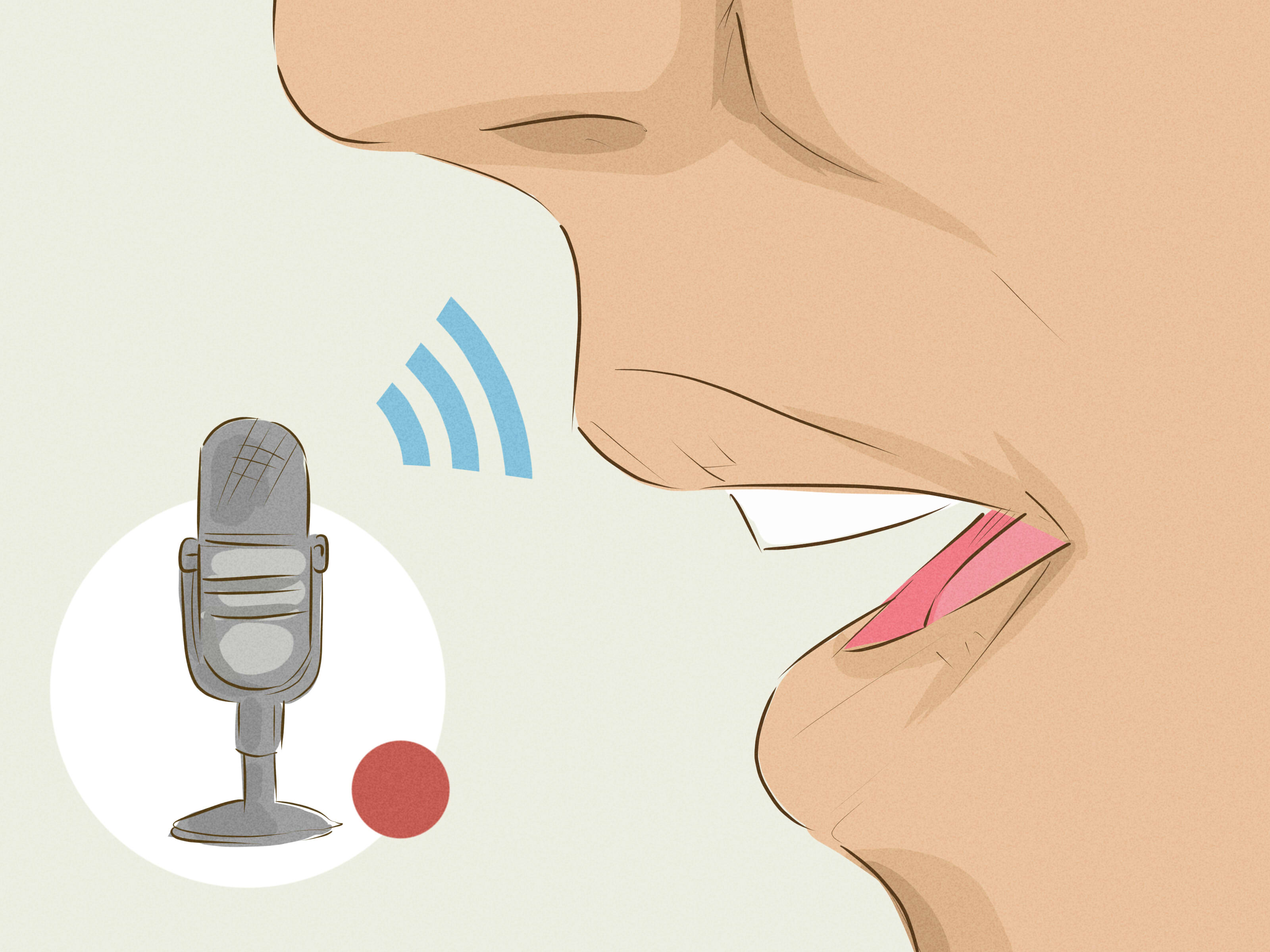
You may also record your recitation and listen back while following the mushaf. People often notice hesitations and pronunciation errors in a recording that they missed while reciting.
These techniques should supplement oral recitation, not replace it. The Qur’an is learned through correct reading and transmission, so written testing and recordings are most effective when combined with regular recitation to a teacher.
12. Follow a Spaced Review Schedule
Review is the part of memorization that turns a new ayah into a lasting one. Instead of repeating a passage heavily on one day and abandoning it for a month, revisit it at increasing intervals.
A practical schedule might include review later the same day, the following day, three days later, one week later, two weeks later, and monthly afterward. Difficult passages can return more frequently, while strong passages may be reviewed at wider intervals.
Divide review into three categories:
- New memorization: The ayahs learned today.
- Recent review: Material memorized during the past several days or weeks.
- Old review: Earlier surahs and passages that must remain fluent.
Scientific studies of memory support this traditional emphasis on distributed review. Spaced practice generally perial into one concentrated session. citeturn598459search19turn598459search31turn598459search42
13. Use the Ayahs in Salah and Protect Your Routine
Recite newly memorized ayahs in voluntary prayers once your reading is accurate. Salah creates meaningful retrieval opportunities and places the verses within worship rather than leaving them confined to a study session.
Continue reciting to your teacher, a reliable study partner, or a family member who reads accurately. Periodic testing reveals weak areas before they become major gaps. Technology may also help hide text, replay selected ayahs, organize review, or flag possible mistakes, but human correction remains especially important for tajwid.
Finally, protect your physical ability to learn. Eat sensibly, manage stress, take breaks, and sleep adequately. Sleep contributes to the consolidation of recere with memory formation and recall. citeturn598459search8turn598459search20turn598459search43
A Simple Daily Qur’an Memorization Routine
The following 30-minute structure can help a beginner build a manageable habit:
- Five minutes: Recite older memorization without looking.
- Five minutes: Review the portion memorized during the previous week.
- Three minutes: Read the translation and identify the meaning of today’s ayah.
- Seven minutes: Listen and recite while looking at the mushaf.
- Seven minutes: Recite without looking and correct mistakes.
- Three minutes: Connect the new ayah to the previous passage and record your progress.
This routine can be shortened or expanded. The essential point is to reserve meaningful time for review instead of giving every available minute to new memorization.
Common Qur’an Memorization Mistakes
Memorizing More Than You Can Review
Adding pages may feel exciting, but weak retention eventually creates frustration. Reduce the new portion whenever your review begins consuming more time than you can consistently provide.
Ignoring Small Pronunciation Errors
A repeated error becomes increasingly automatic. Correct mistakes immediately and recite the corrected form several times so that the right version replaces the wrong pattern.
Reviewing Only by Looking
Reading familiar text can create an illusion of mastery. Close the mushaf regularly and test your ability to retrieve the ayahs independently.
Waiting for Perfect Motivation
Motivation is welcome, but it is not known for punctual attendance. A fixed routine keeps you moving on ordinary days when inspiration is busy elsewhere.
Comparing Your Speed with Other Students
Age, Arabic fluency, schedule, health, teaching quality, and previous experience all affect progress. Compare today’s performance with your own earlier performance, not with someone else’s highlight reel.
Experience-Based Lessons from the Hifz Journey
The following observations reflect experiences frequently described by Qur’an students and teachers rather than a claim of personal experience. One of the first surprises for many learners is that memorization ability changes from day to day. A passage that enters the memory smoothly on Monday may resist every attempt on Tuesday. This does not necessarily mean the learner has become less capable overnight. Fatigue, anxiety, distractions, unfamiliar vocabulary, and the structure of the ayahs can all affect a session.
Students often discover that shorter, daily practice produces better results than occasional marathon sessions. A learner may spend two hours memorizing on the weekend, feel wonderfully productive, and then forget much of the passage by Wednesday. Another student may practice for only 20 minutes each morning but review faithfully every day. After several months, the second routine is often more stable because it repeatedly strengthens access to the material.
Another common experience is the “familiar but unavailable” ayah. The student recognizes every word when looking at the page but cannot recite the passage independently. This is usually a sign that reading has replaced retrieval. Closing the mushaf can feel uncomfortable because it reveals weaknesses immediately, but that discomfort is useful. It turns a vague feeling of familiarity into specific information: the opening is weak, the transition is missing, or two similar endings are being confused.
Learners also report that understanding the meaning changes the emotional quality of memorization. Before studying the translation, an ayah may feel like a difficult chain of sounds. After learning the theme and context, the sequence becomes more logical. Commands lead to consequences, questions lead to answers, and stories unfold in recognizable stages. The student is no longer holding isolated words but following a meaningful path.
Reciting to a teacher can be humbling. A student may arrive confident, begin reciting, and discover that three vowel errors, two missed elongations, and one accidental leap to another surah have joined the session. Yet this correction is a gift. Private practice builds familiarity, while supervised recitation protects accuracy. Over time, regular correction also trains the learner to hear personal mistakes more clearly.
Plateaus are another normal part of the journey. Early progress may feel rapid because short surahs become familiar quickly. Later, longer passages and similar ayahs demand more review. Some students interpret this slowdown as failure and quit just when their method needs adjustment. Reducing the daily portion, increasing revision, changing the time of study, or requesting guidance from a teacher can restore stability.
Many learners eventually realize that forgetting is not proof that the effort was wasted. Forgetting is a signal to return. An ayah re-memorized carefully may become stronger than it was during the first attempt because the student now recognizes its difficult words and transitions. The practical response is not panic but diagnosis: identify where the recitation breaks, repair that section, connect it to the surrounding ayahs, and schedule another review.
The most encouraging experience is noticing that consistent contact gradually changes one’s relationship with the Qur’an. Ayahs begin appearing in prayer, conversation, reflection, and moments of difficulty. A familiar passage may take on new meaning because of an experience at work, at home, or in the community. At that point, memorization is no longer merely the storage of text. It becomes a continuing form of companionship, reflection, and worship.
Conclusion
Learning how to memorize ayahs from the Qur’an requires more than repeating a page until it sounds familiar. Strong hifz is built through sincere intention, accurate recitation, manageable goals, focused repetition, active recall, meaningful understanding, and continuous review.
Begin with a small portion and protect it carefully. Recite to a teacher, connect each ayah to the next, review at spaced intervals, and use strong passages in salah. When you forget, return without embarrassment. When progress slows, adjust the plan rather than abandoning the goal.
The most sustainable routine is not the most impressive one. It is the routine you can continue with sincerity and care. One accurately memorized ayah, reviewed faithfully and understood thoughtfully, is genuine progress.












