
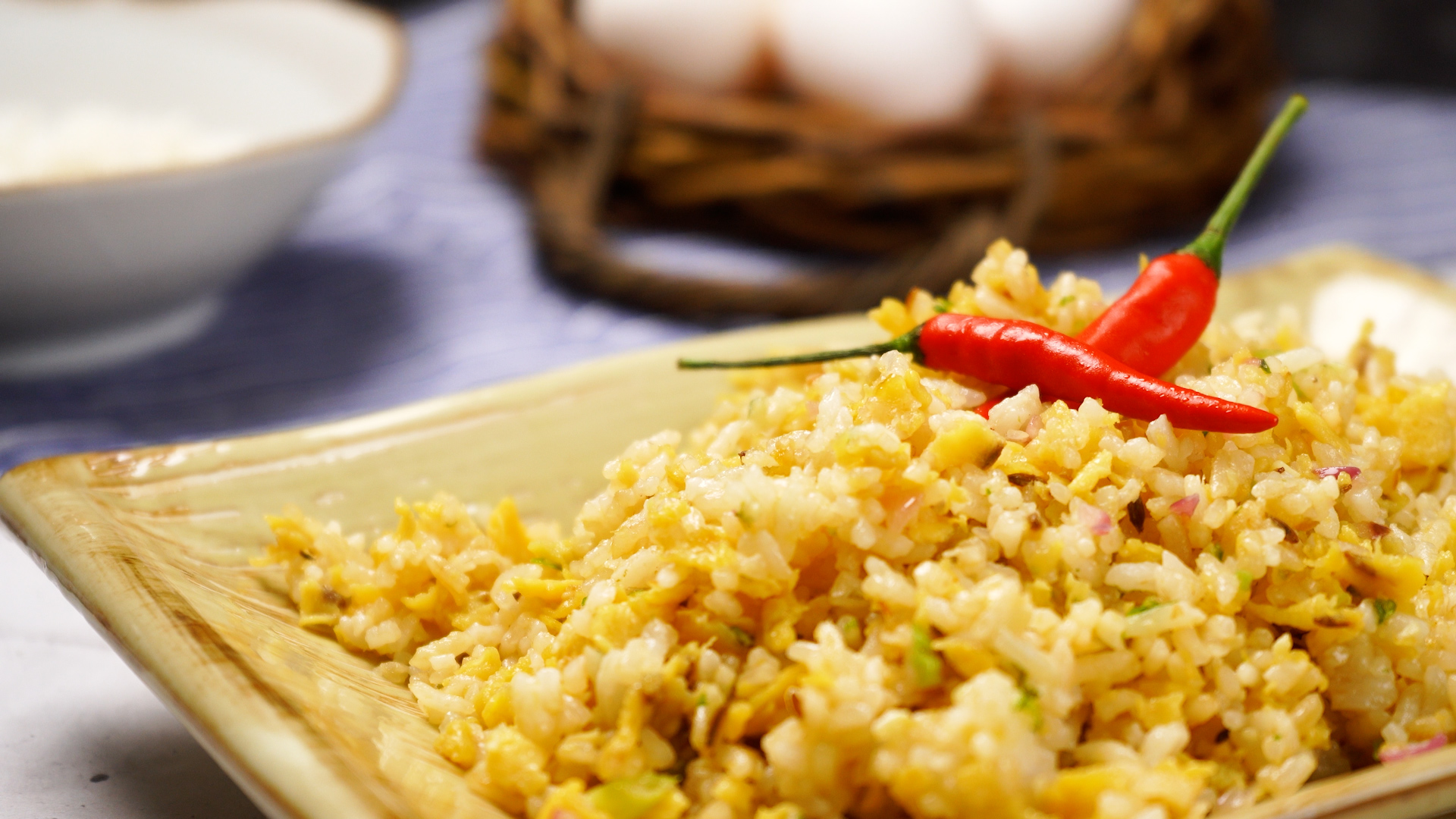
Egg-fried rice is the kitchen equivalent of finding a $20 bill in an old jacket: simple, thrilling, and suddenly dinner feels possible. With a few eggs, a bowl of leftover rice, and a hot pan, you can turn humble ingredients into a fast, comforting meal that tastes like it came from your favorite takeout spotminus the mystery container lurking in the fridge.
The beauty of egg-fried rice is that it is both forgiving and technical. It forgives you for using frozen peas, last night’s rice, or the final two scallions rolling around your crisper drawer like tiny green tumbleweeds. But it also rewards good technique: cold rice, high heat, quick movement, and seasoning that enhances instead of drowning the dish. Once you understand the basic method, you can make classic egg-fried rice, vegetable-loaded fried rice, or golden egg-fried rice with confidence.
This guide breaks down exactly how to make egg-fried rice, including three delicious recipes, practical cooking tips, ingredient swaps, and real kitchen experience from the “why is my rice mushy?” trenches. Grab a skillet or wok, loosen your rice clumps, and let’s make dinner behave.
What Makes Great Egg-Fried Rice?
Great egg-fried rice is not just rice with eggs tossed in and wished well. The best version has separate grains, fluffy bits of egg, savory seasoning, and a lightly toasted aroma. The rice should taste rich but not greasy, seasoned but not salty, and satisfying enough to eat straight from the pan while pretending you were “just checking the flavor.”
Use Cold, Cooked Rice
Cold leftover rice is the secret weapon. When cooked rice sits in the refrigerator, the grains firm up and dry slightly, which helps them separate in the pan. Freshly cooked rice contains more moisture and can turn gummy when stir-fried. If you only have fresh rice, spread it on a baking sheet and chill it uncovered for at least 30 minutes. Is day-old rice best? Yes. Is it mandatory? No. Egg-fried rice is not here to judge your schedule.
Cook Hot and Fast
Fried rice should sizzle. A hot wok or large skillet gives the rice a lightly toasted edge and helps vegetables cook without releasing too much moisture. If the pan is crowded or the heat is too low, the dish steams instead of fries. That is how you end up with rice pudding wearing a soy sauce costume.
Go Easy on the Sauce
Soy sauce, sesame oil, oyster sauce, white pepper, and rice vinegar can all add flavor, but too much liquid makes fried rice heavy. Add sauces around the edge of the hot pan when possible so they sizzle before coating the rice. This tiny move gives deeper flavor and helps avoid soggy patches.
Prep Everything Before Cooking
Egg-fried rice moves quickly. Chop the scallions, beat the eggs, measure the soy sauce, and break up rice clumps before turning on the heat. Once the pan is hot, there is no peaceful pause for peeling garlic. There is only chaos, smoke, and your spoon hiding under a cutting board.
Recipe 1: Classic Egg-Fried Rice with Scallions
This is the essential version: eggs, rice, scallions, soy sauce, and a little sesame oil. It is quick, fragrant, and perfect as a side dish or light meal. Use it as your master recipe before experimenting with vegetables, shrimp, chicken, tofu, or spicy add-ins.
Ingredients
- 3 cups cold cooked white rice, preferably day-old
- 3 large eggs, lightly beaten
- 2 tablespoons neutral oil, such as canola, peanut, or avocado oil
- 3 scallions, thinly sliced, whites and greens separated
- 2 cloves garlic, minced
- 1 tablespoon low-sodium soy sauce, plus more to taste
- 1 teaspoon toasted sesame oil
- 1/4 teaspoon white pepper or black pepper
- Salt, only if needed
Instructions
- Break up the cold rice with clean hands or a fork. Separate any large clumps so the rice can fry evenly.
- Heat a wok or large nonstick skillet over medium-high to high heat. Add 1 tablespoon oil and swirl to coat.
- Add the beaten eggs. Stir gently until softly scrambled and just set. Transfer the eggs to a plate.
- Add the remaining oil to the pan. Stir-fry the scallion whites and garlic for 20 to 30 seconds, just until fragrant.
- Add the rice. Press it into the pan, then toss and stir-fry for 2 to 4 minutes until hot and slightly toasted.
- Drizzle soy sauce around the edge of the pan. Toss quickly so every grain gets a light coating.
- Return the eggs to the pan. Add sesame oil, pepper, and scallion greens. Toss for 30 seconds.
- Taste and adjust seasoning. Serve hot.
Why This Recipe Works
Cooking the eggs first keeps them tender and visible instead of turning them into invisible yellow confetti. Adding the rice after the aromatics lets the garlic and scallion whites perfume the oil. Finishing with scallion greens adds freshness, while sesame oil at the end keeps its nutty flavor from disappearing under high heat.
Recipe 2: Vegetable Egg-Fried Rice for Busy Weeknights
This vegetable egg-fried rice is the hero of tired weeknights. It uses frozen vegetables, pantry sauces, and leftover rice to create a colorful, filling meal in less time than it takes to debate whether ordering delivery counts as “supporting the economy.”
Ingredients
- 3 cups cold cooked rice, white or brown
- 3 large eggs, beaten
- 2 tablespoons neutral oil
- 1 small onion, diced
- 1 cup frozen peas and carrots
- 1/2 cup corn kernels, frozen or canned and drained
- 1/2 cup diced bell pepper
- 2 cloves garlic, minced
- 1 teaspoon grated fresh ginger
- 1 1/2 tablespoons low-sodium soy sauce
- 1 teaspoon oyster sauce or vegetarian mushroom sauce, optional
- 1 teaspoon toasted sesame oil
- 2 scallions, sliced
- Chili crisp, sriracha, or crushed red pepper, optional
Instructions
- Break up the cold rice and set it near the stove with all vegetables and sauces ready.
- Heat 1 tablespoon oil in a large skillet or wok over medium-high heat. Add eggs and scramble until just set. Remove to a plate.
- Add the remaining oil. Add onion and bell pepper. Stir-fry for 2 minutes until slightly softened.
- Add peas, carrots, corn, garlic, and ginger. Stir-fry for 1 to 2 minutes until hot and fragrant.
- Add the rice. Stir-fry for 3 to 5 minutes, pressing the rice against the pan occasionally so it lightly toasts.
- Add soy sauce and oyster sauce. Toss well, keeping the rice moving so the sauce does not pool.
- Return the eggs to the pan. Add sesame oil and scallions. Toss until everything is evenly mixed.
- Serve with chili crisp or hot sauce if you like a little drama.
Smart Vegetable Swaps
Frozen peas and carrots are classic because they cook quickly and add color. But egg-fried rice is also excellent with broccoli florets, shredded cabbage, diced zucchini, mushrooms, edamame, kale, or green beans. The key is cutting vegetables small so they cook fast. Watery vegetables, such as zucchini or mushrooms, should be cooked until their moisture evaporates before adding rice.
Make It a Full Meal
To turn vegetable egg-fried rice into a complete dinner, add cooked chicken, shrimp, tofu, diced ham, or edamame. Add cooked proteins after the rice is hot so they warm through without overcooking. For a vegetarian version, use mushroom sauce instead of oyster sauce and add crispy tofu or extra eggs.
Recipe 3: Golden Egg-Fried Rice with Garlic and Soy
Golden egg-fried rice coats the rice grains with egg yolk before cooking, giving the dish a beautiful yellow color and a rich, almost buttery texture. It looks fancy, but the method is surprisingly simple. This is the recipe to make when you want fried rice that says, “I have skills,” even if your sink currently says, “No, you do not.”
Ingredients
- 3 cups cold cooked jasmine rice or medium-grain white rice
- 4 large eggs, yolks and whites separated
- 2 tablespoons neutral oil
- 2 cloves garlic, minced
- 2 scallions, thinly sliced
- 1 tablespoon light soy sauce
- 1/2 teaspoon kosher salt, plus more to taste
- 1/4 teaspoon white pepper
- 1 teaspoon toasted sesame oil
- Optional: 1/2 cup diced cooked bacon, ham, or mushrooms
Instructions
- Place the cold rice in a mixing bowl. Add the egg yolks and gently mix until the grains are evenly coated and golden.
- Beat the egg whites lightly with a pinch of salt.
- Heat 1 tablespoon oil in a wok or large skillet over medium-high heat. Add the egg whites and scramble until set. Transfer to a plate and chop into small pieces if needed.
- Add the remaining oil to the pan. Add garlic and the white parts of the scallions. Stir-fry for about 20 seconds.
- Add the yolk-coated rice. Stir-fry for 3 to 5 minutes, breaking up clumps and letting the grains toast lightly.
- Add soy sauce, salt, and white pepper. Toss thoroughly.
- Return the cooked egg whites to the pan. Add sesame oil and scallion greens. Stir-fry for 30 seconds.
- Serve immediately, preferably in a bowl large enough to make you feel emotionally supported.
Why Golden Fried Rice Tastes Different
Coating rice with egg yolk before frying gives each grain a richer flavor and a glossy texture. The egg whites are cooked separately, so the final dish has both golden rice and soft pieces of egg. This recipe is especially good when you want egg-fried rice to be the star instead of a side dish.
Food Safety Tips for Egg-Fried Rice
Because egg-fried rice often uses leftovers, safe storage matters. Cooked rice should not sit at room temperature for hours. Cool it quickly, store it in a shallow airtight container, and refrigerate it promptly. When reheating rice in fried rice, make sure it becomes steaming hot throughout.
Eggs should be cooked until they are set, not runny. In fried rice, that means scrambling them until firm and then returning them to the hot pan only long enough to combine. If you are cooking for young children, older adults, pregnant people, or anyone with a weakened immune system, be extra careful with egg and rice storage.
Common Egg-Fried Rice Mistakes and How to Fix Them
Mistake 1: The Rice Turns Mushy
Mushy fried rice usually means the rice was too wet, the pan was not hot enough, or too much sauce was added. Use cold rice, cook over higher heat, and add sauce gradually. If your rice is fresh, chill it uncovered before frying.
Mistake 2: The Eggs Disappear
If eggs vanish into the rice, they were probably added raw to a pan that was too crowded or too cool. Scramble the eggs separately first, or push the rice aside and cook the eggs in an open space before mixing.
Mistake 3: The Dish Tastes Flat
Flat fried rice needs balance. Add a little more soy sauce for salt, sesame oil for aroma, white pepper for warmth, scallions for freshness, or a tiny splash of rice vinegar for brightness. Fried rice should taste lively, not like a spreadsheet.
Mistake 4: The Vegetables Make It Watery
Cook vegetables before adding rice, especially mushrooms, zucchini, cabbage, or fresh greens. Let extra moisture evaporate. Frozen vegetables should go directly into the hot pan and cook until the steam dies down.
Best Add-Ins for Egg-Fried Rice
Egg-fried rice loves flexibility. For protein, try cooked shrimp, diced chicken, pork, tofu, bacon, ham, turkey, or edamame. For vegetables, use peas, carrots, corn, cabbage, mushrooms, broccoli, spinach, bell peppers, or bean sprouts. For flavor boosters, add chili crisp, kimchi, pickled chiles, garlic butter, curry powder, furikake, or a squeeze of lime.
The best rule is restraint. Too many add-ins crowd the pan and blur the flavor. Choose one protein, two or three vegetables, and one strong finishing flavor. Your fried rice should feel like a well-organized group chat, not a chaotic family reunion.
of Real Kitchen Experience: What I Learned Making Egg-Fried Rice Again and Again
The first lesson of egg-fried rice is that confidence matters, but preparation matters more. You can walk up to the stove with the swagger of a restaurant chef, but if your soy sauce is still in the pantry and your rice is sitting in one giant refrigerated brick, the pan will expose you immediately. Fried rice is fast. It does not wait while you negotiate with a clump of jasmine rice the size of a snowball.
One of the best habits is breaking up the rice before cooking. This sounds small, almost too obvious, but it changes everything. When the rice is loose before it hits the pan, it fries instead of steaming. I like using clean hands because fingers can feel hidden clumps better than a spoon. It is not glamorous, but neither is scraping gummy rice from a skillet while questioning your life choices.
Another important experience: a large pan beats a tiny pan every time. Many home cooks try to make four servings of fried rice in a small skillet, then wonder why it tastes soft and heavy. Rice needs surface area. If the pan is crowded, divide the recipe into two batches. Yes, it takes a few extra minutes, but the payoff is huge. The grains toast, the vegetables stay colorful, and the final dish tastes intentional rather than accidental.
Egg timing also makes a big difference. When I want fluffy, obvious pieces of egg, I scramble them first and add them back at the end. When I want a richer, more integrated flavor, I use the golden fried rice method and coat the rice with yolks. Both methods are good; they just create different personalities. Classic egg-fried rice is casual and quick. Golden fried rice is the friend who arrives overdressed but somehow improves the party.
Seasoning is where many batches go wrong. Soy sauce is essential, but it should not be the only voice in the room. A little sesame oil at the end adds aroma. White pepper brings gentle heat. Scallions brighten the dish. Garlic gives depth. If the rice tastes salty but still boring, do not keep adding soy sauce. Add freshness, acidity, spice, or texture instead.
Finally, egg-fried rice is best when you treat the recipe as a method, not a commandment. Leftover roasted vegetables? Add them. A handful of spinach? Toss it in. One lonely cooked chicken thigh? Dice it and give it a second career. The pan is a stage, and leftovers are auditioning. Some will become stars. Some, like watery cucumber, should remain in the salad department.
The more you make egg-fried rice, the more instinctive it becomes. You learn the sound of rice frying properly, the smell of garlic just before it browns, and the moment when the eggs are set but still tender. That is the real magic: not a secret ingredient, but repetition. A hot pan, cold rice, a few eggs, and a little practice can turn leftovers into something you actually look forward to eating.
Conclusion
Learning how to make egg-fried rice is less about memorizing one strict recipe and more about mastering a flexible cooking rhythm. Start with cold cooked rice, use a hot pan, cook the eggs properly, add sauce with restraint, and finish with fresh aromatics. Once those basics are in place, you can make classic scallion egg-fried rice, vegetable-packed weeknight fried rice, or golden egg-fried rice that looks restaurant-worthy.
Whether you are rescuing leftovers, feeding a busy family, or making a quick lunch between meetings, egg-fried rice delivers big flavor with simple ingredients. It is fast, affordable, customizable, and deeply satisfyingthe kind of dish that proves dinner does not need to be complicated to be excellent. And if you eat it straight from the pan, technically that is fewer dishes. Efficiency counts.












