
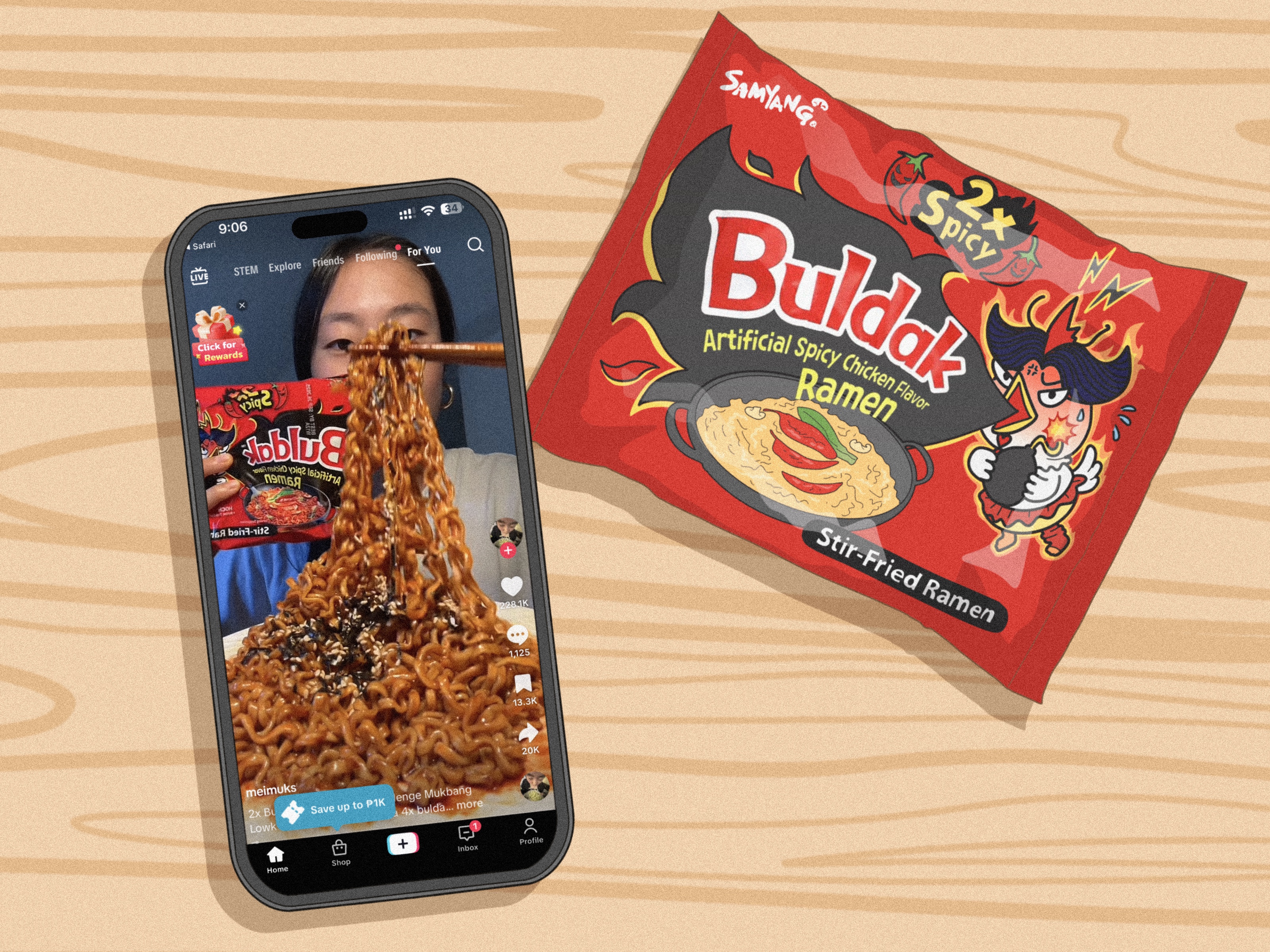
Buldak ramen has a reputation. It does not politely knock on your taste buds; it kicks the door open wearing flame-print sneakers. The chewy noodles, glossy sauce, savory chicken-style flavor, and dramatic chili heat are exactly why people love it. But sometimes “deliciously spicy” turns into “why did I challenge a volcano to lunch?”
The good news: you do not have to throw away your bowl, surrender your dignity, or eat plain crackers for the rest of the day. Learning how to make Buldak ramen less spicy is mostly about understanding one simple thing: the heat comes from capsaicin-rich chili ingredients in the sauce, and capsaicin behaves better when it meets fat, dairy, starch, sweetness, and dilution.
This complete guide explains how to tame Buldak noodles while keeping the flavor bold, creamy, savory, and satisfying. Whether you are eating Original, Carbonara, Cheese, 2X Spicy, or another fiery member of the Buldak family, these tips will help you build a bowl that tastes exciting instead of emotionally suspicious.
Why Is Buldak Ramen So Spicy?
Buldak ramen is not regular instant ramen with a tiny chili sprinkle. It is designed as a spicy stir-fried noodle dish. The sauce often includes chili pepper ingredients, chili oils, soy sauce, sugar, garlic, onion, and savory flavor boosters. That is why the packet tastes spicy, salty, slightly sweet, and deeply umami all at once.
The main “burn” comes from capsaicin and related chili compounds. Capsaicin is not water-soluble, which is why chugging water after a spicy bite often feels like sending a tiny fire truck with no hose. Water spreads the sensation around but does not remove the oily chili compound very well. Fat, dairy proteins, starches, and creamy ingredients do a much better job of calming the heat.
The Fastest Way to Make Buldak Ramen Less Spicy
The easiest method is simple: use less sauce and add creamy ingredients. If you are new to Buldak, do not squeeze the entire sauce packet into the noodles like you are signing a contract with chaos. Start with half, stir, taste, and then add more only if you want extra heat.
Quick Mild Buldak Formula
For one pack of Buldak ramen, cook the noodles as directed, drain most of the water, then stir in:
- One-half to two-thirds of the spicy sauce packet
- Two to four tablespoons of milk, cream, or evaporated milk
- One slice of American cheese, mozzarella, or mild cheddar
- One egg, cooked or stirred in while hot
- A small knob of butter, if you want extra richness
This version still tastes like Buldak, but the sauce becomes rounder, creamier, and less aggressive. Think “spicy comfort food” instead of “mouth lava internship.”
12 Best Ways to Make Buldak Ramen Less Spicy
1. Use Only Part of the Sauce Packet
This is the most obvious fix, but also the most important. The sauce packet is where most of the heat lives. However, it also contains much of the flavor, so skipping it completely can leave the noodles tasting flat. A better strategy is to use less sauce and replace the missing flavor with other savory ingredients.
For beginners, start with one-third of the packet. For medium spice, use half. For people who enjoy heat but still want to remain friends with their tongue, use about two-thirds. Save the rest of the sauce in the fridge and use a few drops later in fried rice, soup, eggs, or dipping sauce.
2. Add Milk or Cream
Dairy is one of the best ways to reduce the spicy burn in Buldak ramen. Milk, half-and-half, heavy cream, or evaporated milk can soften the sauce and make the noodles taste more like a creamy Korean-style pasta.
After draining the noodles, add two to four tablespoons of milk or cream before stirring in the sauce. If the ramen becomes too loose, keep tossing it in the hot pan for a minute so the sauce thickens. The goal is glossy noodles, not noodle soup wearing a spicy disguise.
3. Melt in Cheese
Cheese is a classic Buldak upgrade for a reason. It adds fat, salt, creaminess, and a comforting flavor that balances the chili heat. American cheese melts smoothly, mozzarella gives you that stretchy noodle-pull moment, and cheddar adds a sharper flavor.
One slice of cheese is usually enough for one pack. If you are using Buldak 2X Spicy or you accidentally added the whole sauce packet, two slices may be necessary. Nobody is judging. This is a rescue mission.
4. Stir in an Egg
Egg makes Buldak ramen richer and more filling while softening the spice. You can add a fried egg on top, mix in a soft-boiled egg, or stir a beaten egg into the hot noodles off the heat for a creamy texture.
For the creamiest result, cook the noodles, drain them, turn the heat low, then add sauce, a splash of milk, and one beaten egg. Stir quickly until the egg thickens the sauce. Do not blast the heat unless you want scrambled egg confetti.
5. Add Butter or Sesame Oil
A small amount of fat can help mellow the sharpness of the chili. Butter gives the noodles a rich, almost restaurant-style flavor. Sesame oil adds nuttiness and works beautifully with the existing Korean-inspired flavor profile.
Use about one teaspoon of butter or sesame oil per pack. Too much oil can make the noodles feel heavy, so start small. You can always add more, but you cannot easily remove a butter lake.
6. Add More Noodles or Rice Cakes
Dilution is your friend. If the sauce is too spicy, add more food for it to coat. Plain cooked ramen noodles, udon, rice cakes, pasta, or even leftover rice can stretch the sauce and reduce the heat per bite.
This is especially useful if you already mixed in the full sauce packet. Add a second portion of plain noodles or a cup of cooked rice cakes, then toss everything together. The flavor stays bold, but each bite becomes less intense.
7. Add Vegetables
Vegetables make Buldak ramen more balanced and less overwhelming. Cabbage, corn, mushrooms, spinach, bok choy, carrots, peas, and green onions all work well. Corn is especially helpful because its sweetness naturally softens the heat.
For a quick upgrade, toss frozen corn or peas into the boiling water during the last minute of cooking. For more texture, stir-fry cabbage and mushrooms before adding the noodles. Vegetables do not erase spice completely, but they break up the intensity so every bite is not a chili-only event.
8. Add Protein
Protein turns Buldak from a snack into a meal and helps spread the heat across more ingredients. Try grilled chicken, tofu, shrimp, canned tuna, rotisserie chicken, or a fried egg. Mild proteins are best because they absorb sauce without competing with it.
If you want a creamy version, add diced chicken and mozzarella. If you want a lighter bowl, use tofu, spinach, and a smaller amount of sauce. The more ingredients you add, the less concentrated the spice becomes.
9. Add a Little Sugar or Honey
Sweetness does not remove capsaicin, but it balances perception. A small pinch of sugar or a drizzle of honey can make spicy food taste rounder and less harsh. Buldak sauce already has some sweetness, so do not overdo it.
Start with one-half teaspoon of sugar or honey. Stir, taste, and adjust. The goal is balance, not dessert ramen. Unless dessert ramen is your thing, in which case we need a separate meeting.
10. Use Acid Carefully
A few drops of lime juice or rice vinegar can brighten Buldak ramen and make the sauce feel less heavy. Acid works best when the bowl is rich from cheese, butter, egg, or cream. It cuts through the richness and keeps the flavor lively.
Use acid lightly. Too much vinegar can make the noodles taste sharp and strange. Start with a tiny splash, stir, and taste. If the ramen suddenly tastes fresher, you did it right.
11. Choose a Creamier Buldak Flavor
If Original Buldak is too intense, try creamier varieties such as Carbonara, Cream Carbonara, Cheese, or Quattro Cheese. These versions are still spicy, but their creamy and cheesy elements make the heat feel smoother.
That said, “less spicy” does not mean “not spicy.” Buldak is still Buldak. If your spice tolerance is low, use half the sauce even with the creamier flavors. Your future self will send a thank-you card.
12. Turn It Into a Soup-Style Bowl
Buldak is usually prepared as stir-fried noodles, but you can make it gentler by turning it into a creamy soup. Add milk, broth, or a mix of both to the cooked noodles and sauce. This dilutes the heat and creates a cozy spicy noodle soup.
Try one cup of milk plus one-half cup of low-sodium chicken broth. Add half the sauce packet, stir in cheese, and top with green onions. The result is still flavorful, but far less fiery than the dry version.
Best Mild Buldak Ramen Recipe
This recipe keeps the signature Buldak taste while making the spice level friendlier for normal humans.
Ingredients
- 1 pack Buldak ramen
- 1/2 packet spicy sauce, or more to taste
- 3 tablespoons milk or cream
- 1 slice American cheese or 1/4 cup shredded mozzarella
- 1 egg
- 1 teaspoon butter
- 1/4 cup corn or chopped cabbage
- Green onions and sesame seeds for topping
Instructions
- Boil the noodles according to the package directions until chewy.
- Reserve a few tablespoons of noodle water, then drain the noodles.
- Return noodles to the pan over low heat.
- Add butter, milk, and half the sauce packet. Stir well.
- Add cheese and stir until melted.
- Crack in an egg or top with a fried egg.
- Add corn or cabbage and toss until everything is glossy.
- Taste before adding more sauce.
- Finish with green onions and sesame seeds.
The result is creamy, chewy, spicy, savory, and much easier to enjoy. You still get the Buldak personality, just with fewer emergency napkins.
What Not to Do When Buldak Ramen Is Too Spicy
Do Not Drink Only Water
Water may cool your mouth for two seconds, but it does not work well against oily chili compounds. Milk, yogurt drinks, bread, rice, or other starchy foods are usually more helpful.
Do Not Add the Whole Sauce Packet Automatically
The full packet is not a legal requirement. You are allowed to customize your lunch. Add sauce gradually, especially with 2X Spicy or any flavor you have never tried before.
Do Not Eat It as a Challenge
Spicy food should be enjoyable, not a dare that ruins your afternoon. If your stomach hurts, your face feels overheated, or you feel uncomfortable, stop eating. There is no trophy for suffering through noodles.
How to Make Buldak Less Spicy Without Dairy
If you avoid dairy, you still have options. Use coconut milk, oat milk, soy milk, or unsweetened cashew cream. Coconut milk works especially well because it adds fat and sweetness. Just avoid strongly vanilla-flavored plant milks unless you want your ramen to taste like a candle store got into a fight with a chili pepper.
You can also add peanut butter or tahini. Start with one teaspoon, stir it into the sauce, and taste. Peanut butter creates a nutty, creamy, spicy sauce that pairs well with green onions, sesame seeds, and a squeeze of lime.
How to Keep the Flavor While Reducing the Heat
The biggest mistake people make is removing too much sauce and adding nothing back. Since the Buldak sauce contains heat and flavor, using less sauce can also reduce the savory punch. To fix this, replace some flavor with gentle ingredients.
Add a splash of soy sauce for saltiness, a pinch of garlic powder for depth, a little sugar for balance, and sesame oil for aroma. You can also add chicken broth powder, mushroom seasoning, or a spoonful of mild pasta sauce for a fusion version.
The secret is not to make Buldak bland. The secret is to move it from “flaming meteor” to “delicious spicy noodle bowl.”
Is Buldak Ramen Healthy?
Buldak ramen is tasty and convenient, but it is still instant ramen. It can be high in sodium and is best enjoyed in moderation. To make it more balanced, use less sauce, add vegetables, include protein, and avoid eating multiple packs at once.
If you are sensitive to spicy food, have frequent heartburn, or notice stomach discomfort after eating very hot foods, choose a milder preparation. Food should make your day better, not turn your digestive system into a dramatic weather report.
Extra Experience: What Actually Works When You Are Standing in the Kitchen Panicking
Here is the real-life version of making Buldak ramen less spicy: you usually discover the problem one bite too late. The noodles look perfect. The sauce is shiny. The smell is amazing. You take a confident bite, and suddenly your brain opens seventeen browser tabs labeled “milk,” “regret,” and “why am I sweating indoors?”
In that moment, the best move is not to panic. First, stop adding sauce. If you have already mixed in the whole packet, do not throw the noodles away. Add volume. A second block of plain noodles, leftover rice, rice cakes, or even cooked pasta can rescue the bowl. The sauce may be powerful, but it has limits. Spread it over more food and it becomes less concentrated.
Next, add creaminess. In my experience, the most reliable emergency fix is milk plus cheese. A splash of milk loosens the sauce, and cheese turns it silky. American cheese melts fastest, mozzarella makes it fun, and cream cheese makes it thick and rich. If you only have butter, use butter. If you only have an egg, use an egg. Almost any rich ingredient is better than arguing with pure chili sauce.
Another useful trick is adding corn. Corn sounds too simple, but it works beautifully. It adds sweetness, texture, and little juicy breaks between spicy bites. Cabbage is another hero because it absorbs sauce while staying mild. Mushrooms add savory depth, and spinach makes the bowl feel slightly more responsible, which is nice when lunch looks like it came from a fire-breathing dragon.
If the ramen still burns too much, turn it into soup. Add milk, broth, or both. Dry Buldak hits harder because the sauce clings directly to every noodle. A soupier version spreads the heat through liquid and makes each bite softer. It may not be the traditional stir-fried style, but it can be delicious, especially with egg and green onions.
The most important lesson is to treat the sauce packet like a volume knob, not an on-off switch. Start low, taste, and increase. People with high spice tolerance may enjoy the whole packet. People with medium tolerance may prefer half. People who think black pepper is “getting wild” should start with a third and keep dairy nearby.
Over time, you will find your perfect Buldak style. Maybe it is Carbonara with half sauce and extra mozzarella. Maybe it is Original with egg, cabbage, and sesame oil. Maybe it is Cheese Buldak turned into creamy soup. There is no single correct bowl. The correct bowl is the one you actually enjoy eating without making dramatic eye contact with the refrigerator.
So yes, Buldak ramen can be made less spicy. Better yet, it can be made more flavorful, more filling, and more customized. The fire is part of the fun, but you are allowed to install a dimmer switch.
Conclusion
Making Buldak ramen less spicy is all about balance. Use less sauce, add dairy or creamy alternatives, include extra noodles or vegetables, and build flavor back with cheese, egg, sesame oil, garlic, or a touch of sweetness. You do not have to choose between flavor and comfort. With the right tricks, Buldak can stay bold, chewy, and exciting without turning every bite into a survival documentary.












