
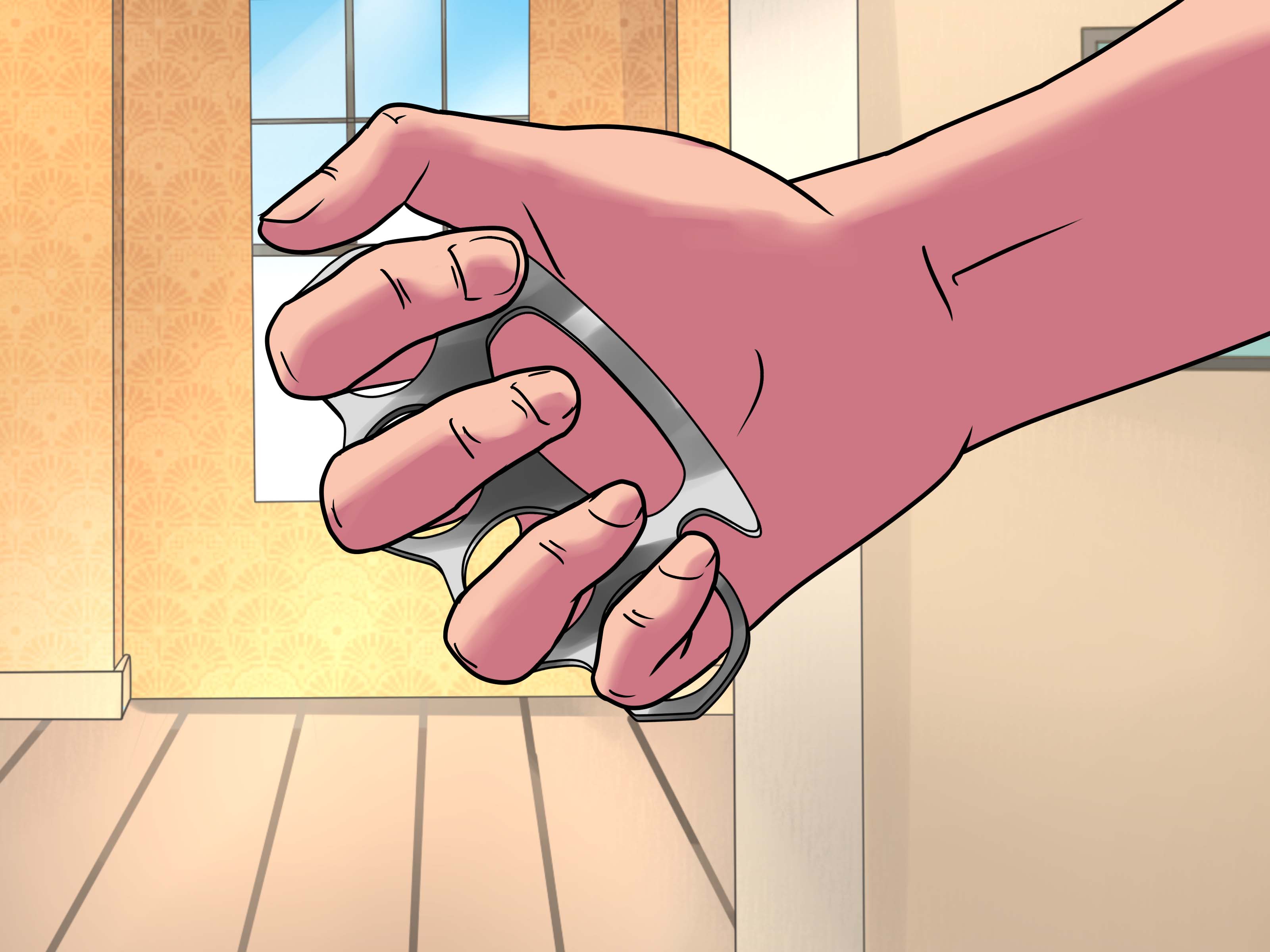
Important note: This article does not provide instructions for making brass knuckles. Brass knuckles, metal knuckles, plastic knuckles, and similar hand-held impact weapons are restricted or illegal in many places. Instead, this guide explains the legal, safety, and practical steps readers should understand before searching for “how to make brass knuckles,” plus safer alternatives for personal protection, collecting, costume design, and prop-making.
Searches for how to make brass knuckles often come from curiosity. Maybe someone saw them in an old movie, found a questionable “novelty” item online, or wondered whether a metalworking project could become a rugged conversation piece. But brass knuckles are not ordinary crafts. They are designed to increase the force of a punch, which can cause severe injury and serious legal consequences. In other words, this is not the kind of weekend project that belongs between “build a birdhouse” and “make sourdough without crying.”
If your goal is self-defense, costume design, prop work, historical collecting, or learning about metal objects, there are safer and smarter paths. This guide walks through 13 responsible steps that help you stay informed, avoid legal trouble, and choose non-weapon alternatives that do not put you or others at risk.
Why You Should Not Make Brass Knuckles
Brass knuckles are commonly classified as weapons because they concentrate force over a small area of the hand. A punch with a hard object can injure the other person and also damage the user’s hand. Medical sources describe hand fractures, including so-called boxer’s fractures, as common injuries caused by direct trauma such as punching a hard object. Symptoms may include pain, swelling, bruising, deformity, numbness, and difficulty moving the fingers.
There is also the legal issue. In some states, manufacturing, possessing, selling, importing, lending, or carrying metal knuckles may be prohibited. In other states, the rules may vary depending on whether the item is concealed, used in a crime, carried in a restricted location, or made from metal, plastic, or another hard material. The law can change quickly, and local ordinances may add more restrictions. Translation: “I saw it online” is not a legal defense, no matter how confidently the internet said it.
How to Handle This Topic Responsibly: 13 Safe Steps
1. Understand What Brass Knuckles Are
Brass knuckles are hand-held devices worn across the fingers to increase the impact of a punch. Despite the name, they are not always made of brass. Some are made of steel, aluminum, plastic, resin, or other hard materials. Many laws use broader terms such as “metal knuckles,” “plastic knuckles,” or “knuckle weapons,” meaning the material and design both matter.
2. Do Not Try to Manufacture Them
The safest and most responsible step is simple: do not make them. Manufacturing a weapon may be illegal where you live, even if you never carry or use it. Some laws treat making, importing, selling, giving, or lending these items as separate offenses. A homemade version can still count as a weapon if it is designed to function like one.
3. Check Your State and Local Laws
Brass knuckle laws in the United States are not uniform. Some states prohibit possession. Some regulate carrying. Some treat them differently depending on intent or location. Cities, counties, schools, airports, courthouses, and public buildings may have stricter rules. Before owning any questionable item, check official state statutes and local regulations, or speak with a qualified attorney.
4. Do Not Assume “Novelty” Means Legal
Many items are marketed as novelty accessories, paperweights, belt buckles, keychains, or collectibles. That label does not automatically make them legal. If an object can be worn on the hand and used to amplify a strike, authorities may still treat it as a weapon. A cute shape does not magically turn a dangerous item into a desk decoration. The law is rarely impressed by adorable packaging.
5. Avoid Carrying Similar Keychains
Some self-defense keychains are shaped like cats, animals, skulls, or decorative handles. They may look harmless, but some are designed to fit around the fingers and create pointed or hardened striking surfaces. These items can be treated like knuckle weapons in certain jurisdictions and may be confiscated at security checkpoints.
6. Know the Travel Rules
The Transportation Security Administration does not allow brass knuckles in carry-on bags. TSA guidance notes that they may be placed in checked baggage, but they may still be illegal in some states. That means a traveler could pass one part of the travel process and still face problems depending on where they depart, arrive, or connect. When in doubt, leave questionable items at home.
7. Understand the Injury Risk
Hand injuries are not minor annoyances. Your hands contain small bones, tendons, nerves, blood vessels, and joints that work together like a tiny orchestra. A fracture, cut, or nerve injury can affect grip strength, finger movement, work, sports, and daily tasks. If an injury causes numbness, swelling, skin color changes, deformity, or severe pain, medical care is important.
8. Choose Legal Self-Defense Alternatives
If your real goal is personal safety, focus on lawful and non-escalating options. Examples may include situational awareness training, personal alarms, bright flashlights, whistle keychains, safety apps, and self-defense classes taught by reputable instructors. Depending on local law, some people may also consider pepper spray, but rules vary widely by state, age, size, and location.
9. Build a Personal Safety Plan
Self-defense is not just about carrying an object. A practical safety plan includes telling someone where you are going, parking in well-lit areas, keeping your phone charged, walking with confidence, trusting your instincts, and leaving situations that feel wrong. The best fight is the one you never have to explain to a doctor, a judge, or your grandmother.
10. Use Soft Props for Costumes and Film
If you need brass knuckles for a costume, theater production, film shoot, or photo project, use soft foam, rubber, cardboard, or clearly fake props that cannot function as weapons. Avoid realistic metal props in public spaces. For productions, keep props documented, transported securely, and handled under supervision. A good prop should look convincing on camera, not send anyone to urgent care.
11. Handle Collectibles Carefully
Some people are interested in brass knuckles as historical artifacts or antiques. Collecting may still involve legal risk. Laws can apply to old items, replicas, inherited pieces, and display objects. If you own an antique or inherited item, do not carry it in public. Research the law, document its origin, and consider contacting local law enforcement or an attorney about lawful disposal or storage.
12. Dispose of Illegal Items Safely
If you already have brass knuckles and believe they may be illegal, do not sell them, give them away, or travel with them. Contact local authorities or a legal professional to ask about safe surrender or disposal procedures. The goal is to avoid turning one questionable object into several questionable decisions wearing a trench coat.
13. Redirect the DIY Energy
If your interest is metalworking, there are plenty of legal projects that build useful skills without creating a weapon. Try making bottle openers, drawer pulls, coat hooks, jewelry, garden markers, key racks, custom signs, or small sculptures. These projects teach cutting, sanding, finishing, polishing, and design while keeping your workshop on the right side of common sense.
Safer DIY Alternatives to Brass Knuckles
Foam Costume Knuckle Props
For cosplay or theater, lightweight foam can create the visual shape of a dramatic prop without the function of a weapon. The safest prop should bend, compress, and clearly fail as a striking tool. Paint can create a metallic look, but the structure should remain soft and harmless.
Decorative Brass Hardware
If you like the look of brass, focus on home decor. Brass drawer pulls, cabinet handles, towel hooks, wall plates, and coat racks offer the same warm metallic style without the legal baggage. A brass hook by the entryway says “organized adult.” Brass knuckles say “possible court date.” Choose your aesthetic adventure wisely.
Historical Display Boards
For educational purposes, a display can explain the history of prohibited weapons using photos, printed diagrams, timelines, and legal summaries. Museums, classrooms, and collectors often use non-functional replicas or images to discuss the past without creating safety risks.
Self-Defense Training Tools
Training pads, focus mitts, reflex balls, jump ropes, and boxing gloves can improve fitness and confidence without creating an illegal weapon. A reputable instructor can teach stance, movement, boundary-setting, verbal de-escalation, and escape techniques. Those skills are more useful than a questionable object at the bottom of a backpack.
Common Myths About Brass Knuckles
Myth 1: They Are Legal If You Never Use Them
Not always. In some places, possession alone may be enough to create legal trouble. Intent can matter, but it is not the only factor. Manufacturing, importing, selling, or carrying may also be restricted.
Myth 2: Plastic Versions Are Safer Legally
Plastic does not automatically mean legal. Some laws specifically mention plastic knuckles, while others focus on design and use. A hard plastic striking device may still be treated as a weapon.
Myth 3: A Keychain Is Fine Because It Is Small
Size does not guarantee legality. Some compact keychain weapons are restricted because they are designed to fit between the fingers or create a striking surface.
Myth 4: They Protect Your Hand
They may actually increase the risk of injury. Punching with a hard object can still cause fractures, cuts, sprains, and joint damage. The hand is delicate, even when the internet tries to make it look indestructible.
Experience-Based Notes: What People Often Learn Too Late
Many people who search for “how to make brass knuckles” are not planning harm. They may be hobbyists, collectors, metalworkers, or costume fans. Still, this topic has a way of turning curiosity into consequences. The most common lesson is that an object does not have to be used to create problems. Just possessing or transporting it can be enough in some places.
Consider the traveler who forgets a novelty knuckle keychain in a backpack. At home, it looked like a silly accessory. At airport security, it becomes a prohibited item that can delay screening, lead to confiscation, and potentially involve law enforcement. The traveler may not have intended anything dangerous, but security rules focus on what an item can do, not how innocent the owner feels while holding a boarding pass and a breakfast sandwich.
Prop makers learn a similar lesson. A realistic metal prop may look great in a photo, but it can cause alarm in public or violate venue rules. Safer productions use foam, rubber, resin that cannot function as a weapon, or digital effects. A prop should serve the story, not create a behind-the-scenes legal subplot.
Collectors also face complications. An inherited antique may feel like a family curiosity, but old does not always mean exempt. A collector may need to research state law, document provenance, avoid public carry, and store items securely. In some cases, the most responsible decision is lawful disposal. Sentiment is understandable, but safety and legality come first.
Metalworking hobbyists have the easiest pivot. The same skills that might tempt someone toward a risky project can be used for excellent legal crafts. Polishing brass hardware, shaping decorative hooks, making custom drawer pulls, or designing small sculptures can be satisfying and marketable. You still get the shine, the craftsmanship, and the “I made this” pridewithout wondering whether your project needs a defense attorney.
People interested in self-defense often discover that tools are less important than preparation. A personal alarm, flashlight, phone, awareness, confident movement, and a plan for leaving unsafe situations are practical and low-risk. Training can help with balance, voice control, escape, and decision-making under stress. Real safety is usually boring in the best way: plan ahead, avoid escalation, and get home.
The biggest takeaway is simple. If the phrase “brass knuckles” appears in your project idea, pause. Ask what you actually want: a costume effect, a historical discussion, a self-defense plan, or a metalworking challenge. Then choose the version that does not create a weapon. Smart DIY is not just about what you can make. It is about knowing what not to make.
Conclusion
Brass knuckles may seem like a simple object, but they carry serious legal and safety concerns. Making them is not a responsible DIY project, and in many places it may be illegal. If your interest comes from self-defense, choose lawful safety tools and training. If it comes from costumes or film, use soft props. If it comes from metalworking, redirect your creativity toward decorative hardware or practical crafts. The smartest step is not learning how to make brass knucklesit is learning how to avoid the trouble they can bring.











