
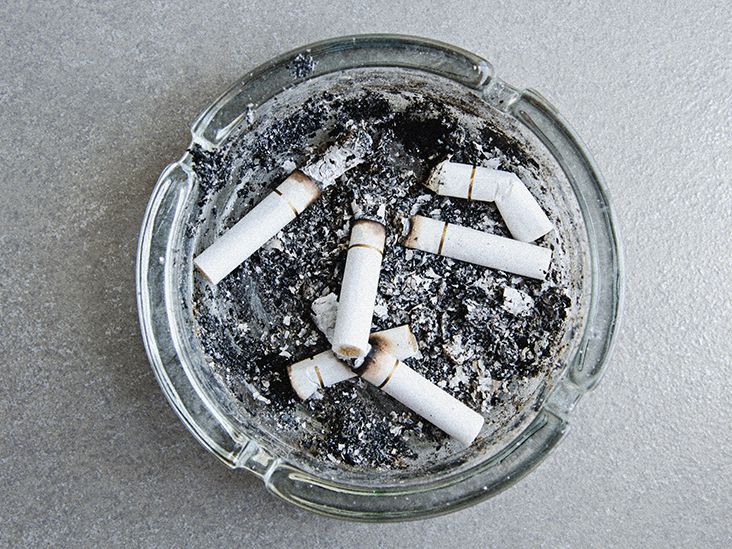
Quitting smoking is one of those life upgrades that pays you back fast: breathing gets easier, food tastes less like “cardboard with regrets,”
and your bank account stops quietly sobbing. But let’s be honestyour brain will also try to negotiate with you like a tiny lawyer in a suit:
“What if we quit… tomorrow?”
The good news: quitting isn’t about having superhero willpower. It’s about stacking smart movesbehavior changes, support, and (if you want)
proven quit-smoking aidsuntil cigarettes stop feeling like “a solution” and start feeling like “an old habit that’s out of place.”
Quick note: This is general health information, not medical advice. If you’re pregnant, under 18, or have medical conditions (or take medications), talk with a healthcare professional before using quit-smoking medicines.
Tip 1: Get painfully specific about your “why”
“I should quit” is polite. “I’m done financing a habit that makes stairs feel like a boss fight” is actionable.
Write down 3–5 reasons that hit you in the gut (in a motivating way), not just the head.
- Health: breathing, stamina, heart, lungs, long-term risk reduction.
- Money: calculate weekly/monthly spend and name what you’d rather buy.
- Family/home: protecting loved ones from secondhand smoke, smelling like “fresh laundry” instead of “campfire.”
- Freedom: no more planning your day around smoke breaks.
Keep your “why” where cravings can’t pretend it doesn’t existphone lock screen, wallet note, bathroom mirror, the back of your hand (temporarily).
Tip 2: Pick a quit date and make it real
A quit date turns “someday” into a plan. Choose a day within the next 1–3 weeksenough time to prep, not enough time to spiral into overthinking.
Mini-plan for your quit date
- Circle the date. Tell at least one person. (Yes, it counts as accountability.)
- Decide your approach: cold turkey, cutting down, or using medication/support tools.
- Plan your first 48 hours: food, sleep, distractions, and a “panic button” person to text/call.
Tip 3: Build a support team (because quitting is not a solo sport)
Your cravings love isolation. Support shrinks them. Pick 2–3 people who won’t judge you if you’re cranky and who won’t offer you a cigarette “as a joke.”
Also, use professional support if you can. Telephone quitlines and coaching exist for a reasonthey work, and they’re built for exactly this.
- Quitline: Call 1-800-QUIT-NOW to connect to free counseling in your state.
- Text/app support: A quick message during a craving can be the difference between “I did it” and “I did it again.”
- Healthcare support: If you want medication or have strong withdrawal, a clinician can tailor a plan.
Tip 4: Learn your triggers (then outsmart them)
Smoking is rarely “random.” It’s usually glued to routines: coffee, driving, alcohol, stress, after meals, work breaks, phone calls, “I deserve it,”
“I’m bored,” and “I exist.”
Try a 3-day trigger audit
For three days, note every cigarette (or craving): time, place, who, feeling, and what happened right before.
Patterns pop fast.
Use “If–Then” plans
- If I crave after meals, then I brush my teeth and walk for 5 minutes.
- If I crave while driving, then I sip ice water and chew gum.
- If I crave with coffee, then I change my ritual (tea, different mug, different spot).
Tip 5: Consider proven quit-smoking aids (especially if you’ve tried before)
Nicotine addiction has a physical component (withdrawal) and a habit component (routine). Quit-smoking medicines can reduce withdrawal and cravings
so you can focus on rewiring habits.
Common evidence-based options
- Nicotine Replacement Therapy (NRT): patch, gum, lozenge, inhaler, nasal spray.
- Prescription, non-nicotine medications: varenicline and bupropion SR (not for everyoneask a clinician).
A practical NRT strategy many people like
Think of the nicotine patch as your “background music” (steady support) and gum/lozenge as your “emergency button” (breakthrough cravings).
Combination approaches can be more effective than using a single productespecially for heavier smokerswhen used correctly.
If you choose medication, treat it like training wheels: it doesn’t “do the quitting” for you, but it can keep you upright long enough to build momentum.
Tip 6: Treat cravings like weather: intense, annoying, temporary
A craving feels like an emergency, but it’s usually a short spike. Your job isn’t to “win” foreveryour job is to win for the next few minutes.
Use the 3D method: Delay, Distract, Deep-breathe
- Delay: Tell yourself, “Not now. I’ll reassess in 10 minutes.” (Your brain hates delays. Good.)
- Distract: Do something physical: shower, dishes, walk, stretch, quick game, short call, anything.
- Deep-breathe: Slow inhale through your nose, long exhale through your mouth. Repeat 10 times.
Bonus: set a timer. When you watch a craving peak and fade, you teach your brain a new truth: I can feel this and not smoke.
Tip 7: Replace the ritual, not just the nicotine
Cigarettes are a ritual: hand-to-mouth, inhale/exhale, pause, “reward.” If you remove the cigarette without replacing the ritual, your brain
will demand an encore.
Easy swaps that satisfy the “I need something” feeling
- Chew sugar-free gum or crunchy snacks (carrots, nuts, popcorn).
- Hold a straw, toothpick, or cinnamon stick.
- Drink cold water through a straw (weirdly effective).
- Do a 60-second “reset”: wash hands, brush teeth, face splash.
Tip 8: Move your body (even a little) to cut cravings down to size
You don’t need a marathon plan. You need a “craving interrupt.” Movement reduces stress, shifts your focus, and gives your body a new mini-reward loop.
Try a 5-minute craving circuit
- 1 minute brisk walk (or march in place)
- 1 minute stretch (neck, shoulders, chest)
- 1 minute wall push-ups or squats
- 1 minute slow breathing
- 1 minute hydrate
If five minutes feels like too much, do one minute. The goal is interruption, not perfection.
Tip 9: Expect withdrawal symptomsand don’t let them gaslight you
Withdrawal can include irritability, restlessness, anxiety, trouble sleeping, difficulty concentrating, increased appetite, and strong cravings.
This does not mean you’re “bad at quitting.” It means your brain and body are recalibrating.
What the timeline often looks like
- First few days: symptoms are often strongest; many people find this the toughest window.
- First week: high risk for slipsplan extra support here.
- First few weeks: symptoms usually become less intense and less frequent over time.
How to make withdrawal less miserable
- Sleep protection: consistent bedtime, no caffeine late, low-light wind-down.
- Food strategy: keep healthy snacks ready; cravings can masquerade as hunger.
- Stress toolkit: breathing, short walks, journaling, music, showers, guided meditations.
- Medication support: if symptoms are intense, consider NRT or talk to a clinician about options.
Tip 10: Plan for slips like an adult (no drama, no doom)
Many people need multiple quit attempts before it sticks. A slip is data, not destiny. The fastest way back to smoking is the thought,
“Well, I blew itmight as well smoke the rest of the pack.”
If you slip, do this within 10 minutes
- Stop the slide: throw away the rest (yes, even if it feels wasteful).
- Name the trigger: stress? alcohol? argument? boredom? old routine?
- Patch the plan: change one thing for next time (avoid location, add gum, call support, eat first, bring water).
- Restart immediately: “My next breath is smoke-free.” Not Monday. Not next month. Now.
Tip 11: Make your environment smoke-proof (and your identity smoke-free)
Your environment can either support your quit plan or quietly sabotage it. Set up your space so the default behavior is “not smoking.”
Environment upgrades
- Remove cigarettes, lighters, ashtrays, and “just in case” stashes.
- Clean your car and favorite smoking spots (smell triggers are sneaky).
- Avoid alcohol early on if it’s a major trigger.
- Ask friends not to smoke around you for a while.
Identity shift (the secret weapon)
Instead of saying “I’m trying to quit,” try: “I don’t smoke.”
It’s not a magic spellbut it changes how your brain frames decisions. You’re not “giving something up.”
You’re choosing who you are.
Putting it all together: a simple 7-day quit plan
Before day 1
- Pick a quit date and tell your support people.
- List triggers and write 3–5 If–Then plans.
- Choose tools: quitline/app, NRT, or clinician support if needed.
- Clean out smoking cues (car, patio, desk).
Days 1–3
- Keep your schedule full of low-stress distractions.
- Use Delay–Distract–Deep-breathe for cravings.
- Hydrate, snack smart, and go to bed early if needed.
Days 4–7
- Celebrate wins (yes, even small ones).
- Refine trigger plans based on real life.
- Add movement dailyeven 10 minutes.
- Check in with support at least once a day.
Real-world experiences: what quitting actually feels like (and how people get through it)
The internet is full of “just drink water and believe in yourself” advice. Helpful? Sometimes. Sufficient? Not always.
Here are common patterns people report when they successfully stop smokingshared as realistic, experience-based examples (not medical claims),
because the messy middle matters.
Experience #1: The “I only smoke when I’m stressed” surprise
One common story: someone quits on a calm week and thinks, “This is easier than I expected.” Then a stressful workday hitsan angry email,
a deadline, traffic, and suddenly their brain starts chanting, “Cigarette. Cigarette. Cigarette.”
What helped wasn’t pretending stress wouldn’t happen. It was building a stress script:
a 2-minute walk, a glass of water, and a text to a friend that says, “Craving. Talk me off the ledge.”
People often say the first time they ride out a stress-craving without smoking is a breakthroughbecause it proves stress is survivable without nicotine.
Experience #2: The “coffee is the boss level” problem
Coffee and cigarettes are a famous duo. Some quitters describe mornings as the hardest partnot the whole day.
Their solution was surprisingly practical: they changed the coffee ritual for two weeks. Different mug, different spot,
different route to work, or switching to tea temporarily.
The key lesson: you don’t have to fight every trigger head-on on day one.
Sometimes you sidestep it until your cravings are smaller, then reintroduce the ritual without the cigarette.
Experience #3: The “I’m eating everything” phase
Increased appetite happens for many people, and it can feel unfair: you quit smoking and suddenly want to eat a whole pantry.
Quitters who do well often plan for this like adults: they stock easy snacks (fruit, yogurt, nuts, crunchy veggies),
keep gum handy, and allow a short-term “snack budget” while the habit rewires.
A useful mindset people share: for a few weeks, the priority is not smoking.
If chewing gum or munching popcorn gets you through a craving, that’s a win. You can fine-tune nutrition once the smoke-free routine is stable.
Experience #4: The slip that turned into a strategy
Many successful quitters have a slip story. The difference is what they do next.
One common pattern: they smoke one cigarette during a trigger moment, feel disappointed, then choose to treat it as feedback instead of failure.
They ask: What happened right before I slippedwas I hungry, tired, drinking, arguing, or around smokers?
Then they patch the plan: eat before going out, avoid alcohol for a bit, use a nicotine lozenge before a known trigger,
or pre-schedule a call with a supportive person.
People often say the real victory isn’t “never slipping.” It’s ending the slip quickly and restarting immediately.
That’s how “I slipped” becomes “I learned,” and “I learned” becomes “I quit.”
Conclusion
If you’re trying to give up smoking, remember this: cravings are loud, but they’re not in charge.
Pick a quit date, build support, plan for triggers, and use proven tools (like counseling and nicotine replacement therapy) if you want them.
And if you’ve tried before? That’s not a mark against youit’s practice. Most people don’t nail it on the first swing. They get better at the swing.
Start with one smoke-free decision. Then repeat. The days stack. The cravings shrink. And eventually, you’ll realize you went hoursthen dayswithout thinking about it.
That’s the moment you stop “quitting” and start living.












