
Giving cattle injections is one of those ranch skills that looks simple from a distance and suddenly feels very serious when you are standing beside a 1,200-pound animal with opinions, shoulders, and impressive side-eye. Done correctly, injections help protect herd health, improve treatment success, and support beef and dairy quality. Done carelessly, they can cause tissue damage, drug residues, infection, broken needles, or a full-body rodeo nobody signed up for.
This guide explains the safety principles behind cattle injections, including subcutaneous (SQ or Sub-Q), intramuscular (IM), and intravenous (IV) shots. It is written for educational purposes and should be used alongside a veterinarian-approved herd health plan, product labels, Beef Quality Assurance practices, and hands-on training. IV injections, in particular, should only be performed by a veterinarian or a person specifically trained and authorized to do so.
Why Proper Cattle Injection Technique Matters
Cattle injections are not just about getting medicine into an animal. They affect animal welfare, treatment response, carcass quality, food safety, worker safety, and consumer trust. A vaccine placed in the wrong tissue may not work as intended. An antibiotic given by the wrong route may create residue risks. An injection placed in the rump can damage valuable muscle cuts. A dirty needle can introduce infection. In short, the syringe may be small, but the consequences are not.
Modern cattle health programs strongly emphasize giving injections in the proper location, using the correct route, following label directions, and keeping clear treatment records. These details help reduce injection-site lesions, prevent illegal drug residues, and make sure every treated animal can be tracked accurately.
Understand the Three Main Injection Routes
Subcutaneous Injections (SQ or Sub-Q)
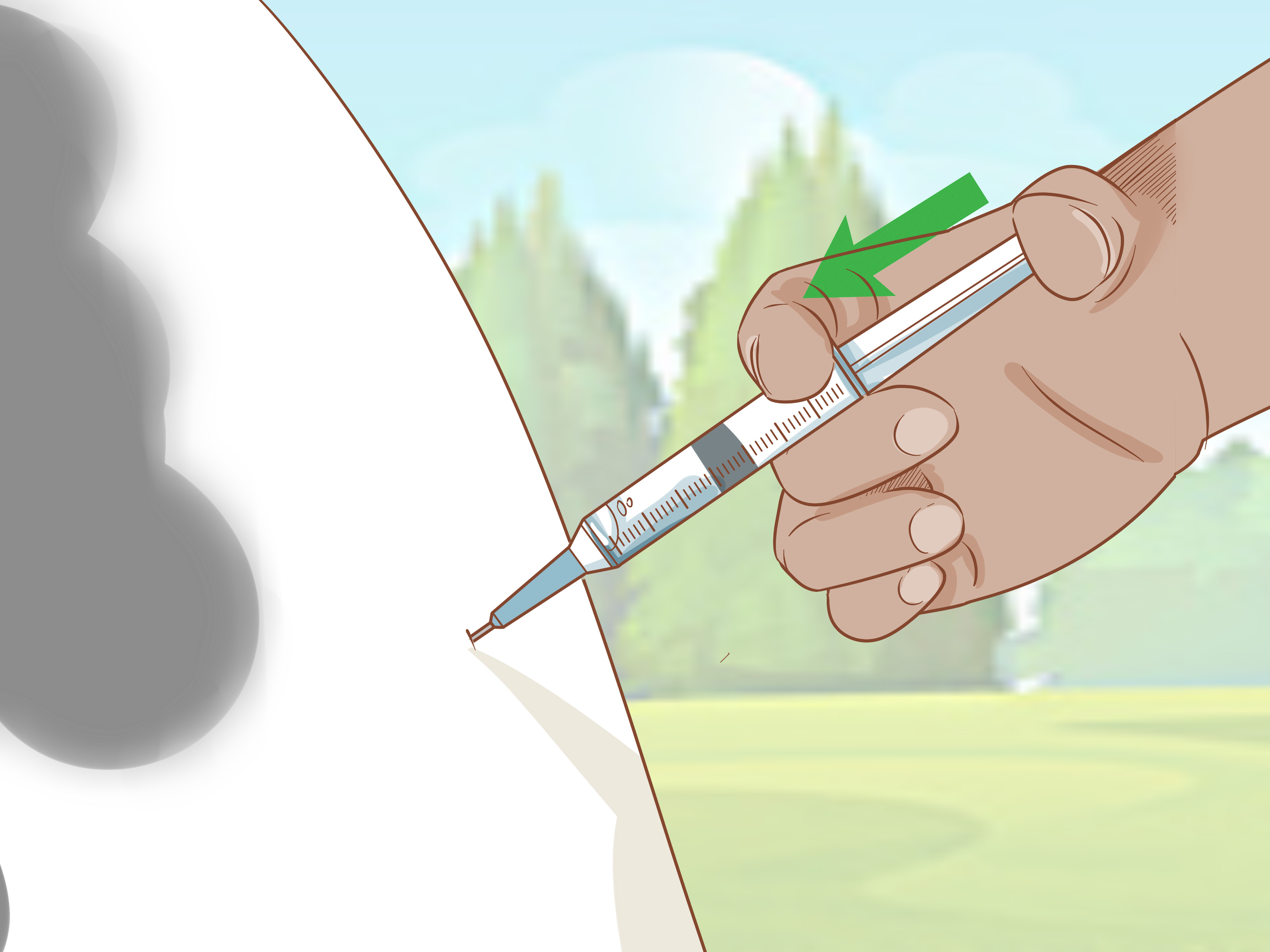
A subcutaneous injection places the product under the skin rather than deep into the muscle. When the product label allows it, SQ is often preferred because it tends to reduce muscle damage and trim loss compared with intramuscular injections. Many vaccines and animal health products are labeled for SQ use, but the label always wins. If the bottle says SQ, do not “upgrade” it to IM because it feels more dramatic. Cattle health is not a movie scene.
SQ injections are commonly placed in the loose skin of the neck area within the recommended injection triangle. The animal must be properly restrained so the handler can place the product safely and calmly. The goal is to deliver the product under the skin, not into muscle, mud, hair clumps, or yesterday’s mystery manure.
Intramuscular Injections (IM)
An intramuscular injection places the product into muscle tissue. Some products require IM administration, but IM shots should be used only when the label or veterinarian calls for that route. The neck region is the preferred site because it protects higher-value meat cuts in the loin and round. Giving IM injections in the rump or top butt is poor practice and can leave lesions in valuable tissue.
Because IM injections can cause more tissue irritation than SQ injections, they require careful product selection, clean technique, correct spacing, and accurate records. If a product offers both SQ and IM options, many cattle quality programs recommend choosing SQ when appropriate.
Intravenous Injections (IV)
An intravenous injection delivers medication directly into the bloodstream. This route can act quickly, but it also carries greater risk. IV administration should not be treated as a casual chute-side shortcut. It requires specific training, correct restraint, proper product selection, and veterinary oversight. Some products are dangerous if given by the wrong route, and some products labeled for IV use may have different withdrawal times than products given SQ or IM.
For web readers looking for a simple rule: do not attempt IV injections unless your veterinarian has trained you and confirmed that the product, dose, route, and animal situation are appropriate. When in doubt, call the veterinarian before the needle ever comes out of the package.
The Best Injection Site for Cattle
For most SQ and IM injections, the recommended location is the injection triangle on the side of the neck, in front of the shoulder. This area helps protect valuable meat cuts and reduces the chance of long-term carcass damage. The triangle is generally described as the safe working area bordered by the neck ligament above, the shoulder toward the back, and the lower neck structures below.
The exact site still depends on the product label, the animal, the route, and the veterinarian’s instructions. Some products have special label directions, such as base-of-ear administration or another specific location. Do not improvise. In cattle medicine, “close enough” is not a quality-control program.
Before Giving Any Cattle Injection
1. Read the Label First
The product label tells you the approved species, dose, route, frequency, storage requirements, expiration date, warnings, withdrawal time, and sometimes the maximum volume per injection site. Read it before working cattle, not while a calf is wiggling, the gate is clanging, and someone is yelling, “Do we have another syringe?”
Pay special attention to route abbreviations such as SQ, SC, Sub-Q, IM, IV, IN, oral, topical, or intramammary. Giving a product by the wrong route can reduce effectiveness, increase tissue damage, or create residue problems.
2. Work With a Veterinarian-Approved Protocol
A herd health plan should be built with a veterinarian who understands your operation, cattle class, disease risks, vaccine timing, treatment goals, and marketing plans. This is especially important for antibiotics, prescription products, extra-label drug use, sick animals, dairy cattle, calves, pregnant animals, and any animal close to slaughter or milk sale.
3. Use Proper Restraint
Safe injections require safe cattle handling. Use a working chute, head gate, alley, or other appropriate handling system that keeps the animal still enough to treat without panic. Calm handling reduces injury risk for both cattle and people. A half-restrained animal is not “mostly safe.” It is a 1,000-pound surprise party.
4. Choose a Clean, Dry Site
Avoid injecting through mud, manure, wet hair, or visibly dirty skin. Dirty injection sites increase the risk of infection and abscesses. If cattle are wet, heavily soiled, or jammed in a poorly designed facility, it may be better to improve conditions before processing rather than force a rushed treatment.
5. Use the Right Needle and Equipment
Needle size depends on the animal’s size, the product thickness, the route, and label or veterinary guidance. Use sharp, clean needles and replace them often. Bent, burred, dull, or contaminated needles should be discarded immediately. Never straighten a bent needle and reuse it. That is not being economical; that is inviting trouble.
Use clean syringes, avoid contaminating product bottles, and do not leave needles stuck in vaccine or drug vials. Modified-live vaccines and temperature-sensitive products should be handled exactly as directed. Keep products cool when required, protect them from sunlight, and mix only what can be used within the label’s time window.
General Safety Principles for SQ and IM Injections
Keep Injections in the Neck Region
Unless the label or veterinarian directs otherwise, SQ and IM injections should be placed in the neck region in front of the shoulder. This protects high-value cuts and follows widely accepted cattle quality practices.
Limit Volume Per Site
Large volumes increase the risk of tissue irritation and poor absorption. Many cattle quality guidelines recommend limiting injection volume per site and dividing larger doses into multiple properly spaced sites when needed. Always follow the label or veterinarian’s instructions for the product being used.
Space Multiple Injections Apart
When giving more than one injection, space sites several inches apart and use both sides of the neck when appropriate. Avoid stacking several products in one tiny area. The neck is not a bulletin board for injections.
Do Not Mix Products Unless Directed
Never combine vaccines, antibiotics, vitamins, or other products in one syringe unless the label or veterinarian specifically says to do so. Mixing products can inactivate vaccines, change absorption, or cause unexpected reactions.
Use a New or Clean Needle Appropriately
Needles can spread blood-borne disease, carry contamination, or become dull after repeated use. Many best-practice programs recommend changing needles frequently and immediately replacing any needle that becomes bent, dull, dirty, or damaged. For sick animals, avoid reusing needles between animals.
Special Caution for IV Injections
IV injections deserve their own warning because they are higher risk than routine SQ or IM injections. Products given IV enter circulation rapidly, which leaves less room for error. The wrong product, wrong speed, wrong route, or poor placement can harm the animal quickly.
For most cattle owners, the safest IV plan is simple: involve a veterinarian. If a veterinarian trains farm personnel to administer a specific IV product under specific conditions, follow that protocol exactly. Do not rely on internet videos, guesswork, or “my neighbor does it this way.” Your neighbor may also think duct tape is a retirement plan.
Do not give IV injections into inappropriate veins, do not use products not labeled or prescribed for IV use, and do not attempt IV treatment on a struggling or poorly restrained animal. If an animal is severely ill, down, dehydrated, bloated, neurologic, or in distress, call a veterinarian promptly.
Withdrawal Times and Treatment Records
Food-producing animals require careful records. Every treatment should be documented with the animal ID, date, product name, dose, route, injection site, person administering the treatment, withdrawal time, and the date when meat or milk can safely enter the food supply. Records protect consumers, producers, and the entire beef and dairy industry.
Withdrawal times are based on labeled use, including species, dose, route, and treatment schedule. If a drug is used differently under veterinary direction, the veterinarian must provide appropriate withdrawal guidance. Ignoring withdrawal times can lead to illegal residues in meat or milk.
Common Mistakes to Avoid
Injecting in the Rump
The rump and round contain valuable meat cuts. Injection-site lesions in these areas can cause trim loss and quality problems. Use the neck region unless directed otherwise by the label or veterinarian.
Using the Wrong Route
SQ, IM, and IV are not interchangeable. A product labeled for SQ use should be given SQ. A product labeled for IM should not be casually moved under the skin unless the label allows it or a veterinarian prescribes it.
Overloading One Site
Too much product in one location increases tissue irritation. Divide large doses as directed and keep sites properly spaced.
Skipping Records
“I’ll remember” is not a recordkeeping system. Treatment notes should be written, digital, backed up, and easy to understand.
Working Too Fast
Rushing causes mistakes: wrong animal, wrong dose, wrong route, dropped needles, dirty syringes, and missed withdrawal dates. Good cattle work is efficient, not frantic.
Signs of a Possible Injection Problem
After treatment, monitor cattle for swelling, heat, pain, lameness, unusual behavior, allergic reactions, breathing difficulty, collapse, or worsening illness. Mild localized swelling can occur with some products, but severe swelling, rapid decline, or signs of distress require veterinary attention. Keep product packaging and lot numbers available in case a veterinarian needs them.
Safe Needle Disposal
Used needles should go into a rigid, puncture-resistant sharps container. Do not toss needles into trash, leave them on the ground, drop them in a truck cup holder, or stick them in a fence post “for later.” Safe disposal protects people, animals, equipment tires, and the unlucky person who cleans the barn after everyone else has gone home.
of Practical Experience: What Good Cattle Injection Work Looks Like in Real Life
On paper, cattle injections sound like a tidy checklist: read label, restrain animal, inject, record, done. In real life, the difference between a smooth processing day and a chaotic one often comes down to preparation. Experienced cattle handlers rarely start by grabbing the syringe. They start by setting up the working area. Gates swing properly. The chute catches cleanly. Needles, syringes, product coolers, record sheets, markers, disinfectant, and sharps containers are ready before the first animal enters the alley.
One of the best habits is assigning roles. One person reads animal IDs and records treatments. One person handles the syringe. Another manages cattle flow. When everyone “helps with everything,” nobody is fully watching anything. That is when doses get repeated, animals are missed, or a product is placed in the wrong cooler. A calm crew with clear roles can process cattle faster than a loud crew trying to win a wrestling match with every calf.
Good handlers also respect the animal’s mood. Cattle that enter the chute calmly are easier to treat accurately. Cattle that are rushed, shocked, crowded, or frightened are more likely to jump, fall, kick, or slam forward. Low-stress handling is not just kindness; it is practical risk management. The quieter the animal, the cleaner the injection placement, the safer the handler, and the better the day goes for everyone involved.
Another practical lesson: label organization matters. Keep vaccines separate from antibiotics, keep modified-live vaccines protected as directed, and do not let bottles bake in the sun on a tailgate. Mark syringes clearly when using multiple products. A syringe mix-up can turn a routine herd health day into a phone call nobody wants to make.
Experienced producers also learn to slow down at the moment of decision. Is this the right animal? Is the product still in date? Is the dose correct for this weight class? Is the route SQ, IM, or something else? Is the site clean enough? These questions take seconds, but they prevent expensive mistakes. The best cattle people are not the ones who look the busiest. They are the ones who make fewer errors.
Recordkeeping is another real-world separator. A notebook in the glove box is better than memory, but a well-designed treatment log is better still. Include animal ID, product, dose, route, site, date, withdrawal time, and who gave it. When marketing cattle or checking milk withdrawal, those records become more valuable than gold and less dramatic than guessing.
Finally, good injection work includes knowing when not to treat alone. If an animal is severely sick, if the product route is unfamiliar, if IV treatment is being considered, or if the label is confusing, the safest move is to call the veterinarian. There is no shame in asking for help. In cattle health, confidence is useful only when it is paired with training, caution, and respect for the animal.
Conclusion
Learning how to give cattle injections safely starts with understanding the difference between SQ, IM, and IV routes, then applying the basics every single time: read the label, use the neck injection triangle, restrain cattle properly, keep equipment clean, space injection sites, avoid overloading one location, record treatments, and follow withdrawal times. SQ injections are often preferred when the label allows because they reduce muscle damage. IM injections should be limited to products that require them and placed in the neck. IV injections should be left to veterinarians or trained personnel working under veterinary direction.
Good injection technique is not about speed or looking tough in the chute. It is about protecting cattle, people, meat quality, milk safety, and the reputation of the operation. Do it calmly, do it cleanly, document it clearly, and when the situation feels beyond your training, call the veterinarian before turning a small problem into a large one.
Note: This article is for educational web content only. Cattle injections should be performed according to product labels, veterinary instructions, Beef Quality Assurance practices, and applicable laws. IV injections should only be administered by a veterinarian or properly trained personnel under veterinary direction.











