
Whipworms are the tiny, sneaky freeloaders of the dog parasite world. They do not usually wave hello in your dog’s stool, they do not politely leave after one dose of random wormer, and they can turn a perfectly cheerful pup into a diarrhea-powered mystery machine. If your dog has soft stool, mucus, blood, weight loss, or a belly that seems “off,” whipworms may be on the suspect list.
The good news? You can get rid of a dog’s whipworms with the right plan. The not-so-good news? Whipworms are stubborn because their eggs can survive in contaminated soil for a very long time, and adult worms live in the large intestine where they feed and irritate the lining. That means treatment is not just “give a pill and forget it.” It takes diagnosis, the correct dewormer, repeat treatment, cleanup, prevention, and follow-up testing.
This guide walks you through seven practical steps to treat whipworms in dogs, prevent reinfection, and keep your yard from becoming a parasite party zone.
Note: This article is for educational purposes only. Whipworm treatment should be guided by a licensed veterinarian, especially for puppies, senior dogs, pregnant dogs, dogs with chronic illness, or dogs with severe diarrhea or dehydration.
What Are Whipworms in Dogs?
Whipworms are intestinal parasites, most commonly Trichuris vulpis, that infect dogs. They get their name from their whip-like shape: one end is thin and threadlike, while the other end is thicker. Unfortunately, your dog will not care about their fascinating anatomy. Your dog will care that these worms can cause inflammation, digestive upset, and in more serious cases, blood loss.
Dogs usually become infected by swallowing whipworm eggs from contaminated soil, feces, grass, or surfaces. A dog may pick them up while sniffing, licking paws, eating grass, playing in a dirty yard, or visiting areas where other dogs have left behind infected stool. Once swallowed, the eggs develop into larvae and then mature into adults in the dog’s intestinal tract.
Whipworms are especially frustrating because symptoms can appear before eggs show up on a fecal test. Eggs may also shed intermittently, meaning one stool sample can look clean even when the dog is infected. That is why veterinarians may recommend repeat fecal testing, fecal flotation with centrifugation, antigen testing, PCR testing, or treatment based on symptoms and exposure risk.
Common Signs Your Dog May Have Whipworms
Some dogs with whipworms show no obvious symptoms, especially early in infection. Others develop signs that range from mildly annoying to genuinely concerning. If your dog’s digestive system is acting like a badly tuned trumpet, pay attention.
Symptoms to Watch For
- Chronic or recurring diarrhea
- Mucus in the stool
- Fresh blood or dark stool
- Weight loss despite normal eating
- Poor coat condition
- Lethargy or low energy
- Dehydration
- Straining to poop
- Anemia in severe cases
Whipworm symptoms can resemble other problems, including hookworms, roundworms, giardia, inflammatory bowel disease, dietary intolerance, bacterial infection, or stress colitis. In other words, do not diagnose based on “weird poop vibes” alone. Your veterinarian can help identify the real cause.
How to Get Rid of a Dog’s Whipworms: 7 Steps
Step 1: Call Your Veterinarian and Do Not Guess the Worm
The first step in getting rid of whipworms is confirming what you are dealing with. Many dog owners see diarrhea and immediately grab an over-the-counter wormer. That can backfire because not all dewormers kill whipworms. Some products target roundworms or hookworms but do little or nothing for whipworms.
Call your veterinarian if your dog has persistent diarrhea, bloody stool, mucus, unexplained weight loss, or recurring digestive problems. Mention your dog’s age, symptoms, travel history, monthly preventives, dog park exposure, boarding history, and whether other pets in the home are also having stool issues.
If your dog is weak, refusing water, vomiting repeatedly, passing large amounts of blood, or showing signs of dehydration, treat it as urgent. Parasites may be part of the problem, but dehydration and blood loss can become dangerous quickly.
Step 2: Bring a Fresh Stool Sample for Testing
Your vet will usually ask for a fresh stool sample. Glamorous? No. Important? Absolutely. Place a small sample in a clean container or sealed bag and bring it to the clinic as soon as possible. If you cannot go immediately, ask your vet how to store it properly.
Whipworms are diagnosed through fecal testing, but they can be tricky. Their eggs are dense and may be missed without proper technique. Because eggs are shed intermittently, a negative fecal test does not always rule out infection. Your veterinarian may recommend fecal flotation with centrifugation, antigen testing, PCR testing, or repeat testing if symptoms strongly suggest whipworms.
Think of whipworms as that one coworker who never shows up when the manager is looking. They may still be there, causing chaos, even when the first test does not catch them.
Step 3: Use the Right Dewormer Prescribed or Recommended by Your Vet
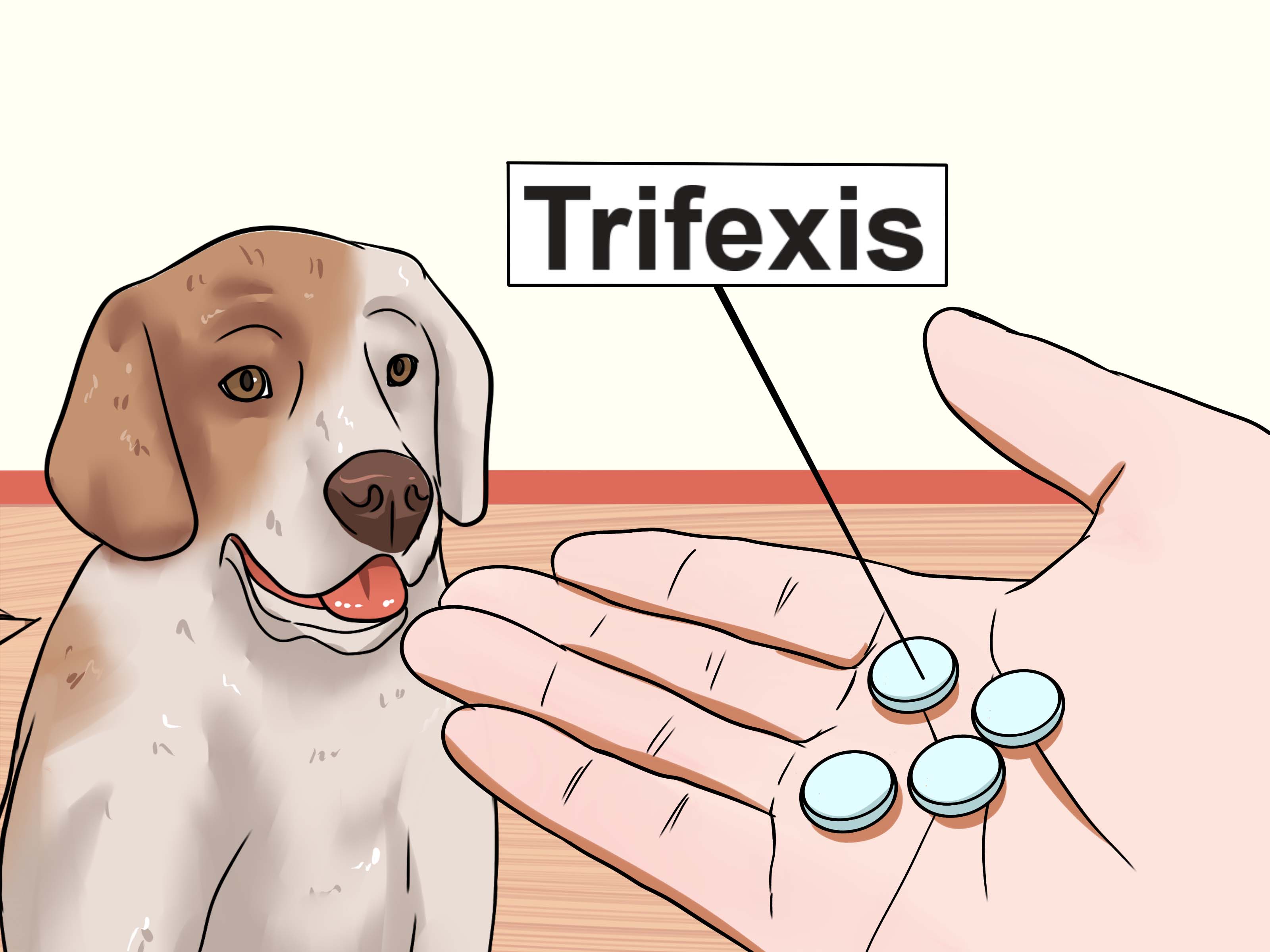
The most important part of whipworm treatment is using a medication that actually works against whipworms. Veterinarians may use deworming medications such as fenbendazole, febantel-containing products, milbemycin oxime, moxidectin, or other labeled parasite-control options depending on the dog’s health, age, weight, medical history, and local product availability.
Fenbendazole is commonly used for canine intestinal parasites, including whipworms. Some monthly heartworm preventives also include ingredients labeled for whipworm control. However, do not mix products or guess dosages. Giving the wrong medication, wrong dose, or wrong schedule can lead to treatment failure and may put your dog at risk.
Follow your veterinarian’s instructions exactly. If the label says give with food, give with food. If the vet says finish the full course, finish the full course. Do not stop because your dog’s stool looks better after day one. Whipworms are not impressed by half-hearted plans.
Step 4: Repeat Treatment on Schedule
Whipworm treatment often requires repeat dosing. This is because immature stages may not be eliminated by a single treatment, and the parasite’s life cycle can stretch over weeks. A common veterinary approach includes treating at diagnosis and repeating treatment at set intervals over several months. Your vet may recommend monthly treatment for a period of time or a specific repeat schedule based on the medication used.
This repeat schedule is where many dog owners accidentally lose the battle. The dog improves, life gets busy, the reminder disappears under a grocery list, and suddenly the whipworms are back like an unwanted sequel. Set phone reminders, write the dates on your calendar, or tape a note to the treat jar. Whatever works, use it.
If you have multiple dogs, ask your vet whether all dogs in the household should be tested or treated. Dogs sharing the same yard or living space may share exposure, even if only one dog has obvious symptoms.
Step 5: Clean Up Feces Immediately and Manage the Yard
Medication treats the dog, but cleanup helps reduce reinfection. Whipworm eggs are passed in feces and can mature in the environment. Once infective, they can persist in soil, especially in shady, moist areas. That means the yard may continue to expose your dog if waste is not removed consistently.
Pick up stool from your yard daily, and remove waste immediately during walks. Use gloves or a scoop, seal the waste, and dispose of it according to local rules. Wash your hands afterward, even if you used a bag. Parasite prevention is not the time to trust “I barely touched it” logic.
Yard Tips That Help Reduce Reinfection
- Remove feces every day, not just when the yard starts looking suspicious.
- Keep grass trimmed so sunlight reaches the soil.
- Reduce damp, shaded areas where parasite eggs may persist.
- Prevent dogs from eating soil, feces, or random outdoor “snacks.”
- Limit access to heavily contaminated areas when possible.
- Clean kennels, runs, patios, and crate surfaces regularly.
Unfortunately, disinfecting soil is difficult. Bleach may clean hard surfaces, but it does not reliably solve contaminated dirt. In severe or recurring cases, your veterinarian may suggest limiting access to certain parts of the yard, replacing contaminated soil or ground cover, improving drainage, or creating a clean potty area.
Step 6: Start a Year-Round Parasite Prevention Plan
Once your dog is treated, prevention becomes the superhero cape. Many monthly parasite preventives protect against multiple parasites, and some are labeled for whipworm control. Your veterinarian can recommend a product based on your dog’s lifestyle, region, health status, and risk level.
Year-round prevention is especially important for dogs that visit dog parks, boarding facilities, grooming salons, daycare, training classes, hiking trails, shared apartment lawns, or areas where other dogs poop. Basically, if your dog’s social calendar is busier than yours, parasite prevention matters.
Do not assume that every heartworm preventive covers whipworms. Products vary. Some cover roundworms and hookworms but not whipworms. Some include broader intestinal parasite control. Ask your vet directly: “Does my dog’s monthly preventive help protect against whipworms?” That one question can save months of messy cleanup.
Step 7: Retest and Monitor Stool Quality
After treatment, your veterinarian may recommend repeat fecal testing to confirm the infection is cleared. This is especially helpful if symptoms continue, your dog had a heavy infection, multiple dogs are exposed, or the environment is difficult to clean.
Keep an eye on stool quality over the next several weeks. Normal stool should gradually return as the infection resolves and intestinal inflammation improves. If diarrhea continues despite treatment, your dog may need additional testing for other parasites, food sensitivity, bacterial imbalance, inflammatory bowel disease, or another medical issue.
A simple stool diary can help. Record the date, stool consistency, presence of mucus or blood, appetite, energy level, and medication doses. You do not need to become a full-time poop scientist, but a few notes can help your veterinarian spot patterns quickly.
What Not to Do When Treating Whipworms
Whipworms are not a good place for guesswork, internet dares, or “my neighbor’s cousin used this once” medicine. Avoid these common mistakes:
- Do not use random dewormers. Many do not kill whipworms.
- Do not skip repeat treatment. Whipworms often require a multi-step schedule.
- Do not rely on garlic, herbs, or pumpkin seeds. These are not proven whipworm cures and may delay real treatment.
- Do not ignore bloody diarrhea. Blood, dehydration, or weakness needs veterinary attention.
- Do not forget the environment. Reinfection can happen if contaminated feces remain in the yard.
- Do not treat one dog and ignore the others. Ask your vet about household-wide risk.
Can Humans Get Whipworms From Dogs?
The dog whipworm, Trichuris vulpis, is considered to have low zoonotic potential compared with parasites such as roundworms and hookworms. Still, good hygiene matters. Pick up dog feces promptly, wash hands after handling waste, keep children from playing in contaminated soil, and cover sandboxes when not in use.
People have their own species of whipworm, but your dog’s infection should still be treated responsibly. A clean yard is better for dogs, humans, shoes, carpets, and everyone’s dignity.
How Long Does It Take to Get Rid of Whipworms in Dogs?
Many dogs begin to feel better within days after proper treatment, especially if diarrhea was caused mainly by whipworms. However, full control can take weeks to months because repeat treatment and prevention are often needed. The timeline depends on the dog’s worm burden, environment, medication schedule, immune health, and whether reinfection occurs.
If your dog improves and then relapses, do not assume the medication failed. Reinfection, missed repeat doses, another parasite, or an unrelated digestive disorder may be involved. Call your veterinarian and bring another stool sample.
How to Prevent Whipworms From Coming Back
Prevention is a combination of veterinary care and boring-but-effective habits. The boring habits win. Remove feces quickly, maintain a regular preventive, schedule fecal exams, and avoid high-risk environments when your dog is actively infected.
Simple Prevention Checklist
- Use a vet-recommended monthly parasite preventive.
- Test stool regularly, especially for puppies and high-risk dogs.
- Pick up feces from the yard daily.
- Clean crates, kennels, and bedding often.
- Keep dogs away from unknown feces on walks.
- Ask boarding facilities about sanitation practices.
- Retest after treatment when your vet recommends it.
Whipworm prevention is not glamorous, but neither is scrubbing diarrhea out of a rug at midnight. Choose your adventure wisely.
When to See a Veterinarian Immediately
Some whipworm infections are mild. Others can become serious, especially in puppies, small dogs, older dogs, or dogs with other health problems. Contact your veterinarian promptly if your dog has:
- Bloody diarrhea
- Repeated vomiting
- Severe lethargy
- Pale gums
- Signs of dehydration
- Rapid weight loss
- Diarrhea lasting more than a day or two
- Recurring symptoms after treatment
Your vet may recommend fluid support, additional medication, bloodwork, or testing for other causes. The goal is not only to kill the worms but also to help your dog recover safely.
Experience-Based Tips for Getting Through Whipworm Treatment
Dealing with whipworms is not just a medical process. It is also a household management project, a calendar challenge, and occasionally a test of your relationship with your carpet. Here are practical, real-life-style lessons that make the process easier.
First, build a “parasite station.” Keep poop bags, disposable gloves, paper towels, pet-safe cleaner, a small notebook, and your dog’s medication instructions in one place. When everything is scattered around the house, cleanup feels harder. When supplies are ready, you are more likely to remove stool quickly and stay consistent.
Second, treat the medication schedule like an appointment. Do not rely on memory. Whipworm protocols often involve repeat treatment, and missing a dose can allow the problem to drag on. Add reminders to your phone with the medication name, dose instructions from your vet, and whether it should be given with food. If more than one family member helps care for the dog, use a shared calendar so nobody accidentally skips or doubles a dose.
Third, make stool monitoring simple. You do not need a laboratory clipboard. Use quick notes such as “soft,” “watery,” “mucus,” “blood,” or “normal.” Add appetite and energy level. This information is surprisingly helpful if symptoms return. Instead of telling the vet, “His poop has been weird for a while,” you can say, “The diarrhea improved for ten days, then mucus returned two days after the second treatment.” That is much more useful.
Fourth, manage the yard like you are cutting off the enemy’s supply line. Pick up feces daily, especially in the same potty areas. If your dog tends to revisit old poop spots like a detective returning to the scene, walk them on leash in the yard for a while. It may feel excessive, but limiting exposure during treatment helps reduce reinfection risk.
Fifth, do not panic if the first fecal test is negative. Whipworms are famous for being difficult to catch. If your dog has classic symptoms and exposure risk, your veterinarian may recommend additional testing or treatment even after a negative result. This does not mean anyone is guessing wildly; it means whipworms are sneaky little professionals.
Sixth, protect your routine. During treatment, avoid unnecessary trips to dog parks, shared lawns, or daycare unless your vet says it is fine. This protects your dog and helps reduce environmental contamination for other pets. Your dog may object dramatically, because dogs believe every missed park day is a constitutional crisis, but temporary caution is worth it.
Seventh, clean without going overboard. Wash bedding, clean crates, and disinfect hard surfaces as directed, but understand that soil contamination is the bigger challenge. You cannot bleach an entire yard into submission. Focus on waste removal, drainage, sunlight, trimmed grass, and preventive medication.
Eighth, expect improvement but respect setbacks. Many dogs feel better after proper deworming, but irritated intestines may need time to settle. If symptoms persist, worsen, or return, follow up. There may be reinfection, incomplete treatment, another parasite, or a separate digestive condition.
Finally, give yourself credit. Whipworm treatment is not the most charming chapter of dog ownership, but it is manageable. With veterinary guidance, repeat treatment, steady cleanup, and prevention, most dogs recover well and return to their normal hobbies: napping in inconvenient places, judging your snacks, and acting like the vacuum cleaner is a mythical beast.
Conclusion
Getting rid of a dog’s whipworms takes more than grabbing the nearest dewormer from a shelf. The best plan starts with veterinary diagnosis, uses the right medication, repeats treatment on schedule, cleans up contaminated feces, and continues with year-round parasite prevention. Because whipworm eggs can persist in the environment and may not appear on every fecal test, follow-up matters.
If your dog has recurring diarrhea, mucus, blood in the stool, or unexplained weight loss, do not wait for the problem to become a full backyard drama. Call your veterinarian, bring a stool sample, and start a targeted treatment plan. Your dog’s gut will thank you. Your floors probably will too.
SEO Tags
Note: Always consult your veterinarian before treating suspected whipworms. The safest treatment plan depends on your dog’s weight, age, health status, current medications, and test results.












