
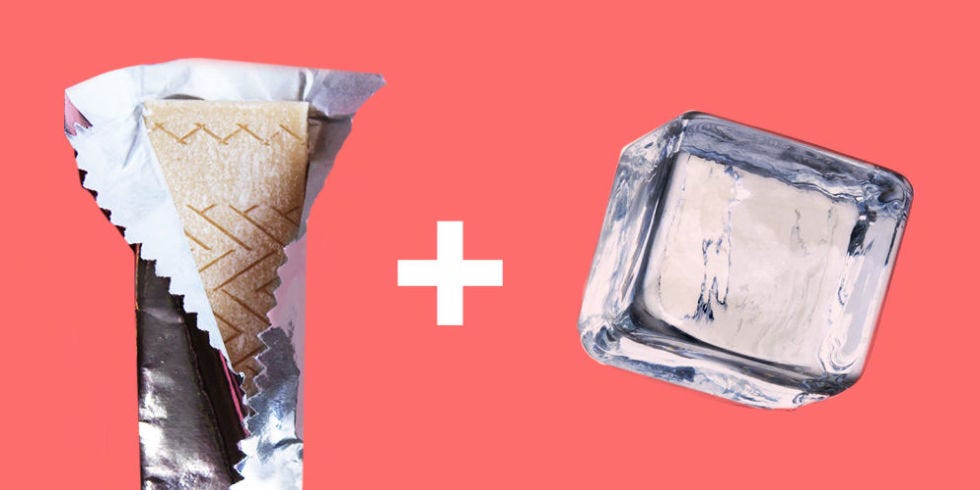
Few household disasters feel as personally insulting as discovering gum on your clothes. Not a tiny speck, either. A full sticky blob, clinging to your jeans, hoodie, school uniform, work pants, or favorite T-shirt like it signed a lease. The good news? You do not have to retire the garment, dramatically toss it into the trash, or pretend gum is the newest fashion embellishment.
Learning how to get gum out of clothes fast is mostly about timing, patience, and choosing the right method for the fabric. The biggest mistake is panicking and rubbing the gum deeper into the fibers. The second biggest mistake is throwing the clothing straight into the washer or dryer. Heat can soften gum and spread it around, turning one sticky spot into a laundry-room soap opera.
This guide walks you through the fastest, safest, and most practical ways to remove chewing gum from fabric using common household items like ice, liquid laundry detergent, rubbing alcohol, vinegar, and dish soap. You will also learn what to avoid, how to treat leftover residue, and how to handle delicate fabrics without making the problem worse.
First Things First: Do Not Rub the Gum
When gum lands on clothing, your first instinct may be to scrape, smear, pull, twist, or attack it like it owes you money. Resist. Fresh gum is elastic and sticky, which means aggressive rubbing can push it deeper into woven fibers. Instead, gently remove any loose pieces with your fingers, a spoon, or the edge of a dull butter knife.
Before using any cleaning product, check the care label. Cotton jeans can usually handle more treatment than silk, wool, rayon, or embellished fabrics. If the garment says “dry clean only,” the safest choice is to let a professional handle it. Gum removal is annoying; damaging an expensive jacket is a whole different level of laundry tragedy.
The Fastest Method: Freeze the Gum with Ice
The ice method is one of the best ways to get gum out of clothes quickly because it hardens the gum. Once gum becomes firm and brittle, it is much easier to lift away from the fabric instead of stretching like melted cheese on a pizza slice.
What You Need
- Ice cubes or an ice pack
- A resealable plastic bag
- A dull butter knife, spoon, or old credit card
- Liquid laundry detergent or stain remover
- A soft-bristled toothbrush
Step-by-Step Instructions
- Place a few ice cubes in a plastic bag so the fabric does not get soaking wet.
- Press the bag directly onto the gum for 10 to 20 minutes, or until the gum feels hard.
- Use a spoon, dull knife, or old card to gently lift the hardened gum from the edge.
- Work slowly. If the gum softens, apply the ice again.
- Once the bulk of the gum is gone, pretreat the remaining spot with liquid laundry detergent.
- Let the detergent sit for several minutes, then wash according to the care label.
- Air-dry the garment and check the area before using the dryer.
This method is ideal for jeans, cotton shirts, sweatpants, school uniforms, polyester blends, and most washable fabrics. It is also the best first move because it does not involve harsh solvents or heat.
Freezer Method for Big Gum Messes
If the gum is large, smeared, or spread across a wider section of fabric, the freezer method may work better than holding ice cubes against the spot. Fold the garment so the gum faces outward, place it in a plastic bag, and put it in the freezer for one to two hours. Make sure the gum does not touch the inside of the bag, or you may create a new problem called “bag stuck to pants.” Nobody needs that sequel.
Once the gum is frozen, remove the garment and scrape gently with a dull edge. Do not use a sharp knife, even if you are feeling brave. Sharp tools can cut threads, snag fabric, or leave permanent damage. After scraping, pretreat the area with detergent or stain remover and wash as usual.
How to Remove Gum Residue from Clothes
Sometimes the main chunk of gum comes off, but a sticky shadow remains. That residue is usually made of oils, sweeteners, and gum base clinging to the fibers. This is where pretreatment matters.
Use Liquid Laundry Detergent
Apply a small amount of liquid laundry detergent directly to the residue. Use a soft-bristled toothbrush to gently work it into the fabric. The goal is not to scrub like you are cleaning a grill. Use small circles and light pressure so the detergent can loosen the remaining gum without roughing up the fabric.
Let it sit for 5 to 10 minutes, then rinse or wash according to the care label. For sturdy fabrics, you can repeat this process if the sticky feel remains.
Try Dish Soap for Oily Residue
Dish soap can be useful when gum leaves behind a greasy or waxy spot. Add a drop or two to the affected area, gently rub it in with your fingers or a soft brush, and rinse with cool or lukewarm water. Dish soap is especially helpful after using peanut butter, petroleum jelly, or another oily method.
Rubbing Alcohol Method for Durable Fabrics
Rubbing alcohol can help loosen gum residue on durable fabrics, but it should be used carefully. Always spot-test it on an inside seam first. If the color transfers, fades, or changes texture, stop immediately and use a gentler method.
How to Use Rubbing Alcohol Safely
- Place the garment on a clean towel.
- Dab rubbing alcohol onto the gum residue with a cotton ball or white cloth.
- Let it sit for about one minute.
- Use duct tape, a spoon, or a dull scraper to lift the loosened gum.
- Rinse the treated area thoroughly.
- Pretreat with detergent, then wash according to the garment label.
Do not pour alcohol directly into the washing machine, and do not put alcohol-treated clothing in the dryer before rinsing and washing it well. This method is best for denim, sturdy cotton, and some polyester blends. Avoid it on acetate, silk, wool, delicate dyes, and anything with special finishes unless a care professional approves.
Vinegar Method for Stubborn Gum
White vinegar is another common household option for sticky residue. It can help loosen gum after the bulk has been removed. Warmnot boilingvinegar may work faster, but always use caution with dyed or delicate fabrics.
How to Use Vinegar
- Warm a small amount of white vinegar in a microwave-safe bowl for a few seconds.
- Dip a clean cloth or old toothbrush into the vinegar.
- Gently dab or brush the gum residue.
- Scrape away loosened gum with a dull edge.
- Rinse the fabric well.
- Apply detergent and wash normally.
Vinegar has a strong smell, but it usually rinses out during washing. If your shirt smells like a salad bar afterward, run a normal wash cycle and air-dry it.
Can You Use Heat to Get Gum Out of Clothes?
Heat can remove gum in some situations, but it is riskier than freezing. Heat softens gum, which may help transfer it away from fabric, but it can also spread the gum if you are not careful. Use heat only when freezing does not work and the fabric can safely tolerate it.
The Iron and Cardboard Method
Place a piece of cardboard on an ironing board. Put the garment gum-side down on the cardboard. Set the iron to medium heat, with steam turned off. Press the iron on the back of the fabric for a few seconds at a time. The goal is to soften the gum so it transfers to the cardboard.
Do not move the iron back and forth. Sliding can smear the gum. Lift and press instead. Check often, and stop when the gum transfers. Afterward, pretreat the area and wash the garment according to its care label.
The Steam Method
A garment steamer can soften gum enough to remove it with a spoon or soft brush. Hold the steamer close enough to warm the gum but not so close that you soak or scorch the fabric. This method is better for sturdy washable fabrics than delicate materials.
Should You Use Peanut Butter?
Peanut butter is a classic gum-removal trick because its oils can reduce gum’s stickiness. It can work, but it comes with a tradeoff: now you have to remove both gum and peanut butter from your clothes. That is like hiring a raccoon to solve a raccoon problem.
If you use peanut butter, choose creamy peanut butter, apply only a small amount directly to the gum, and let it sit briefly. Scrape off the gum and peanut butter together, then treat the oily spot immediately with dish soap or liquid laundry detergent. Wash the garment and air-dry it. Check for oil stains before using heat.
What Not to Do When Removing Gum
Knowing what to avoid is just as important as knowing what works. Gum is sneaky, and the wrong move can turn a small sticky spot into a permanent stain.
- Do not put gum-stained clothes in the dryer. Heat can set residue and make it much harder to remove.
- Do not scrub fresh gum aggressively. This can push it deeper into the fabric.
- Do not use sharp knives. They can cut or weaken fabric.
- Do not skip the spot test. Solvents, vinegar, and alcohol can affect dyes or delicate fibers.
- Do not mix cleaning chemicals. More products do not always mean more cleaning power.
- Do not assume every fabric can handle the same method. Denim and silk do not live by the same laundry rules.
Best Gum Removal Method by Fabric Type
Cotton
Cotton is usually forgiving. Start with ice or the freezer, scrape gently, pretreat with detergent, and wash in the warmest water allowed by the care label.
Denim
Denim can usually handle freezing, detergent, and careful rubbing alcohol treatment. Still, avoid harsh scraping because distressed denim can tear more easily than it looks.
Polyester and Synthetic Blends
Use ice first. Avoid high heat because synthetic fibers can react poorly to hot irons or dryers. Pretreat residue with detergent and wash according to the label.
Wool
Wool needs gentle handling. Use the freezer method and scrape very carefully. Avoid aggressive brushing, hot water, and strong solvents. If the garment is valuable, dry cleaning is the safest route.
Silk and Delicates
For silk, lace, rayon, or delicate embellished clothing, do not experiment wildly. Freeze the gum, gently lift what you can, and take the garment to a professional cleaner if residue remains.
How to Wash Clothes After Removing Gum
Once the gum is removed, treat the area before washing. Apply liquid laundry detergent or stain remover, let it sit for a few minutes, and wash according to the care label. Use the warmest water safe for the fabric, but do not automatically choose hot water. Some garments shrink, fade, or lose shape in high temperatures.
After washing, inspect the area before drying. If any gum, stickiness, shadow, or oily residue remains, repeat the pretreatment and wash again. Only use the dryer when the spot is completely gone. Air-drying is the safer choice until you are sure the gum has officially left the building.
Quick Emergency Fix: Gum on Clothes While You Are Away from Home
If gum attacks your outfit at school, work, in the car, or at a restaurant, you may not have a freezer conveniently waiting nearby like a laundry superhero. In that case, try this fast emergency plan:
- Do not rub the gum.
- Pick off loose pieces gently.
- Ask for ice and place it in a napkin or plastic bag.
- Hold the ice on the gum until it hardens.
- Lift off what you can with a spoon, card, or fingernail.
- Leave any residue alone until you can pretreat and wash it properly at home.
This will not always remove every bit, but it can stop the gum from spreading. Consider it laundry first aid: not glamorous, but very useful.
Common Questions About Getting Gum Out of Clothes
Can gum come out after clothes have been washed?
Yes, but it may be harder if the gum has softened and spread. Start with freezing, scrape away what you can, then pretreat the residue. If the garment has been through the dryer, you may need multiple treatments.
Does toothpaste remove gum from clothes?
Toothpaste may help stiffen or loosen gum in some cases, but it is not the best first choice. Whitening toothpaste can discolor fabric, especially dark clothing. Ice, detergent, vinegar, or rubbing alcohol are usually more predictable.
Can gum damage a washing machine?
It can. Gum may melt, stick to the drum, or transfer to other clothes. Remove as much gum as possible before washing. If gum gets inside the washer, harden it with ice and wipe away residue before running another load.
What is the fastest way to get gum out of clothes?
The fastest reliable method is usually ice. Harden the gum, scrape it gently, pretreat the residue, and wash. It is simple, cheap, and works on many washable fabrics.
Real-Life Experience: What Actually Works When You Are in a Hurry
After dealing with gum on clothes more times than anyone should have to admit publicly, one lesson stands out: the calmest person in the room gets the cleanest shirt. Gum removal rewards patience. The person who freezes the gum, lifts it slowly, and pretreats the residue usually wins. The person who grabs a paper towel and starts rubbing like they are polishing a trophy usually ends up with a larger sticky patch and a new appreciation for laundry science.
The ice method is the one I would trust first in most real-life situations. It is easy, low-risk, and does not require a special product. For example, if gum gets stuck to the back pocket of jeans, pressing a bag of ice over it for 15 minutes can make the gum hard enough to pop off in pieces. The key is to scrape from the outside edge inward. If you dig straight into the middle, the gum may crack unevenly or push into the weave.
For hoodies and sweatpants, freezing works especially well because thicker fabrics can hide gum in the texture. I like using an old gift card instead of a knife. It is firm enough to lift gum but less likely to cut threads. After that, liquid laundry detergent and a soft toothbrush help with the sticky film. The brush should glide, not grind. Think “gentle dentist,” not “angry pirate.”
Rubbing alcohol can be a lifesaver for stubborn residue on durable clothes, but it deserves respect. I would never use it without testing first. Dark fabrics, printed shirts, and bright colors can react unpredictably. A cotton swab on an inside seam tells you a lot. If the dye stays put, you can dab the gum residue, wait briefly, and lift it with tape or a dull scraper. Then rinse well and wash.
Vinegar is helpful when gum leaves a faint sticky area after freezing. It is not magic, but it can loosen what detergent alone misses. The smell disappears after washing, though your kitchen may briefly smell like you are preparing a very disappointing salad. Use a small amount and avoid soaking delicate fabrics.
Peanut butter is the method I would save for emergencies or sturdy casual clothes. Yes, it can work. No, it is not elegant. It trades a gum problem for a grease problem, so dish soap becomes mandatory afterward. On denim, that trade may be acceptable. On silk, it is a tiny laundry horror movie.
The biggest experience-based rule is simple: never dry the garment until the spot is gone. Air-dry first, inspect under good light, and touch the fabric to check for stickiness. If anything remains, pretreat again. The dryer is wonderful for clean clothes but ruthless with leftover stains. Once heat sets gum residue, removal becomes much more difficult.
In short, the best way to get gum out of clothes fast is not to use the most dramatic method. It is to use the safest sequence: harden, lift, pretreat, wash, inspect, and air-dry. That little routine saves clothes, reduces stress, and prevents you from turning one piece of gum into a full laundry mystery series.
Conclusion
Getting gum out of clothes fast is completely possible when you use the right method. Start with ice or the freezer to harden the gum, scrape gently with a dull edge, treat leftover residue with detergent, dish soap, vinegar, or rubbing alcohol when appropriate, and wash only after the gum is mostly gone. Most importantly, do not use the dryer until the stain has disappeared. Heat can set sticky residue and make your simple cleanup much more complicated.
Whether the gum is on jeans, a cotton shirt, a hoodie, or a school uniform, the same basic rule applies: slow down before you clean fast. A few careful minutes can save your favorite outfit from becoming “that shirt with the gum incident.”












