
Blood on sheets is one of life’s least glamorous surprises. It’s right up there with stepping on a LEGO at 2 a.m. and realizing your “quick nap” was actually an eight-hour sleep. The good news: you can usually get blood out of sheetsfresh and driedwithout sacrificing your bedding to the laundry gods.
This guide pulls together what major U.S. cleaning publications, detergent brands, appliance makers, and health organizations consistently recommendthen rewrites it into one practical, no-drama plan. Let’s rescue those sheets.
Why Blood Stains Are So Stubborn (and Why Heat Makes It Worse)
Blood is a protein-based stain. Proteins don’t “melt away” in hot water the way greasy stains mightinstead, heat can make blood bind to fabric fibers, turning a small accident into a permanent art installation.
That’s why the golden rule is: start with cold water. Cold water helps flush out blood before it sets, especially when the stain is fresh. For dried stains, cold soaking helps rehydrate the stain so cleaners can actually do their job.
Your Quick “Don’t Make It Worse” Checklist
- Don’t use hot water first. Cold rinse/soak comes before anything else.
- Don’t rub aggressively. Blot, dab, and gently work product in. Scrubbing can spread the stain and damage fibers.
- Don’t toss it in the dryer “to see what happens.” Heat can lock the stain in. Air-dry until you’re sure it’s gone.
- Don’t mix chemicals. Especially never mix bleach with ammonia (or anything that might contain it).
- Check the care label. Silk, wool, and some “delicate” blends need a softer approach.
The Blood-Stain Toolkit (Nice to Have, Not Mandatory)
- Cold running water
- Liquid laundry detergent (preferably enzyme-based)
- Enzymatic stain remover (spray/gel)
- 3% hydrogen peroxide (common brown bottle)
- Oxygen bleach (color-safe, sodium percarbonateoften sold as “Oxi” powders)
- Soft toothbrush or clean white cloth
How to Get Fresh Blood Out of Sheets (The “Act Fast” Method)
Fresh stains are the easiest to remove. The goal is to flush out as much blood as possible before it has time to oxidize and cling to the fibers.
Step 1: Blot, Then Cold Rinse (From the Back)
Strip the bed and take the stained area to the sink or tub. If there’s wet blood, blot gently with a clean cloth or paper towel. Then rinse with cold water, ideally from the back side of the fabric to push the blood out rather than deeper in.
Step 2: Pre-Treat with Detergent (Think “Protein Breaker”)
Apply a small amount of liquid laundry detergent directly to the stain. If you have an enzyme-based detergent or stain remover, this is the moment it was born for. Gently work it in with your fingers or a soft toothbrush.
Let it sit for about 5–15 minutes. Not hours. Fresh stains don’t need a spa dayjust a targeted intervention.
Step 3 (Optional but Powerful): Hydrogen Peroxide for Whites/Light Colors
If your sheets are white or very light and colorfast, dab a little 3% hydrogen peroxide onto the stain. You may see fizzingthat’s normal. It’s reacting with the stain.
Spot-test first in a hidden area, especially on colored sheets. Peroxide can lighten some dyes. After a minute or two, rinse thoroughly with cold water.
Step 4: Wash Cold (Yes, Even If You’re Tempted)
Wash the sheets on a cold or cool cycle with your usual detergent. If the stain was significant, adding oxygen bleach (color-safe) to the wash can help.
Step 5: Air-Dry and Inspect Like a Detective
Before drying with heat, check the stained area in good light. If there’s any shadow left, repeat treatment. Dryers are excellent at one thing: making stains permanent.
How to Get Dried Blood Out of Sheets (The “Revive & Remove” Method)
Dried blood looks dramatic because it is dramatic. But it’s not unbeatable. The strategy is: rehydrate the stain, then use enzymes/oxygen to break it down.
Step 1: Cold Soak (30 Minutes to Overnight)
Fill a basin or tub with cold water and submerge the stained area. For moderately dried stains, 30–60 minutes may be enough. For older or larger stains, soaking longer (even overnight) can help loosen what’s stuck.
Step 2: Enzyme Treatment (The Heavy Lifter)
After soaking, gently squeeze out excess water (don’t wring like you’re auditioning for a soap opera). Apply an enzymatic stain remover or enzyme detergent directly to the stain and let it sit 10–15 minutes.
Step 3: Oxygen Bleach Soak for Set-In Stains
If the stain is stubborn, oxygen bleach is often the next best moveespecially for cotton, linen, bamboo blends, and many synthetics. Dissolve the product fully in water (follow the label), then soak the stained area. Many people see best results with longer soaking for set-in stains.
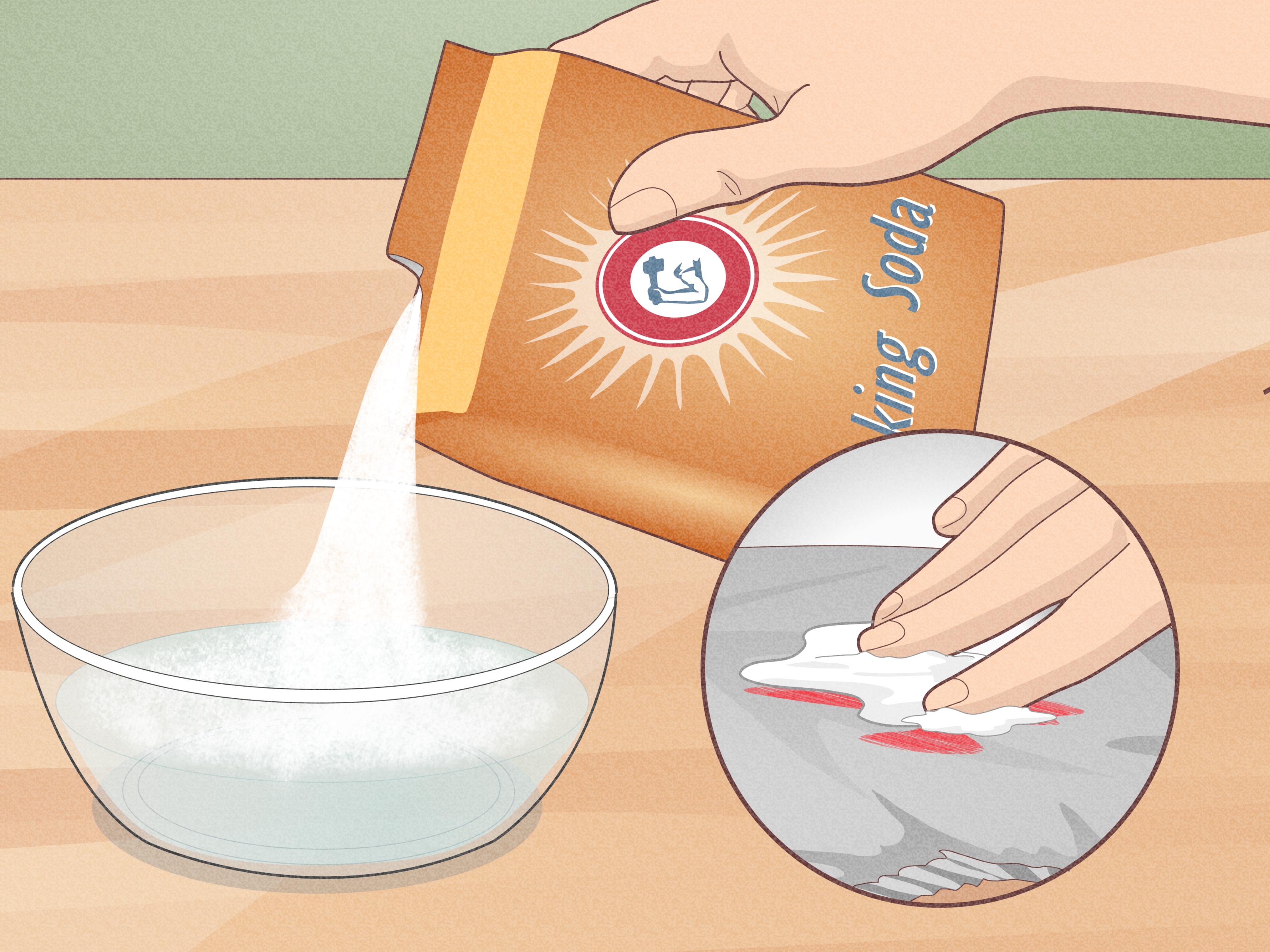
Step 4 (Targeted Option): Peroxide + Baking Soda Paste (Spot Treatment)
For white/light sheets, you can make a paste using a small amount of hydrogen peroxide and baking soda. Apply it to the stain, let it sit briefly, then rinse. This can be useful for “ring” stains or patches that won’t fully lift.
Step 5: Wash, Inspect, Repeat (The Unsexy Truth)
Wash cold/cool with detergent. Inspect before drying. If a stain remains, repeat pre-treat and wash. Two rounds is common for older stainsannoying, yes, but still cheaper than buying new sheets.
What Works Best (and What to Avoid)
Top Performers for Blood Stains
- Cold water rinse/soak: the foundation for both fresh and dried stains.
- Enzyme detergents and enzyme stain removers: designed to break down protein-based stains.
- Oxygen bleach (color-safe): great for soaking and boosting the wash, especially on set-in stains.
- Hydrogen peroxide (3%): effective on many blood stains, especially on whites/lights (spot-test first).
- Liquid detergent spot-treatment: simple and surprisingly effective, especially when used early.
Chlorine Bleach: Useful, But Not Your First Button to Mash
Chlorine bleach can remove stains and disinfect, but it’s not universally fabric-friendly and can weaken fibers over time. If you use it, reserve it for white, bleach-safe sheets, follow dilution directions carefully, and rinse well. Never use bleach on wool, silk, spandex-heavy fabrics, or anything labeled “no bleach.”
Safety note: Never mix bleach with ammonia or products that may contain ammonia. If you’re unsure, don’t combine.
Home Remedies: The “Sometimes” Category
You’ll see tips online about salt, vinegar, or dish soap. These can help in certain situations (especially fresh stains), but they’re not always reliable for dried stains, and some can be rough on delicate fabrics if overused. If you want the highest success rate, prioritize cold water + enzymes + oxygen bleach.
Fabric-Specific Tips (Because Not All Sheets Want the Same Drama)
Cotton & Cotton Percale
Cotton is forgiving. Cold rinse, enzyme pre-treat, oxygen bleach soak, and (for whites) peroxide are all on the table. Cotton is also more tolerant of repeat washes if you need a second round.
Linen
Linen is strong but can be prone to texture changes if you scrub aggressively. Use cold soak, gentle enzyme treatment, and avoid harsh rubbing. Oxygen bleach soaks can work well if the label allows.
Microfiber / Polyester Blends
Synthetics often release stains well with enzyme detergent and oxygen bleach, but they can hold onto “shadows” if the stain was heat-set. Avoid high heat drying until fully removed.
Bamboo or “Rayon from Bamboo”
Treat gently: cold rinse, enzyme soak, and oxygen bleach if the care label approves. Skip harsh scrubbing to protect the fibers.
Silk (and Other Delicates)
For silk sheets, keep it simple: cold water, a mild detergent made for delicates, and very gentle handling. Hydrogen peroxide and bleach can discolor or weaken silkwhen in doubt, consider professional cleaning.
Troubleshooting: When the Stain Won’t Quit
Problem: “I Washed It… and Then I Dried It. Now What?”
If the stain went through the dryer, it may be heat-set. You can still try:
- Cold soak to rehydrate.
- Enzyme pre-treat (longer dwell time helpsthink 15 minutes, not 15 seconds).
- Oxygen bleach soak, then wash again.
It might take multiple cycles. If you get a faint “ghost” stain, that’s progresskeep going before giving up.
Problem: “It’s Gone… Except for a Yellow/Brown Shadow”
Sometimes what’s left is oxidation discoloration rather than removable residue. Oxygen bleach soaks are often the best bet. For white sheets, air-drying in sunlight may help brighten what remains (sunlight can naturally fade some discoloration).
Problem: “My Water Is Hard and Everything Feels… Less Effective”
Hard water can reduce cleaning performance. Using the right dose of detergent, adding oxygen bleach, and soaking longer can help. If this is a frequent battle, a laundry booster formulated for hard water may be worth trying.
Prevention Tips (Because Future-You Deserves Nice Things)
- Use a mattress protector. It’s not exciting, but it’s a hero.
- Keep a stain spray handy. If you treat immediately, you’ll win most battles.
- Wash sheets regularly. Old body oils can make stains cling harder.
- Don’t panic. Panic leads to hot water. Hot water leads to regret.
Conclusion
If you remember only three things, make them these: cold water first, enzymes for protein stains, and no heat drying until it’s truly gone. Fresh blood stains usually come out with a cold rinse and detergent. Dried stains may need a cold soak plus enzyme treatment and an oxygen bleach boost. And if your sheets are white and colorfast, hydrogen peroxide can be a clutch movejust spot-test like a responsible adult.
Your sheets can survive this. Your pride? Also recoverable. Probably.
Extra: Real-World “Laundry Trench” Experiences (So You Don’t Have to Learn the Hard Way)
Let’s talk about what actually happens in homesnot the fantasy world where stains occur politely at 10 a.m. on a Tuesday and you have unlimited time, perfect lighting, and a soundtrack that makes folding fitted sheets look glamorous.
Scenario 1: The 2 A.M. Nosebleed Surprise
This is the classic: you wake up, notice a spot, and immediately consider moving to a new city under a new name. The best move is fast and boring: strip the bed, rinse the stain with cold water, and pre-treat with detergent. If you do this right away, you’ll often remove most of the blood before it even thinks about setting.
The common mistake here is trying hot water “because hot cleans better.” It’s understandable. It’s also how you end up with a permanent reminder that your sinuses have free will. Cold first. Always.
Scenario 2: Period Blood on Sheets (And You’re Traveling)
Hotels and Airbnbs have a special way of making small problems feel enormous. If you don’t have a full laundry setup, your mission is damage control:
- Use cold water from the sink to flush the stain as much as possible.
- Apply a small amount of hand soap or shampoo in a pinch, then rinse again.
- If you have access to a stain-remover pen or spray, use it and let it sit.
The goal is not perfection on the spotit’s preventing the stain from setting until you can do a proper enzyme wash and oxygen bleach soak. Many stain-remover sprays are designed for “spray now, wash later,” which is basically a love letter to travelers.
Scenario 3: White Sheets, Dried Stain, Big Panic
White sheets are brutally honest. They don’t “hide” stains; they spotlight them like a talent show judge. For dried blood on white cotton, a solid approach is:
- Cold soak to loosen what’s dried.
- Enzyme pre-treat.
- Oxygen bleach soak.
- Peroxide spot treatment for leftovers (spot-test first, and rinse well).
The key here is patience. People often quit right before it worksusually because they tried one quick wash, saw a shadow, and assumed the sheet is cursed. It’s not cursed. It’s chemistry.
Scenario 4: Dark or Patterned Sheets (The “Will This Bleach My Dye?” Anxiety)
With dark sheets, hydrogen peroxide can be risky. Sometimes it’s fine; sometimes it leaves a slightly lighter patch that looks like your sheet has a highlight reel. That’s why enzyme detergents and oxygen bleach (color-safe) are the safer first choices.
If you really want to try peroxide on dark fabric, do a serious spot-test in a hidden seam area and wait a few minutes. No test? No peroxide. Dark sheets don’t forgive impulsive decisions.
Scenario 5: The “I Scrubbed It and Now It’s Bigger” Moment
Scrubbing feels productive. It’s also how stains spread and fibers fray. If you’ve scrubbed and the stain area expanded, reset the plan:
- Rinse thoroughly with cold water to remove loosened residue.
- Soak cold to calm everything down (including you).
- Apply enzyme detergent and let it sit. Let the product do the work.
Gentle pressure, not aggressive friction, is the better long gameespecially for linen, bamboo-derived fabrics, and higher-thread-count cotton.
Scenario 6: “It’s Mostly Gone, But I Can Still See It If I Squint”
That faint shadow is where many people lose patience. If you can still see it, don’t dry it with heat. Try an oxygen bleach soak and rewash. For whites, air-drying in sunlight can help brighten residual discoloration.
Also: check your lighting. Bedroom lamps can be weirdly forgiving; daylight is brutally accurate. If it’s truly gone in daylight, you’re safe to dry normally. If not, one more round.
Bottom line from the trenches: blood stains aren’t “impossible,” they’re just picky. Treat them cold, use enzyme help, boost with oxygen bleach, and keep heat out of the equation until you’ve won.












