
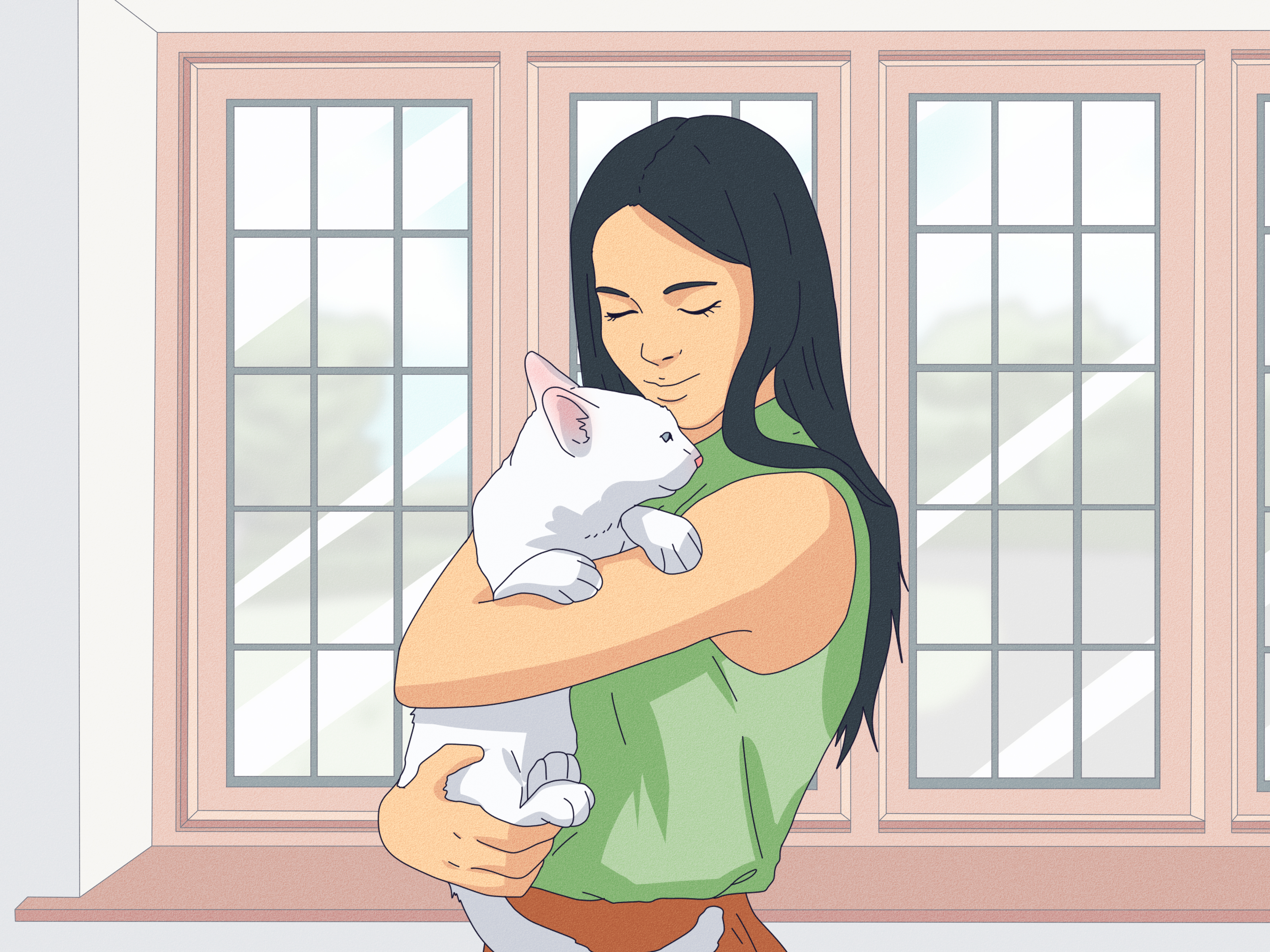
Getting a cat for a pet sounds simple: see cat, fall in love, bring cat home, spend the next decade apologizing to your furniture. But if you want a happy cat, a peaceful household, and fewer “why is there litter in my shoe?” moments, it helps to do the process thoughtfully. A cat is not a decorative pillow with opinions. A cat is a living companion with needs, preferences, routines, health requirements, and a surprisingly firm stance on where you are allowed to sit.
The good news? Learning how to get a cat for a pet is not complicated when you know what to consider before adoption, where to find a cat, what supplies to buy, and how to help your new feline settle in. Whether you are adopting a kitten, an adult cat, or a senior whiskered philosopher, the goal is the same: choose a cat that fits your lifestyle and build a home where that cat can feel safe, healthy, and loved.
This guide walks you through the process from “I think I want a cat” to “my cat owns the sunny spot and possibly my soul.” Let’s begin.
Why Getting a Cat Is a Big Decision
Cats have a reputation for being independent, but “independent” does not mean “low responsibility.” A cat still needs daily food, fresh water, litter box care, playtime, mental stimulation, veterinary care, grooming, safe housing, and human patience. Many cats can live well into their teens, and some reach 20 years or more. That means adopting a cat is less like buying a gadget and more like starting a long-term roommate situation with someone who has tiny knives on their toes.
Before getting a pet cat, ask yourself a few practical questions. Do you have enough time to care for one every day? Can you afford food, litter, vet visits, vaccines, parasite prevention, toys, and unexpected medical expenses? Is everyone in your household comfortable with a cat? Are there allergies, rental restrictions, or existing pets to consider? A responsible cat adoption starts before the cat ever enters the carrier.
Step 1: Decide What Kind of Cat Fits Your Life
The best cat for you is not necessarily the fluffiest cat, the smallest kitten, or the one who looks like it belongs in a luxury perfume commercial. The right cat is the one whose personality, age, energy level, and care needs match your home.
Kittens: Cute, Chaotic, and Very Busy
Kittens are adorable. They are also tiny chaos engines powered by curiosity and questionable judgment. A kitten may need more supervision, more playtime, more training, and more patience than an adult cat. They explore with their mouths, climb what should not be climbed, and sometimes believe 3 a.m. is the perfect time to practice parkour.
A kitten can be a great choice if you have time for socialization, safe play, and routine veterinary care. If you are away most of the day, adopting two compatible kittens may be worth discussing with a shelter or rescue because young cats often benefit from companionship and play.
Adult Cats: Personality Already Installed
An adult cat is often easier to evaluate because its personality is already visible. Shelter staff may know whether the cat is playful, shy, cuddly, independent, chatty, calm, or secretly training for a wrestling tournament. Adult cats can be wonderful for first-time cat owners because they may already understand litter boxes and household routines.
Senior Cats: Gentle, Grateful, and Underrated
Senior cats are often overlooked, which is a shame because many are calm, affectionate, and deeply appreciative of a quiet home. A senior cat may need more frequent veterinary checkups or special food, but it can also be a fantastic match for someone who wants companionship without kitten-level acrobatics.
Step 2: Choose Where to Get a Cat
There are several ways to get a cat for a pet, but adoption from a shelter or rescue is one of the best options for many families. Local animal shelters, humane societies, rescue groups, and foster-based organizations often have cats of every age, size, color, and personality. You may find kittens, bonded pairs, adult lap cats, shy cats, playful cats, and cats who look like they have been judging humanity since ancient Egypt.
Adopting from a shelter often comes with helpful support. Many shelters provide vaccinations, spay or neuter surgery, microchipping, deworming, basic health checks, and behavior information before adoption. Services vary by organization, so always ask what is included in the adoption fee.
Another option is adopting from a reputable rescue group. Many rescues use foster homes, which means the foster caregiver may know how the cat behaves in a home environment. That can be especially useful if you have children, other pets, or a specific lifestyle need.
If you decide to work with a breeder for a specific breed, do careful research. A responsible breeder should prioritize health, socialization, clean living conditions, and transparency. Avoid sellers who will not answer questions, will not let you see where the cats are raised, or seem more interested in fast payment than animal welfare.
Step 3: Research Cat Personality, Not Just Cat Looks
It is easy to fall for a cat because of appearance. A long-haired silver cat may look like royalty. A tuxedo cat may look like it is late for a board meeting. An orange cat may look like it has one brain cell and a dream. But personality matters more than coat color.
When visiting a shelter, tell the staff about your lifestyle. Do you want a cat that enjoys being held? Do you prefer an independent cat? Do you have a busy household? Do you need a cat that can live with another cat, a gentle dog, or children? Shelter employees and volunteers often know which cats are social butterflies and which ones need a patient, quiet home.
During a meet-and-greet, let the cat approach you. Sit low, move slowly, and avoid grabbing. A confident cat may come over quickly; a shy cat may need time. Neither reaction automatically means “good” or “bad.” It simply tells you about the cat’s comfort level. The goal is not to force instant friendship. The goal is to observe honestly.
Step 4: Prepare Your Home Before the Cat Arrives
Bringing home a cat without supplies is like opening a restaurant and forgetting plates. Before adoption day, set up the basics so your new cat can settle in safely.
Essential Cat Supplies
- Litter box and cat litter
- Food and water bowls
- High-quality cat food appropriate for the cat’s age
- Scratching posts or scratching pads
- Cat carrier
- Comfortable bed or blanket
- Toys for chasing, batting, and pouncing
- Brush or comb, especially for long-haired cats
- Nail clippers designed for pets
- ID tag and microchip registration information
For bowls, many cat owners prefer stainless steel, ceramic, or glass because they are easy to clean. Place food and water away from the litter box. Cats may be mysterious, but they are not mysterious about wanting their dining room separate from their bathroom.
Cat-Proof Your Space
Cat-proofing matters, especially for kittens. Secure loose cords, remove small swallowable objects, store cleaning products safely, check houseplants for toxicity, and keep medications out of reach. Cats can jump, squeeze, climb, and investigate with the confidence of a tiny detective who did not read the safety manual.
Also think vertically. Cats enjoy elevated spaces because height helps them feel secure. A cat tree, sturdy shelves, or window perch can make your home more enriching and reduce stress.
Step 5: Set Up a Safe Starter Room
One of the smartest ways to bring a new cat home is to start with one quiet room. This “starter room” gives the cat a safe base while it adjusts to new smells, sounds, and people. The room should include food, water, a litter box, bedding, hiding places, toys, and a scratching surface.
Do not be surprised if your new cat hides at first. Hiding is normal. Moving into a new home is a big deal, even if the home has premium treats and a human who keeps whispering, “Please love me.” Let the cat come out on its own timeline. Sit quietly in the room, speak softly, and offer treats without forcing interaction.
Step 6: Understand the Adoption Process
Every shelter or rescue has its own adoption process, but many follow a similar pattern. You may fill out an application, answer questions about your home, meet available cats, talk with adoption counselors, review medical records, and pay an adoption fee. Some organizations offer same-day adoptions, while others require approval first.
Be honest on your application. If you rent, check your lease. If you have other pets, say so. If you are a first-time cat owner, mention it. Adoption teams are not trying to embarrass you; they are trying to make good matches. A cat who loves peace and quiet may not thrive in a loud home with four dogs and a toddler drum set. A bold, playful cat may be bored in a home where nobody wants interactive play.
Step 7: Bring Your Cat Home Safely
Always transport your cat in a secure carrier. Do not carry a loose cat in your arms through a parking lot, even if the cat seems calm. New environments can scare even friendly cats, and a frightened cat can bolt quickly.
When you arrive home, take the carrier directly to the starter room. Open the carrier door and let the cat come out when ready. Some cats walk out like they own the mortgage. Others stay in the carrier and reconsider every life choice. Both responses are normal.
Keep the first day calm. Avoid inviting friends over to meet the cat immediately. Do not overwhelm the cat with loud noises, constant handling, or full-house exploration. Give your new pet space, routine, and gentle attention.
Step 8: Schedule a Veterinary Visit
Even if your adopted cat received care before adoption, schedule a wellness visit with a veterinarian soon after bringing the cat home. The vet can review vaccines, check for parasites, discuss spay or neuter status, evaluate weight and dental health, and recommend food or preventive care.
Regular veterinary care is important even for indoor cats. Indoor cats can still face dental disease, obesity, parasites, urinary issues, stress-related behavior problems, and age-related conditions. A yearly wellness exam gives you a better chance of catching problems early.
Step 9: Feed Your Cat the Right Way
Cats need food designed for their life stage. Kittens need kitten food because they are growing quickly. Adult cats need balanced adult maintenance food. Senior cats may benefit from diet adjustments based on health needs. Ask your veterinarian what makes sense for your cat’s age, weight, and medical history.
If you want to switch foods, do it gradually. Sudden diet changes can upset a cat’s stomach. Mix a little new food with the old food, then slowly increase the new food over several days. Cats are creatures of habit, and some will act personally offended if dinner changes without a formal announcement.
Step 10: Create a Litter Box Setup That Works
A good litter box setup can prevent many headaches. Most cats prefer a clean box in a quiet, accessible place. A common rule is to have one litter box per cat, plus one extra. So, one cat should ideally have two boxes, two cats should have three, and so on.
Many cats prefer unscented litter and boxes that are roomy enough to turn around in. Scoop daily and clean the box regularly. If a cat suddenly stops using the litter box, do not assume it is being “bad.” Litter box problems can be linked to stress, box location, cleanliness, litter preference, or medical issues such as urinary discomfort. Call a veterinarian if the behavior is sudden or unusual.
Step 11: Give Your Cat Healthy Scratching Options
Scratching is not a crime. It is normal cat behavior. Cats scratch to stretch, maintain claws, mark territory, and relieve stress. Your job is not to stop scratching completely; your job is to redirect it to acceptable surfaces.
Offer a mix of vertical and horizontal scratchers. Try sisal, cardboard, carpet, or wood textures to see what your cat likes. Put scratchers near favorite resting spots and near furniture the cat seems tempted to redecorate. Reward the cat for using the scratcher. Do not yell or punish; that usually creates stress without teaching the cat what to do instead.
Step 12: Make Life Enriching
A bored cat can become a noisy cat, a destructive cat, or a cat who decides your ankle is a wild gazelle. Enrichment helps cats express natural behaviors like hunting, climbing, hiding, scratching, and exploring.
Use wand toys, puzzle feeders, treat balls, tunnels, window perches, and rotating toys. Short play sessions once or twice a day can make a big difference. Let the cat chase, pounce, and “catch” the toy at the end. Ending play without a catch can be frustrating, like watching a cooking show when you are hungry.
Step 13: Introduce Other Pets Slowly
If you already have another cat or dog, do not rush introductions. Keep the new cat separated at first. Let animals smell each other under the door, swap bedding, and gradually become familiar with each other’s scent. Supervised visual introductions can come later.
For cat-to-cat introductions, patience is especially important. Some cats adjust in days; others need weeks. Hissing does not always mean failure. It often means, “I noticed you exist, and I would like to file a formal complaint.” Move slowly, reward calm behavior, and give each pet separate resources.
Step 14: Teach Children How to Respect Cats
Cats and children can become wonderful companions, but children need guidance. Teach kids not to chase, grab, squeeze, pull tails, disturb sleeping cats, or corner a cat. A cat should always have a safe place to retreat.
Show children how to pet gently and read body language. A relaxed cat may lean in, purr, or stay nearby. A stressed cat may flatten ears, twitch its tail, growl, hide, or try to leave. Respecting these signals prevents scratches, bites, and fear.
Step 15: Know Basic Cat Health and Safety
Living with a cat is generally safe and joyful, but basic hygiene matters. Wash hands after cleaning the litter box, keep litter areas clean, and avoid rough play that encourages biting or scratching. If you are scratched or bitten, wash the area with soap and water. Seek medical guidance if the wound is deep, becomes red or swollen, or you have health concerns.
Keep your cat indoors or provide only safe outdoor access, such as a secure catio, harness training, or supervised time in an enclosed area. Indoor cats are protected from many dangers, including traffic, predators, disease exposure, and fights with other animals. To keep indoor life satisfying, offer climbing space, play, windows, scratching areas, and social interaction.
Common Mistakes to Avoid When Getting a Cat
Choosing Only by Appearance
A beautiful cat may not match your lifestyle. Choose based on temperament, energy level, age, and care needs.
Skipping the Budget
Food and litter are only the beginning. Plan for vet care, vaccines, parasite prevention, grooming tools, toys, and emergency expenses.
Forcing Affection Too Soon
Some cats need time. Trust grows faster when you let the cat choose interaction instead of scooping it up every five minutes like a furry trophy.
Ignoring Behavior Changes
Sudden hiding, aggression, appetite loss, litter box changes, or low energy may signal stress or illness. When in doubt, contact a veterinarian.
How to Know You Are Ready for a Cat
You are probably ready to get a cat if you understand the long-term commitment, can afford routine and unexpected care, have prepared your home, and are willing to be patient during the adjustment period. You do not need to be perfect. Nobody becomes a cat expert overnight. But you do need to be consistent, kind, observant, and ready to learn.
A cat will teach you many things: how to respect quiet companionship, how to appreciate small routines, how to sit very still because a cat chose your lap, and how quickly a cardboard box can become more exciting than the expensive bed you purchased.
Extra Experience: Real-Life Lessons About Getting a Cat for a Pet
One of the most useful experiences new cat owners can learn from is this: the cat you imagine and the cat you adopt may not be exactly the same creature, and that is part of the magic. Many people go into a shelter thinking they want a tiny kitten, then leave with a calm three-year-old tabby who gently taps their hand through the cage. Others plan to adopt one cat and discover a bonded pair that comes as a matched set of whiskers and emotional negotiation.
When I think about the practical side of getting a cat, the first lesson is to slow down. A good adoption is not a race. Spend time observing how the cat reacts to people, sounds, and touch. Ask shelter staff what they have noticed. Does the cat like being picked up? Does it prefer quiet corners? Has it lived with other cats? Does it play gently or with the enthusiasm of a furry tornado? These details matter more than whether the cat’s face looks perfect in photos.
The second lesson is that the first week sets the tone. Many new owners worry when a cat hides under the bed for two days. In most cases, the cat is not rejecting you. It is studying the environment from a secure command center made of dust bunnies and mystery socks. Give food, water, a clean litter box, and quiet. Sit nearby without demanding attention. Read a book, scroll your phone, or talk softly. The moment a shy cat decides to come out on its own feels like winning a tiny, silent lottery.
The third lesson is to expect personality to unfold slowly. Some cats are affectionate immediately. Others need weeks before they show their silly side. A cat that seems reserved at the shelter may become playful at home once it feels safe. A bold cat may need rules and structured play to avoid turning your curtains into a climbing wall. Either way, patience works better than pressure.
The fourth lesson is that supplies do not need to be fancy, but they do need to be useful. A sturdy scratching post is better than a glamorous one that wobbles. A simple cardboard box can beat a luxury bed. A clean, well-placed litter box is more valuable than the trendiest covered model if your cat refuses to use it. Cats are not impressed by marketing. They are impressed by comfort, safety, and whether the thing smells weird.
The fifth lesson is to build routines early. Feed at regular times, scoop the litter box daily, schedule play, and keep vet appointments. Cats thrive when life is predictable. A reliable routine helps them feel secure and helps you notice when something changes. If a cat suddenly stops eating, hides more than usual, or avoids the litter box, you will spot the difference faster when you already know what normal looks like.
Finally, remember that adopting a cat is not just about getting a pet. It is about building trust with a small animal that communicates in blinks, tail flicks, head bumps, and occasional dramatic flops on the floor. When you get a cat thoughtfully, prepare your home, and respect the cat’s pace, you create the foundation for years of companionship. And yes, you may also lose ownership of your favorite chair. That is simply part of the contract, printed in invisible ink and enforced by purring.
Conclusion
Learning how to get a cat for a pet starts with preparation and ends with patience. Choose a cat based on lifestyle fit, adopt from a responsible source, prepare your home before arrival, schedule veterinary care, and give your new companion time to adjust. A great cat adoption is not about finding the “perfect” cat. It is about finding the right match and becoming the kind of owner who offers safety, routine, affection, and respect.
When you do that, you do more than bring home a pet. You welcome a companion who may greet you at the door, nap beside you, supervise your laundry, and silently judge your snack choices. In other words, you get a cat.













