
Note: This guresponsibly, and never drive after drinking.
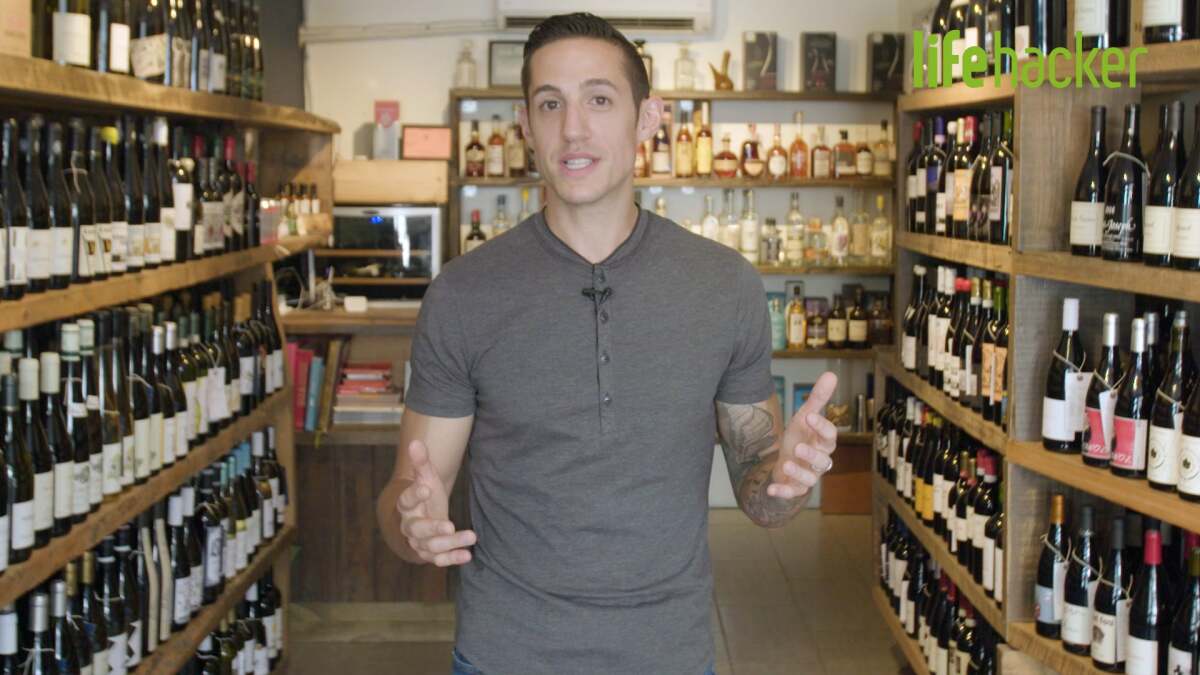
A fancy wine shop can make a budget shopper feel as though they wandered into a library where every book is written in a language they almost remember from high school. The shelves are tall, the labels are moody, and someone nearby is saying “volcanic soils” with enough confidence to make you wonder whether a geology degree is required at checkout.
Relax. Finding good, cheap wine is not a test of pedigree, pronunciation, or your ability to nod thoughtfully at a bottle from Burgundy. It is a practical skill. Once you know how to set a budget, ask useful questions, read a few label clues, and spot overlooked regions, a polished wine shop becomes less intimidating and far more rewarding.
The goal is not to find “the best wine in the world” for the price of a sandwich. The goal is to find a bottle that tastes balanced, suits the food or occasion, and makes you feel clever instead of financially ambushed.
Start by Defining What “Good” and “Cheap” Mean to You
Before touching a bottle, decide what you actually want. “Good wine” is not a universal flavor floating above humanity like a tiny grape-shaped moon. Some people love crisp, tart whites. Others want a red that feels like a fireplace wearing a leather jacket. One person’s elegant mineral-driven Sauvignon Blanc is another person’s suspiciously sour lemonade.
“Cheap” should not automatically mean “the least expensive bottle in the store.” The cheapest option may be perfectly fine, but the sweet spot is often a bottle that delivers more pleasure than its price suggests. In a specialty wine shop, try setting a realistic target such as a weekday budget, a dinner-party budget, and a special-occasion budget. For example, you might shop around $15 to $18 for casual drinking, $20 to $25 for guests, and a little higher when the meal or moment deserves it.
The important part is to say your budget out loud. Wine professionals repeatedly recommend being direct about price because it helps staff narrow hundreds of options into a few realistic, useful suggestions. A good wine seller will not judge you for wanting something delicious under a set amount; they hear that request all day. stead of saying, “I need a good wine,” try giving the shop a flavor target:
- “I want a dry white that is crisp, not sweet, for grilled fish.”
- “I like smooth reds but do not want something too oaky or heavy.”
- “I need a party bottle under $20 that most people will enjoy.”
- “I usually buy Malbec. Can you show me something similar but less obvious?”
That last question is especially powerful. It tells the staff what you enjoy while opening the door to less famous grapes, regions, and producers that may offer better value.
Choose the Right Wine Shop Before You Choose the Wine
Not every fancy-looking shop is a great place to find affordable wine. Marble countertops and dramatic lighting are pleasant, but they do not automatically guarantee thoughtful buying. Look for a store with a wide range of prices, clear shelf organization, bottles that appear well cared for, and employees who talk to beginners without making them feel as if they have insulted the entire country of France.
A useful shop usually has a personality. You may see handwritten shelf tags, staff favorites, region-focused displays, mixed-case offers, or sections built around food pairings. These clues suggest that somebody is actively tasting, selecting, and explaining the inventory instead of simply lining up bottles by price and hoping for the best.
Staff picks are worth noticing, but do not treat them like sacred tablets delivered from Mount Cabernet. A shelf tag should be a conversation starter. If a bottle is marked as a staff favorite, ask why. Is it fruity? Savory? Light-bodied? Organic? Great with pizza? The explanation matters more than the handwritten stars.
Independent shops can be particularly valuable because their staff may know the wines personally and can steer shoppers toward smaller producers or lesser-known regions. A strong retailer relationship can help buyers discover wines from new producers and newer distribution channels before those bottles become expensive or fashionable. ow to Ask a Wine Shop Employee for a Great Bargain
Approaching the wine counter can feel like asking a museum curator to explain modern art while you are holding a coupon. Do it anyway. A knowledgeable employee is the most useful feature in the shop, and unlike a wine app, they can react to your budget, your dinner, your taste, and your very specific dislike of “that weird vanilla flavor.”
Use the Three-Part Request
The easiest formula is:
Budget + flavor preference + occasion.
For example: “I have $18 to spend. I want a medium-bodied red with low oak for tacos and grilled vegetables.” That request gives the employee enough information to recommend something useful, perhaps a Garnacha, Mencía, young Rioja, Côtes du Rhône, or lighter Malbec instead of automatically reaching for a familiar Cabernet Sauvignon.
Ask Questions That Produce Better Answers
These questions work surprisingly well:
- “What are you drinking at home under $20?”
- “What bottle overdelivers for the price right now?”
- “What is similar to this wine I liked, but from another region?”
- “Which bottle here is good with food, not just good by itself?”
- “What is new to the shop that you are excited about?”
- “Can you show me a good value bottle that is not from the obvious section?”
Asking what the staff drinks themselves is not foolproof, but it often avoids the most heavily marketed bottles. Wine professionals spend a lot of time tasting, comparing, and discussing wines, so their everyday favorites can reveal excellent value picks. so, tell them what you do not like. Saying “I dislike sweet reds,” “I hate buttery Chardonnay,” or “big tannins make my mouth feel like a carpet sample” can save everyone time. Wine language is useful, but honest language is even better.
Read the Label Like a Detective, Not a Sommelier
You do not need to decode every tiny phrase on a wine bottle. Most labels contain enough information to help you make a smarter choice, but only if you know which clues matter and which ones are mostly decorative poetry.
Look for the Region First
The region often tells you more about likely style and value than the brand name does. A bottle from a famous place may be excellent, but prestige regions can carry higher costs because of land prices, reputation, scarcity, labor, and demand. Price is influenced by many factors beyond the liquid itself, so a more expensive bottle is not automatically more enjoyable for your palate. en browsing, look beyond the celebrity names. Instead of reaching automatically for Napa Cabernet, Burgundy Pinot Noir, or top-tier Tuscan red, explore nearby or less famous regions that make similar styles. Wine value often lives just outside the neighborhood with the giant billboard.
Understand Grape Names and Wine Styles
Varietal labels tell you the grape, such as Cabernet Sauvignon, Chardonnay, Riesling, or Merlot. Region-based labels may emphasize place instead, especially in Europe. For U.S. wines, federal labeling rules generally require a wine identified by a single grape variety to contain at least 75 percent of that variety, though rules for imported wines and individual regions can differ. is does not mean you need to memorize every grape in existence. It simply gives you a shortcut. If you know you enjoy bright, light reds, look for Gamay, Pinot Noir, Mencía, or Garnacha. If you like fuller reds, consider Syrah, Malbec, Tempranillo, Cabernet blends, or Nero d’Avola. For fresh whites, try Grüner Veltliner, Albariño, Muscadet, dry Riesling, Verdejo, or Sauvignon Blanc.
Do Not Worship the Vintage
A vintage is the year the grapes were harvested. It can matter, especially for wines designed to age or wines from regions with variable weather, but it is not a magic quality stamp. A great producer in a modest year may still make a more enjoyable wine than a mediocre producer in a famous year.
For everyday bottles, do not spend twenty minutes researching whether one vintage was touched by celestial perfection. Ask the retailer whether the bottle is drinking well now. That is usually the answer you actually need.
Check the Back Label for the Importer
For imported wine, the importer can be a helpful quality clue. Importers often specialize in particular regions, farming approaches, or wine styles. Once you discover an importer whose bottles consistently suit your taste, you have created a useful shopping shortcut. This is especially handy when the front label appears to have been designed by a mysterious medieval society. se Ratings Carefully
Ratings can be helpful for narrowing a large selection, particularly when they can be filtered by price, region, grape, and vintage. Still, a score should be treated as one opinion, not a royal decree. A 92-point bottle can be wonderfully made and still be wrong for your dinner, your taste, or your Tuesday night. hop the Value Regions Instead of Chasing Prestige
The fastest way to find good cheap wine is to look where quality has not yet become famous enough to charge admission. Regions with lower land costs, local grape varieties, strong farming traditions, or less global hype can produce bottles that taste far more expensive than they are.
Reliable Places to Start
- Portugal: Look for Vinho Verde, Douro reds, Dão, Bairrada, and Alentejo. Portuguese wines can offer refreshing whites, structured reds, and distinctive local grapes at friendly prices.
- Spain: Explore Garnacha from Aragón, Monastrell from Jumilla, Mencía from Bierzo, Verdejo from Rueda, Cava, and young Rioja. Spain is a treasure chest for drinkable, food-friendly wines.
- Southern Italy: Sicily, Abruzzo, Puglia, and Campania can offer excellent Nero d’Avola, Montepulciano, Primitivo, Grillo, Fiano, and Aglianico without the prestige surcharge of the most famous Italian regions.
- France Beyond the Famous Names: Try Côtes du Rhône, Languedoc, Beaujolais, Muscadet, Loire Valley Chenin Blanc, or Crémant instead of aiming directly at Burgundy, Bordeaux, or Champagne.
- South America: Argentina and Chile remain useful hunting grounds for Malbec, Cabernet Sauvignon, Carménère, Syrah, and Sauvignon Blanc.
- South Africa, Austria, and Germany: These regions can provide beautifully balanced whites, fresh reds, and food-friendly wines that are sometimes less fashionable than their quality deserves.
Wine educators and retailers frequently point shoppers toward Portugal, Spain, Sicily, southern France, and overlooked European areas because these regions can offer strong quality-to-price ratios. French everyday categories such as Vin de France and regional wines can also provide delicious, food-friendly alternatives to prestige appellations. r sparkling wine, remember that Champagne is a place, not a synonym for every bubbly bottle. Cava from Spain, Crémant from France, Prosecco from Italy, and Sekt from Germany or Austria can give you celebratory fizz without requiring a second mortgage or a call to your accountant.
Common Fancy Wine Shop Traps to Avoid
Trap No. 1: Buying the label. A beautiful label can be charming. It can also be a tiny billboard for a wine that tastes like fruit candy at a costume party. Let the label catch your eye, but let the region, grape, producer, and staff guidance make the final decision.
Trap No. 2: Assuming expensive means better. An expensive wine may be rare, aged, labor-intensive, famous, or simply costly to produce and import. It may also be completely wrong for a pizza night. A $17 bottle that makes dinner better is a smarter purchase than a $55 bottle that makes you nervous to open it. trong>Trap No. 3: Buying the same grape forever. Familiarity is comforting, but it can become a grape-shaped rut. If you enjoy Cabernet Sauvignon, ask for a Cabernet blend from Chile, a Syrah from the Rhône, or a structured Portuguese red. If you love Pinot Grigio, try Albariño, Vermentino, Grüner Veltliner, or dry Riesling.
Trap No. 4: Believing a screw cap means low quality. A screw cap is a closure, not a report card. It can be convenient, reliable, and perfect for a picnic, a hotel room, or any evening when you cannot find the corkscrew because it has mysteriously joined the missing sock collection.
Trap No. 5: Shopping while panicked. Give yourself a few minutes. Read shelf tags. Compare regions. Ask one question. The goal is not to appear sophisticated. The goal is to leave with a bottle you want to drink.
A Simple Three-Bottle Strategy for Learning Fast
Instead of buying one random bottle every few months, buy three different wines in a similar price range. Choose a white, a red, and something slightly outside your comfort zone. For example, you might pick a Portuguese white, a Spanish red, and a French sparkling wine.
At home, take a quick photo of each label and write down three notes: what you liked, what you did not like, and what you ate with it. Keep the notes simple. “Fresh and lemony,” “too much vanilla,” “great with burgers,” and “would buy again” are far more useful than pretending you detected “a distant memory of rain on slate.”
Over time, you will notice patterns. Perhaps you like moderate alcohol, high acidity, lighter oak, savory reds, or aromatic whites. That knowledge turns future wine-shop visits into a conversation instead of a guessing game. It also makes the staff more useful because you can give them real feedback instead of saying, “I liked the blue label one.”
Experience-Based Lessons From Navigating a Fancy Wine Shop
The first useful experience in a fancy wine shop is realizing that nobody is paying as much attention to you as you think. You may walk in feeling like your budget is printed across your forehead in glowing letters, but the staff has probably helped ten people that day who asked for “a red that is not too red” or “something for a cousin who only drinks sweet wine but says she likes dry wine.” You are doing great.
Imagine walking into a shop with a $20 limit and a dinner of roast chicken, potatoes, and salad waiting at home. You could wander directly toward the familiar Chardonnay section, grab the safest-looking label, and leave. Or you could ask, “What white wine under $20 would be bright enough for roast chicken but not overly buttery?” That one question might lead you to a bottle of Chenin Blanc, Grüner Veltliner, Verdicchio, or dry Riesling that you would never have found alone.
The experience matters because the bottle becomes a lesson. Maybe the wine is excellent. Maybe it is too tart for your taste. Either way, you now know more than you did before. The next time you visit, you can say, “That Grüner was refreshing, but I want something a little rounder.” Suddenly, the wine-shop employee is not guessing. They are building on your palate history.
Another useful experience is learning that the first recommendation does not need to be the final answer. Wine shopping is not a marriage proposal. You can ask to see two more bottles. You can compare a Sicilian red with a Spanish Garnacha. You can ask which one has less oak, more acidity, or better value. Good staff members expect this. They would rather help you choose the right bottle than watch you nod politely and buy something you will resent by the second glass.
One of the best habits is choosing one “safe” bottle and one “curious” bottle. The safe bottle might be a reliable Sauvignon Blanc, Cava, Malbec, or Côtes du Rhône. The curious bottle might be a Portuguese field blend, Austrian Blaufränkisch, Sicilian Grillo, or Beaujolais made from Gamay. This approach keeps your evenings enjoyable while slowly expanding your wine vocabulary.
There is also a budget lesson that becomes clearer with experience: a fancy shop can be the wrong place to buy famous mass-market labels. If you want a widely available brand, compare prices elsewhere. But if you want a bottle selected by someone who knows the importer, producer, vintage, and local inventory, the specialty shop can provide value that does not show up on the shelf tag alone. The real bargain is not always the lowest number. Sometimes it is the bottle that makes an ordinary meal feel unexpectedly special.
Eventually, you may become the person who walks into a wine shop with calm confidence, gives a budget, names a dinner, asks for something new, and leaves with a bottle that makes friends ask, “Where did you find this?” That is the moment you know you have learned the secret: good cheap wine is not hidden behind a velvet rope. It is usually waiting one smart question away.
Conclusion: Confidence Is the Best Wine-Shop Accessory
Learning how to find good, cheap wine is less about memorizing obscure appellations and more about becoming a better shopper. Set a clear budget, describe the flavors you enjoy, ask staff for honest recommendations, read labels for useful clues, and explore regions that are undervalued rather than overhyped.
A fancy wine shop may always contain a few bottles that cost more than your refrigerator. That is fine. You do not need them. With a little curiosity and a willingness to ask questions, you can find wines that are affordable, interesting, food-friendly, and far more satisfying than the price suggests.












